





 Portuguese
  English
  Spanish
  4 min of reading
  0 comments



Tapajós, Carajás, Triângulo Mineiro: We Investigated the Proposals for Creation of New States That Generated Great Public and Legislative Debate But Did Not Materialize, and the Complex Reasons Behind It.
The configuration of the Brazilian federative map has undergone various transformations, such as the successful birth of the state of Tocantins in 1988. However, many other proposals for the creation of new states generated intense debates and mobilizations but ultimately did not come to fruition.
This article explores some of these emblematic projects for territorial division that were not approved. We will analyze the historical, social, and political motivations, the legal obstacles, and the potential impacts of states that almost existed, such as Tapajós, Carajás, and Triângulo Mineiro, in addition to addressing the particular case of the Pampa Gaúcho.
The Legal and Political Labyrinth for the Creation of New States in Brazil
The Federal Constitution of 1988, in its Article 18, establishes the rules for the creation of new states. The process requires the approval of the directly interested population through a plebiscite and also the approval of the National Congress through a Complementary Law.
-
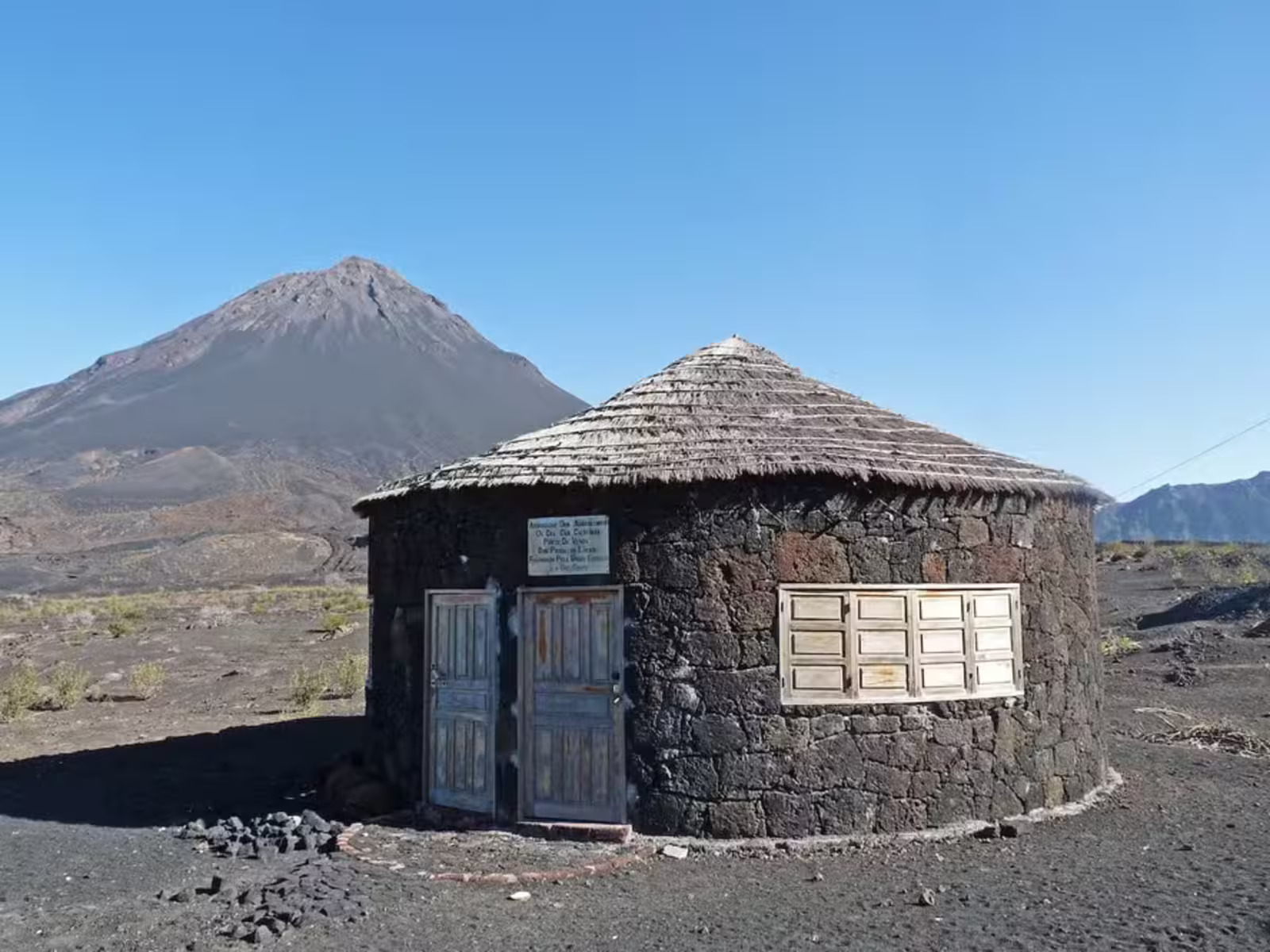
Inside an active volcano in Africa, residents use volcanic rocks to build houses in an impressive setting.
-
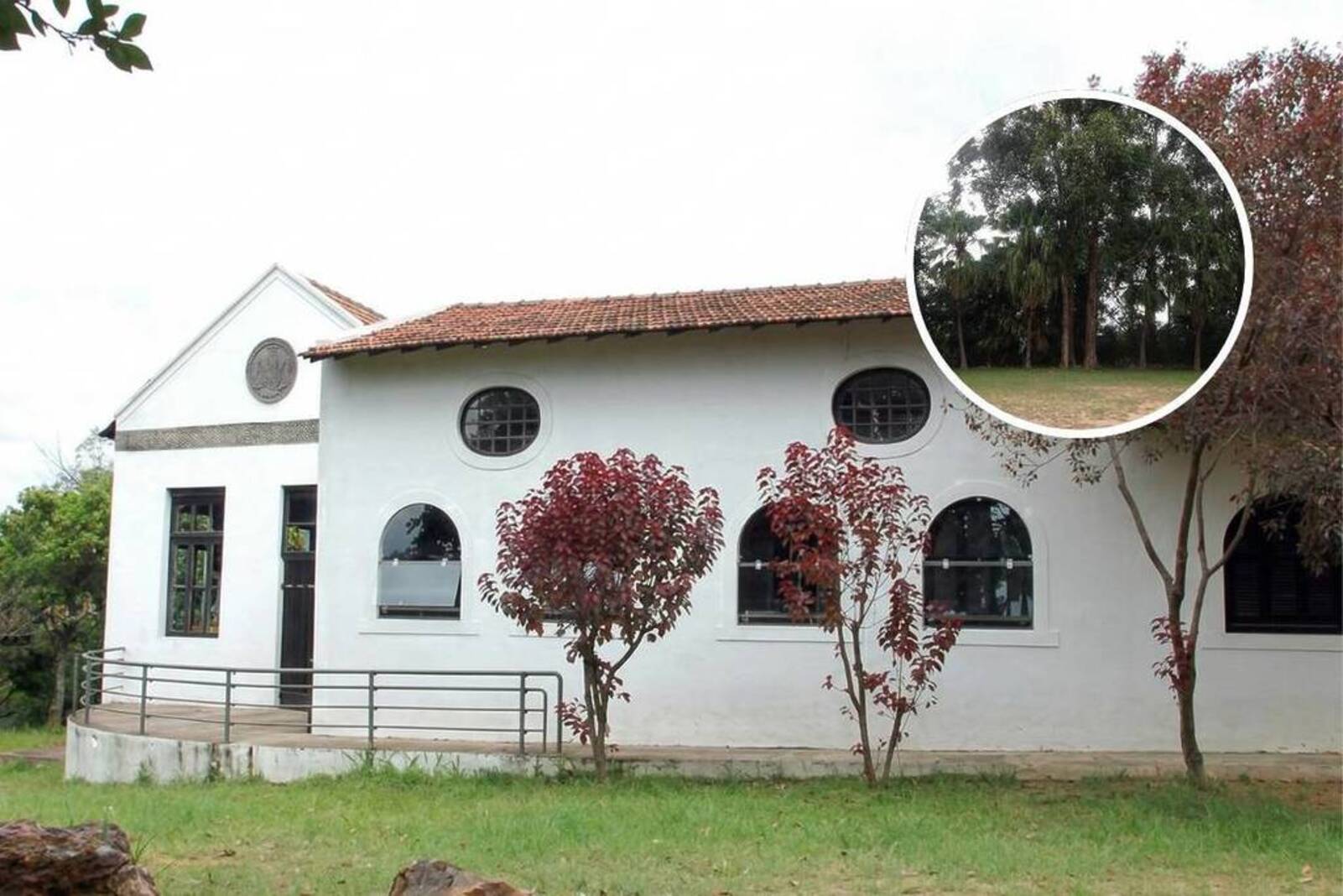
After 14 years of waiting, a rammed earth mansion built in 1702 in the North Zone of São Paulo will become a park with leisure facilities and green areas, with a million-dollar investment.
-
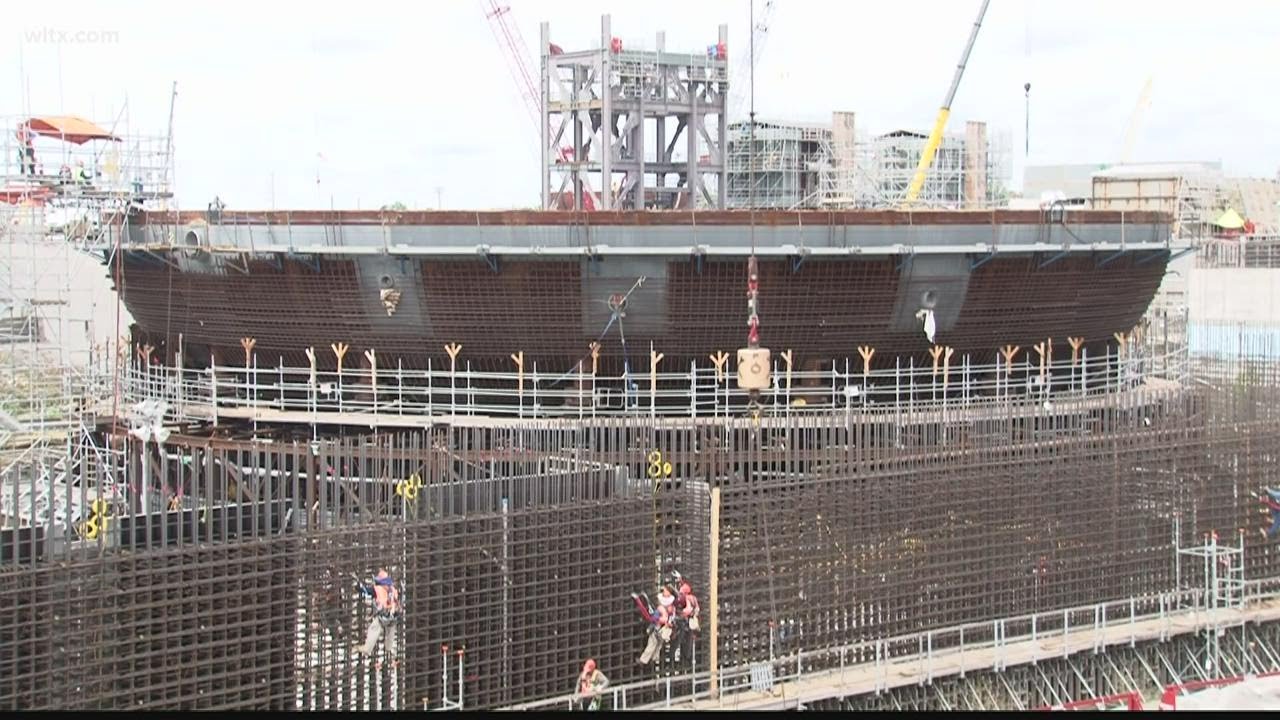
With 2 unfinished nuclear reactors, up to 25 billion in costs, and proven fraud, the Nukegate case has left 800,000 consumers still paying today for energy that will never be produced.
-
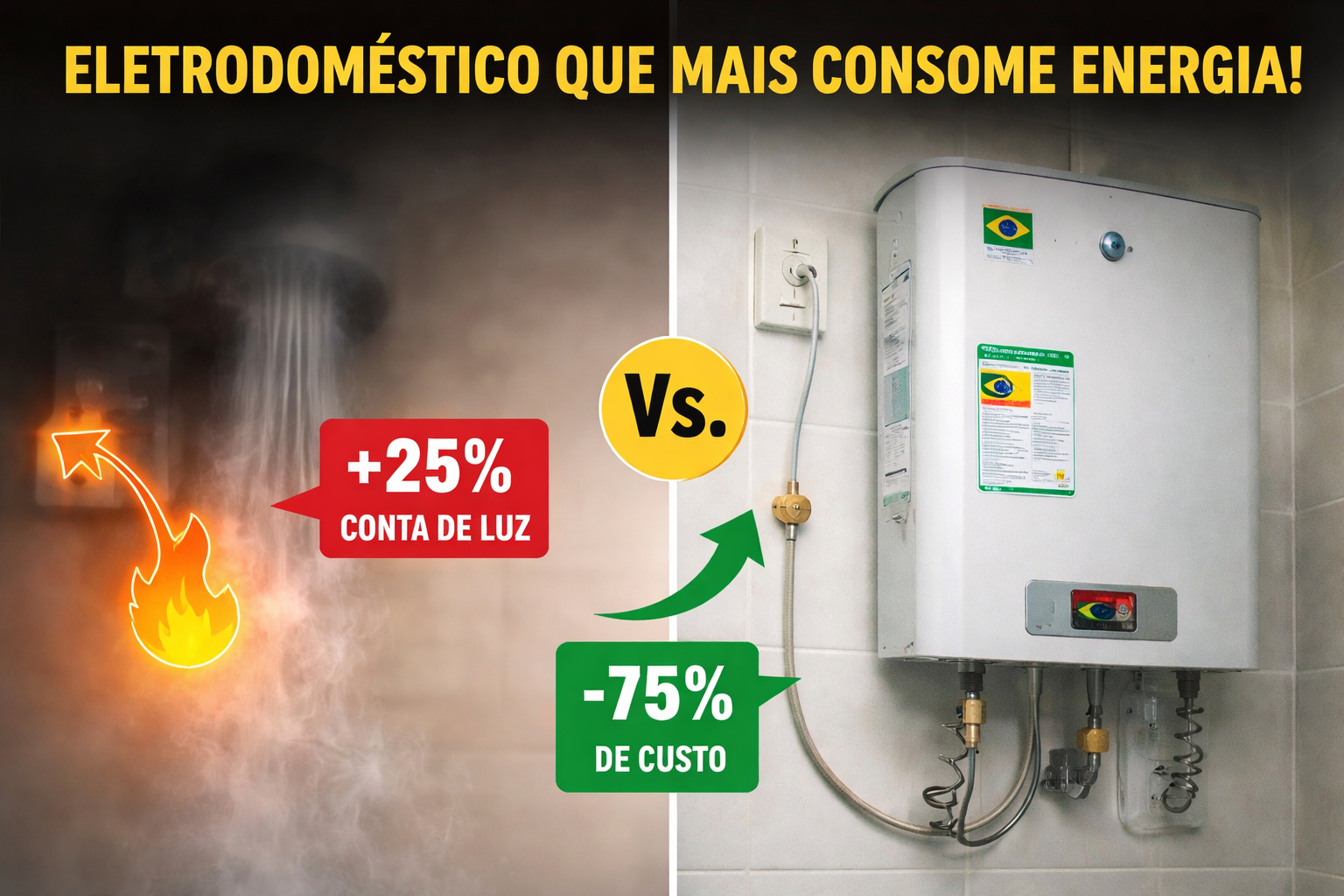
The household appliance that consumes the most energy in Brazilian homes is not the air conditioner; it is located in the smallest room of the house, is used daily, and can account for up to 25% of the electricity bill, while an alternative in the same outlet can reduce this cost by up to 75%.

However, one of the biggest challenges lies in defining who the “directly interested population” is. The Supreme Federal Court (STF) has established that this population includes not only the inhabitants of the area wishing to separate but also those from the remaining original state. In practice, this complicates divisive proposals, as the majority of the original state may reject the idea. Additionally, there is a gap in the legislation regarding the explicit requirement for comprehensive feasibility studies for new states, and the costs to set up a new administrative structure are always high.
Divided Pará? The Saga of Tapajós and Carajás and the Unpopular “No”
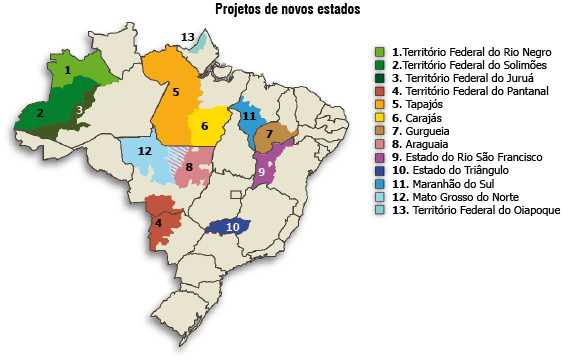
The vast state of Pará has been the scene of intense debates regarding its division, with proposals for the creation of the states of Tapajós (west) and Carajás (southeast) gaining prominence. The motivations included the pursuit of regional development, the recognition of a distinct cultural identity (especially in Tapajós), and the desire for greater political autonomy from the state government in Belém.
In 2011, a plebiscite consulted the people of Pará. Advocates of the division argued that emancipation would bring investments and improvements. Opponents feared the loss of revenue for the remaining Pará and questioned the economic viability of the new states. The result was a resounding rejection: 66.60% of voters said “no” to Carajás and 66.08% said “no” to Tapajós. Nevertheless, the idea of creating the state of Tapajós has been discussed in the Senate in recent years.
Triângulo Mineiro: The Rich Region of Minas Gerais That Dreamed of Autonomy
The Triângulo Mineiro region, one of the richest in Minas Gerais, also harbored aspirations of becoming an independent state. The justifications stemmed from a history of administrative ties to other captaincies (São Paulo and Goiás before being annexed to Minas in 1816), a distinct regional identity, and the perception that, despite its economic prosperity, it received disproportionate investments from the state government, feeling politically abandoned by the capital, Belo Horizonte.
Several legislative proposals emerged, such as Legislative Decree Project (PDC) 570/2008, which anticipated a plebiscite in the region. However, these proposals were ultimately shelved, often due to a lack of sufficient political traction at the national level or organized and considerable popular support outside the region itself. The apparent economic viability of the Triângulo was not enough to overcome the political obstacles and the likely resistance from the rest of Minas Gerais.
Pampa Gaúcho: A Distinct Case Between Separatism and Federation
The mention of the “Pampa Gaúcho” in the context of the creation of new states generally refers to a movement of a distinct nature. The main political expression under this banner is the movement for complete independence of Rio Grande do Sul, aiming to form the “Republic of Pampa,” and not a new state within the Brazilian federation. This movement evokes historical roots in the Farroupilha Revolution and justifies separatism by claiming cultural and economic differences and mistreatment by the Union.
No formal and robust legislative proposals have been found aiming for the creation of a “State of Pampa Gaúcho” as a new federative unit under constitutional standards. The separatist nature of this movement is incompatible with the Brazilian federative pact, which values the indissolubility of the union.
Why Did These States Not Become Reality? Lessons from the Past
The non-materialization of proposals for the creation of new states results from a combination of factors. Rejections in plebiscites, as in the case of Pará, where the vote of the parent state is decisive, serve as a primary obstacle. The perception of economic unfeasibility or the high costs of establishing new administrative structures weigh heavily against it.
Furthermore, the complexity of the political process in the National Congress, where conflicting interests and resistance from the original state hinder the approval of Complementary Laws, is a significant barrier. There is a constant tension between the regional desire for autonomy and development and the need to maintain national cohesion and the fiscal sustainability of the federation as a whole.







Seja o primeiro a reagir!