





 Portuguese
  English
  Spanish
  3 min of reading
  0 comments


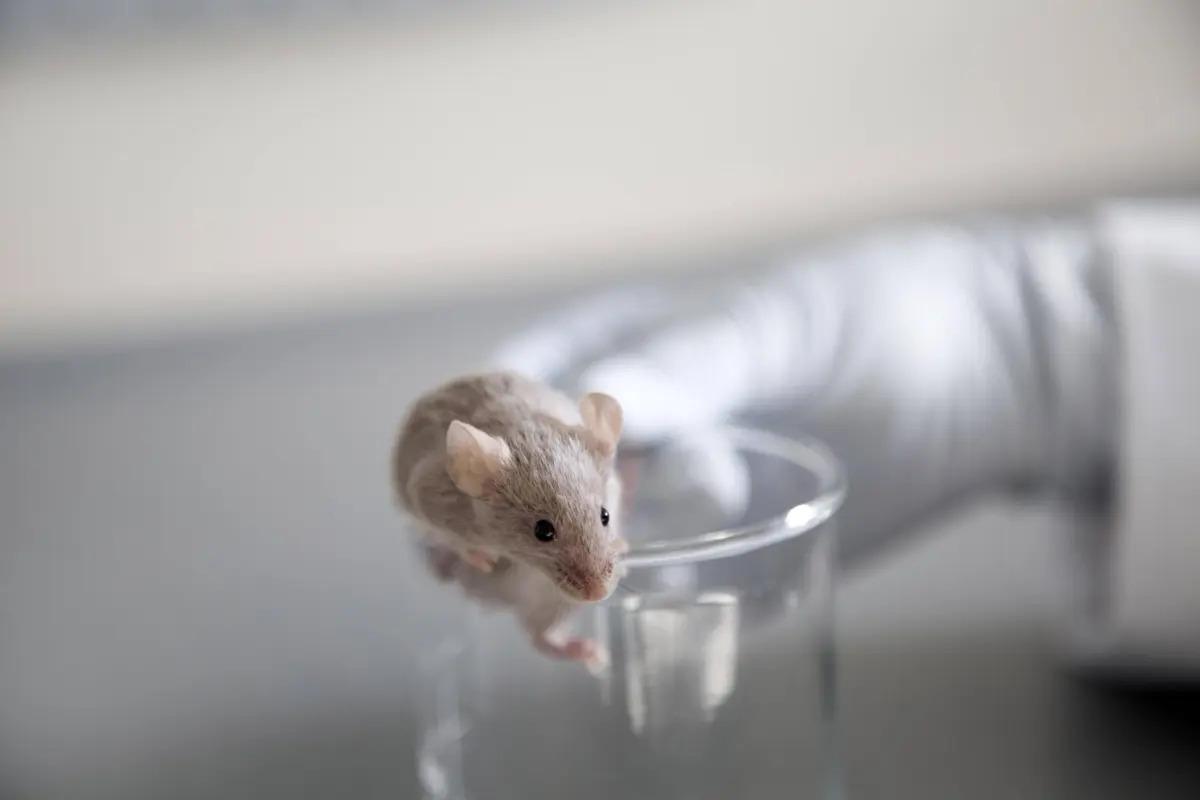
Scientists Create Treatment That Teaches The Liver To Produce The Effect Of Ozempic. Learn How This Could Change The Future Of Obesity And Diabetes!
Scientists from Osaka University in Japan announced in July 2025 a groundbreaking scientific advancement: a single injection of genetic nanoparticles transformed the livers of rats into small natural factories for exenatide, a substance found in medications like Ozempic.
The study, published in the journal Communications Medicine, demonstrated that the therapy reduced appetite, weight gain, and improved insulin response in obese and pre-diabetic rodents, maintaining effects for up to 28 weeks.
The experiment marks a new era in the use of genetic modification to treat metabolic disorders. Instead of weekly or daily medication applications, the treatment teaches the body to produce them on its own — an achievement that could, in the future, revolutionize medicine and the treatment of diseases like obesity and type 2 diabetes.
-
These living root bridges and ladders are over 700 years old and help indigenous people survive in one of the rainiest regions in the world.

-
From sertanejo star to international investor: Ana Castela invests millions in a mansion in the USA, creates a themed accommodation in Orlando, and shows that the “boiadeira” also wants to grow away from the stage.

-
The 10 most stunning motorhomes in the world: a $3 million trailer with a rooftop nightclub and garage for a Ferrari, “palaces on wheels” with Italian marble, private cinema, and five-star hotel luxury for billionaires.

-
Trump wanted to spend $400 million on the White House, but the courts prohibited the million-dollar construction.


What Is The New Genetic Treatment?
The research used CRISPR technology to edit the DNA of the rats and insert a modified gene into the liver. This gene began producing a synthetic and continuous version of GLP-1, a hormone that regulates blood sugar and is the basis for medications like Ozempic.
Unlike traditional injections, the effects of the therapy lasted for months. The naturally generated exenatide remained active in the animals’ blood for up to 28 weeks, demonstrating positive results with no significant side effects.
The Role Of The Liver And The Efficiency Of The Process
The liver was chosen for its high capacity for absorption and protein synthesis. With genetic modification, it assumed the role of an internal laboratory, continuously producing the medication.
The technique used lipid nanoparticles — small fat capsules — to transport the edited DNA. This approach is also used in RNA vaccines, such as those for Covid-19, reinforcing its safety and applicability.
Towards The End Of Frequent Injections?
Although the discovery has generated excitement, the scientists themselves warn that it is still early to celebrate the end of syringes.
The experience is a proof of concept, which means it shows that the technique is viable — but it is still far from being applied to humans. Nevertheless, the results offer new hope for those suffering from chronic diseases.
Why Is GLP-1 So Important?
GLP-1 is a natural hormone that acts in the control of glucose and appetite. It signals the body to release insulin and stop producing glucagon, preventing spikes in blood sugar.
In people with metabolic disorders, its production is deficient, which led to the creation of synthetic versions.
Medications like semaglutide (Ozempic) or liraglutide prolong the effect of GLP-1 in the body. But so far, all have required frequent administration.
The new method seeks a long-term solution that could make treatment more accessible and less invasive.
What Comes Next?
The technology is still in its early stages. To reach human application, rigorous clinical tests will be necessary to evaluate long-term safety.
Additionally, researchers will need to prove that the same success seen in rats can be replicated in more complex human organisms.
Even so, the study paves the way for a future where the body itself produces its medications, reducing costs, improving adherence to treatment, and most importantly, offering a new strategy in the fight against metabolic diseases.
The possibility of transforming the liver into an internal laboratory that continuously produces therapeutic substances like Ozempic represents a turning point in genetic medicine.
With further testing and advancements, genetic modification could be the key to combat obesity, diabetes, and other chronic conditions more efficiently, safely, and durably.








Seja o primeiro a reagir!