





 Portuguese
  English
  Spanish
  3 min of reading
  0 comments


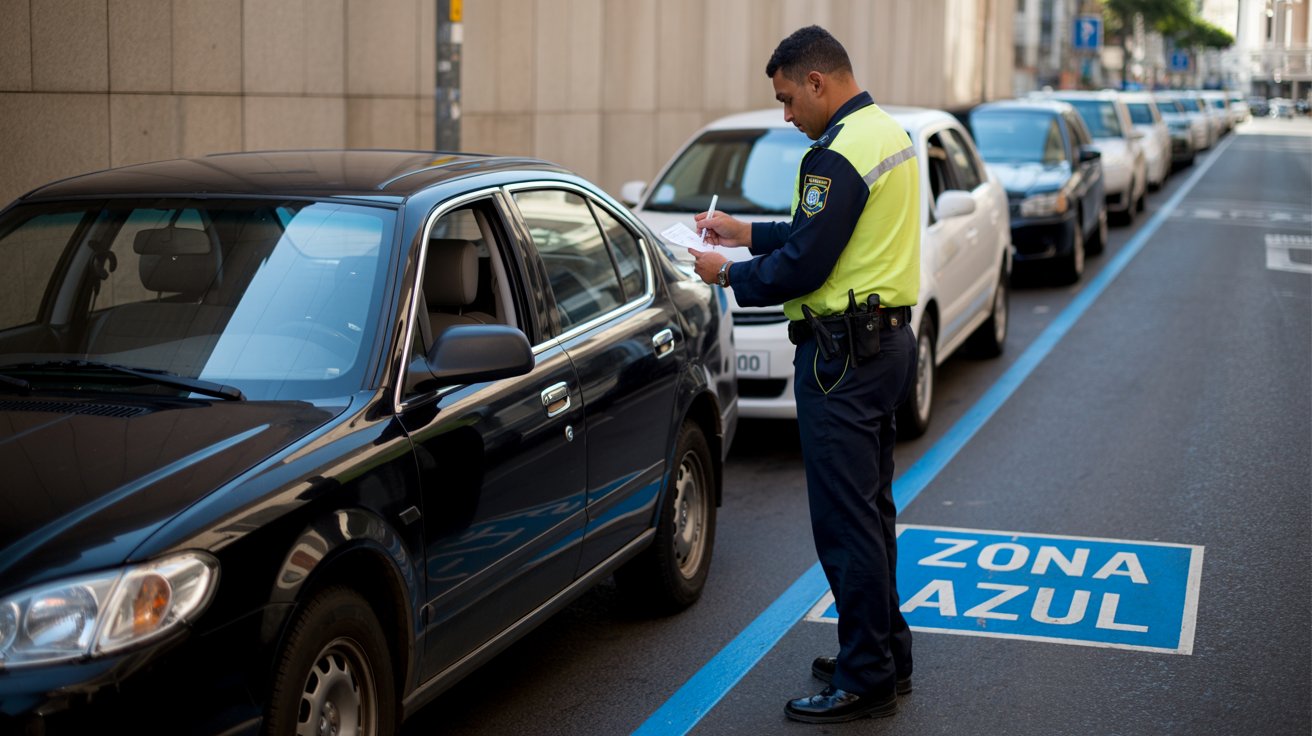
Brazilian Cities Adopt The Blue Zone System To Organize The Use Of Public Parking Spaces In Central Areas, But Drivers Face Technical Difficulties, Predatory Enforcement And Increased Penalties. The Charging For Parking On Public Roads Generates Controversies And Raises Suspicions About The Real Purpose Of The Model.
Created To Control The Length Of Stay Of Vehicles In High-Demand Areas, The Rotating Parking System Was Initially Implemented In São Paulo In 1974, And Today It Is Present In Hundreds Of Municipalities. Known As Blue Zone, Or Blue Stripe, The System Is Presented As A Solution For Urban Mobility, With Promises Of Greater Turnover, Traffic Organization, And An Incentive For Public Transportation.
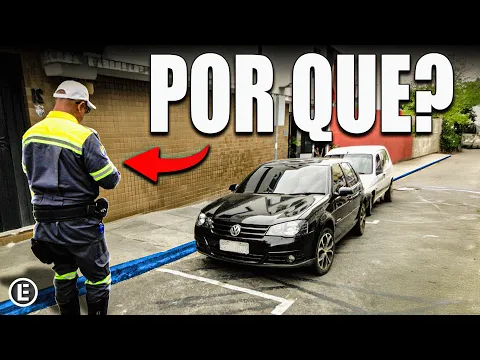
Payment Can Be Made Via App Or Physical Cards, Depending On The City. However, Failures In Infrastructure, App Instability, And The Absence Of Physical Kiosks Make Access To The Service Difficult. Many Drivers Report Being Fined Even After Attempting To Comply With The System’s Rules.
Technology Failure, Strict Enforcement And Excessive Fines
With The Digitization Of The System, Traffic Agents Use Apps To Check If The Vehicle Has Activated Credit. In Some Cities, Vehicles Equipped With Cameras And GPS Have Begun To Enforce Parking Regulations, Automatically Registering License Plates And Locations. Failure To Comply With The Rules Can Result In Fines Of R$ 195.23 And Five Points On The Driver’s License.
-
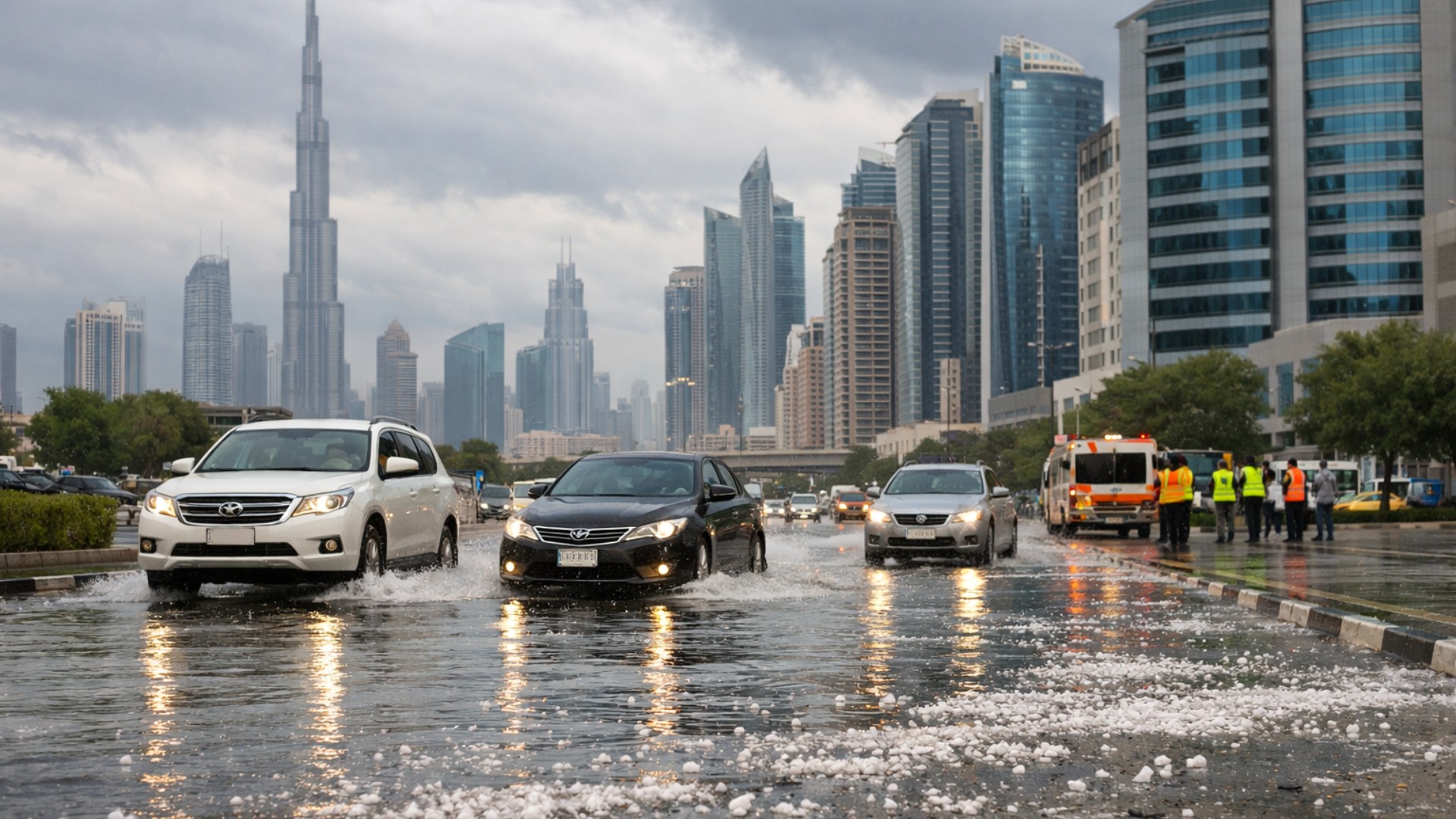
A rare storm transformed part of the Gulf into an unlikely scene of hail, extreme rain, and tornado risk in the middle of the desert, with volumes that exceeded the annual average in a single day.
-
Brazil catches the world’s attention with ships powered by ethanol and biodiesel that have lower emissions, an unprecedented certification with advantages in chartering, and a revolution in cabotage.

-
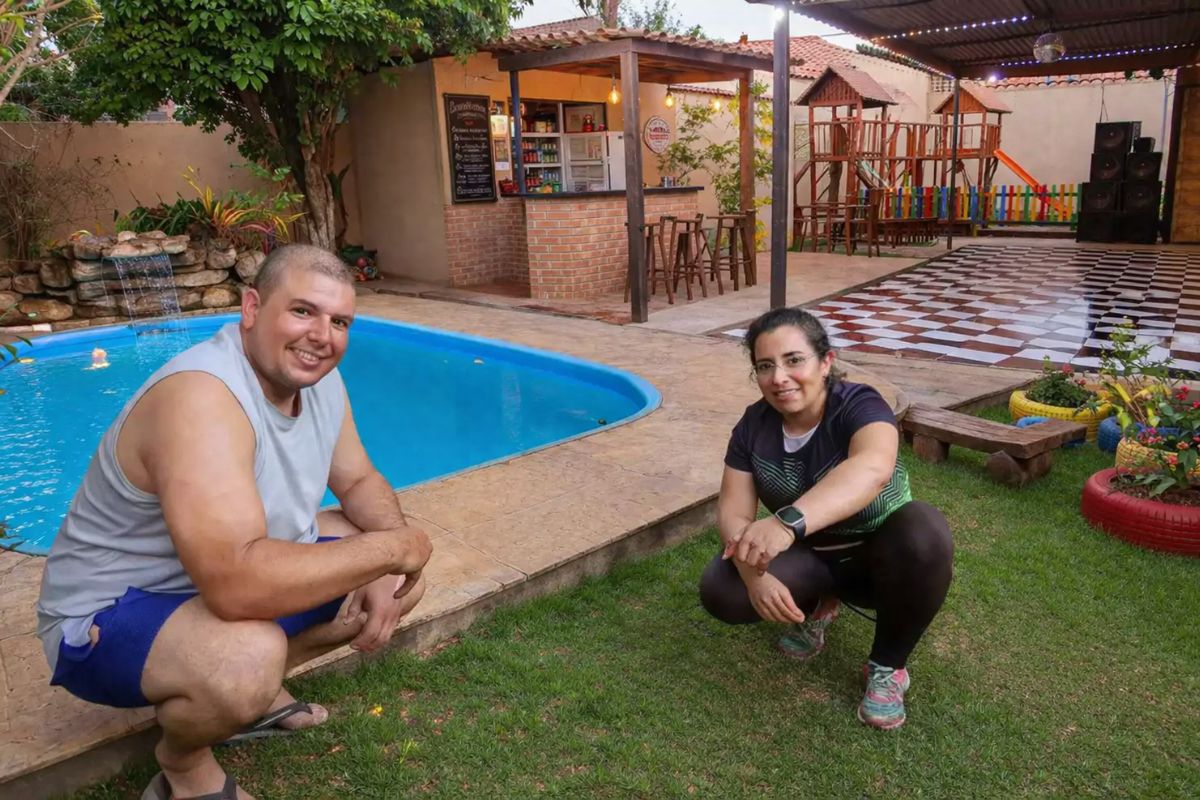
A couple who only has Sundays free has built a hand-dug pool, a hamburger joint, a dance hall, and a playground in their own home without hiring a mason, and even with breaks due to accidents and the pandemic, the work has never truly stopped.
-
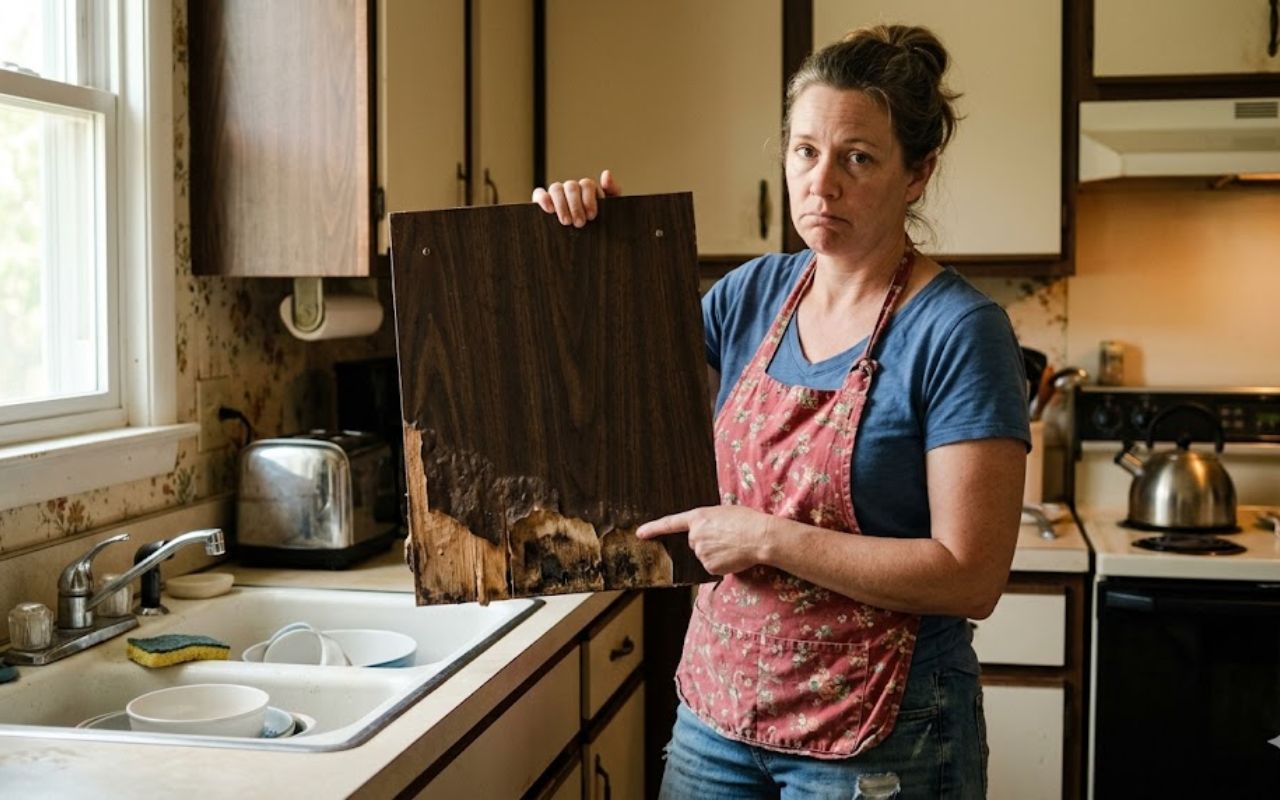
Furniture made with aluminum and glass does not warp and has become an alternative to replace MDF in Brazil.

In Capitals Like São Paulo, The Maximum Length Of Stay Varies From One To Three Hours, Depending On The Region. In Cities Like Cuiabá And Porto Alegre, Drivers Still Have The Option To Pay A Regularization Fee Before Receiving A Formal Fine. Nonetheless, Complaints Of Predatory Approaches By Inspectors Are Common.
Moreover, The System Excludes A Large Portion Of The Elderly, Who Have Difficulty Using Digital Platforms. The Requirement To Download Different Apps In Each City Also Causes Confusion And Inconvenience For Those Moving Between Municipalities.
Millionaire Revenue And Complaints Of Irregularities
In Fortaleza, The City Collected Around R$ 2.4 Million From The Blue Zone Between January And October 2022, According To The Newspaper O Povo Mais. Despite The Promise To Invest The Resources In Urban Mobility, Part Of The Population Questions The Transparency In The Use Of Funds.
In Araçatuba, The Company Responsible For Managing The Rotating Parking System Is The Target Of Complaints To The Public Ministry, Including Suspicions Of Collusion With Public Agents And Abuse In The Number Of Fines Issued During The Pandemic. The Investigations Demand The Suspension Of Charges And Investigate A Possible “Industry Of Fines.”
Cases Of Theft Or Damage To Parked Vehicles Are Also Reported, But Compensation From The Government Is Rare. According To Jusbrasil, If There Is Charging, There Should Also Be Responsibility. However, Court Rulings Frequently Disfavor Drivers.

Billion-Dollar Concessions, Lack Of Transparency And Criticism Of Management
The Study “The Stationed City,” By João Melhado, Criticizes The Granting Of The Blue Zone In São Paulo To The Company Estapar For R$ 1.3 Billion. According To The Author, The City Could Collect More By Keeping The System Under Public Management With Adjustments To The Prices. The Current Model Imposes Uniform Prices, Without Considering The Demand Of Each Region.
Another Point Highlighted Is The Use Of The Urban Curbs. Instead Of Parking Lots, This Space Could Be Converted Into Leisure Areas, Sidewalks, Exclusive Lanes Or Bike Paths. Additionally, The Concession Contracts With Private Companies Limit Public Policy For Up To 15 Years.
Finally, There Is Concern Regarding The Use Of Personal Data From Drivers. In Some Cities, Concessionaires May Access This Information Without Transparency About Its Purpose. This Raises Questions About The Security And Commercial Use Of These Data.
The Information Was Extracted And Adapted From The Script Published By The Channel Elementar On YouTube, Which Investigates The Implementation, Operational Challenges And Impacts Of The Blue Zone System In Various Cities Across Brazil.




-

Uma pessoa reagiu a isso.