





 Portuguese
  English
  Spanish
  3 min of reading
  0 comments


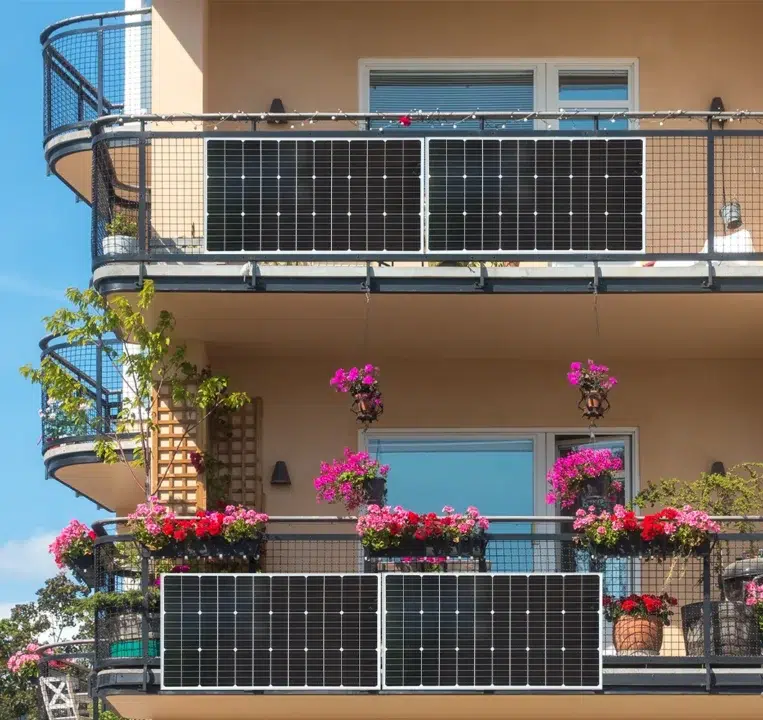
Germany Leads A New Global Trend With Portable Solar Panels. European Country Advances In The Sector With Photovoltaic Panels Installed On Balconies And Even On Sidewalks.
The landscape of residential streets in some German cities is changing. It is increasingly common to find photovoltaic solar panels installed on balconies, facing the sidewalks, instead of on roofs. This trend of portable photovoltaic panels is starting in Germany and helping to supplement the generation of clean energy in homes.
Germany Begins To Use Portable Solar Panels On Sidewalks And Balconies
A report from The New York Times highlighted this new aspect of the German energy sector, transformed by brands primarily from China. The growing habit may not alone promote a revolution in the climate crisis; however, it helps to show that alternative energy sources can be used in everyday life.
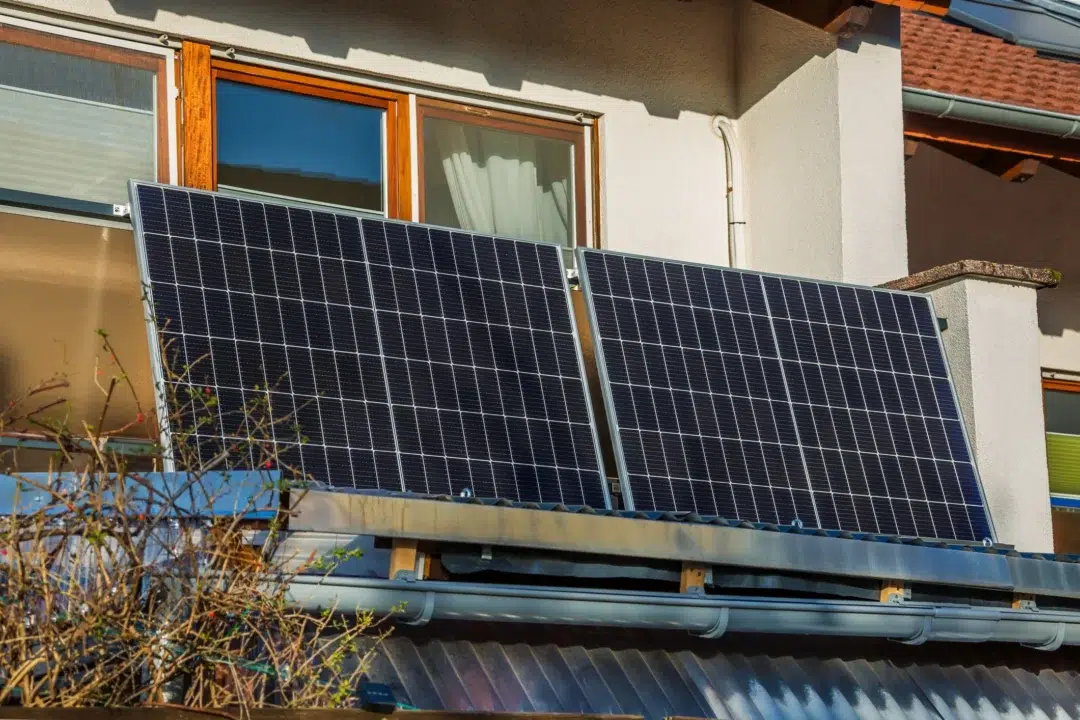
The most popular models of home photovoltaic panels in Germany are the lightest and smallest. Solar panels are installed without the need for advanced technical knowledge or the presence of a professional. Portable solar panels are in plug-in format and typically include, in addition to the panel itself, an inverter and a charge controller.
-
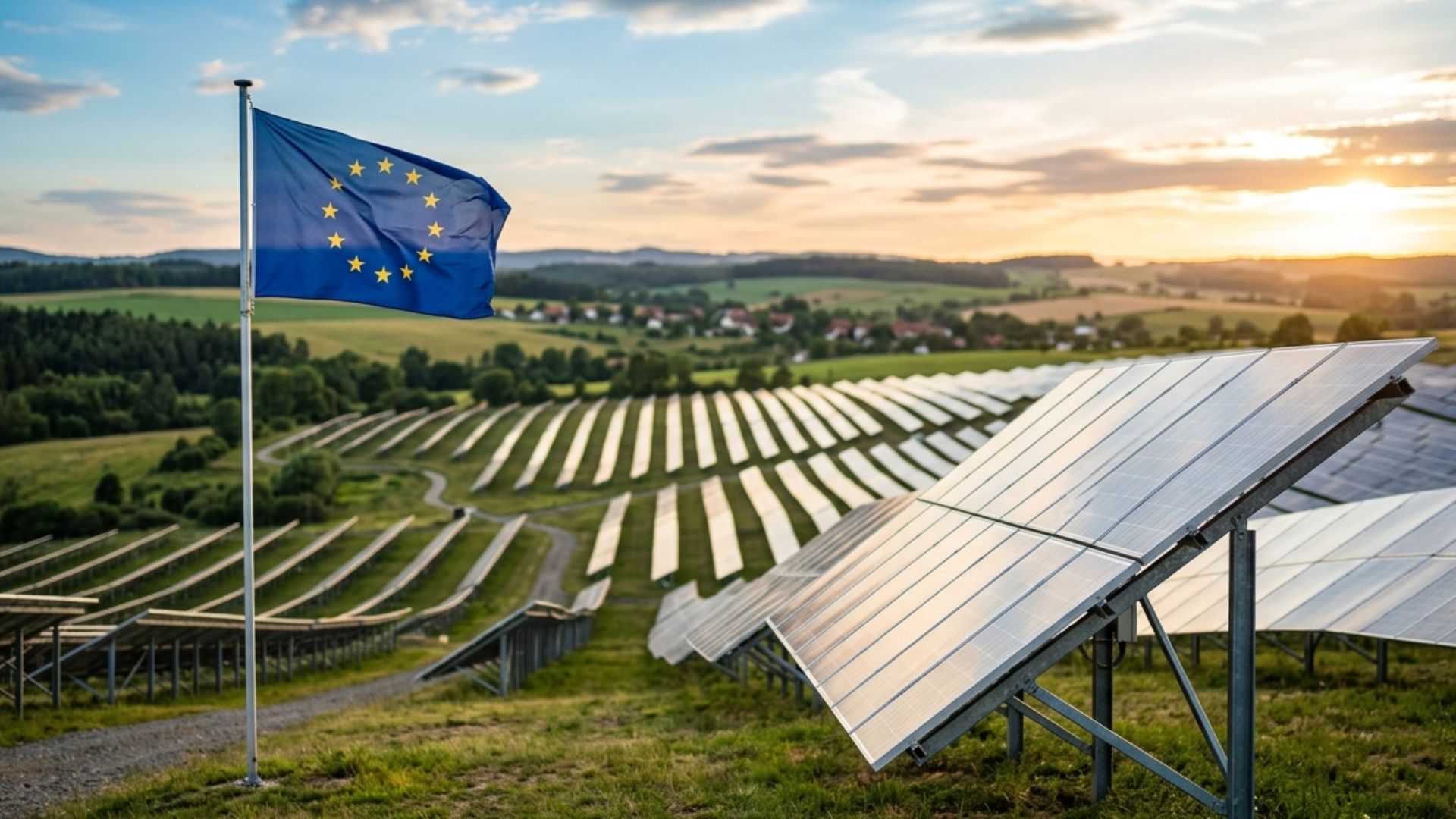
Europe records strong euro economy with solar energy in March and sparks curiosity about which country leads growth that redefines the energy market and reduces costs.
-
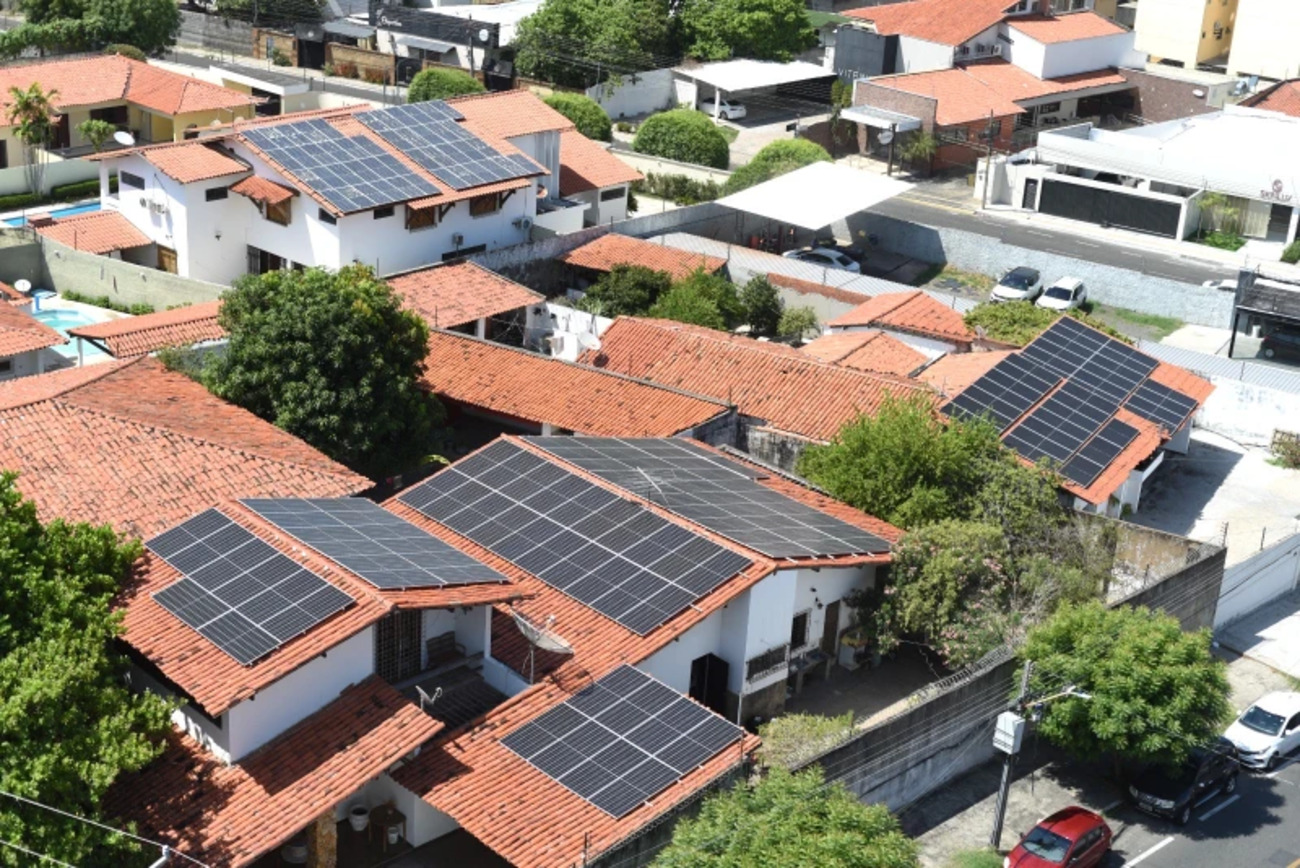
Piauí reaches a historic milestone in energy transition: State records nearly 160,000 households powered by solar energy and leads growth in the Northeast.
-
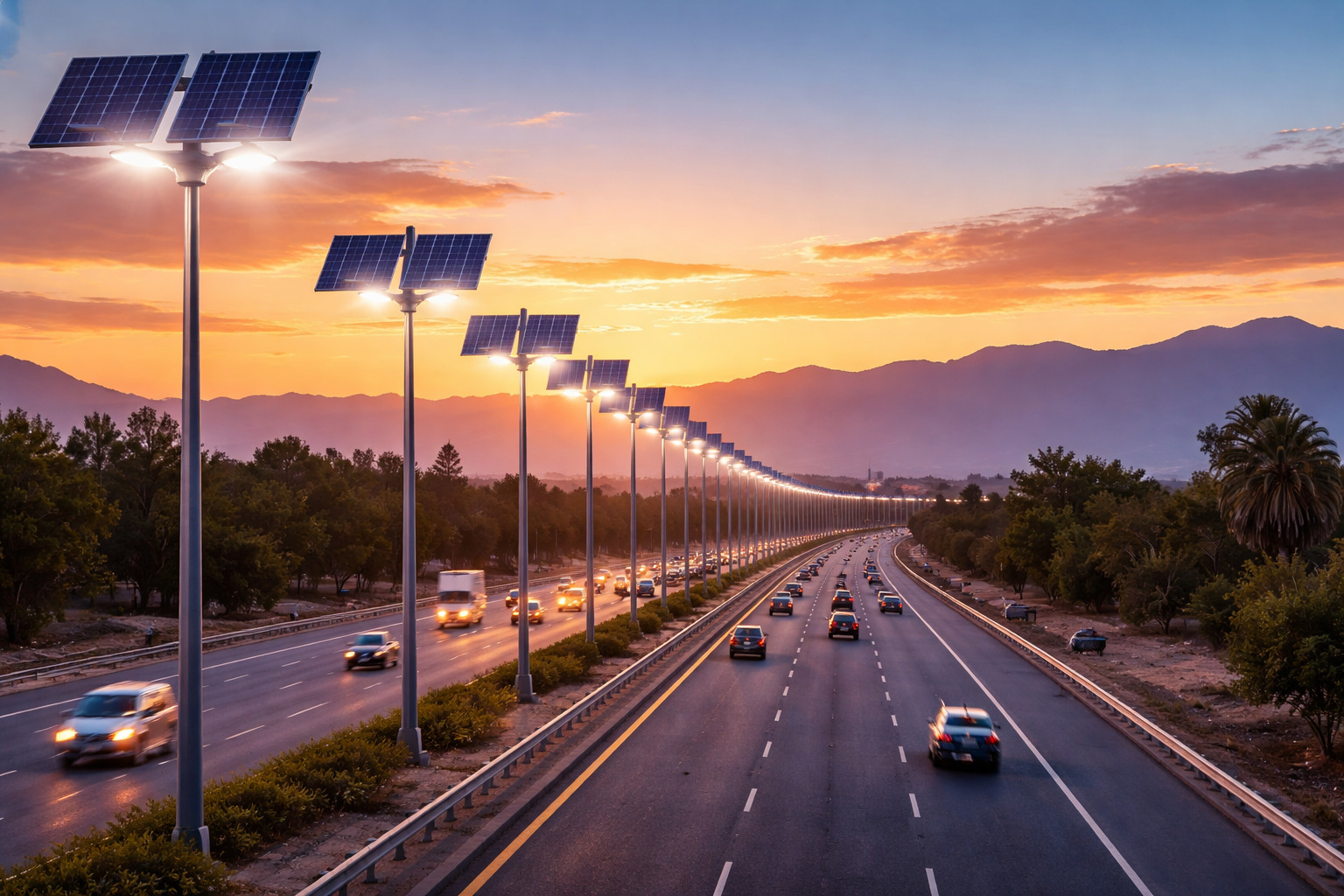
Argentina debuts its first 100% solar-powered highway and transforms an entire road into a showcase of clean energy.
-
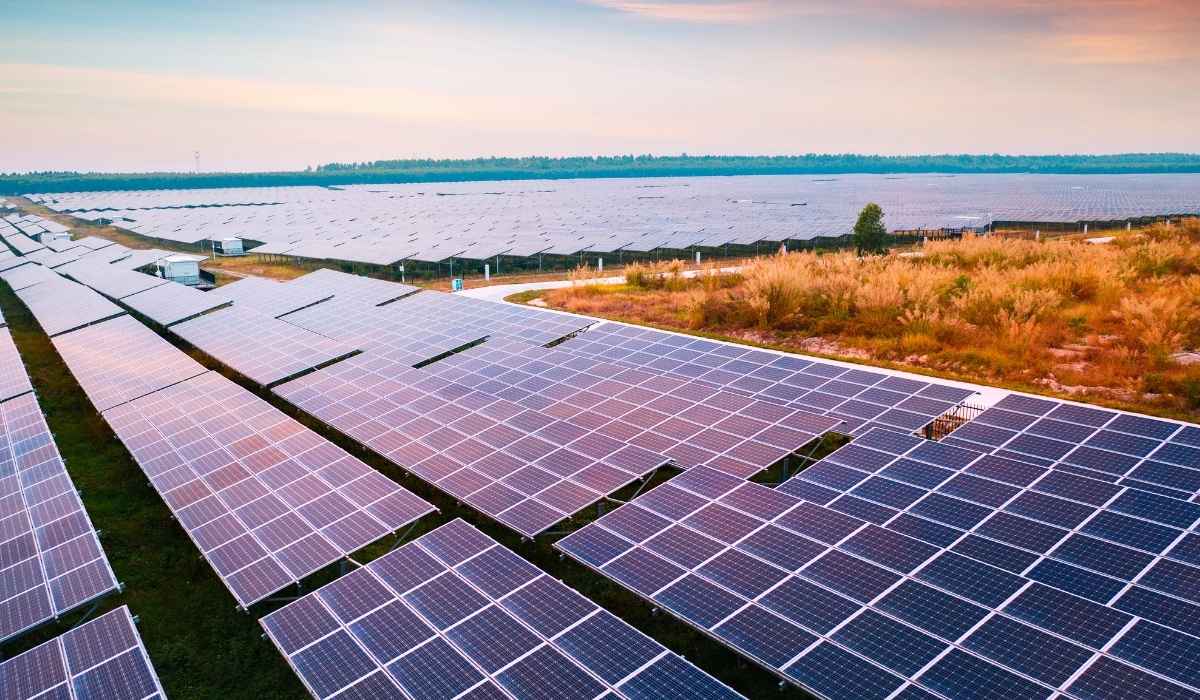
Minas Gerais reaches a historic record and surpasses the power of Itaipu, but network costs generate debate: Understand why solar energy in MG impacts the electricity bill of those without panels.

Depending on the models of photovoltaic panels, they do not necessarily need to be connected to the power grid to supplement energy generation, as the electricity generated may be sufficient for moderately consuming electronics, such as a computer or mini-fridge.
The best-selling portable panels in their current format cost around 200 euros in Germany, about R$ 1,2 thousand in direct conversion to our currency. Those models that connect to the power grid can cost up to double.
Energy generation and electricity consumption in Germany are controlled through applications. Some more advanced units come with their own battery, which is used to store energy and use it when needed.
Understand Why Germany Started Investing In Portable Solar Panels
According to data from the German government, over 500,000 of these systems with photovoltaic panels have already been installed, and the government has even relaxed sector regulations to boost this adoption. Nationwide, there was a 10% increase in energy generated from solar capture in July 2024 compared to the end of last year, especially thanks to balcony solar panels.
Although Germany saw the largest registered growth, other European countries are also using domestic solar equipment.
The crisis involving the war, which began in 2021 with Russia, a supplier of energy in the form of natural gas to various countries on the continent, has accelerated the use of these alternatives.
The popularization of portable solar panels is also seen in the renewal of the audience. Older individuals, homemakers, and entire families are acquiring panels, along with young people who have always been naturally interested in this technology and seem more concerned about climate issues.
Brazilian Solar Energy Market Receives Billion-Dollar Investments
Setting aside Germany’s energy sector, data from the National Electric Energy Agency show that the country closed the first half of the year with over 8 billion reais invested in new solar energy installations. The country gained about 400,000 new installations of its own solar energy generation in homes this year.
The growth in residences this year represents half of all the expansion of private photovoltaic generation in the country, including businesses, industries, and rural properties. According to Portal Solar, the use of solar energy by residential consumers has been driven by a 40% drop in equipment prices over the past year.





Seja o primeiro a reagir!