





 Portuguese
  English
  Spanish
  3 min of reading
  0 comments



New Ultrathin Solar Panel Technology Promises to Increase Energy Efficiency and Reduce Dependence on Large Solar Farms.
A revolution is about to transform the way we capture and use clean energy. Researchers at Oxford University in England have developed a new technology for ultrathin solar panels that can be applied to virtually any surface, from building rooftops to the back of a smartphone. This innovation promises to increase the efficiency of solar energy capture and reduce dependence on large solar farms that occupy vast stretches of land.
Ultrathin Perovskite Panels
The ultrathin solar panels developed by Oxford scientists are made of perovskite, a material that has proven to be extremely efficient in absorbing sunlight. Unlike conventional solar panels that use silicon and capture about 22% of solar energy, the new perovskite panels can convert up to 27% of sunlight into energy. This represents a significant increase in efficiency, and researchers believe this rate could exceed 45% in the near future.
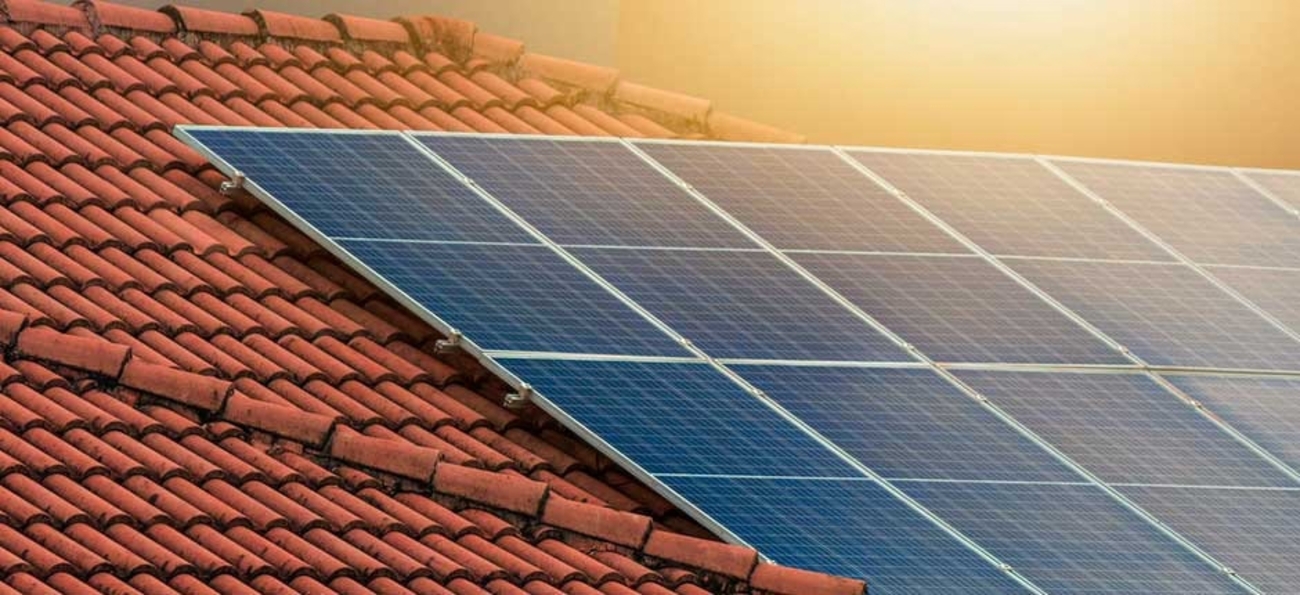
The major differentiator of this technology lies in its versatility. With a thickness of just over one micron – 150 times thinner than the silicon wafers used in traditional solar panels – these coatings can be applied to a variety of surfaces, from plastics to paper, using simple techniques such as inkjet printing.
-
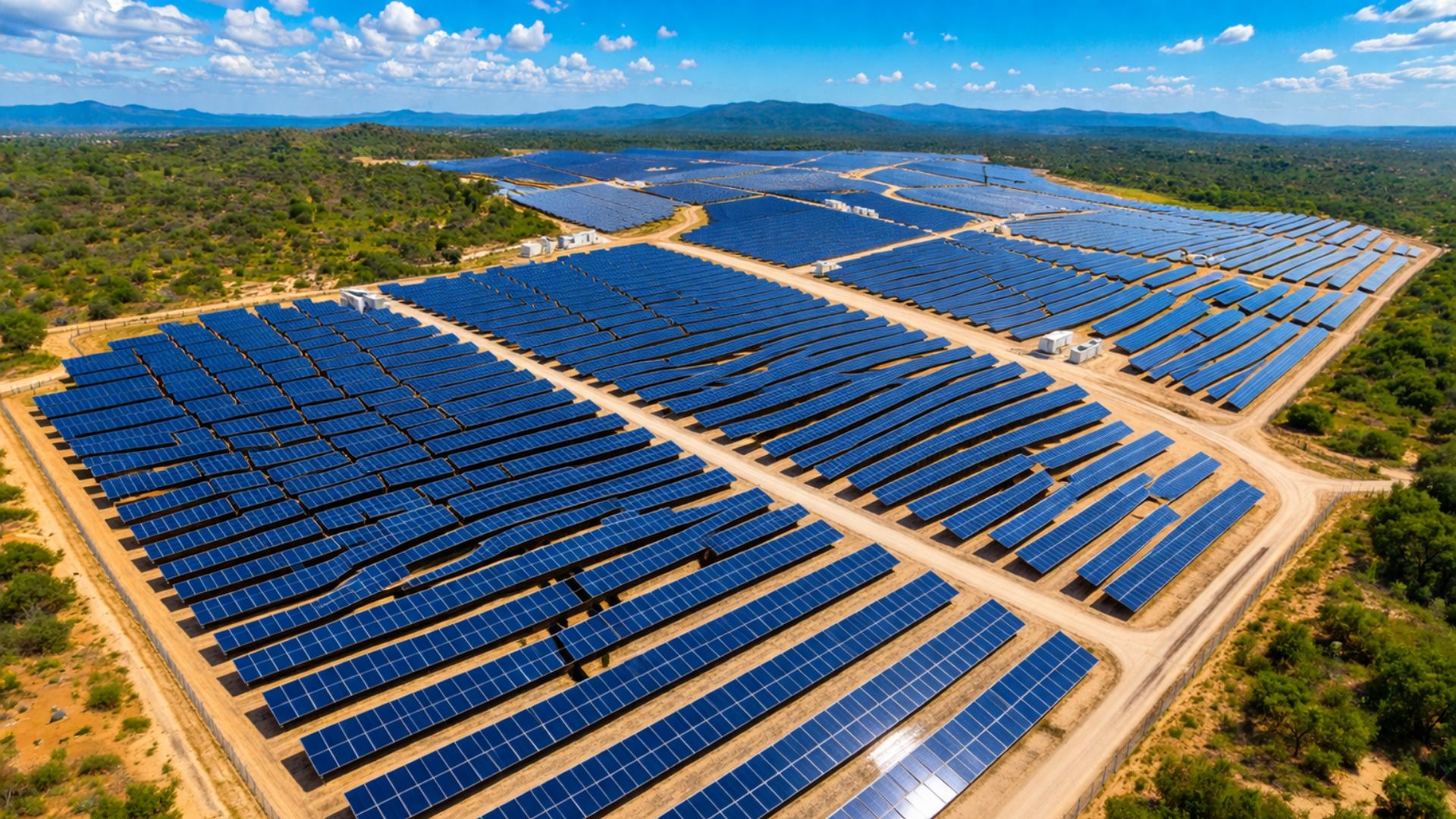
The Sol do Agreste Photovoltaic Complex begins operations in Pernambuco and accelerates the expansion of solar energy in Brazil, directly impacting the reduction of emissions and strengthening the sustainable energy matrix.
-
Haiti’s capital is experiencing an energy and construction crisis, facing blackouts, a blocked port, and buildings at risk after years of instability and a significant earthquake.

-
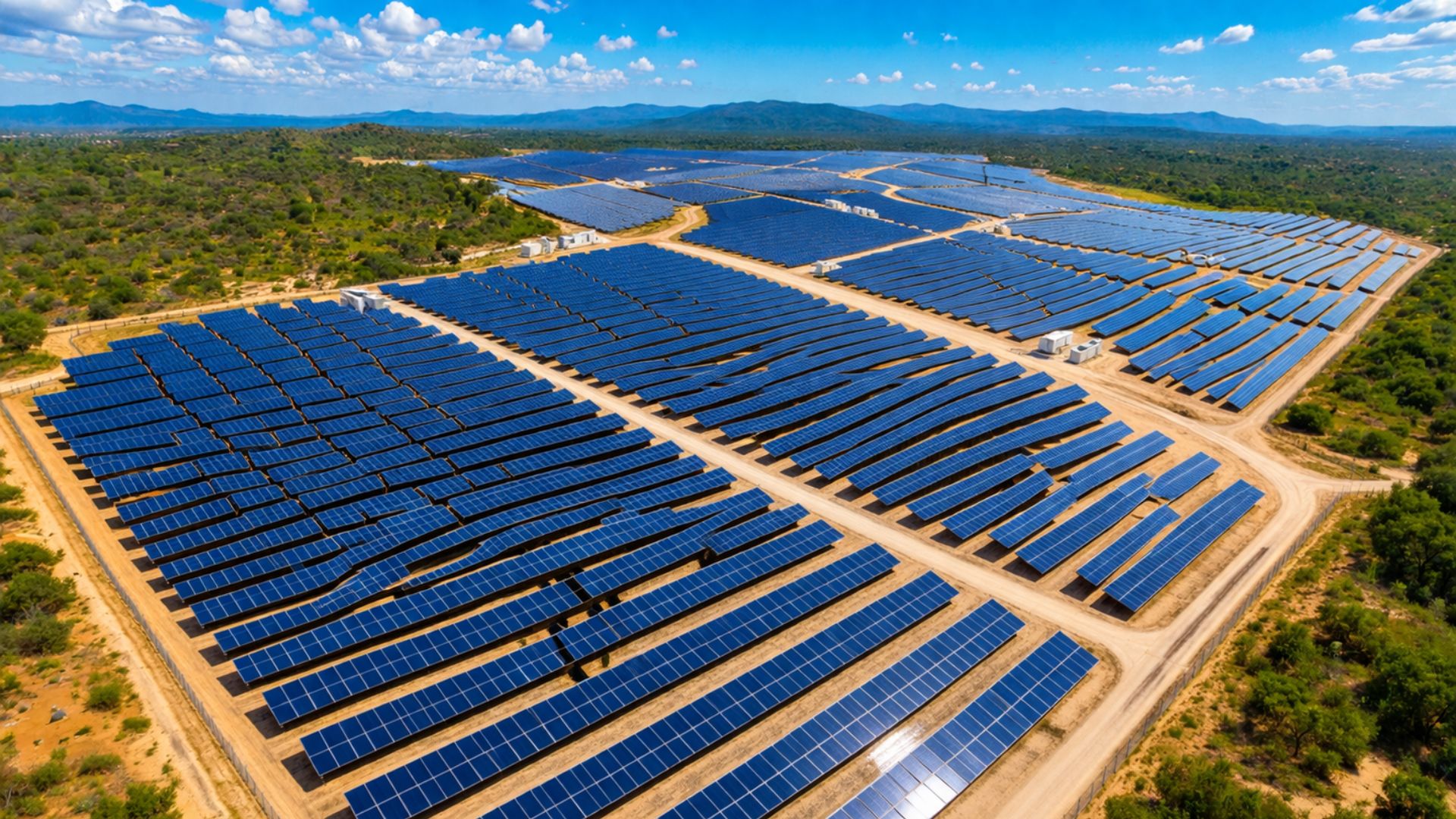
The Sol do Agreste Photovoltaic Complex begins operations in Pernambuco and accelerates the expansion of solar energy in Brazil, directly impacting the reduction of emissions and strengthening the sustainable energy matrix.
-
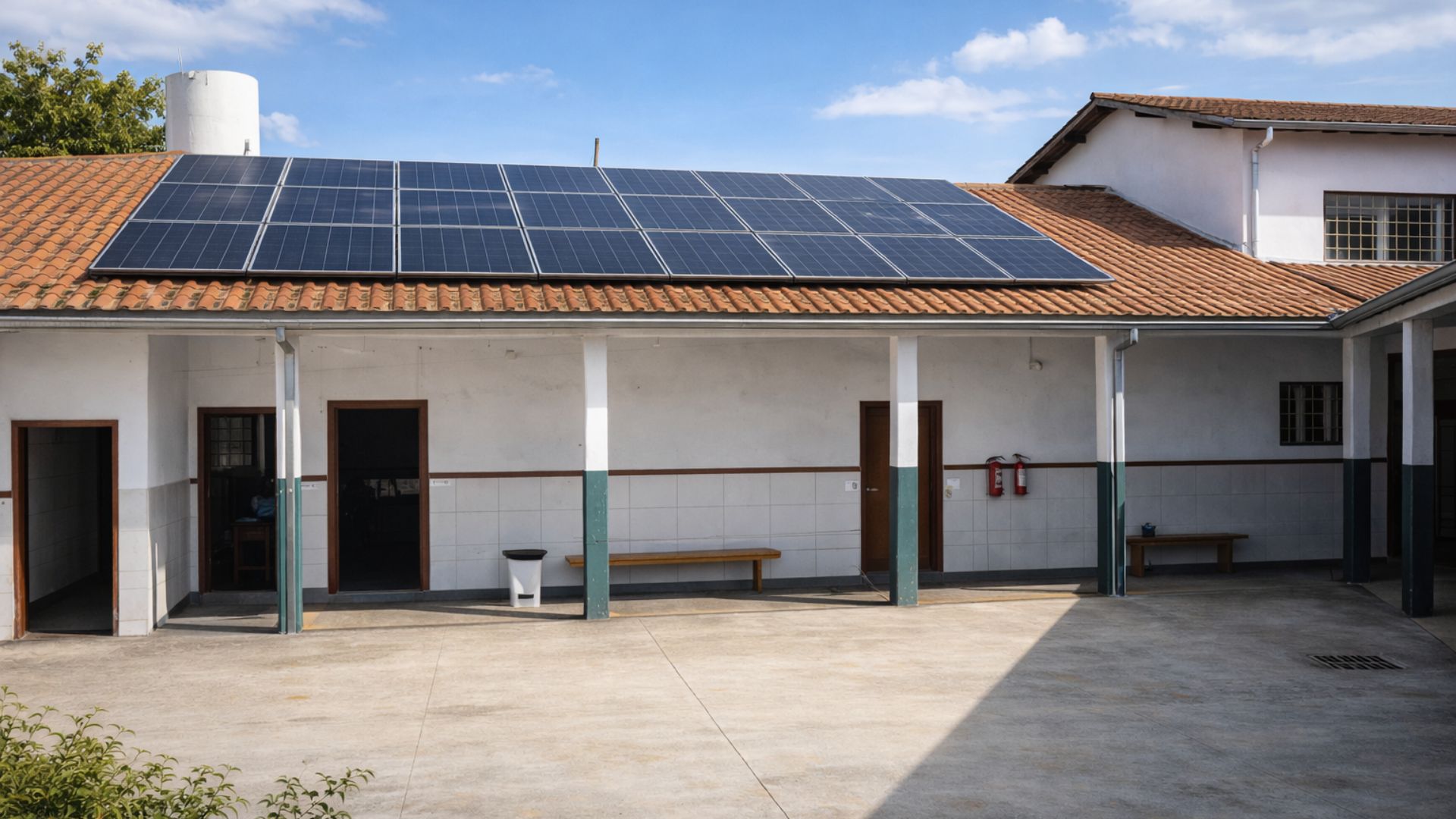
Roraima bets on the sun to escape high tariffs: Amid the energy crisis and price hikes, solar energy is growing in Roraima and transforming consumption in the North region.

How Ultrathin Panels Can Transform Solar Energy?
The development of ultrathin solar panels comes at a crucial time for clean energy. With climate change intensifying, the need to transition to renewable sources becomes increasingly urgent.
Solar energy, one of the fastest-growing sources of electricity globally, has seen a boom in its adoption. According to Wood Mackenzie, solar panel installations grew by 80% in 2023, marking the 19th consecutive year that solar energy has been the fastest-growing source of electricity.
However, this growth brings challenges, especially concerning the space required to install large solar farms. These installations, which often occupy agricultural land or conservation areas, can generate conflicts and limit the expansion of solar energy. This is where ultrathin solar panels enter as a promising solution.
By allowing any surface to become an energy source, this technology can relieve pressure on land use and expand solar energy capture to urban and industrial environments.
From Roofs to Smartphones
The flexibility of ultrathin perovskite solar panels opens up a world of possibilities for clean energy. Junke Wang, one of the scientists involved in the project, explains that these coatings can be applied to various surfaces, from car and building rooftops to the backs of mobile phones.
“We can envision perovskite coatings being applied to a wider range of surfaces to generate cheap solar energy,” says Wang.
This versatility not only facilitates the adoption of solar energy across different sectors but also can reduce production and installation costs. By integrating ultrathin solar panels directly into products such as vehicles and mobile devices, solar energy can become even more accessible and widespread.
Obstacles in Implementation of New Technology
One of the main obstacles faced by this new technology is the stability of perovskite coatings. In laboratory conditions, some of these coatings have proven to be less durable than traditional solar panels, dissolving or breaking within short periods of time. The Oxford team is working to improve the durability of materials and ensure that the technology can be commercially scaled.
Henry Snaith, head of the research team at Oxford, believes that with the necessary improvements, the technology has enormous commercial potential. “The latest innovations in solar materials and techniques demonstrated in our laboratories could become a platform for a new industry, manufacturing materials to generate solar energy more sustainably and cheaply,” explains Snaith.
Oxford PV, a spin-off from Oxford University, has already begun manufacturing perovskite solar panels at its factory in Germany. This indicates that, although there are still challenges to overcome, the commercialization of this technology may be closer than anticipated.









Seja o primeiro a reagir!