





 English
  Francês
  Alemão
  Italiano
  Japonês
  Norueguês
  Portuguese
  Spanish
  3 min of reading


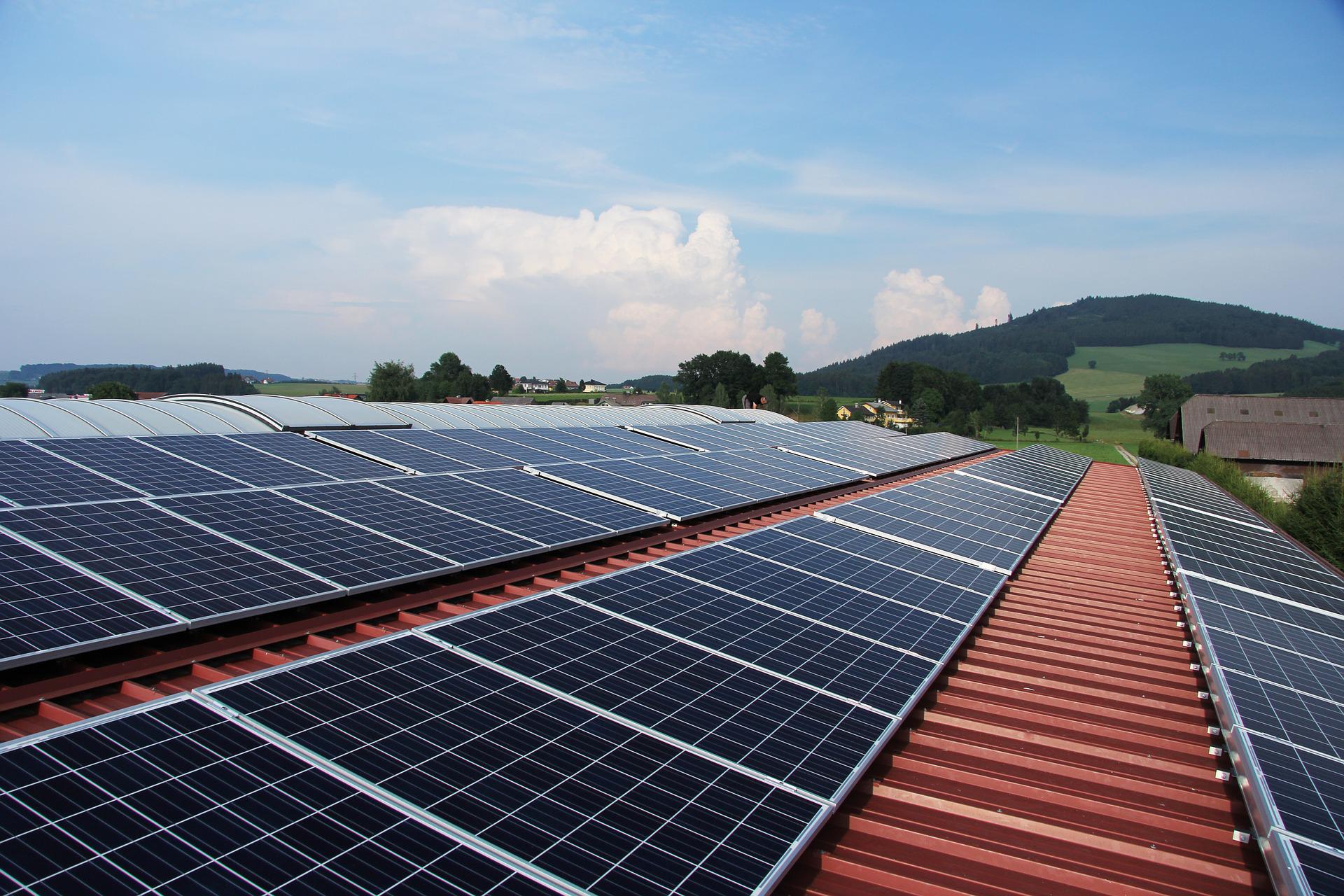
Origami Solar Developed A New Panel For Solar Energy Production Aimed At Reducing Carbon Dioxide Emissions In The Environment By Up To 94%, Successfully Surpassing Existing Technologies. In Summary, Current Aluminum Panels Have A Height Of 40cm While This New Development Allows An Even Thinner Technology, At About 35 nm, Using Steel.
Steel Has Shown Considered More Satisfactory Results In Various Aspects, From Rigidity To Stability Or Production Compatibility. Another Aspect Is That, With The Use Of This New Material, Which Had Not Previously Been Used In Solar Energy Production Panels, It Achieves An Exponential Cost Reduction, Which Can Assist Companies In Their Energy Transition Processes.
“The [Steel] Structures Did A Better Job Of Protecting The Laminate From The Initiation And Propagation Of Cracks In The Cells, Which Is Critical For Reliable Long-Term Energy Production,” Said Samuel Truthseeker, Founder And Lead Engineer Of TECSI Solar. “Our Office Concluded That The Origami Steel Structure Is A Suitable Candidate For Replacement Of Extruded Aluminum Photovoltaic Module Structures And Can Provide Significantly Better Performance If Properly Designed.”
Decrease In Dependency On China For The Production Of Photovoltaic Panels For Transition Using Solar Energy
Currently, The Chinese Dominate A Large Portion Of Aluminum Production, Making Many Countries Dependent. However, With This New Discovery, Other Countries Will Also Be Able To Assist In The Energy Transition By Providing A Cheaper And Sturdier Metal [Steel], Thus Reducing The Dependency That Many Countries Have For The Production Of Photovoltaic Solar Panels.
-
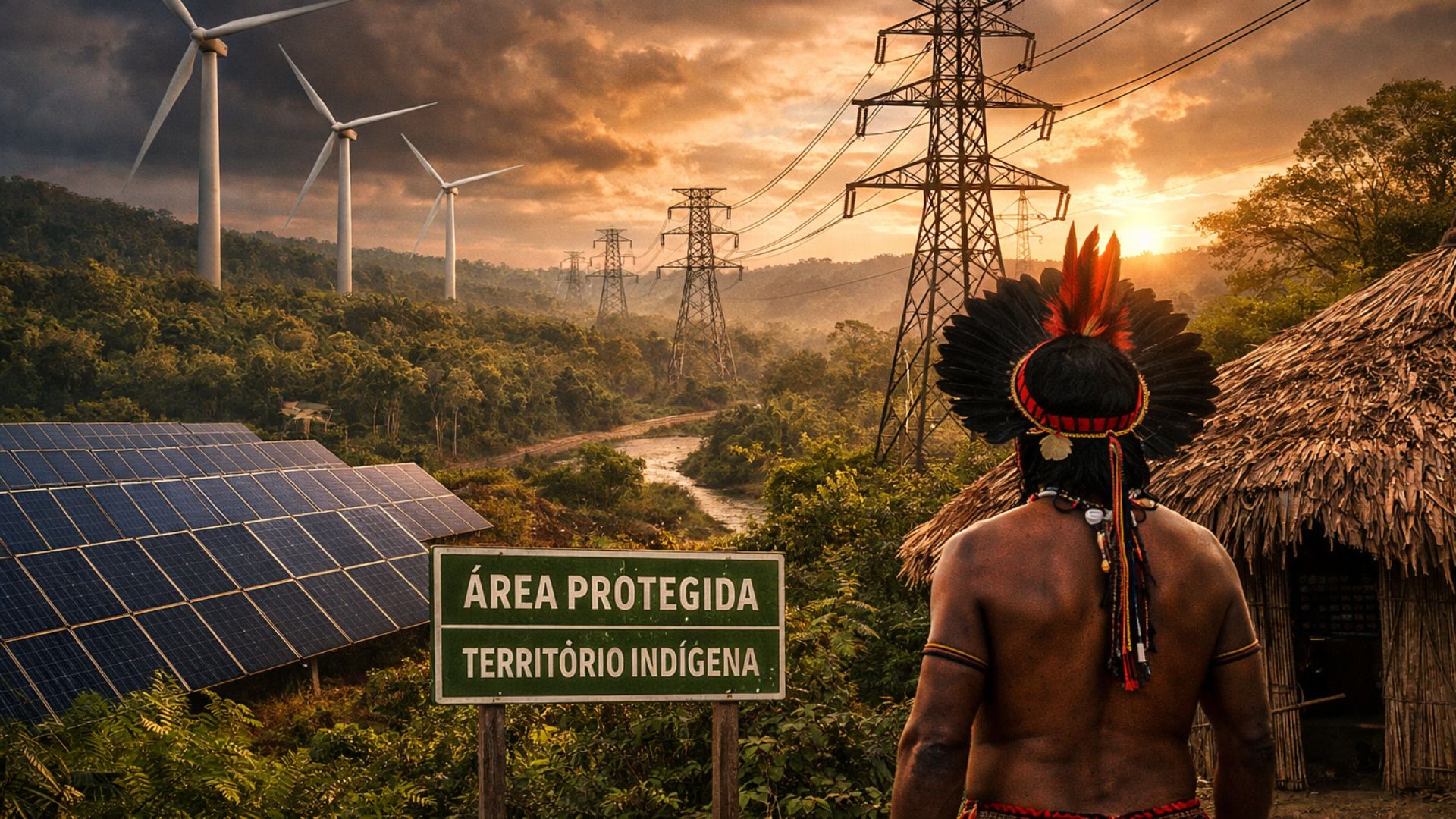
Renewable energy advances over protected areas in Brazil, and a survey by the Energy Transition Observatory reveals silent impacts that challenge environmental conservation and pressure sensitive traditional territories.
-
Rio Grande do Sul accelerates energy transition: State invests in renewable technologies and consolidates decarbonization strategies and pathways to attract billions in new industrial investments.

-
With 160,000 m² of collectors, an area larger than 20 football fields, Silkeborg, in Denmark, hosts a solar thermal plant that heats 19,500 homes and could become the largest solar heating plant in the world.

-
A study reveals the expansion of renewable energy procurement in Brazil and shows how companies are taking advantage of opportunities to reduce expenses, ensure energy efficiency, and strengthen strategic environmental commitments.

By Using Steel In The Domestic Supply Chain, It Is Possible To Reduce The Risks Of Aluminum Supply Shortages. A Shortage Could Cause The Metal To Experience A New Increase With Its Elevated Demand.
An Article Published By Boundless Impact Research And Analytics Shows Quite Interesting Data, As Using Steel For Solar Energy Production Can Reduce CO2 Emissions By Up To 94% When The Metal Is Produced In Germany Or By 87% When The Metal Is Produced In The United States.
Many Solar Panel Technologies Are Being Created For A Cheaper Energy Transition
Many Solar Panel Technologies Are Being Developed For A Cheaper Energy Transition Driven By Companies. A Clear Example Of This Is The Mexican Startup Greenfluidics, Which Has Developed A Photovoltaic Panel Capable Of Producing Energy And Reducing The Release Of Carbon Dioxide Through Marine Algae. In Summary, It Would Work As Follows:
- The Marine Algae Perform Their Photosynthesis Process And, As A Result, Release Energy That Will Be Converted For Household Use.
- In Order To Generate Energy, The Algae Need To Extract A High Load Of Carbon Dioxide From The Environment, Meaning That While Reducing Dependency On Coal And Other Unsustainable Sources, They Help In The Production Of O2 Through Photosynthesis.
Another Notable Company Is The German RWE, Which Is Studying Ways To Bring Sustainable And Renewable Energy To Offshore Environments. The Institution Is Developing An Ultra-Light And Thin Solar Panel That Could Float On The Sea. One Of The Advantages Is That They Can Be Spread Out In Large Quantities Like Sea Mats, Therefore Not Occupying Land Space.







Seja o primeiro a reagir!