





 Portuguese
  English
  Spanish
  6 min of reading
  0 comments


While Neighbors Showcase Megaprojects of Skyscrapers, Oman Bets on US$ 5 Billion Smart Cities, Low Neighborhoods, Renewable Energy, and Urban Planning to Diversify the Economy, Attract Tourists, and Prepare the Country for a Post-Oil World by 2045, with Transport, Housing, and Wadis Preserved, Reducing Dependency on Oil Revenue
In 1970, Oman was one of the world’s most isolated countries, with about 10 kilometers of paved roads and a large part of the population lacking access to electricity or drinking water. Half a century later, in 2023, the country was already receiving more than 3 million tourists a year and discussing how to use megaprojects to face the predicted peak in global oil demand around 2030.
In that time, Oman decided to take a different path from Saudi Arabia, the United Arab Emirates, and Qatar. Instead of erecting forests of skyscrapers, the sultanate launched a smart cities package budgeted at around US$ 5 billion, aligned with Vision 2040 and phased until 2045, prioritizing compact neighborhoods, renewable energy, basic infrastructure, and public mobility instead of gigantic architectural icons.
How Oman Redefined the Logic of Megaprojects in the Gulf

Oman’s neighbors have used megaprojects to make a rapid mark:
-
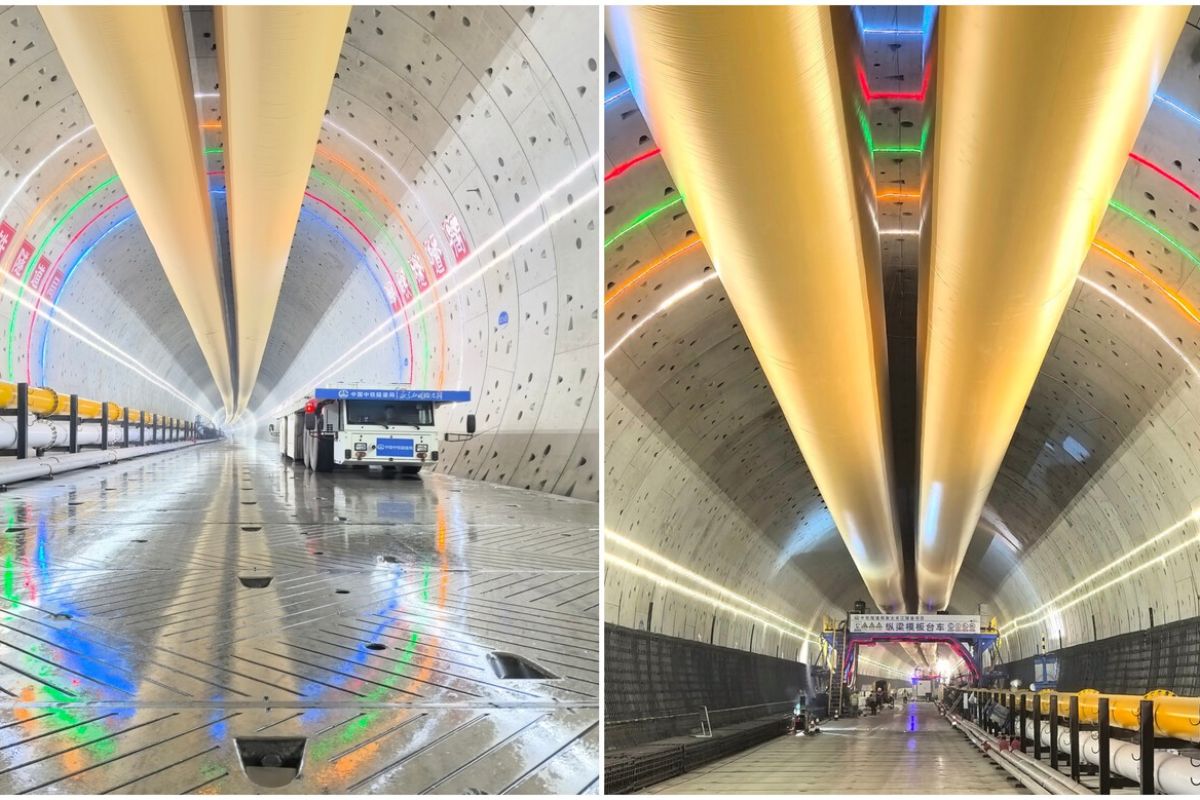
China completes the most critical section under the Yangtze River with the intelligent tunneling machine Linghang, excavating 11.32 continuous kilometers at depths of up to 89 meters and transforming the Chongming-Taicang tunnel into a landmark that redefines the scale of high-speed rail engineering in the 21st century.
-
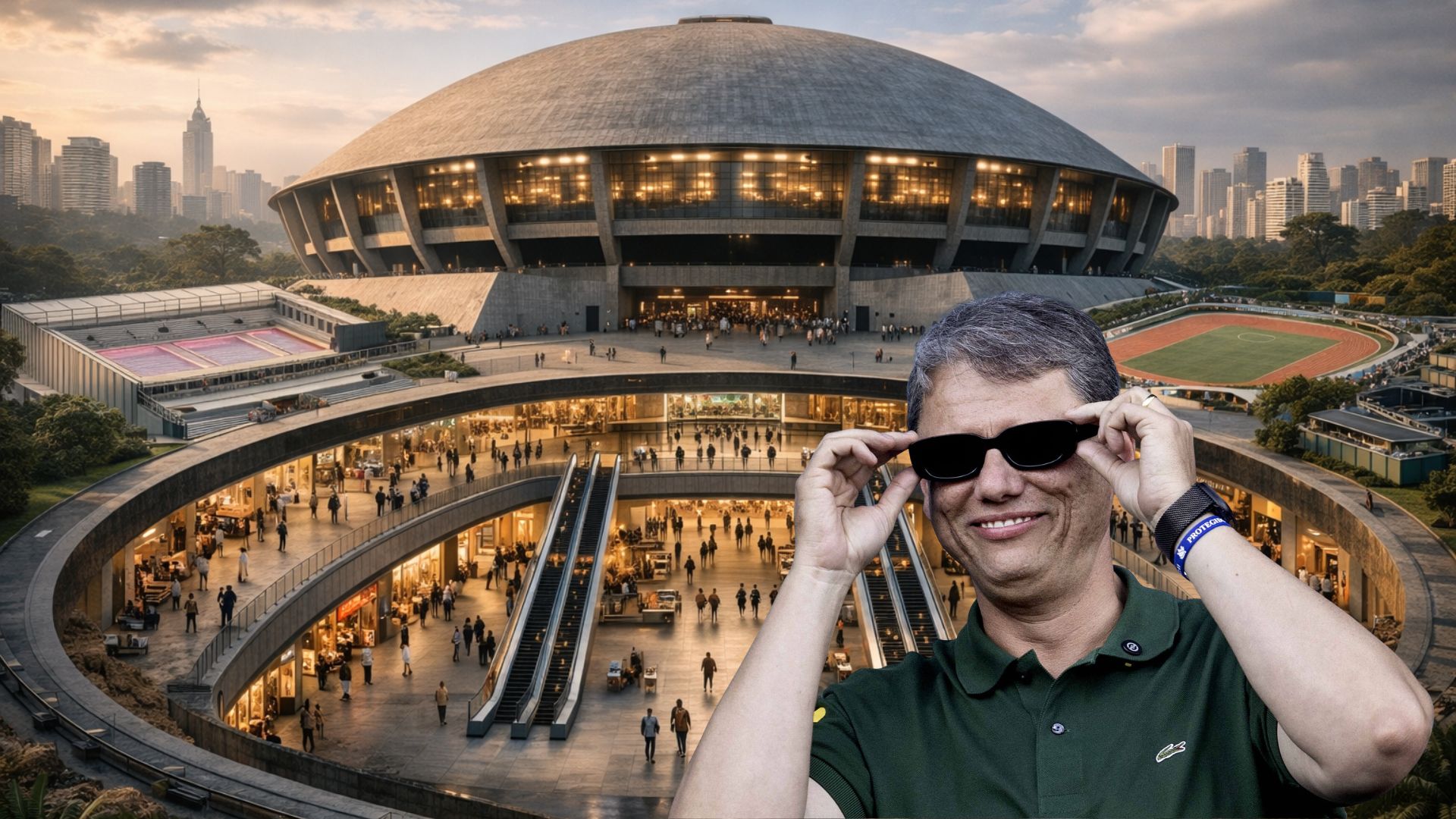
The government of São Paulo surprises South America with a plan to transform the famous Ibirapuera with underground shops, air conditioning, and a 25-year concession in a billion-dollar project that expands the audience, alters a protected area, and provokes an immediate reaction.
-
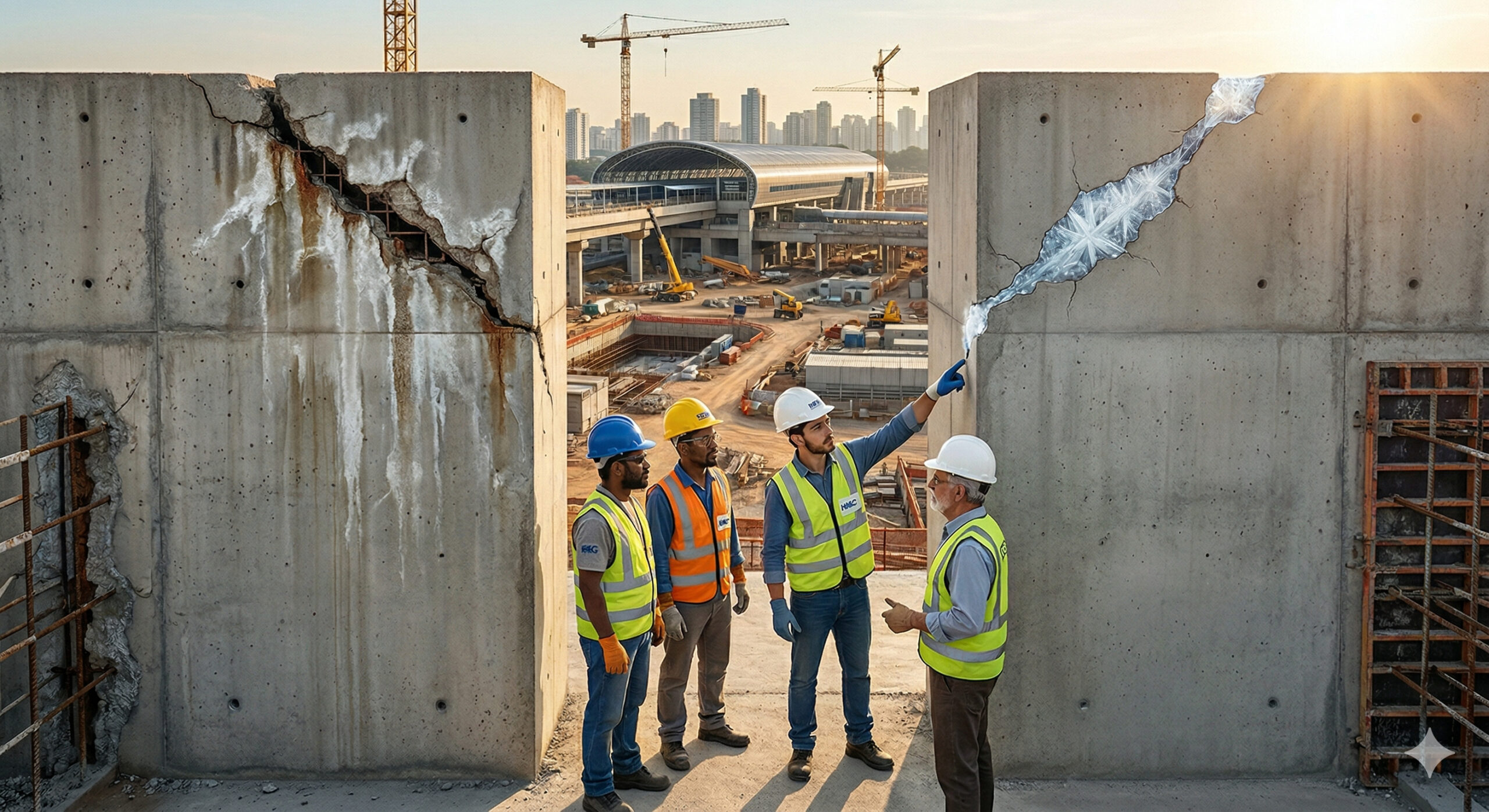
With a lifespan of up to 60 years and a cost up to 30% higher than conventional concrete, self-healing concrete is already being used in Brazil to eliminate leaks, reduce maintenance, and is changing the real cost of construction projects.
-
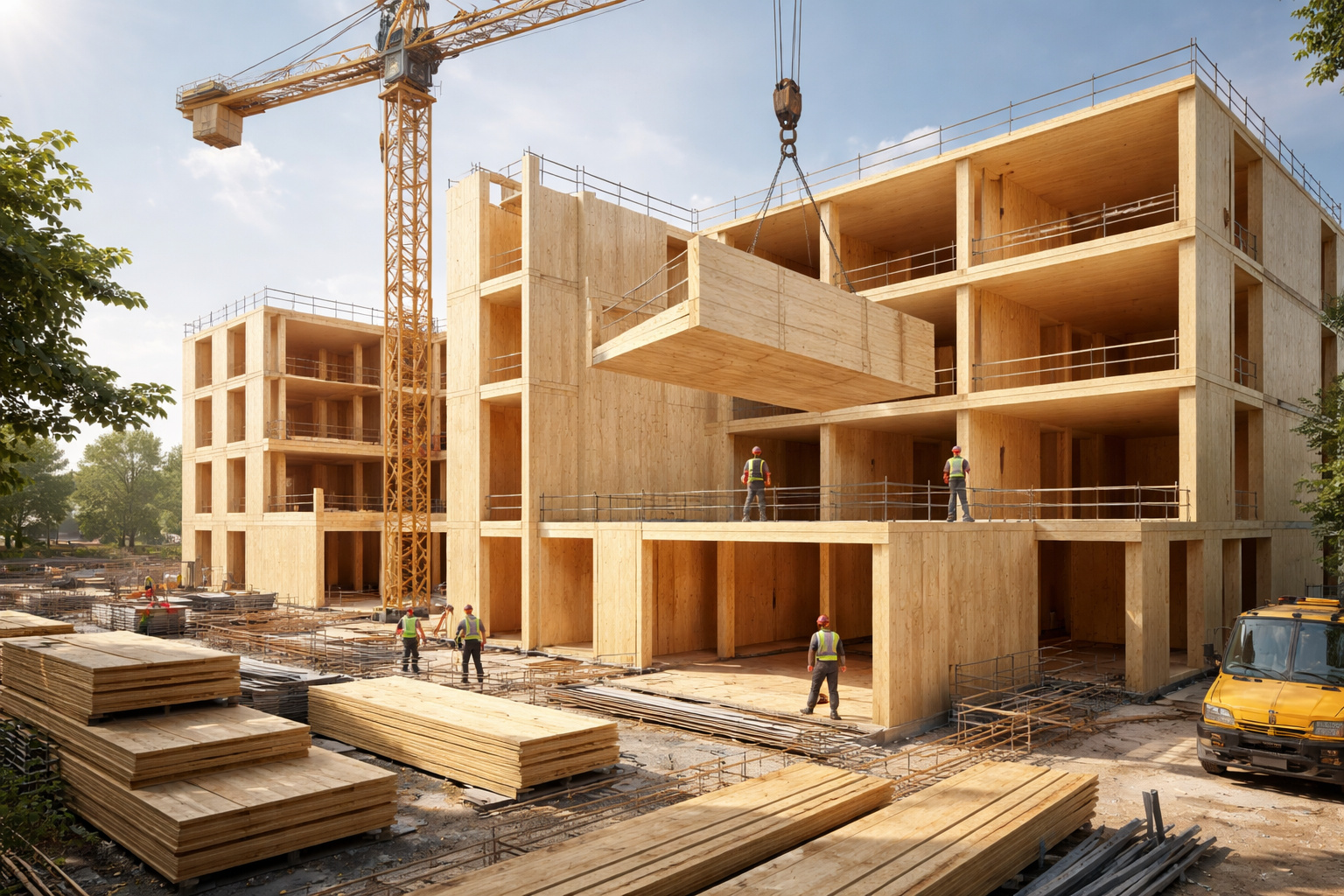
Engineered wood CLT challenges steel and concrete and promises construction that is up to 2x faster with a lower environmental impact in modern civil engineering.

Dubai erected the world’s tallest building, Doha rebuilt its capital to host the most expensive World Cup in history, and Saudi Arabia is trying to bring a trillion-dollar megacity to life in the desert.
Oman chose a different route. Under Sultan Qaboos’s leadership starting in 1970, the country prioritized roads, basic services, and architectural integration with cliffs and mountains.
The tallest building in Muscat is about 16 stories high, and the urban landscape is deliberately low, described by visitors as “more Switzerland than Middle East.”
Instead of creating glass horizons, the government chose to consolidate infrastructure and preserve the visual identity of the territory.
This aesthetic restraint now combines with a new cycle of megaprojects aimed at clean energy, economic diversification, and planned densification, without repeating the model of artificial islands, ultra-spectacular ports, or towers hundreds of meters high adopted by Gulf neighbors.
Pressure from Oil, Demographics, and Vision Oman 2040

Oil and gas still account for about 50 percent of GDP and approximately 70 percent of public revenue, making economic transition a matter of fiscal survival.
The International Energy Agency projects that global oil demand will peak around 2030, shortening the window for sustaining policies solely through royalties.
At the same time, the country’s population is expected to jump from 4.5 million to about 8.5 million by 2040, requiring housing, transport, schools, and jobs on an unprecedented scale.
Instead of responding with monumental towers, Oman structured Vision 2040, which combines special economic zones, major transport corridors, port modernization, and a national program for economic diversification supported by technology, education, and digital services.
This vision includes reforming the educational system with a focus on creativity, problem-solving, and technologies such as artificial intelligence, blockchain, and robotics, in addition to reorganizing public services and creating a circular economy that transforms part of the waste into resources.
The megaprojects of smart cities serve as showcases and laboratories for this strategy.
Sultan Haitham City: Low City, Sensors Everywhere, and Green Backbone
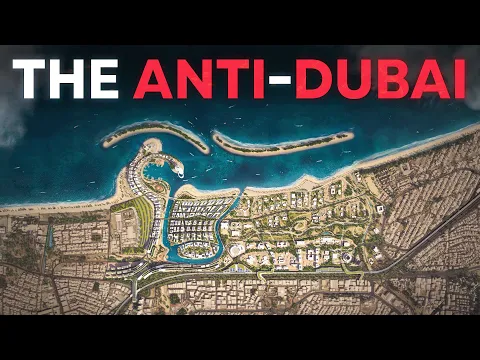

Sultan Haitham City is the clearest example of the new generation of megaprojects in Oman.
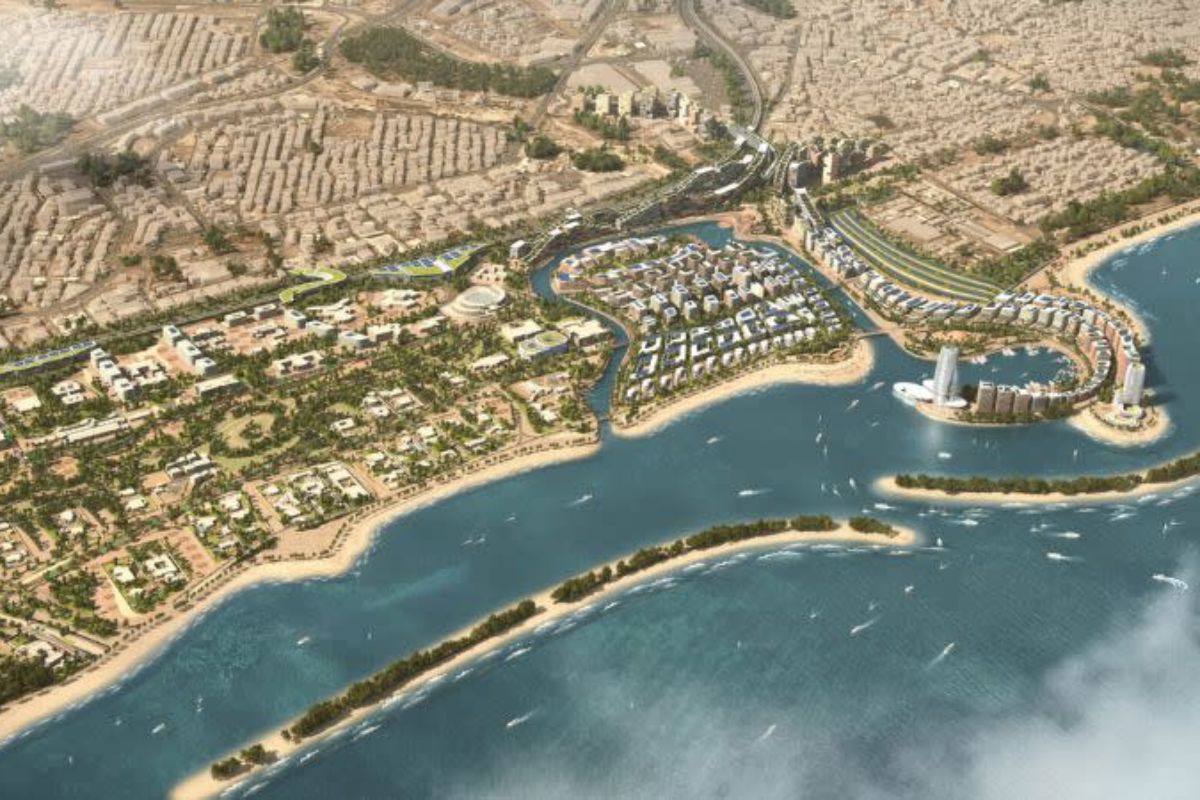
Set to house about 100,000 people in 19 neighborhoods, over an area approximately three times larger than Central Park, the city keeps building heights controlled to avoid blocking mountain views and bets on embedded technology instead of vertical landmarks.
The capital is already testing more than 13,000 smart LED streetlights capable of reducing energy consumption by up to 85 percent, and Sultan Haitham City expands this logic with a network of sensors spread throughout the urban layout, monitoring everything from air quality to traffic flow.
The ambition is to have low-rise neighborhoods with the performance of a cutting-edge city, rather than simply reproducing a luxury skyline.
The project also incorporates a 7.5-kilometer linear park in the bed of a river, with 1.6 million square meters transformed into a “central green backbone.”
In the dry season, the space serves as a recreation area and trails; during rains, it acts as a natural flood management and water conservation system.
The housing is positioned to maximize shade and natural ventilation, while a 1,200-bed hospital, 39 schools, and 25 mosques are distributed to ensure walkable access to both education and daily religious practices.
The first phase, comprising about 6,700 residences in six neighborhoods, occupies 5 million square meters, is already underway, and is expected to be completed by 2030.
The following phases, phased until 2045, will complete the city’s design within the broader strategy of megaprojects connected to Muscat by mass public transport.
Al Khuwair: Coastal Megaproject of Global Signature and Contained Scale
On the waterfront of the capital, the Al Khuwair Waterfront project, budgeted at around US$ 1.3 billion, represents Oman’s attempt to create a contemporary postcard without losing scale control.
Designed by Zaha Hadid Architects, the plan allows buildings of up to 150 meters high, well below Dubai’s standards, for a set of interconnected districts totaling 3.6 million square meters.
The design combines “green and blue infrastructure,” where natural watercourses from the desert, the wadis, feed modern channels, while the highway is converted into a green corridor leading to the beach and dune area.
Instead of luxury towers side by side, the megaproject is organized into five integrated functional districts, repurposing existing government buildings with recycled materials and planning for housing for 64,500 people.
Internal mobility includes a light rail network, water taxis, and bike paths, with priority for walkable routes even in Muscat’s intense heat.
Al Khuwair structurally connects to Sultan Haitham City, forming an axis of megaprojects that tries to balance tourism, government services, and permanent residence.
Yiti: Laboratory of a Sustainable City with Its Own Energy and Local Food
Further along the coast of the Gulf of Oman, the Yiti Master Development Plan advances with the promise of becoming the largest sustainable community in the Middle East.
The goal is for the city to produce as much clean energy as it consumes, with 93 percent of the infrastructure already installed and the first batch of houses quickly sold out.
Full operation is expected by 2026.
All buildings will be powered by renewable energy, solid waste will be converted into energy, and about 80 percent of the food consumed is expected to be produced within the community, in high-tech urban farms capable of year-round cultivation.
Electric carts and electric bicycles will replace cars in much of the streets, and the official goal is to reduce residents’ carbon footprint by 78 percent compared to typical Oman residences.
Although Yiti does not have the media glamour of a futuristic megacity in the desert, it serves as a megaproject demonstration on how to integrate energy, waste, mobility, and food production into a medium-sized urban structure designed for permanent residents, not just occasional visitors.
The Engine of the US$ 5 Billion Within Oman’s Greater Transformation
The three major urban projects are part of a broader investment package of around US$ 33 billion in construction and infrastructure across the country, including new roads, port modernization, and technological upgrades in traditional sectors such as fishing and agriculture.
Tourism, which already brought in more than 3 million visitors in 2023, is expected to account for 10 percent of the economy by 2040, supported by US$ 51 billion in new projects.
Among these investments is a tourism complex of approximately US$ 2.4 billion in Jabal al Akhdar, at 2,400 meters altitude, planned to accommodate more than 4,000 visitors per day and house up to 8,000 residents in a mountain community focused on well-being.
At the same time, the government is working to increase women’s participation in the workforce and decentralize decision-making, giving more control to local communities over their own development.
In this context, Oman’s US$ 5 billion smart cities are no longer just technological showcases but integrate into a national design that combines discreet megaprojects with reforms in education, governance, and productive base, aiming to ensure that economic growth works concretely for those living in the country.
In light of this more discreet strategy, where megaprojects are low and sustainable smart cities instead of record-breaking skyscrapers, do you think the path chosen by Oman has a better chance of paying off in the long run than the monumental projects of the Gulf neighbors?




-

-

-

-

7 pessoas reagiram a isso.