





 Portuguese
  English
  Spanish
  5 min of reading
  0 comments


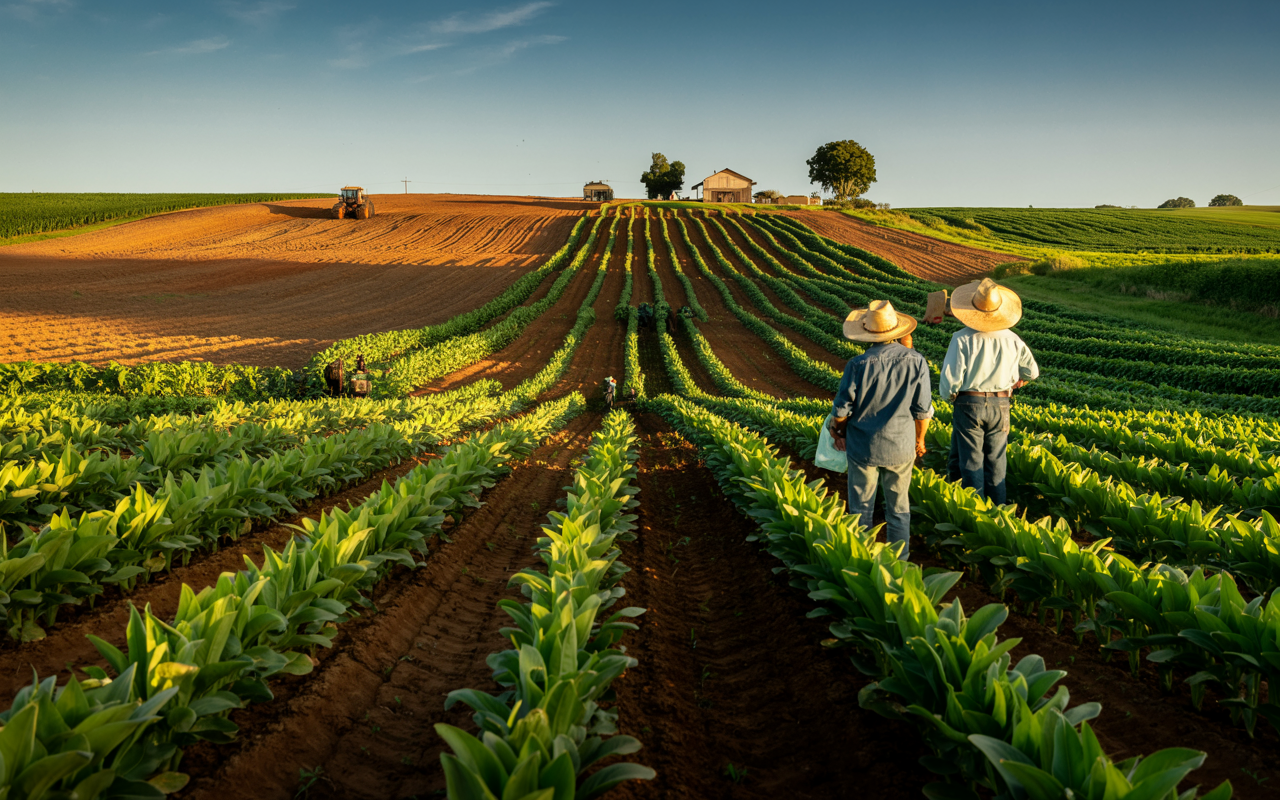
Neighboring Country of Brazil Bets on Almond and Oat Milk, the New ‘White Gold’ of Farms, and Is Already Gaining Millions in Exports to Europe.
In recent years, almond milk and oat milk have come to be seen as the new ‘white gold’ of farms. The shift in global consumption patterns, especially in European countries, has led plant-based products to rapidly replace traditional milk. Who is profiting from this transformation is a neighboring country of Brazil: Argentina.
With investments in biotechnology, changes in agricultural standards, and a focus on exports, Argentina stands out in the production of plant-based beverages that meet demanding markets such as Germany, the United Kingdom, and France. Argentine companies are betting heavily on plant-based milks, driven by the growing demand for sustainable and lactose-free products. Neighboring Country of Brazil Gains US$ 66 Million from Discovery of the ‘New Green Gold’: Product Attracts New Investors and Is Shaking the Global Market
Neighboring Country of Brazil Has Become a Reference in Almond and Oat Milk
Argentina, historically known for its meat and dairy production, is undergoing a silent but powerful transformation. In the past five years, the country has recorded an increase of over 300% in the production of plant-based beverages, particularly almond milk and oat milk.
-
The largest food company on the planet, JBS, has just opened a 4,000 square meter laboratory in Florianópolis to develop customized proteins that modulate muscle mass gain, immune response, and metabolic performance.

-
After nearly 30 bids and competition among industry giants, a Spanish company purchases one of the largest airports in Brazil for almost R$ 3 billion and takes over the management of Galeão in a concession that will last until 2039.

-
The Federal Revenue Service now automatically cross-references everything you declare with data from banks, credit cards, brokerage firms, and insurance companies, and any discrepancy between your income and your expenses triggers an alert in seconds.

-
Amid global tensions, Brazil blocks the United States’ proposal at the WTO and paves the way for a trade crisis and possible retaliations.


According to data from the Argentine Agency for Investment and International Trade (AAICI), exports of plant-based beverages have grown significantly since 2021. The product has become strategic for the Argentine agribusiness, with specialized factories emerging in provinces like Córdoba, Buenos Aires, and Santa Fe.
What Drives the Success of Argentine Plant Milk?
Three major factors explain why Argentina has become a competitive player in the global plant milk market:
- Favorable Climate and Soil for the cultivation of oats, almonds, and other oilseeds.
- Lower Production Costs compared to European countries.
- Export Incentives promoted by public policies and trade organizations.
In addition, domestic consumption has also grown. According to the National Institute of Statistics and Censuses (INDEC), over 1.2 million Argentines are already partially or completely replacing animal milk with plant-based alternatives.
Almond Milk: Star of Argentine Exports
The almond milk is the main product among the so-called plant-based milks produced in Argentina. Rich in vitamin E, calcium, and healthy fats, it has gained traction as a natural substitute for cow’s milk. The Argentine differential lies in the use of high-quality local almonds grown in regions like Mendoza and San Juan.
Companies like Silcom (Santa Fe), La Serenísima, and the startup Vegan Lab already export tons of the product monthly to destinations like Germany, Italy, and Sweden. According to Eurostat, the average price of almond plant-based drinks in Europe rose 27% between 2020 and 2024 — opening up space for new suppliers like Argentina with more competitive prices.
Oat Milk: A Popular and Affordable Alternative
Another highlight in Argentina’s new rural economy is oat milk, considered more accessible in terms of cultivation and production costs. With high yield per hectare and favorable climate in the Argentine interior, oats have become the basis for several brands aimed at export.
The startup Avena Viva, for example, was recognized by FAO (Food and Agriculture Organization of the United Nations) as one of the most sustainable projects in Latin America. The product is gluten-free, high in fiber, and does not require intensive water use, unlike the cultivation of soy or almonds.
The New ‘White Gold’ Gains Space in the Field and on Shelves
Traditionally, the term white gold was associated with cow’s milk. However, in the 21st century, with environmental, public health, and conscious consumption changes, the title now shifts to plant-based milks.
According to the Plant-based Beverage Market Report by Research and Markets (2024), the sector is expected to exceed US$ 30 billion in global revenue by 2026. And Argentina, with its rising production, is already among the top 10 exporters of plant-based beverages worldwide, even with a domestic market still in consolidation.
Why Are Europeans Switching Animal Milk?
The rise of plant-based milks, such as almond and oat milk, is mainly due to:
- Increased Restrictions on Lactose and Cholesterol in diets.
- Climate Change: Animal milk production has a high environmental impact.
- Ethical Motivations related to animal welfare.
- Government Initiatives in Europe that encourage plant-based diets.
Reports from the European Plant-Based Food Association (EPBA) indicate that the consumption of plant-based milks has grown 23% annually since 2019 in countries like Germany, Belgium, and Denmark.
Sustainable and Traceable Production: Argentina’s Competitive Advantage
In addition to product quality, the plant-based milks produced in Argentina follow international sustainability standards. Traceability, organic certifications, and carbon-neutral labels are being adopted by almost all companies in the sector.
This transparency is crucial for access to premium markets, especially in Northern Europe, where consumers seek certified origin, ethical production, and low environmental impact.
Argentine Government Bets on Green Economy to Generate Jobs
The Argentine government has included the plant-based food sector in the “Green Agriculture 2030” program, with incentives for factories that invest in innovation, biodegradable packaging, and tracking technology for the production chain.
It is estimated that between 2021 and 2024, the sector generated more than 7,500 direct and indirect jobs, according to the Ministry of Agriculture, Livestock, and Fisheries of Argentina.
Opportunity for Mercosur and Brazil?
The Argentine advance may open up space for trade partnerships with Brazil, whether in the supply of inputs (such as packaging, equipment, and natural additives) or in logistics joint ventures for the distribution of products through the Port of Santos or Río Grande.
In addition, the internal Brazilian demand for plant-based milks is also growing rapidly. According to Euromonitor, consumption in Brazil increased by 45% in four years, especially in São Paulo, Curitiba, and Florianópolis.
Challenges on the Horizon: Inflation, Logistics, and Asian Competition
Despite the progress, the sector faces considerable challenges, such as:
- Internal Inflation in Argentina, which puts pressure on logistics and labor costs.
- Competition from Large Asian Players, such as China and Thailand, which export at very low prices.
- Production Capacity Limitations, especially during droughts or energy crises.
Still, experts in the Argentine agricultural sector say that with investment in irrigation and renewable energies, the country can double its production by 2030.
The ‘New White Gold’ Can Transform the South American Field
The success of Argentina in the plant milk sector shows how agricultural innovation, sustainability, and strategic market vision can transform a country’s productive profile. From a traditional exporter of meat and animal milk, the country now leads a new wave focused on health, the environment, and global demand.
With millions of dollars already in motion, the “new white gold” of farms — almond milk and oat milk — is establishing itself as one of the most promising products in South American agribusiness.
For Brazil, the attentive neighbor, the lesson remains: a new rural model is being built right next door — greener, healthier, and highly profitable.








-

2 pessoas reagiram a isso.