





 Portuguese
  English
  Spanish
 4 min of reading
  0 comments


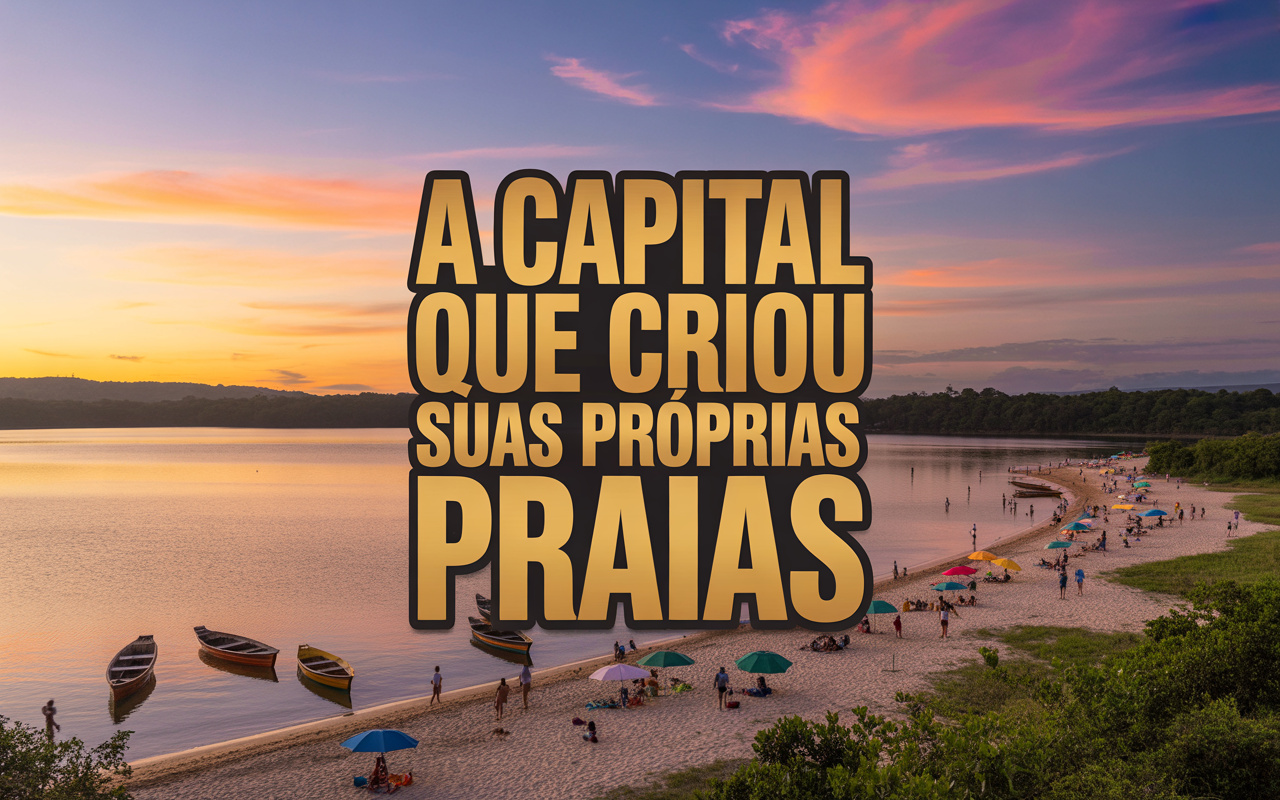
Palmas, The Planned Capital of Tocantins, Created River Beaches Along an Artificial Lake and Became a Leisure Destination with a Resort-Like Atmosphere in the Midst of the Cerrado.
Founded just over three decades ago, Palmas, the capital of Tocantins, is one of the youngest cities in Brazil — and also one of the most unique. Completely planned, the city was designed to be modern, functional, and integrated with nature. However, what stands out the most today is not just the urban layout: Palmas created its own beaches along the banks of a gigantic artificial lake, transforming the heart of the cerrado into a leisure destination with a coastal vibe.
A Capital Born from Scratch
Palmas was founded on May 20, 1989, shortly after the creation of the State of Tocantins by the 1988 Constitution. Unlike other Brazilian capitals, the city was born from a planned urban project envisioned by architects Luiz Fernando Cruvinel Teixeira and Walfredo Antunes de Oliveira Filho.
The idea was to build a modern capital with wide streets, planned avenues, and a zoning capable of supporting the population and economic growth of the new state. From the beginning, the urban planning of Palmas incorporated green areas and a layout that favors ventilation and integration with the natural environment of the cerrado.
-
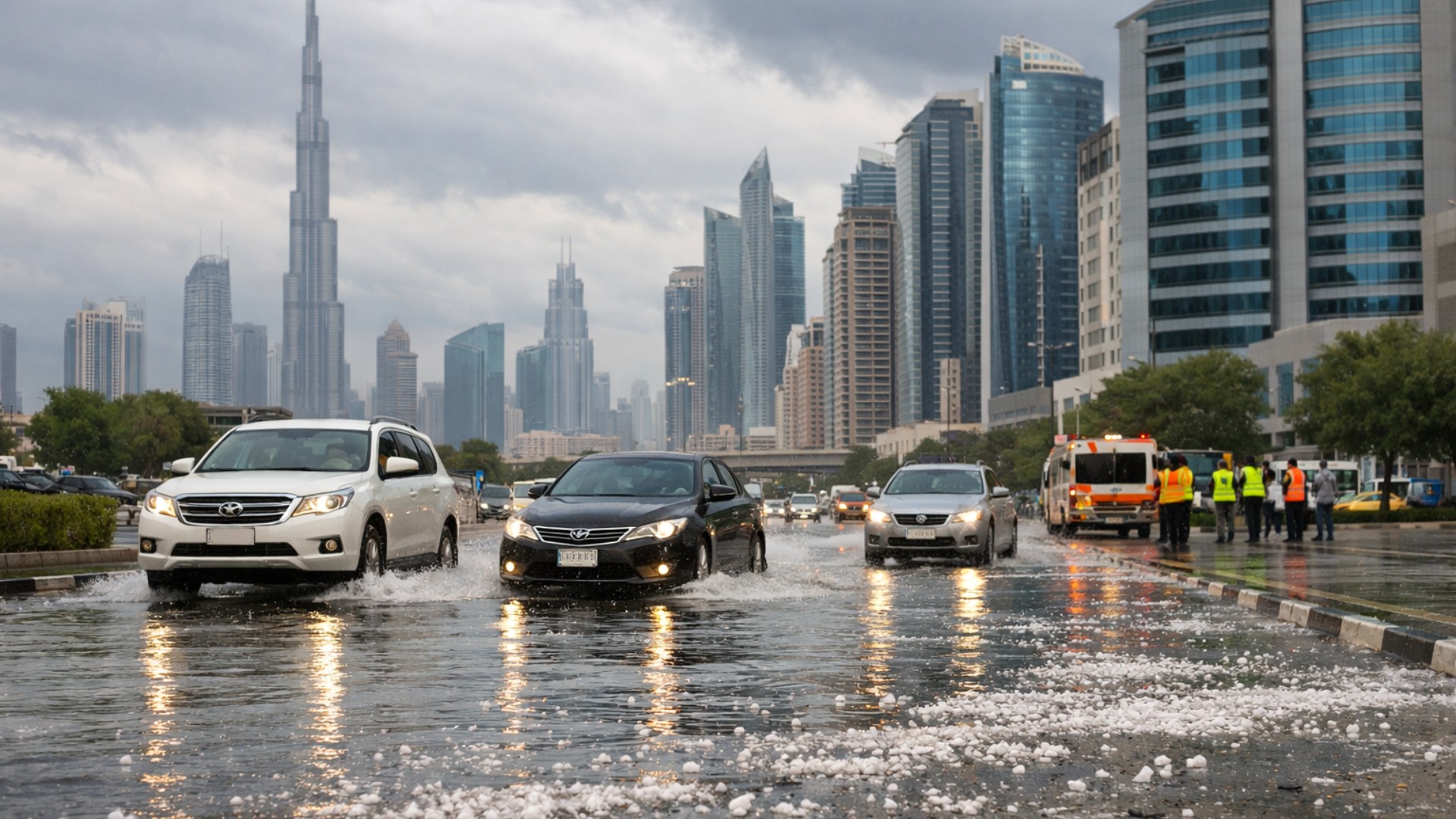
A rare storm transformed part of the Gulf into an unlikely scene of hail, extreme rain, and tornado risk in the middle of the desert, with volumes that exceeded the annual average in a single day.
-
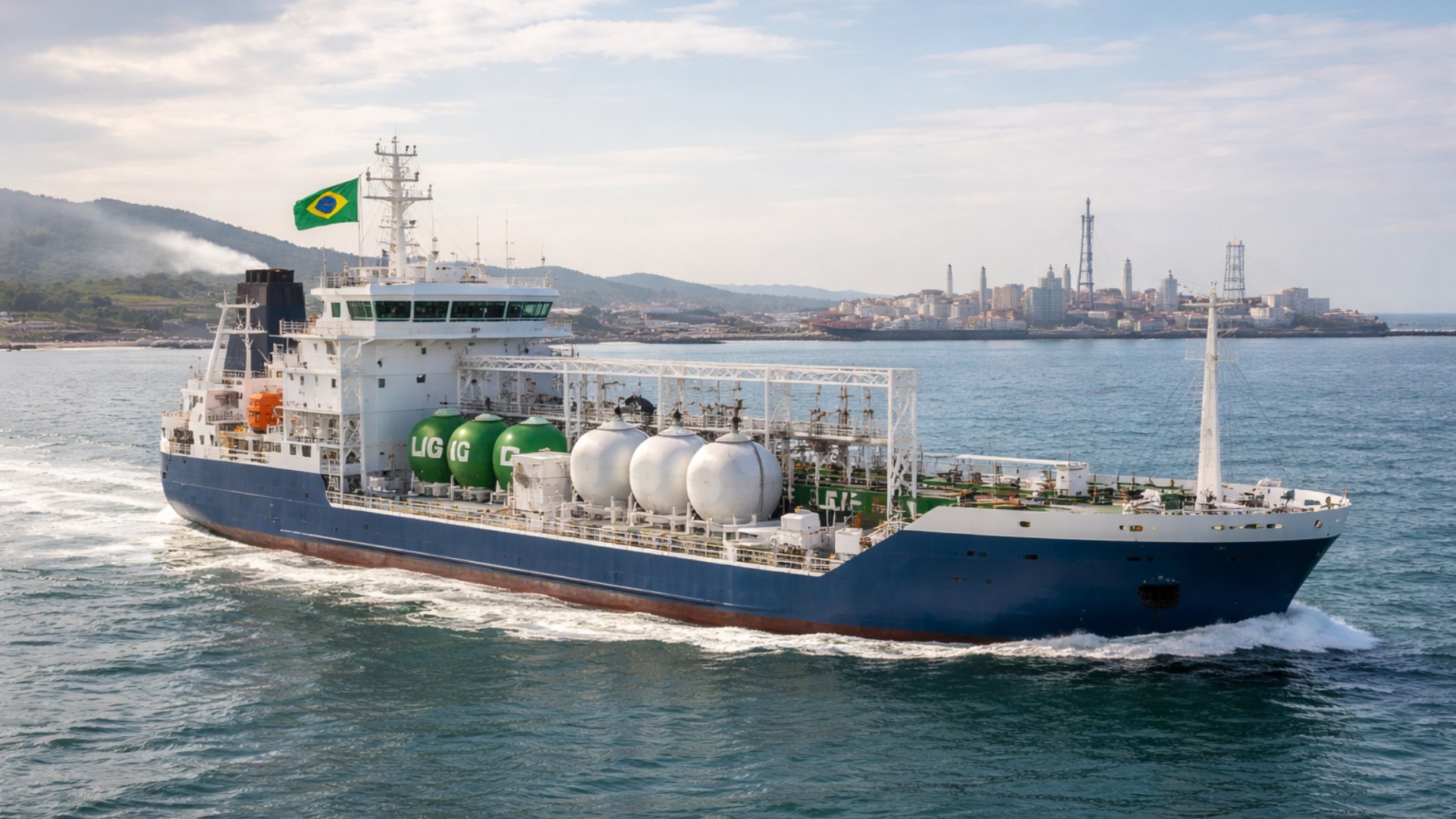
Brazil catches the world’s attention with ships powered by ethanol and biodiesel that have lower emissions, an unprecedented certification with advantages in chartering, and a revolution in cabotage.
-
A couple who only has Sundays free has built a hand-dug pool, a hamburger joint, a dance hall, and a playground in their own home without hiring a mason, and even with breaks due to accidents and the pandemic, the work has never truly stopped.
-
Furniture made with aluminum and glass does not warp and has become an alternative to replace MDF in Brazil.


The Lake That Changed the Landscape
The great symbol of Palmas, however, emerged a few years later: the Lake of Palmas, resulting from the damming of the Tocantins River for the construction of the Luís Eduardo Magalhães Hydroelectric Plant (UHE Lajeado), inaugurated in 2001.
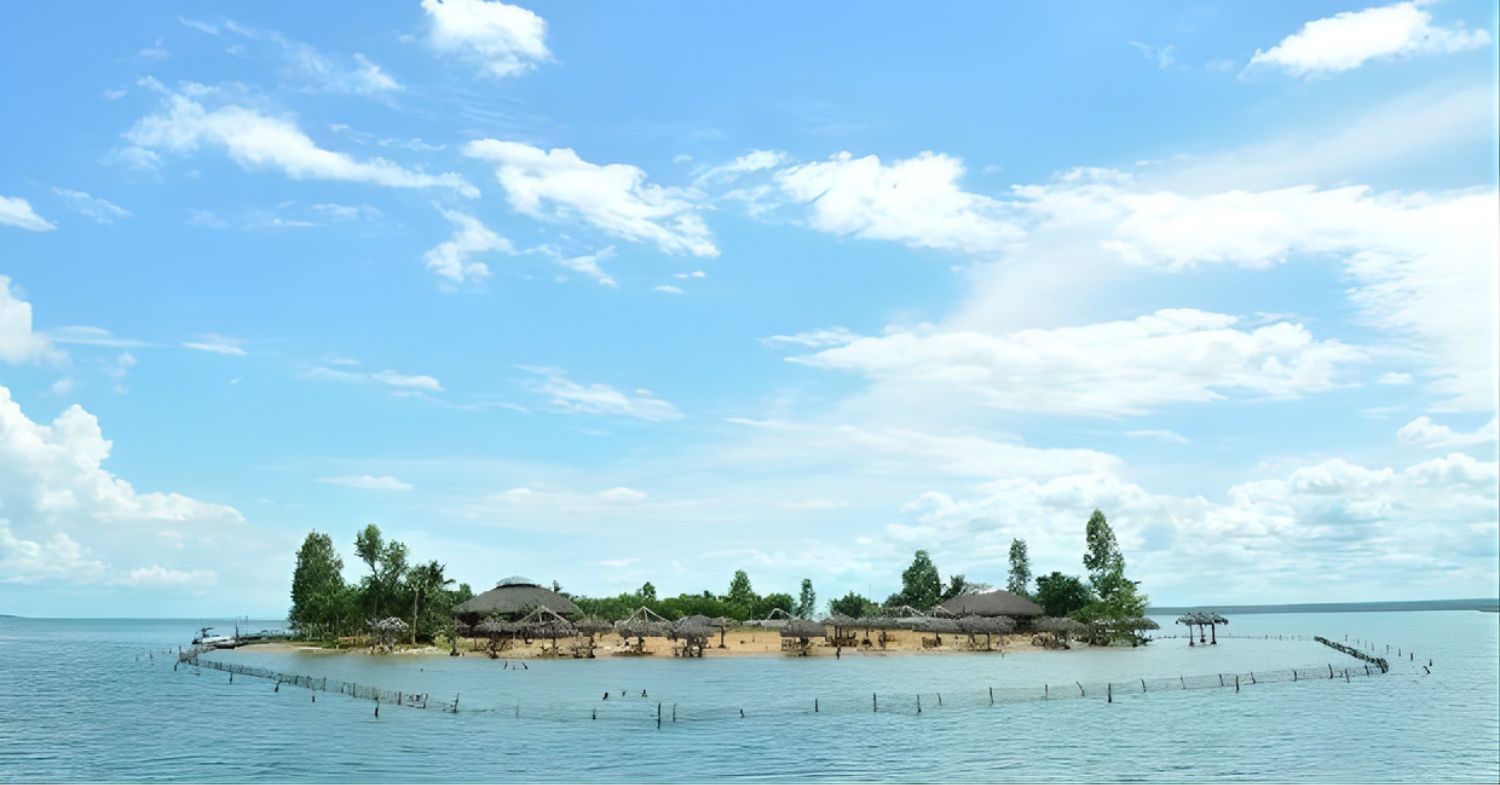
With over 170 kilometers in length and a water surface area of over 600 km², the lake transformed the region’s landscape and became the main leisure point for the local population.
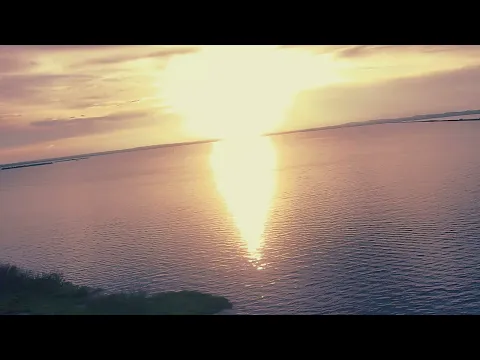

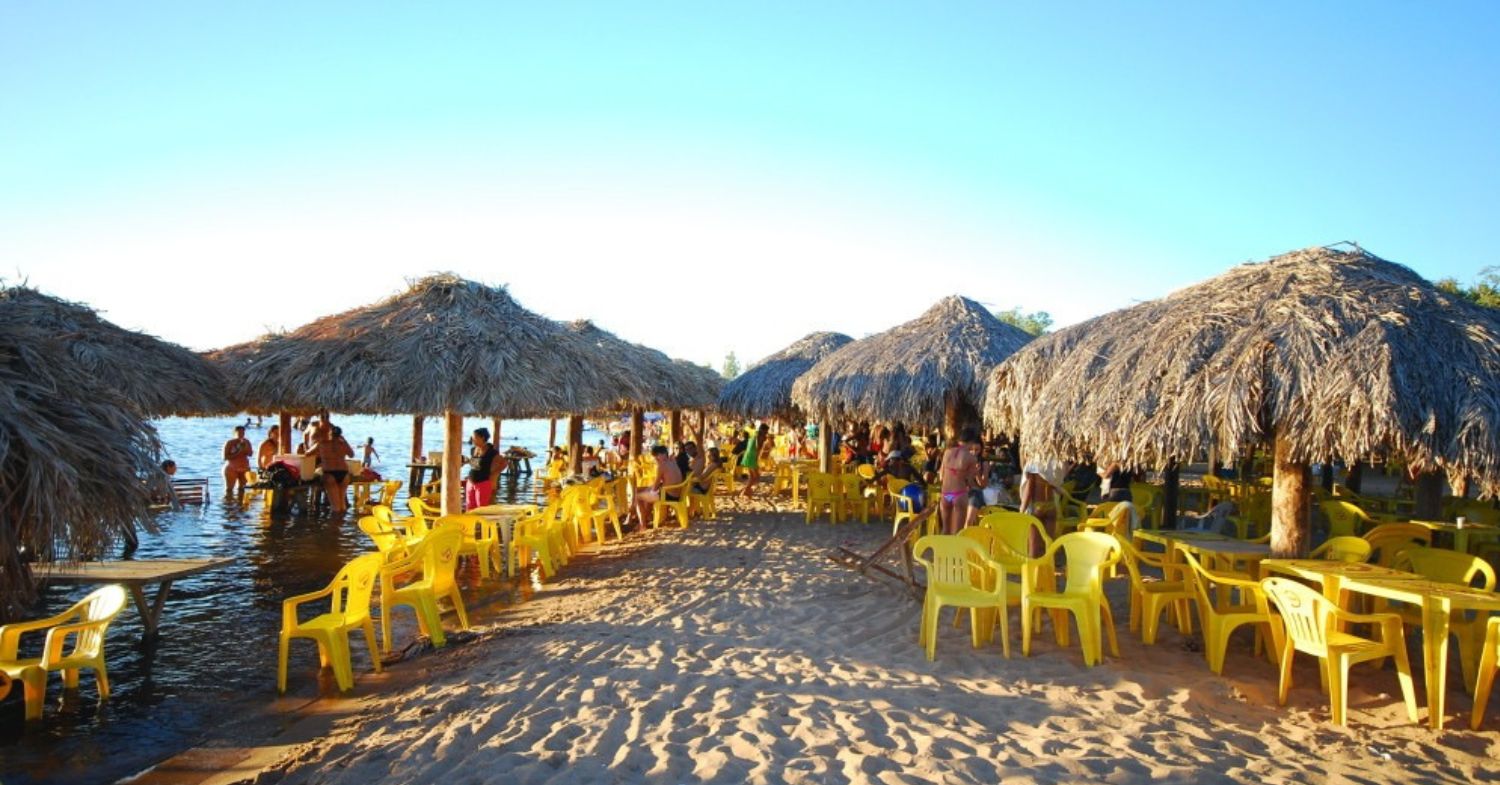
The shores of this artificial lake house river beaches with white sand and calm waters, such as Praia da Graciosa, Praia do Prata, and Praia das Arnos. During the dry season, from May to September, these beaches become a stage for events, shows, and festivals, boosting regional tourism.
The Resort of the Cerrado
The combination of warm weather, crystal clear lake, and planned infrastructure has given Palmas an informal title: “Resort of the Cerrado”. While coastal cities face overcrowding and seasonal tourism, the Tocantins capital offers a permanent beach experience — even hundreds of kilometers from the sea.
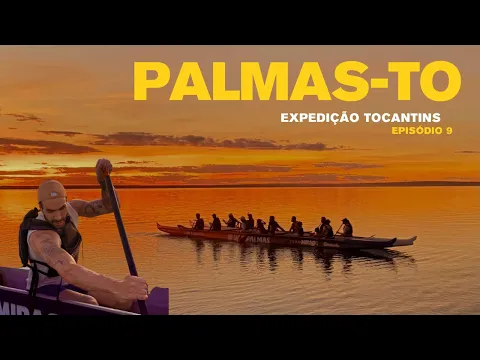
With well-structured waterfronts, boardwalks, and kiosks, Lake of Palmas has become the city’s main meeting point. Families, tourists, and athletes share the space in a routine that mixes leisure, water sports, and contemplation. The practices of jet skiing, stand-up paddle, kayaking, and sailing are common, and the sunset over the water mirror, with Monte Lajeado in the background, is one of the most photographed postcards of Tocantins.
Tourism and Quality of Life
The tourism potential of Palmas has been increasingly explored. The city annually hosts the Palmas Beach Festival, featuring musical and sports attractions. Nautical tourism has also been growing, boosted by the creation of marinas and lakeside hotel developments.
Moreover, Palmas is one of the Brazilian capitals with the best quality of life according to state indices. With little traffic, good tree coverage, and a cost of living lower than that of larger metropolises, the city attracts both tourists and new residents seeking a calmer pace of life.
The planned urbanization and well-preserved natural surroundings favor a balanced life between the urban and environmental aspects — something rare in other Brazilian capitals.
Youth and Growth
With just over 300,000 inhabitants, Palmas is still considered a young and developing city.
Its modern layout allows for ordered expansion, and the presence of the lake has proven to be a decisive factor for the region’s real estate and commercial growth. New neighborhoods are emerging as the population increases, especially near the waterfront, where the square meter is the most valued in the city.
The youth of the capital also reflects in its lifestyle: outdoor events, regional cuisine, and constant contact with nature are part of Palmas’ identity.
The Contrast of the Blue Cerrado
While much of Tocantins is marked by arid vegetation and dry climate, Palmas created a rare visual contrast: a blue lake amidst the cerrado.
This phenomenon attracts visitors from across the country, who are surprised by the unexpected landscape of beaches and water sports nearly a thousand kilometers from the nearest coastline.
Despite the paradisiacal image, the city still faces challenges, such as rapid urban growth and the need to expand sanitation and public transport. Still, the balance between urban planning and nature makes Palmas a reference among the newest capitals in Brazil.
A City That Reinvented the Interior
The story of Palmas shows how urban planning can create not only an administrative capital but also a new way of living in the interior of the country.
By transforming an artificial lake into a leisure center, the city built its own identity — modern, sunny, and integrated with the natural landscape.
Three decades after its founding, Palmas is no longer just a political bet. It has become a capital that has known how to transform the cerrado into a beach setting, attracting those seeking quality of life, nature, and the unmistakable sunset over the Tocantins River.








-

-

-

-

-

16 pessoas reagiram a isso.