





 Portuguese
  English
  Spanish
  5 min of reading
  1 comment


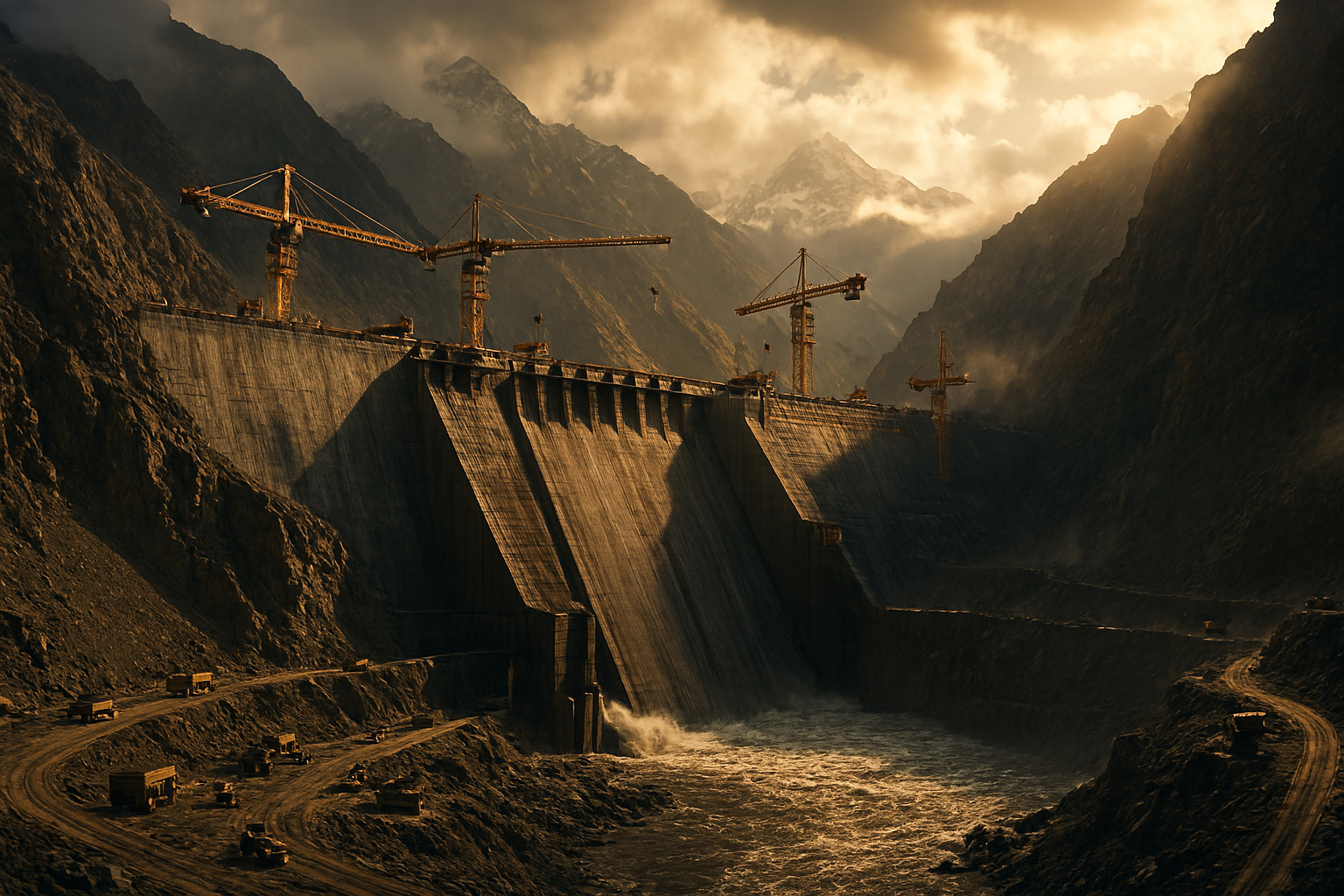


Located on the Indus River in northern Pakistan, the Diamer-Bhasha Dam is 272 meters tall, with a capacity of 4,500 MW, and is a key piece to avoid energy, water, and flood crises in the country.
The Diamer-Bhasha Dam is being built on the Indus River, in the Diamer district, in the Gilgit-Baltistan region of northern Pakistan. The project is led by the Water and Power Development Authority (WAPDA), the state agency responsible for water resources and energy, and the official works began in July 2020, after more than three decades of technical studies, internal political disputes, and financing difficulties. The project is considered strategic by the Pakistani government as it tackles three structural issues faced by the country: chronic electricity deficit, water scarcity for irrigation, and the growing risk of large-scale flooding.
Since the formal authorization, Diamer-Bhasha has been treated as a piece of national survival infrastructure. Pakistan relies almost entirely on the Indus River to sustain its agriculture, urban supply, and hydropower generation.
With rapid population growth and increased extreme weather events, the country has faced frequent blackouts, loss of water storage capacity, and devastating floods, making the new dam a central element of the long-term national strategy.
-
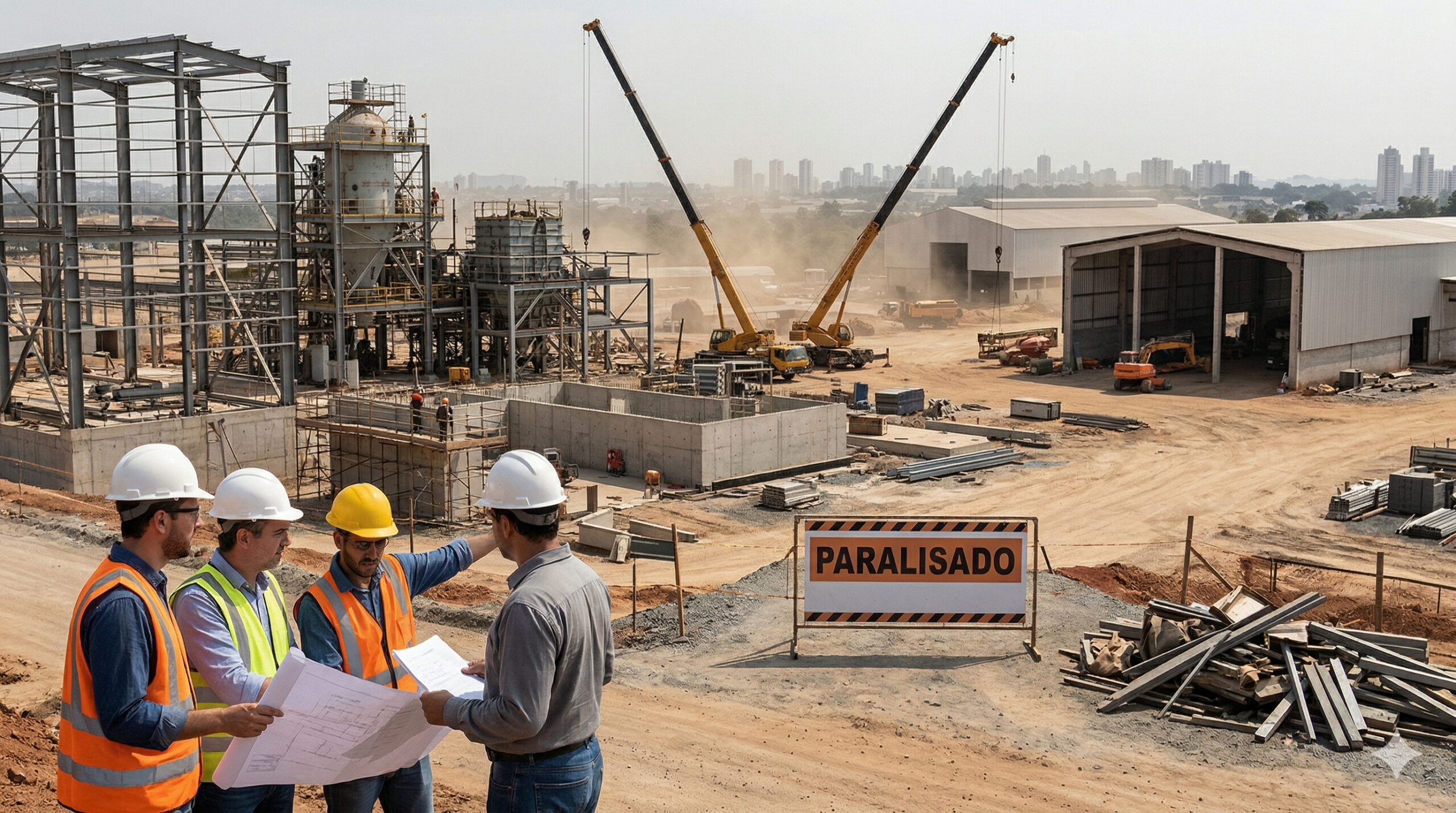
The lack of welders, electricians, and operators becomes a structural threat in 2025, with the construction industry and manufacturing already suffering from delays, cost pressures, and labor shortages in Brazil.
-
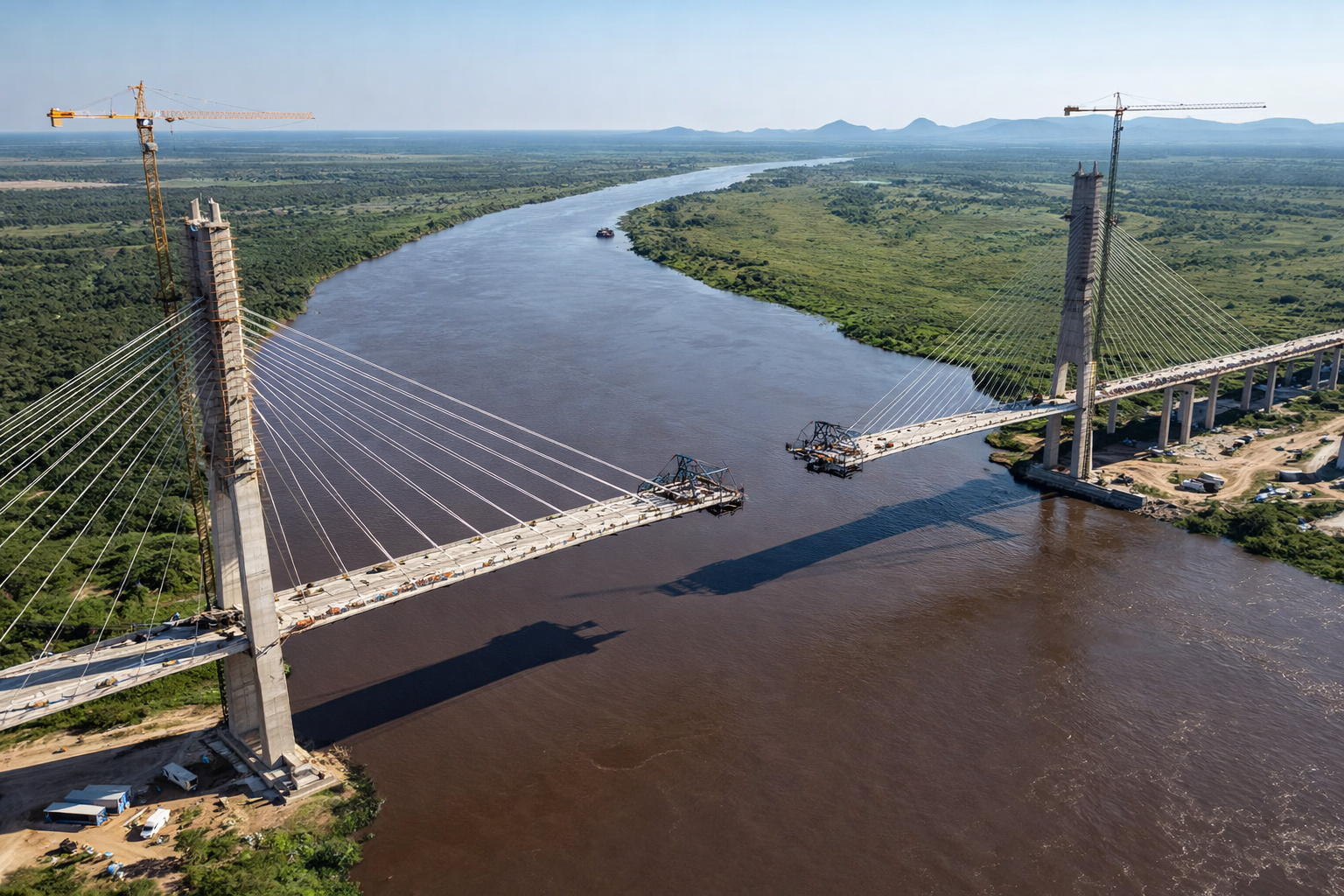
Brazil and Paraguay are just 46 meters away from a historic union on the bioceanic bridge that promises to revolutionize trade between the Atlantic and the Pacific.
-
With 55 km over the sea, a cost of US$ 20 billion, and enough steel to build 60 Eiffel Towers, China’s largest project has connected Hong Kong, Zhuhai, and Macau in a colossal bridge that defies the logic of engineering.

-
A trick with joint compound transforms a Styrofoam ceiling into a plaster-like ceiling: leveled panels, wires and mesh at the joints, sand, paint, and change the environment while spending little today.


Where Is the Diamer-Bhasha Dam Located and Why Was the Site Chosen
The dam is being built about 40 kilometers downstream from the city of Chilas, in a deep and narrow stretch of the Indus valley. The choice of site was based on specific geological and hydraulic criteria: significant natural elevation of the terrain, resistant rocky bed, and high annual flow of the river, fed by the glaciers of the Himalayas, Karakoram, and Hindu Kush.

At the same time, it is one of the most geologically unstable regions on the planet. Gilgit-Baltistan is close to the convergence of tectonic plates and has a history of significant earthquakes.
This condition forced engineers to adopt a structural model capable of withstanding strong seismic shocks without structural collapse, significantly increasing the complexity of the project.
Type of Dam and Engineering Solutions Adopted
The Diamer-Bhasha has been designed as a Concrete-Faced Rockfill Dam (CFRD), a type considered more flexible and resilient in seismic regions than traditional gravity dams.
In this model, the main body is made up of millions of tons of compacted rock, while a waterproof concrete face ensures water control.
This type of structure can absorb deformations without catastrophic failure, an essential characteristic in an area subjected to earthquakes. Additionally, the method reduces the risk of abrupt failures, making the dam safer in extreme scenarios.
Colossal Dimensions That Place the Project Among the Largest in the World
With 272 meters in height, the Diamer-Bhasha is among the tallest dams ever designed worldwide.
The length of the crest exceeds 1,000 meters, and the total volume of rockfill and concrete used is estimated at tens of millions of tons, transported by mountain roads and compacted in successive layers.
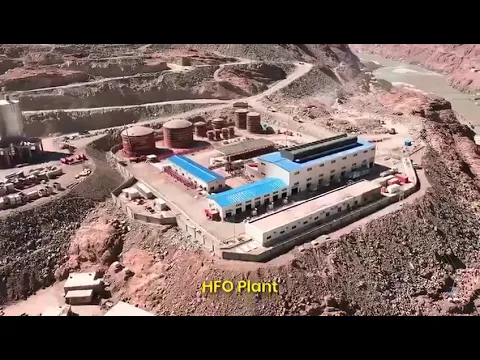
The reservoir will have a capacity of over 8 billion cubic meters, potentially exceeding 10 billion m³, according to technical data released by WAPDA.
This volume is sufficient to compensate for the storage loss of the Tarbela Dam, which has suffered severe siltation since its inauguration in the 1970s and has lost a significant portion of its original capacity.
Energy Generation and Direct Impact on the Electric Matrix
In the energy sector, the hydropower plant associated with the dam will have an installed capacity of 4,500 megawatts, distributed across several large turbines. This makes the Diamer-Bhasha one of the largest hydropower plants in Pakistan and one of the most significant in South Asia.
The generated energy will be integrated into the national system to reduce dependence on oil and gas thermal plants, which are expensive, polluting, and responsible for a large part of the recurring blackouts in the country.
According to WAPDA, the plant could provide enough electricity for millions of homes and industries, especially during peak consumption periods in the summer.
Flood Control and Water Security
In addition to electricity generation, the dam has been designed as an essential flood control instrument. The Indus River is known for violent seasonal floods, which have caused large-scale humanitarian disasters in Pakistan, with thousands dead and billions in damages.
The large reservoir will allow for regulation of the river’s flow, reducing flood peaks downstream and protecting densely populated areas. At the same time, the strategic storage of water will be crucial for ensuring agricultural irrigation during periods of drought or climate irregularity, a critical factor for the country’s food security.
Billion-Dollar Costs and Financing Structure
The total estimated cost of the Diamer-Bhasha is around US$ 14 billion, according to official data from WAPDA and the Pakistani government. The financing involves public resources, issuance of national bonds, and participation of development banks. Initially, the project faced difficulties in obtaining international financing due to its location in a politically sensitive region.
In light of this, the government decided to proceed with strong internal funding, treating the dam as a national strategic priority. The project also generates tens of thousands of direct and indirect jobs and boosts transport infrastructure and services in one of the most isolated regions of the country.
Social Impacts, Resettlement and Local Challenges
The construction of the reservoir requires the resettlement of thousands of residents from the area, including traditional communities.

WAPDA states that compensation programs, new housing, and social infrastructure are being implemented, although the process is considered one of the biggest social challenges of the project.
At the same time, the work has boosted investments in roads, telecommunications, and basic services in Gilgit-Baltistan, profoundly altering the local economic dynamics.
Why the Diamer-Bhasha Could Redefine the Future of Pakistan
The Diamer-Bhasha Dam goes far beyond an engineering project. It represents an attempt to reorganize Pakistan’s water, energy, and economic foundation in a context of population growth, climate change, and pressure on natural resources.
If completed according to the planned schedule, the structure could operate for decades, ensuring stable energy, stored water, and greater resilience against natural disasters.
For a country historically vulnerable to energy crises and floods, the Diamer-Bhasha has become one of the most decisive projects in its modern history.








Quando vai entrar em operação?