





 Portuguese
  English
  Spanish
  5 min of reading
  0 comments


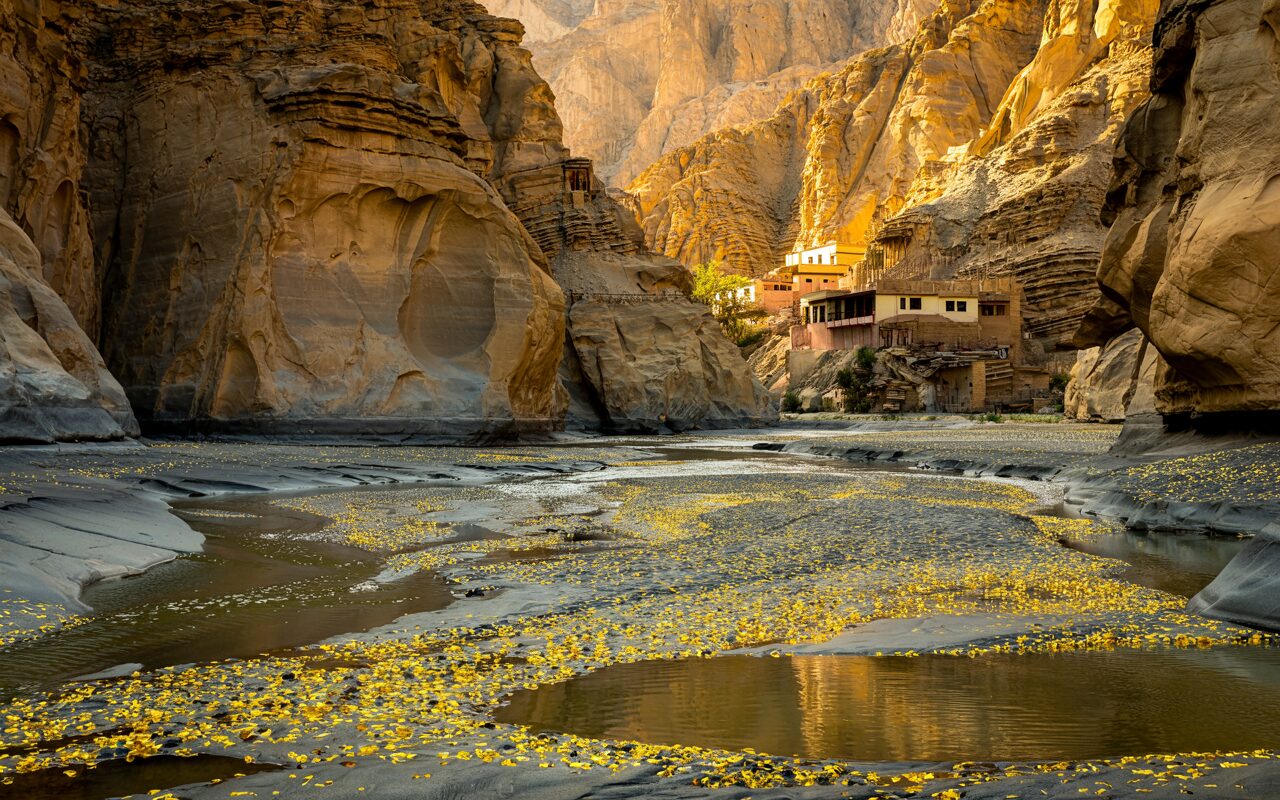
Gold Reserve in the Indus River Bed Could Generate Over PKR 1.5 Billion and Change the Economic Future of the Attock Region
The government of Pakistan has confirmed the discovery of a significant gold reserve in the bed of the Indus River, near the city of Attock. The initial estimate is that over 64 tons of gold are concentrated in nine alluvial blocks along the river, which is equivalent to a value exceeding PKR 80 billion — around US$ 1.5 billion in converted values.
The news, reported by the local newspaper Dawn and echoed in international outlets, has been met with enthusiasm by experts and authorities. The expectation is that this new gold reserve in Pakistan will play a strategic role in the recovery and growth of the national economy, which has faced severe difficulties for years, such as high inflation, external debt, and political instability.
Gold Discovery in Pakistan: How It Was Made
The discovery was made possible thanks to a geological survey commissioned by the government, focusing on the mineralogical analysis of sediments along the Indus River. The studies revealed a significant presence of alluvial gold — that is, metallic particles carried by water flow and deposited along the riverbed and its banks.
-
USA and China compete for Brazil over resources that could be worth trillions — rare earths put the country at the center of a global dispute

-
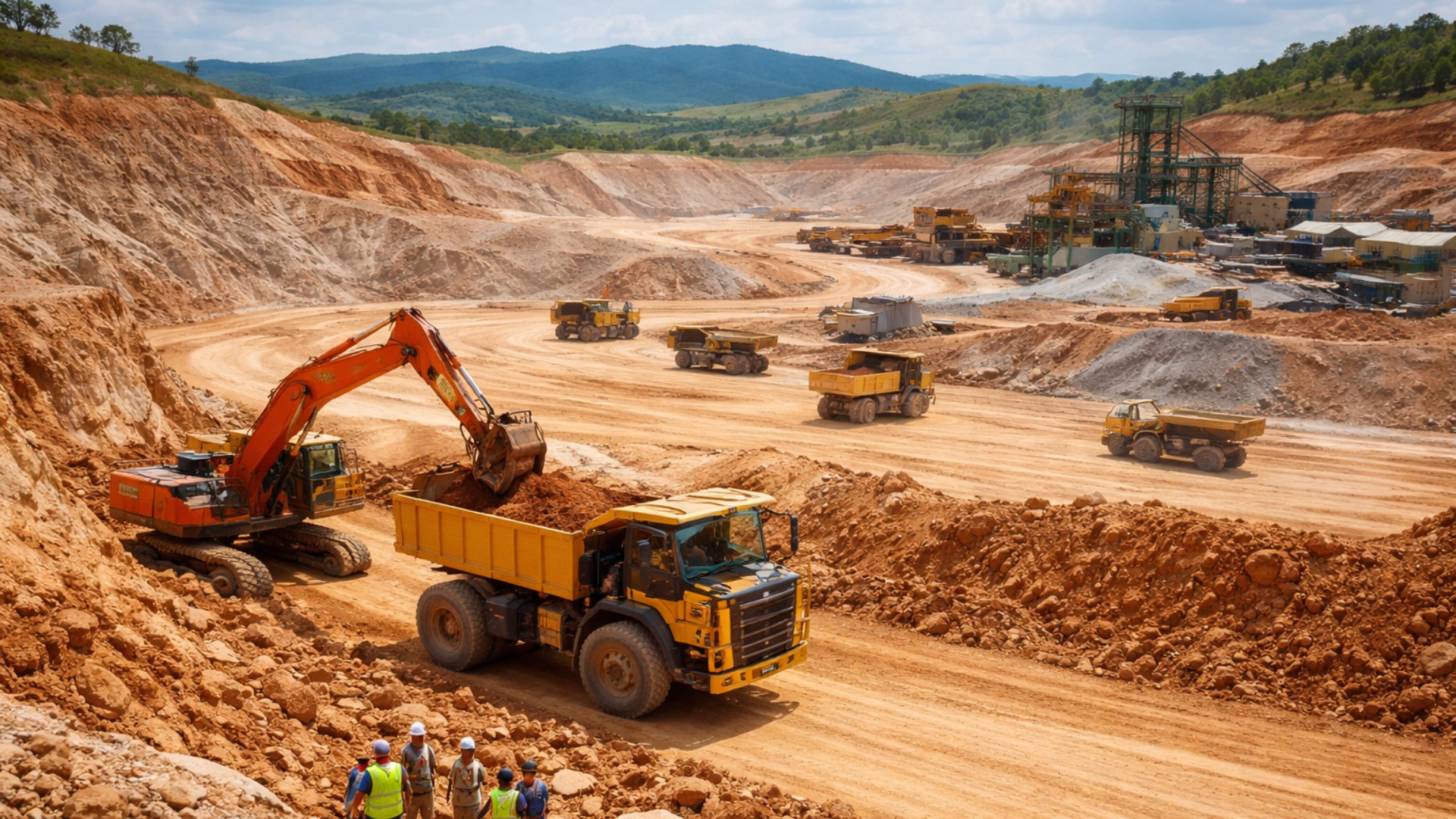
After China, it’s now the turn of the USA to ‘secure’ a share of Brazil’s natural resources: the country buys critical rare earths for R$ 3 billion and enters the center of the global technology dispute.
-
Rare earths are in everything, from cell phones to bullet trains, and what almost no one realizes is why they have become the target of such a delicate global war.

-
Brazil extracts 26.3 million tons of ore from what was previously treated as waste, transforming residues into wealth, producing over 3 million tons of sand, and demonstrating how national mining is relearning to generate value.


This type of gold is considered relatively easy to extract, as it is dispersed in surface sediments, making the operation cheaper than deep mine excavations. Still, it requires specialized equipment, environmental licensing, and strict legal controls to prevent predatory extraction and damage to the ecosystem.
Extraction Will Be Led by State-Owned Company NESPAK
The exploration project will be conducted by the National Engineering Services of Pakistan (NESPAK), a state contractor operating in the energy and infrastructure sector. The company, in partnership with the Department of Mines and Minerals of Punjab, will be responsible for structuring the bidding documents and coordinating transactional consulting services.
According to Zargham Eshaq Khan, managing director of NESPAK, the first steps include detailed mapping of the gold blocks and defining the areas with the highest concentration of the mineral. The proposal is to commence operations as early as 2025, with expected financial returns in the first years of extraction.
Local Population Starts Informal Mining Even with Gold Discovery
Even before the official implementation of the project, residents of the Attock region have begun a true informal gold rush. Heavy machinery has been seen operating along the Indus River, often without any authorization, in a scenario that blends hopes of quick profits with disregard for environmental standards.
To curb the advance of illegal mining, the Pakistani government has enacted the application of Section 144, an emergency legislation that prohibits public gatherings and unauthorized activities in certain areas. The aim is to preserve the area until official operations begin, as well as to prevent premature degradation of the riverbed.
Nonetheless, reports of clandestine mining continue. Experts fear that uncontrolled extraction may cause siltation, water contamination, and environmental imbalance in the region.
The “River of Gold” and the Historical Value of the Indus River – 64 Tons of Gold
The Indus River, where the gold reserve was located, is not just an ordinary watercourse. It is one of the oldest rivers on the planet, playing a central role in the rise of the Indus Valley Civilization, which thrived between 3300 and 1300 BC in the regions that are now part of Pakistan and India.
With a length of over 3,180 km, the Indus originates in Tibet and flows through northern Pakistan to drain into the Arabian Sea. It has always been a source of irrigation, a trade route, and sustenance for millions of people throughout history. Now, with this discovery, the river is back at the center of economic and geopolitical discussions in South Asia.
Why Is There Gold in the Indus River?
Geological studies indicate that the sediments transported by the Indus River contain gold particles originating from the Himalayas. Over millions of years, these metallic fragments have accumulated in certain areas of the riverbed, giving rise to deposits known as alluvial gold.
These particles tend to be flat or rounded due to constant friction with stones and other sediments. In Pakistan’s case, geologists have identified that the highest concentrations of gold occur in river bends and areas of slow current — ideal places to start commercial extraction.
Discovery Could Transform Pakistan’s Economy
Pakistan is experiencing a persistent economic crisis, exacerbated by political instability and difficulties in commercial relations with regional partners. High external debt, rising inflation, and low foreign exchange reserves put the country in a delicate position in the international scenario.
In this context, the discovery of 64 tons of gold emerges as a rare opportunity for fiscal rebalancing and development stimulus. The government hopes that profits from mining will be invested in infrastructure, energy, and social programs.
According to analysts, if extraction is well-managed and regulated, the new gold reserve could represent over a decade of significant revenue for the country, as well as attract foreign investors interested in exploring mineral resources.
Despite the optimism, there are still important doubts about the project’s future. The Pakistani government has not issued an official detailed statement regarding the feasibility of extraction, production timeline, or legal guarantees. It is also unclear whether the partnership with the NESPAK will involve international bidding or be restricted to national operators.
Another critical point is the control of illegal mining. If clandestine mining continues to advance, the country may lose a large part of the reserve even before organized extraction begins. Additionally, the lack of oversight could cause irreversible damage to the Indus River ecosystem.








-

Uma pessoa reagiu a isso.