





 English
  Francês
  Alemão
  Italiano
  Japonês
  Norueguês
  Portuguese
  Spanish
  4 min of reading
  19 comments


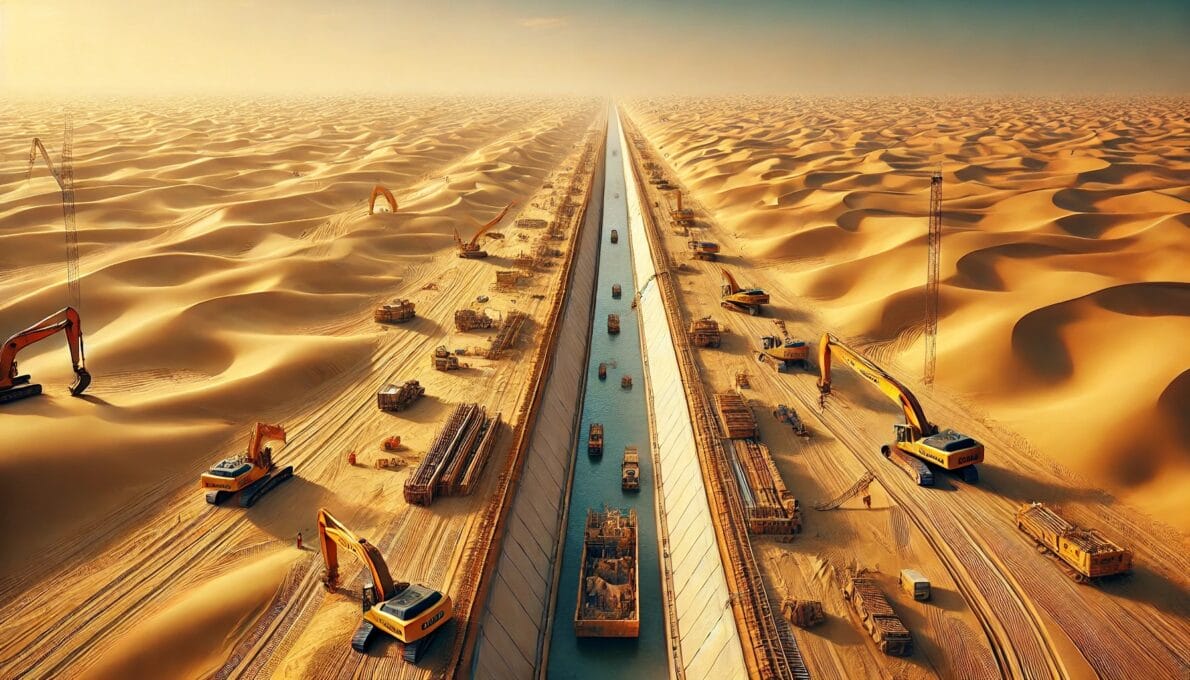

Capable of Bringing Water and Prosperity to the Desert of Pakistan, the Kachhi Canal Will Transform the Region into an Artificial River, Changing the Reality of the Population.
Many regions around the world suffer from water scarcity, a resource essential for both human consumption and agriculture. One such region is the north of Balochistan province in Pakistan. The lack of water has hindered the area’s economic development and complicated the lives of its inhabitants. However, the South Asian country has decided to tackle this challenge with an ambitious project: the Kachhi Canal. This canal has the capacity to transform desert into artificial river, bringing water to one of the driest regions of Pakistan.
Meet the Kachhi Canal, the Project That Could Transform Desert into Artificial River
The Kachhi Canal is an impressive engineering work, with a maximum flow of 6,000 cubic feet per second. This means that, in just one hour, it transports enough water to fill 272 Olympic-sized swimming pools! The goal of the canal is to provide water to irrigate 73,000 acres of barren or partially cultivable land in Balochistan, allowing agriculture to thrive where it was previously impossible.
The construction of the Kachhi Canal began in 2002, with an expected completion in 2008. However, due to funding issues and other setbacks, the project faced several stoppages. Despite these challenges, the plan to transform desert into artificial river was never canceled and, now, more than 20 years later, it is about to be completed. Since 2017, parts of the canal have been operational, providing water to the southern regions of Punjab and northern Balochistan.
-
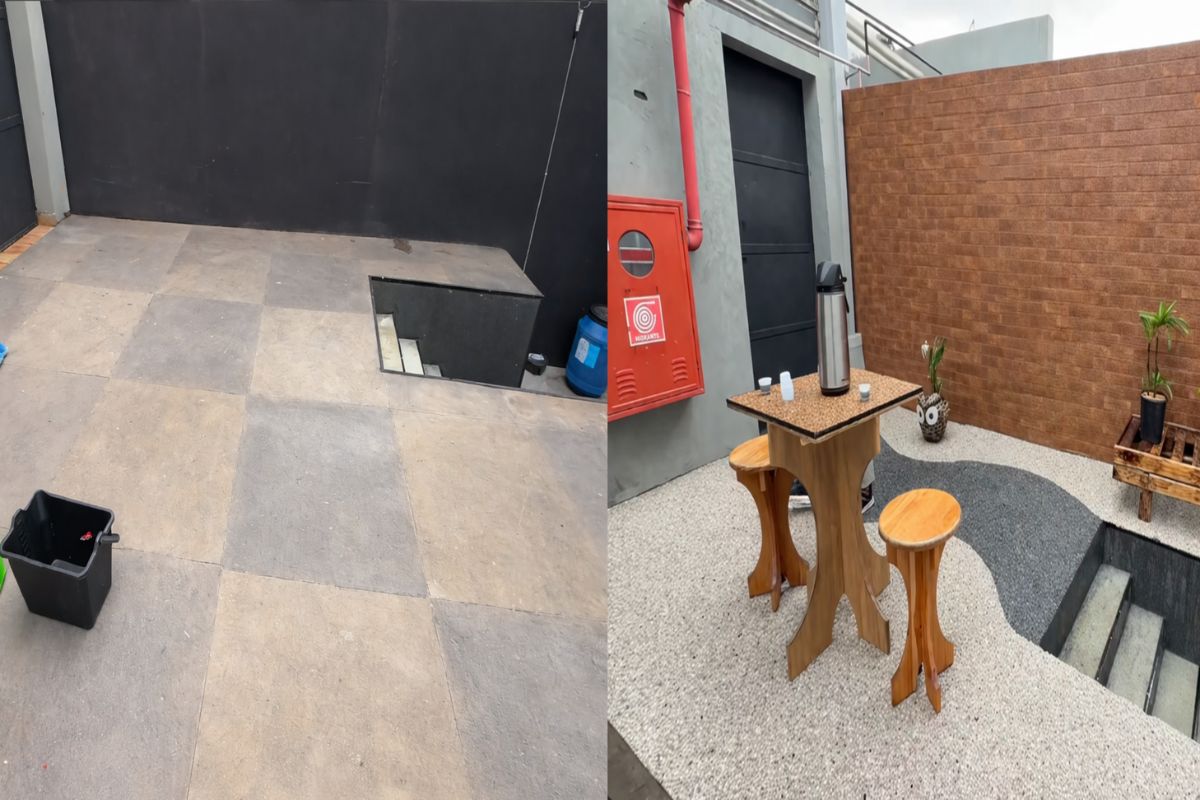
In just three hours, a natural stone floor transforms the entrance of the house with an organic effect, immediate drainage, and a sophisticated non-slip finish that doesn’t puddle water, dries quickly, and impresses with the final result.
-
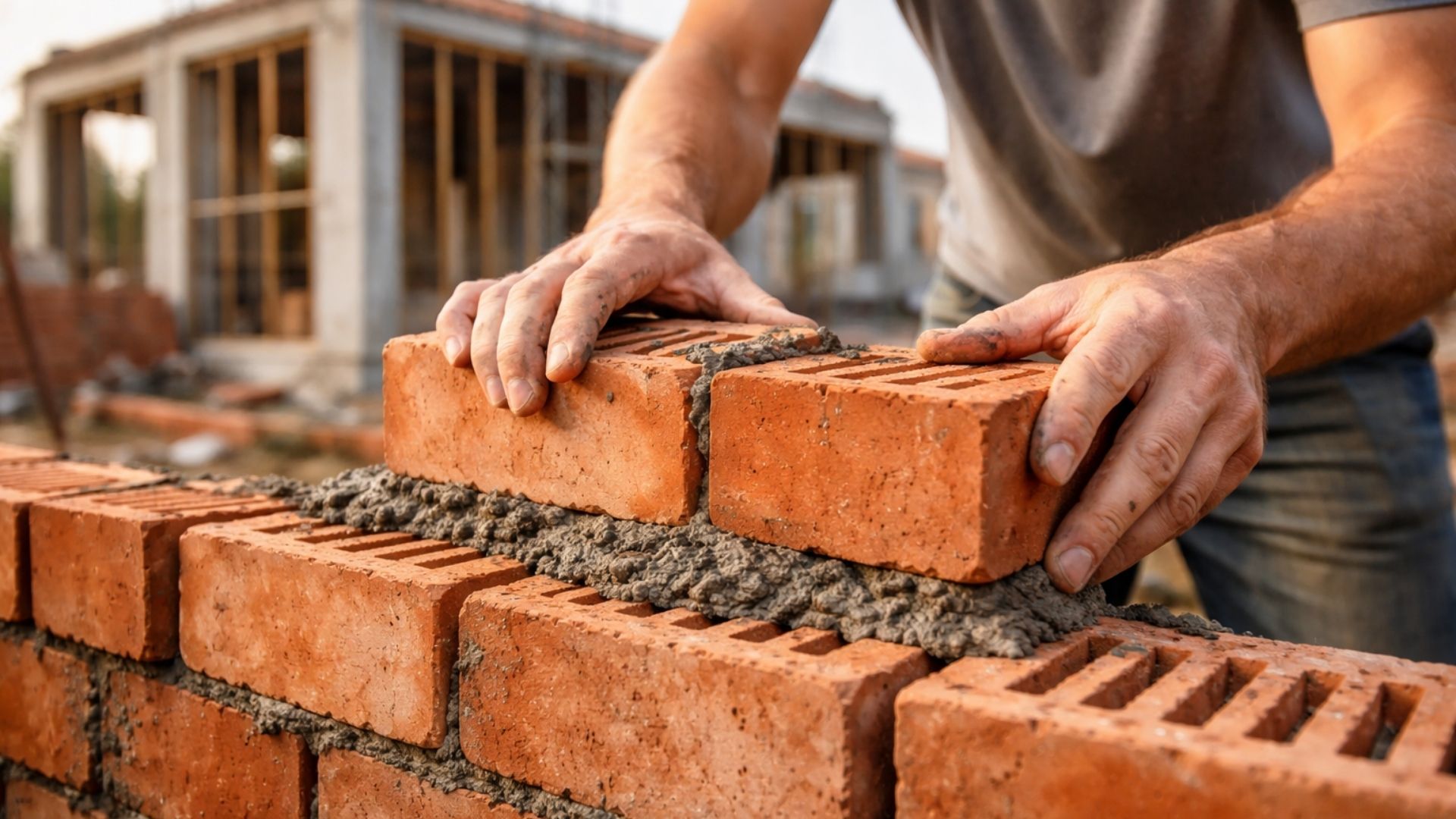
‘Interlocking brick’ made of earth arrives in the construction industry with cost reductions of up to 40% on the project.
-
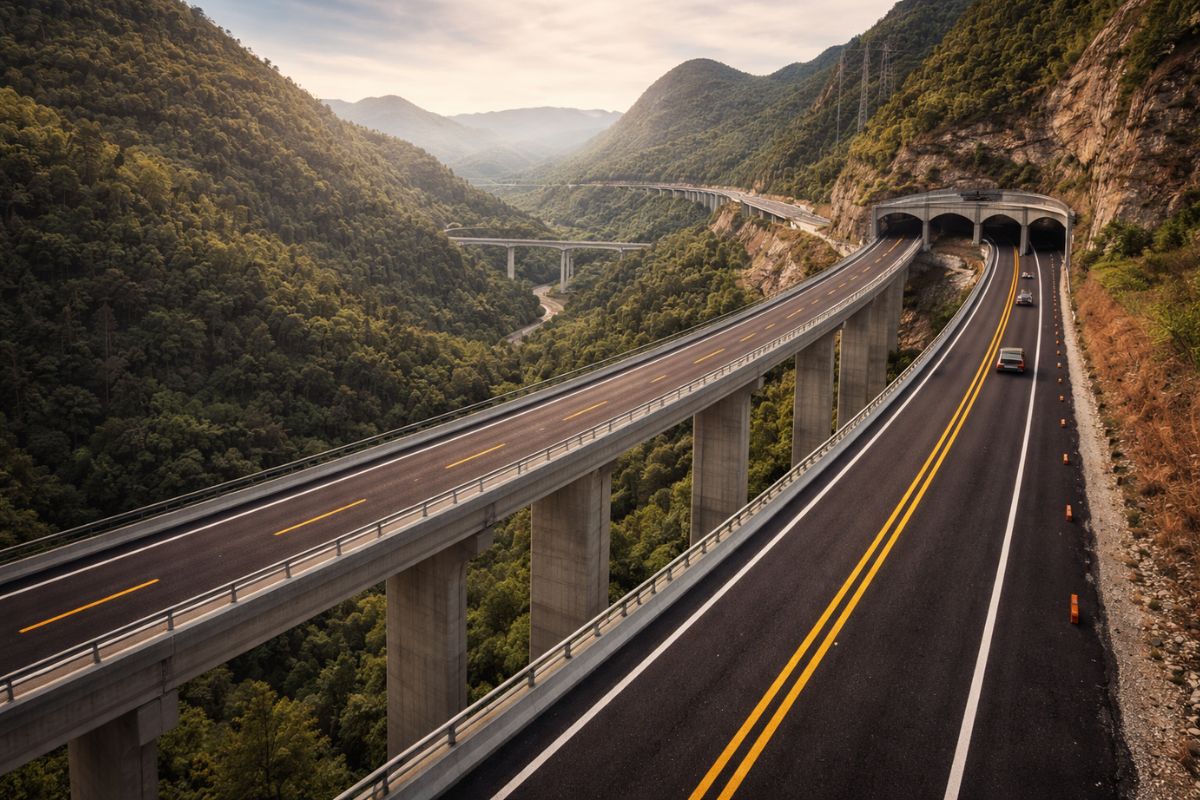
Espírito Santo will receive the largest engineering project in its history with the duplication of BR 262, which will have 50 viaducts, 28 bridges, and 2-kilometer tunnels cutting through the most challenging mountainous region of the entire state.
-
A project of nearly 9 million reais already has the first kilometer paved in Santa Catarina and promises to completely transform the access between Jaraguá do Sul and Rio dos Cedros in an area where tourism is growing at a rapid pace.


Structure and Functioning of the Canal
The Kachhi Canal begins at the Taunsa dam on the Indus River, which is one of the main sources of water for Pakistan. The canal was designed in three phases. In the first phase, a main canal of 399 kilometers was built, including 305 kilometers in Punjab and 94 kilometers in Balochistan. In addition to the main canal, an irrigation canal network extends over 1,500 kilometers, ensuring that water reaches all agricultural fields in the region.
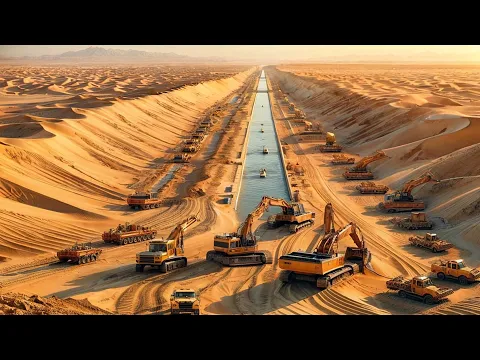

The construction of the Kachhi Canal will not only bring water to a desert region but also bring various economic benefits. It is estimated that the project’s profits will be 19.7 billion rupees per year, equivalent to approximately 710 million dollars.
Considering that the total cost of the project to transform desert into artificial river is 290 million dollars, it is expected that the investment will be recovered in about four years. Additionally, the availability of water will allow for the cultivation of more corn, wheat, legumes, and oilseeds, helping to lift many families out of poverty.
Challenges in the Construction of This Engineering Work in Pakistan
Building a 50-kilometer irrigation canal in a desert region is no easy task. Workers face the scorching heat while operating heavy machinery to excavate and prepare the canal bed. Temporary roads need to be built to facilitate the movement of construction equipment. The canal bed is trapezoidal, with sloped sidewalls to prevent landslides and ensure the stability of the structure.

For the Kachhi Canal to operate correctly, several complementary structures are needed, such as bridges for vehicles and pedestrians, secondary canals, and pipelines. Regulating gates have been installed along the canal to control the flow of water, and an automatic control system has been developed to ensure equitable distribution of water. More than 900 various structures have already been built in the main canal, and this number is expected to increase in the second and third phases of the project.
Kachhi Canal Will Become the Largest Irrigation Route in Pakistan
In 2022, the project faced a major challenge due to a flood that damaged part of the canal. The reconstruction of these sections cost 30 million dollars and delayed the start of the expanded phase of the artificial river. Despite this, the works continue, and the expectation is that construction will be completed as soon as possible, transforming the desert into an artificial river and improving the lives of millions of people in Pakistan.
When the Kachhi Canal is fully completed, it will become the largest irrigation route in Pakistan. About 2 million people will notice an improvement in their lives, thanks to the continuous and reliable access to water. In addition to providing water, the canal will also boost the economic and social development of the region, allowing local residents to cultivate their lands and improve their conditions of living.
The Kachhi Canal is an inspiring example of how engineering and determination can transform desert into artificial river, bringing life and prosperity to arid regions. Pakistan is on the verge of inaugurating one of the largest irrigation projects in its history, demonstrating that, with vision and effort, it is possible to overcome even the most difficult challenges.








ESSA OBRA DO PAQUISTÃO É UM EXEMPLO PARA TRANSFORMAR O MUNDO MELHOR PARA TODOS NÓS.
Aqui demoraram 16 anos para fazer 65% e muiuuuuuuutos desvios de grana, aih PAH chegou o Cara e concluiu o que estava destruído + os 35% que faltavam e levou água aos nordestinos. Derrubaram na fraude o cara e taparam com caminhões de entulho o que ele inaugurou.
Muito repetitivo