Portuguese
  Spanish


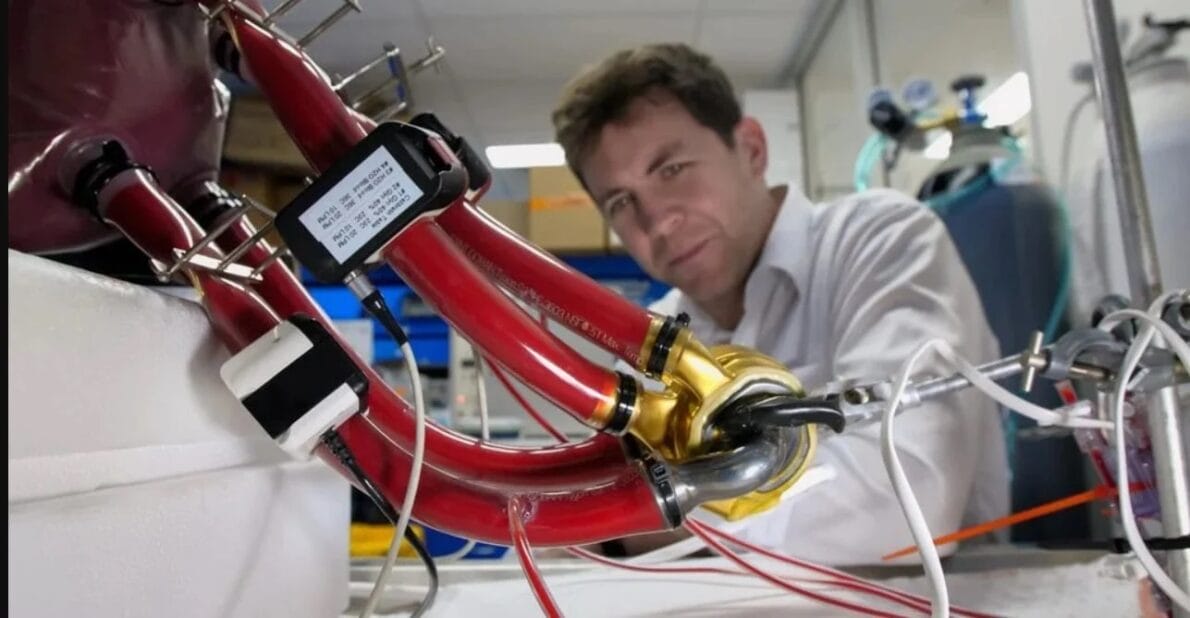

The First Artificial Heart Made of Titanium Was Implanted in a Human Patient, Registering a New Milestone in the Area of Implants, That Began More Than 40 Years Ago.
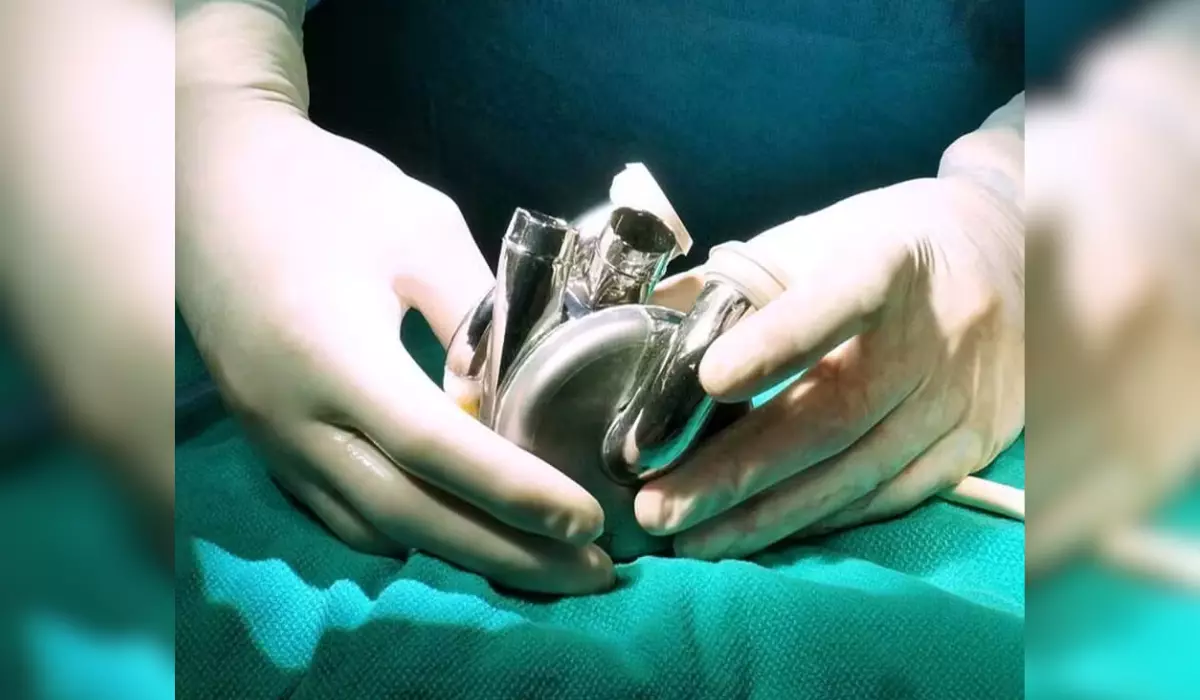
The first fully artificial heart developed with titanium was successfully implanted in a human patient, due to a partnership between the Texas Heart Institute and BiVACOR, a health-focused device company. The proposal of the titanium artificial heart technology in humans is to pump blood and replace both ventricles of someone with heart failure. This significant advancement demonstrates the ongoing progress in medicine and medical device technology, offering new hopes for patients with severe heart diseases.
Texas Heart Institute Comments on the Titanium Heart Implant
The aim of this first study was to understand whether the titanium artificial heart was safe as a temporary solution for patients with severe biventricular heart failure or univentricular heart failure. With the success of this first titanium heart implant in humans, the study will now include four more patients.


The doctors report in an official statement that the implantation occurred as expected, without complications. According to Dr. Alexis Shafii, surgical director of cardiac transplant at Baylor St. Luke’s Medical Center and one of those involved in the procedure, clinically, the titanium heart performed very well.
-
Man Transforms Desert Ranch into Forest by Harvesting Rainwater, Captures 15,000 Gallons in One Downpour, Builds 100 Dams with 6 Volunteers

-
16 kWh Solar Battery Powers Entire Home Off-Grid, Lasts Over 22 Years with 8,000 Cycles, Delivers 10,000 Watts for Appliances
-
Drones Can Now Detect Underwater Mines Hidden by Sand and Algae Using Aerial Images, Special Light, and AI

-
Helicopters Drop “Green Rain” of Seeds Over Remote U.S. Forests to Reforest 19 Hard-to-Reach Areas in Minnesota, Reviving Pine Trees Where Ground Teams Struggle to Access




For Dr. Joseph Rogers, President and CEO of the Texas Heart Institute, with heart failure remaining one of the leading causes of mortality globally, the titanium heart implant in humans by BiVACOR offers a glimpse of hope for many patients awaiting a heart transplant.
The team itself highlights that the successful implantation of BiVACOR’s titanium heart represents the potential for innovative technologies to address critical challenges in cardiac treatment, such as long waiting lists for heart transplants.
Understand How the Titanium Heart Works
The titanium artificial heart uses a “volume displacement pump with flexible polymer diaphragms to pump blood, and thus functions as an electromechanical rotary blood pump.
The company’s website states that the main design innovation of the titanium artificial heart in humans is its simple construction, with a motor and a single magnetically levitated rotor that simultaneously pumps blood to the body and the lungs.
According to Dr. Todd Rosengart, professor and chair of the Department of Surgery at Baylor College of Medicine, the announcement represents a decade of perseverance. This novelty represents a significant advancement, considering that in 2022 we completed 40 years since the first transplant of an artificial heart.
As mentioned earlier, scientists are seeking to use the TAH in the treatment of severe heart failure cases that, according to data released at the end of 2022, affect about 26 million people worldwide. The disease is a chronic condition characterized by the heart’s loss of ability to pump blood.
The First Artificial Transplant in the World
Going back in time, and setting aside this titanium artificial heart, it has been more than 40 years since the first permanent transplant of an artificial heart was performed. The patient in question was dentist Barney Clark from Seattle (USA), who suffered from heart failure.
The surgeon responsible for the operation was Dr. William DeVries from the University of Utah. At the time, the surgeon replaced Clark’s heart with the world’s first permanent artificial heart.
Known as Jarvik-7, the device was made of aluminum and polyurethane and was connected to an air compressor that accompanied Clark for his last 112 days of life. Today, researchers at the University of Utah continue the Advanced Heart Failure program, which actively studies new devices capable of helping in cases of heart failure.