





 Portuguese
  English
  Spanish
  4 min of reading
  0 comments


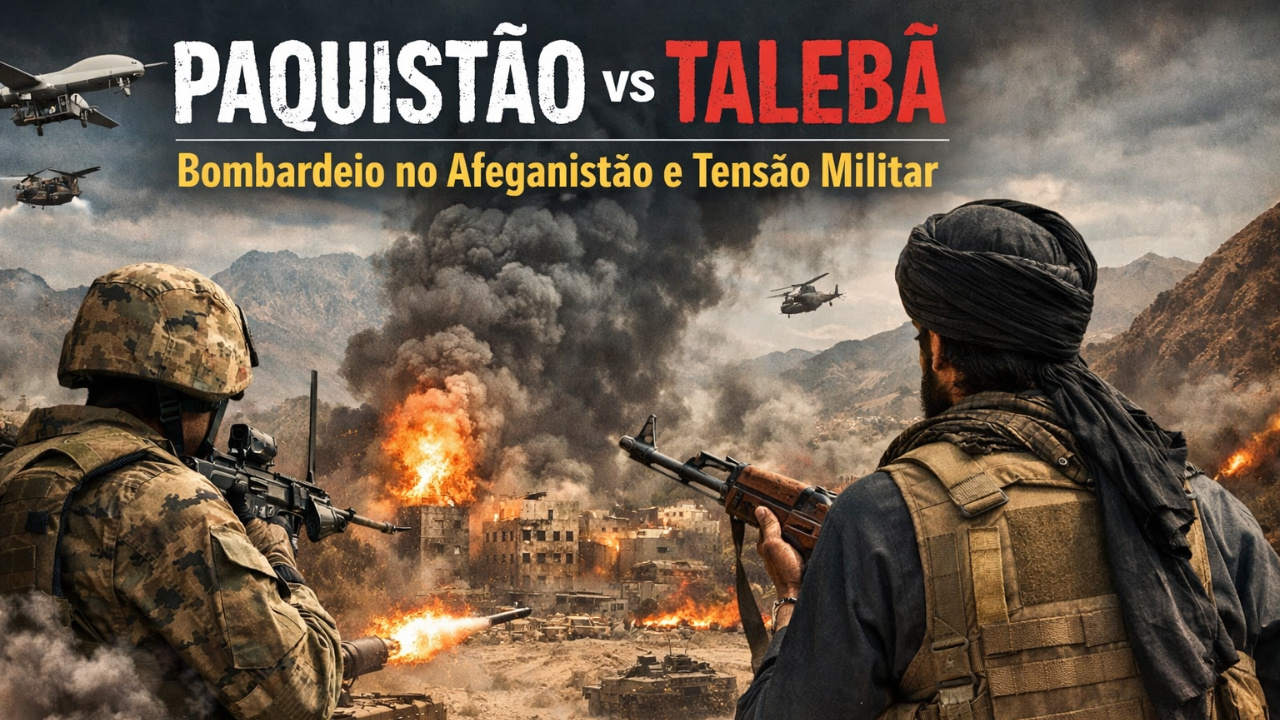
Pakistan Taliban Exchange Attacks After Afghanistan Bombing and Escalate Military Tension at Border, with Risk of Open War.
The conflict between Pakistan Taliban reached a new level on Friday (27), when Pakistani forces bombed Kabul, Kandahar, and Paktika following a Taliban offensive against military posts at the border.
The confrontation occurred along the 2,600 km line that separates the two countries, intensifying military tension in the region.
The escalation comes months after a fragile ceasefire and raises fears of an open war.
-
USA and China compete for Brazil over resources that could be worth trillions — rare earths put the country at the center of a global dispute

-
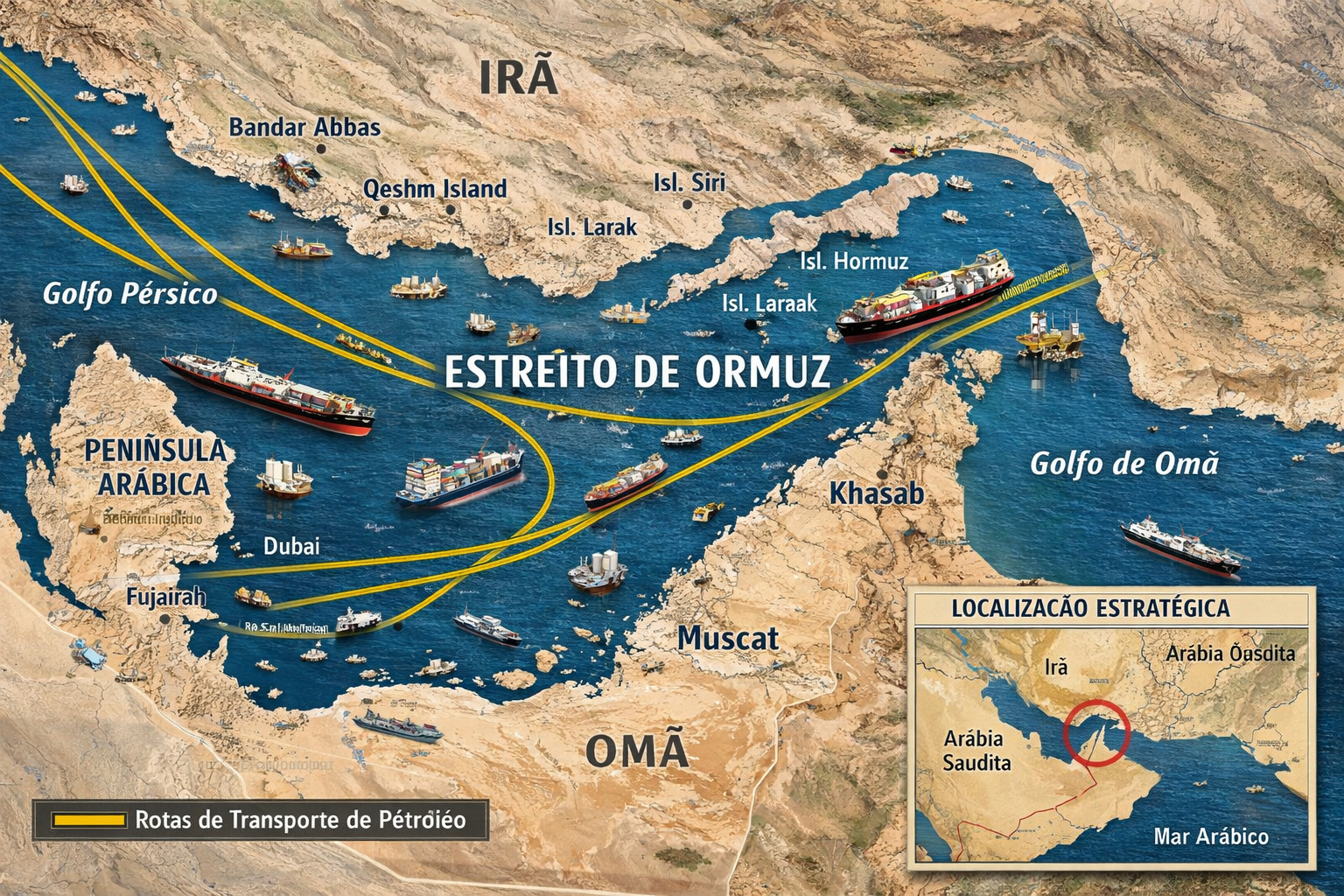
Global summit with over 40 countries pressures Iran for a blockade in the Strait of Hormuz and warns of direct impact on oil, food, and the global economy.
-
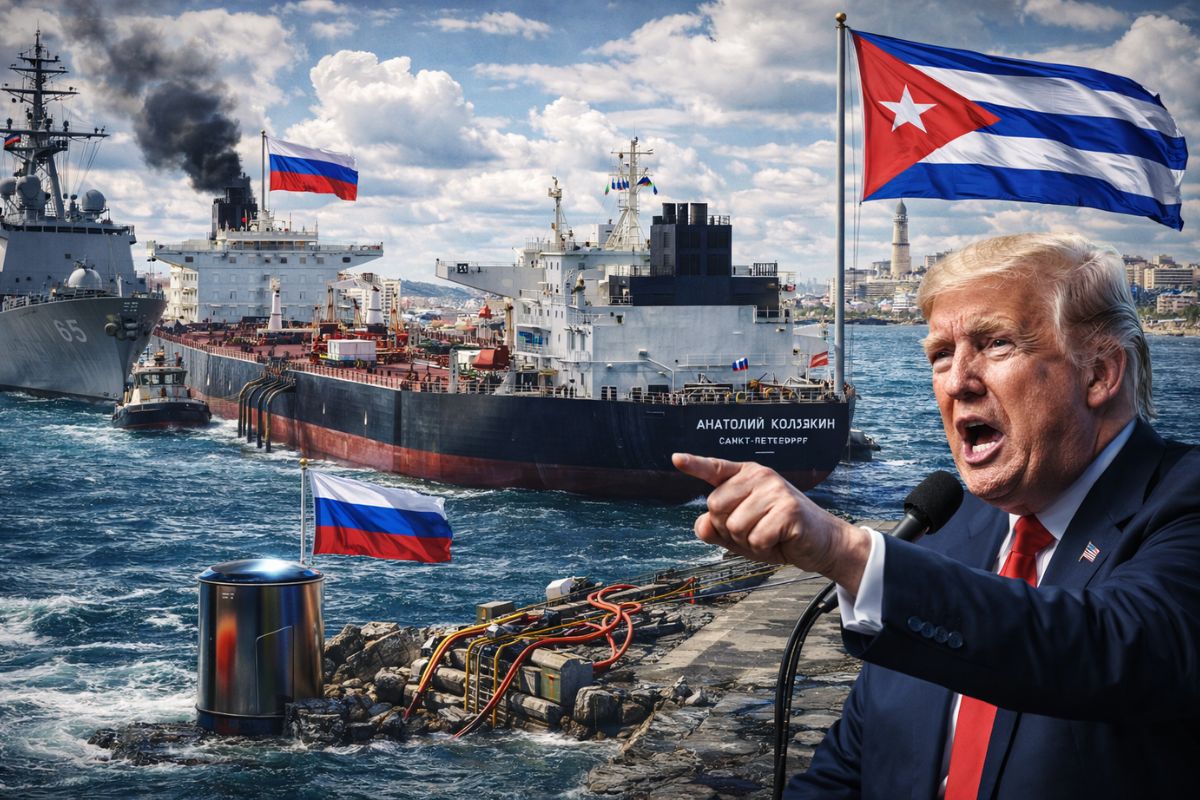
Russia has broken the U.S. maritime blockade to send oil to Cuba and is now loading a second ship while Trump says that “Cuba is next” in a possible military action against the island.
-
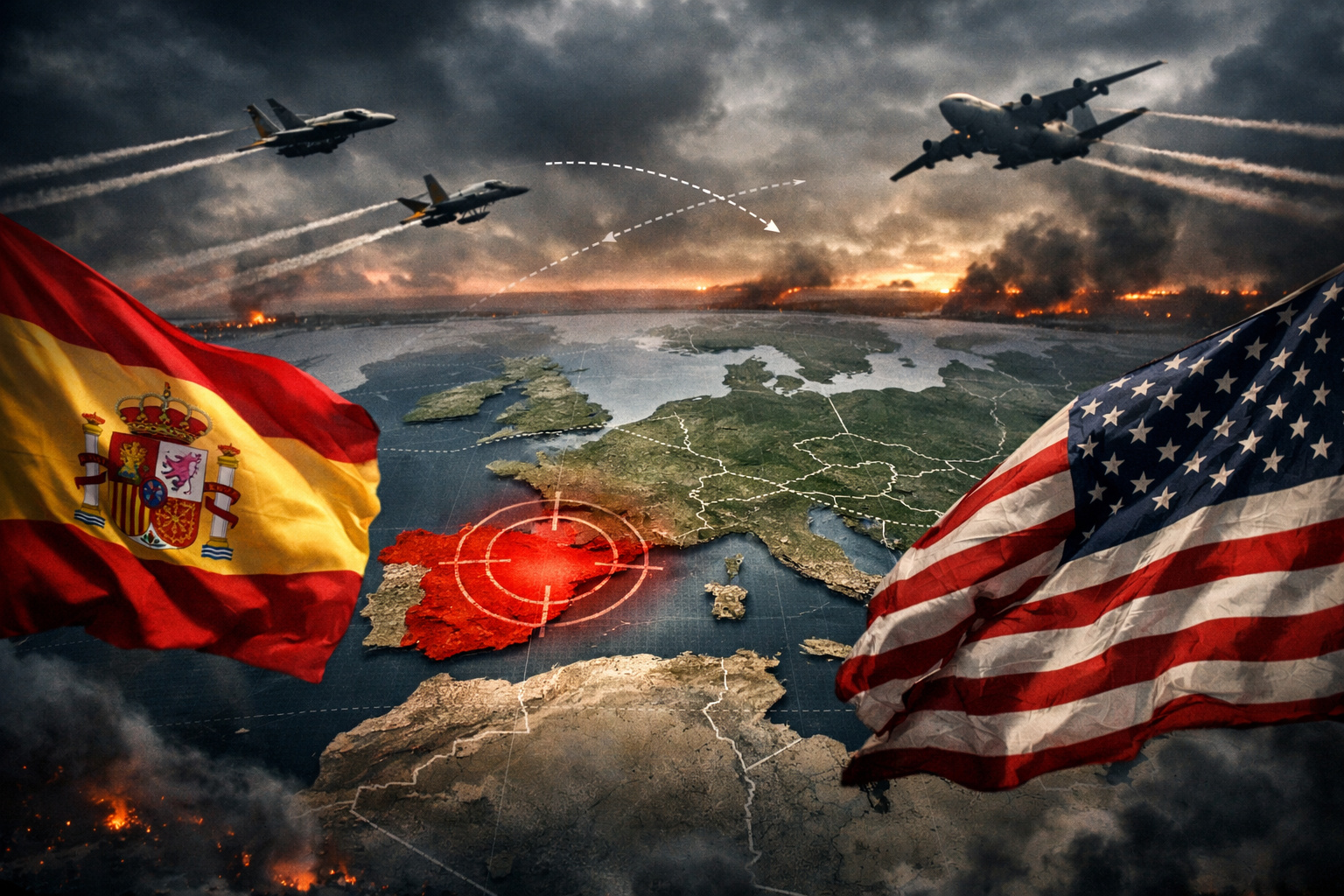
Spain challenges the USA and closes its airspace for operations against Iran, raising global tension and provoking the threat of a trade rupture.

The central reason is the exchange of accusations over cross-border attacks and support for armed groups.
According to authorities, the offensive began on Thursday night (26), when the Taliban claimed to have attacked Pakistani bases.
In a matter of hours, Islamabad responded with the bombing of Afghanistan, labeling the action as an “immediate and effective response.”
Border Conflict Intensifies After Night Offensive
Initial reports indicate that fighting occurred simultaneously in several border provinces.
Taliban authorities said the operation began at 8 PM local time, targeting areas near Nangarhar, Kunar, Khost, and Paktika.
On the other hand, Pakistan stated that there was “unprovoked” fire against positions in Khyber Pakhtunkhwa.
The response came with airstrikes against targets within Afghan territory, including the capital.
This move marks the most serious episode of the current border conflict since the deadly clashes of 2025.
Drones and Airstrikes Increase Military Tension
The Taliban declared that it used drones against three locations in Pakistan, including military facilities in Nowshera and areas near Abbottabad.
A Pakistani official claimed that all the devices were intercepted.
Experts believe that these drones are generally commercial models adapted with explosives.
This limits the range but demonstrates unprecedented attack capacity beyond the border.
Meanwhile, Islamabad reported hitting 22 military targets in the bombing of Afghanistan, claiming that there was “great care” to avoid civilian casualties.
Divergent Numbers of Dead and Destruction
Each side presented different data on casualties.
Pakistan stated that 274 Taliban fighters were killed and 73 posts destroyed, along with the loss of 12 Pakistani soldiers.
On the other hand, the Taliban claimed that 13 fighters died and accused Pakistan of hitting civilians, including a farmer’s house in Jalalabad and a religious school in Paktika.
The group also claimed to have killed 55 Pakistani soldiers and destroyed 19 bases.
The divergence is common in scenarios of military tension, where independent information is hard to confirm.
Open War and International Reaction
The Pakistani Prime Minister, Shehbaz Sharif, stated that his country “crushed” the aggression.
The Defense Minister went further and declared “open war” against the Taliban.
In response, a Taliban spokesperson said that the group “will retaliate if attacked, but will not initiate confrontations at this time.”
Later, the Taliban itself stated that it prefers to resolve the crisis through dialogue.
The UN called for immediate de-escalation. Iran offered to mediate, highlighting that the conflict occurs during Ramadan.
China and Saudi Arabia also called for moderation.
Why the Pakistan Taliban Conflict Has Escalated Again
The Pakistan Taliban has been experiencing months of hostility.
Islamabad accuses Kabul of harboring “anti-Pakistan terrorists,” blamed for attacks in the country, including a recent attack on a mosque.
The Taliban government denies this and asserts that its territory is not used against neighbors.
It also accuses Pakistan of airstrikes that allegedly killed civilians.
Earlier this week, Pakistani bombings had already left at least 18 dead, according to the Taliban.
This history has fueled the current cycle of retaliation.
What Changes in This New Phase of the Bombing of Afghanistan
Analysts believe the main difference is the target.
Previously, Pakistan claimed to only target insurgent groups.
Now, operations would have hit installations of the Taliban government itself.
“Now, the target is the regime itself,” said Michael Kugelman of the Atlantic Council.
This raises the risk of direct confrontation between state forces and the Taliban, something considered unlikely until recently.
Risk of Open War at the Border
Despite Pakistan’s military superiority — which includes nuclear weapons — experts believe that the Taliban will likely avoid a conventional war. However, the group has guerrilla experience and may escalate targeted attacks.
The Taliban military chief, Qari Muhammad Fasihuddin, declared that Pakistan can expect “an even more decisive response.”
Furthermore, attacks on cities like Abbottabad indicate greater operational reach.
This scenario keeps the open war as a real risk, especially if new bombings of Afghanistan occur.
Regional Impact of the Border Conflict
The crisis worries neighboring countries and could destabilize South Asia.
The border between Afghanistan and Pakistan has historically been volatile, with territorial disputes and the presence of armed groups.
If military tension continues, there is a risk of civilian displacement, disruption of trade routes, and increased regional insecurity.
For now, the international community is pushing for dialogue.
However, with the hardened rhetoric from both sides, the border conflict remains without an immediate solution.
See more at: Pakistan Bombards Afghanistan: What We Know About the New Focus of Tension – BBC News Brasil








Seja o primeiro a reagir!