





 Portuguese
  English
  Spanish
  3 min of reading


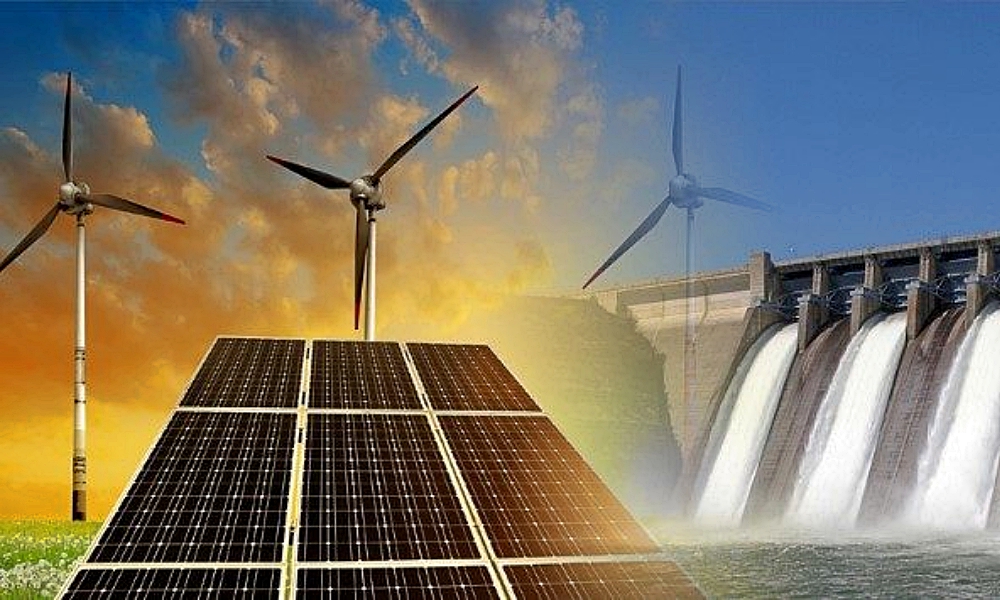
A survey conducted by CNN showed that 19 thermoelectric plants and one nuclear are under construction in Brazil. One will be ready this year
A survey recently released by CNN showed that it won’t take long for Brazil to increase its energy generation capacity. Currently, the country has 19 thermoelectric plants and one nuclear power plant under construction. Together, they will add 5,080 megawatts to the National Interconnected System (SIN) by 2026. Among the energy projects, seven will have fossil fuels as their source of energy. The other 12 will be powered by biomass, using black liquor, a byproduct from the paper and cellulose industry, and sugarcane bagasse. Check out this news: AXS Energia will invest R$ 1 billion in 60 solar photovoltaic plants in Minas Gerais
- Saudi Arabia starts construction of the first solar plant capable of desalinating seawater
- Nestlé opens online recruitment process with vacancies for candidates without experience in its trainee program
- After Ford Ka and Hyundai HB20, Duster scores zero in impact test and multinational Renault may face a million-dollar fine
- 335 job openings available today (09/08) from a contractor in the oil and gas sector, ports, mining, steel industry, chemical industries, cellulose, and energy
- Ventura Petróleo is offering job openings in Macaé
Alternatives for Energy Production in Brazil
Xisto Vieira Filho, president of the Brazilian Association of Thermoelectric Generators (Abraget), emphasizes that the sector dispatches more than 21 thousand megawatts of energy to the country daily and that, without it, the current level of reservoirs in hydroelectric plants would be at 4%. He advocates for the use of renewable sources but understands that it is necessary to have alternatives, as the construction of such plants takes three to six years, depending on their size.
The executive also states that natural gas and nuclear energy can produce more energy than other types of thermoelectric plants with just one facility. Hydroelectric, solar, and wind energy are excellent and low-cost, but if there is no water, sun, or wind, there is no energy. They present a high level of intermittency. Brazil needs more thermoelectric plants because of this; they continue to dispatch energy regardless of weather conditions, says Vieira.
-
A new Brazilian shopping center worth R$ 400 million will be built in an area equivalent to more than 4 football fields, featuring 90 stores, 5 cinemas, a supermarket, a college, and parking for 1,700 cars, potentially generating 3,000 jobs.

-
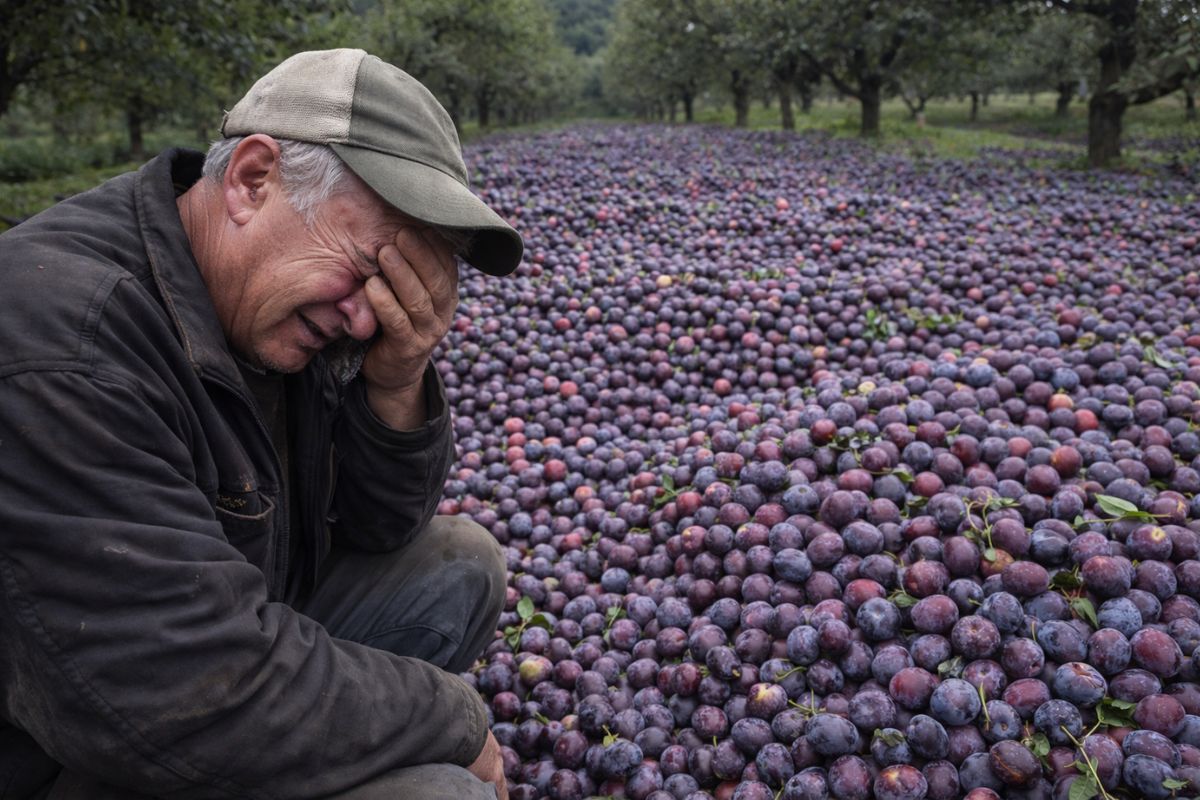
A rural producer from Urubici cries as he shows 50 tons of plums thrown on the ground because no one wanted to buy them, and in desperation, he records a video asking anyone to come to the property to pick the fruits before they rot.
-
Larger than entire cities in Brazil: BYD is building a 4.6 km² complex in Bahia with a capacity for 600,000 vehicles per year, but the discovery of 163 workers in conditions analogous to slavery has shaken the entire project.

-
Unable to pass through Hormuz, Brazil activated a plan B that uses Turkey as a gateway to the Middle East: the route through Gibraltar and the Mediterranean is longer and more expensive but ensures that chicken, beef, and corn continue to reach Arab markets.


Power Plants Under Construction Across the Country
The Açu Natural Gas Power Plant in São João da Barra, in Northern Fluminense, is the largest among those planned, with a capacity of 1,388 megawatts, and is expected to be the first to be completed. And the only one for 2021. The project, in its current phase, involves the implementation of two combined cycle thermoelectric plants powered by natural gas (UTE GNA I and UTE GNA II), with the capacity to generate 3,000 MW of firm energy for Brazil. Together, the two plants will generate enough energy to supply about 14 million households.
The Marlim Azul Thermoelectric Plant recently started a new phase of construction with the arrival of new equipment. The construction site in the city of Macaé registered the delivery of the generator that will comprise the production system of the UTE, one of the most modern and efficient in the world. The 500-ton equipment has the capacity to produce 615 MW (megawatt) per hour of energy, enough to meet the direct consumption of 1.5 million people.
The Imetame UTE will be Brazil’s first carbon-neutral thermoelectric plant. With 50 MW, located in Camaçari, in the state of Bahia, the thermoelectric plant will begin operations in the second half of next year and will receive an initial investment of R$ 180 million.
The Angra 3 project will be the third plant of the Almirante Álvaro Alberto Nuclear Power Plant (CNAAA), located on the beach of Itaorna in Angra dos Reis (RJ). When it enters commercial operation, the new unit with a capacity of 1,405 megawatts will be able to generate more than 12 million megawatt-hours per year, enough energy to supply the cities of Brasília and Belo Horizonte during the same period. With Angra 3, nuclear energy will account for 50% of the consumption in the state of Rio de Janeiro.







Seja o primeiro a reagir!