





 Portuguese
  English
  Spanish
  4 min of reading
  2 comments





Teresa Ter-Minassian, Former Director of the IMF, Details in Interview with the Legal Advisor That the Path to Sustainable Development of Brazil Passes Through Macroeconomic Stability, Tax Spending Cuts, and a New Approach to Property Taxation.
For Brazil to achieve solid and long-term economic growth, it is essential to adopt a stable fiscal policy that attracts investors, reduce tax expenditures, which currently consume between 2% and 3% of GDP, and improve property taxation. The analysis was made by economist Teresa Ter-Minassian, former director of the Fiscal Affairs Department of the International Monetary Fund (IMF), during the II Future of Taxation Forum in Lisbon. The expert, who now acts as a senior consultant for the Inter-American Development Bank (IDB), highlighted that, despite the challenges, the Brazilian scenario offers reasons for optimism.
According to Ter-Minassian, in an interview with the Legal Advisor portal, stability is the key to providing security to investors, both foreign and domestic, thereby stimulating innovation and increasing potential growth. Without sustainable progress, public debt, already considered high, will continue to grow, which necessitates achieving significant primary surpluses. The economist advocates that the country needs to follow a path of fiscal discipline combined with efficient social policies, with tax reform being a crucial step in this direction.
The Pillars of Economic Stability
Building a reliable business environment is the first step for the development of Brazil, according to Teresa Ter-Minassian’s analysis. She points out that a predictable macroeconomic and fiscal policy is essential to “provide security to investors, to attract capital, and also to motivate domestic investors”. The objective is clear: to create a virtuous cycle where confidence translates into investments, innovation, and consequently, greater and more sustainable potential growth.
-
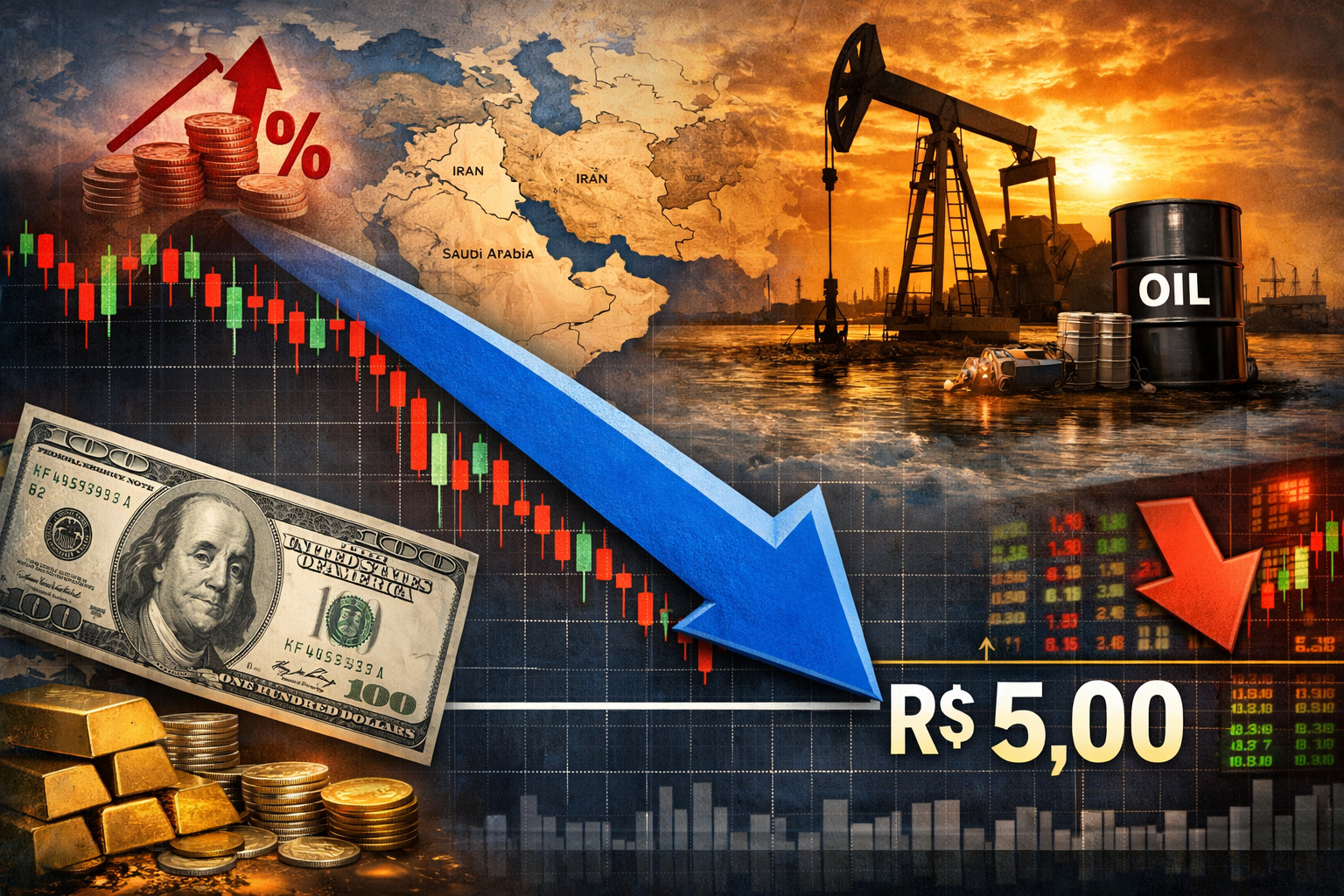
Weak dollar or strong real? The American currency plummets for the third day, approaching R$ 5 and surprising the market with global inflation and tensions in the Middle East that continue to create global uncertainty.
-
China’s investments in Brazil in factories, energy, oil, electric cars, and new industrial projects double to $4.2 billion, making the country the 3rd largest global destination for Chinese capital.

-
Lula announced that 160,000 students in debt with FIES will be included in the federal government’s renegotiation package and compared the cost of an inmate to that of a student by saying that Brazil invests in criminals when it does not invest in education.

-
Young people are leaving college in the United States and competing for jobs in construction with salaries of R$ 500,000 per year.

As detailed by the economist to the Legal Advisor, controlling public debt is an urgent task. To stabilize and, in the medium term, reduce indebtedness, the country needs to generate consistent primary surpluses. This means the government must collect more than it spends, excluding debt interest payments. The logic is that, with finances in order, the pressure on interest rates decreases, creating a more favorable scenario for debt dynamics and the economy as a whole.
Where to Cut and Where to Invest?
The IDB specialist identifies two main fronts to adjust public accounts without increasing Brazil’s already high tax burden. The first is the reduction of so-called tax expenditures — fiscal incentives and exemptions, which, according to her, represent “at least 2% to 3% of GDP”. Revising these benefits would allow the government to collect more without needing to increase existing tax rates. The second front is the search for efficiency gains in public spending, with better prioritization and allocation of resources.
In this regard, Ter-Minassian sees the digital economy as a powerful ally to “better target social programs”, ensuring that aid reaches those who truly need it. From the revenue side, she suggests exploring areas of taxation that are still underdeveloped in the country, such as “green taxes and property taxes, which remain quite low” compared to developed countries. For her, new technologies can help overcome challenges such as informality in the real estate market and improve the collection of these taxes.
Tax Reform as an Engine of Growth


The ongoing tax reform, focused on consumption taxes, is seen by Teresa Ter-Minassian as a fundamental advance for Brazil. According to the Legal Advisor, she believes the change will have a “positive impact on the country’s potential growth” in the medium and long term. One of the main benefits will be the elimination of the “fiscal wars” between states, a chronic problem that generated distortions and legal uncertainty.
The rationalization of the system, with the unification of taxes such as the ICMS into the new IBS (Goods and Services Tax), will bring more simplicity and transparency. Besides unification, the former IMF director praised the progress in tax administration, which she considers “essential for our compliance”. A more modern and efficient management is crucial to ensure that the new rules translate, in practice, into a fairer and more competitive business environment.
Challenges and a Look to the Future
Despite the optimism, the economist recognizes that Brazil still faces significant obstacles. One of them is the high interest rate, which, to be sustainably reduced, depends on a “great macroeconomic stability” and a favorable external scenario. The reduction of government financing needs, through larger surpluses, is also a factor that would help lower interest rates, initiating a “virtuous circle” for public debt.
Another complex issue is regional inequality. Ter-Minassian believes that the solution does not lie in granting autonomy to states to create their own consumption taxes, but rather in a robust system of “equalization transfers”, something that, according to her, Brazil still does not have in a formal and efficient manner. She concludes that, although there is no imminent risk of a fiscal crisis, the country needs to advance with structural reforms to ensure its long-term growth, requiring greater understanding by the political class about the urgency of these changes.
Do you agree with this change? Do you think it impacts the market? Leave your opinion in the comments; we want to hear from those who experience this in practice.






Experts agree that Child Sleep affects every stage of childhood. By ensuring balance between care, education, and play, parents can give their children the foundation they need for success in later life. Understanding Child Sleep can help caregivers make better decisions regarding daily care and long-term wellbeing. The right balance of nutrition, rest, and mental stimulation contributes to overall growth and happiness.
I must say this article is extremely well written, insightful, and packed with valuable knowledge that shows the author’s deep expertise on the subject, and I truly appreciate the time and effort that has gone into creating such high-quality content because it is not only helpful but also inspiring for readers like me who are always looking for trustworthy resources online. Keep up the good work and write more. i am a follower.