





 Portuguese
  English
  Spanish
  6 min of reading
  0 comments


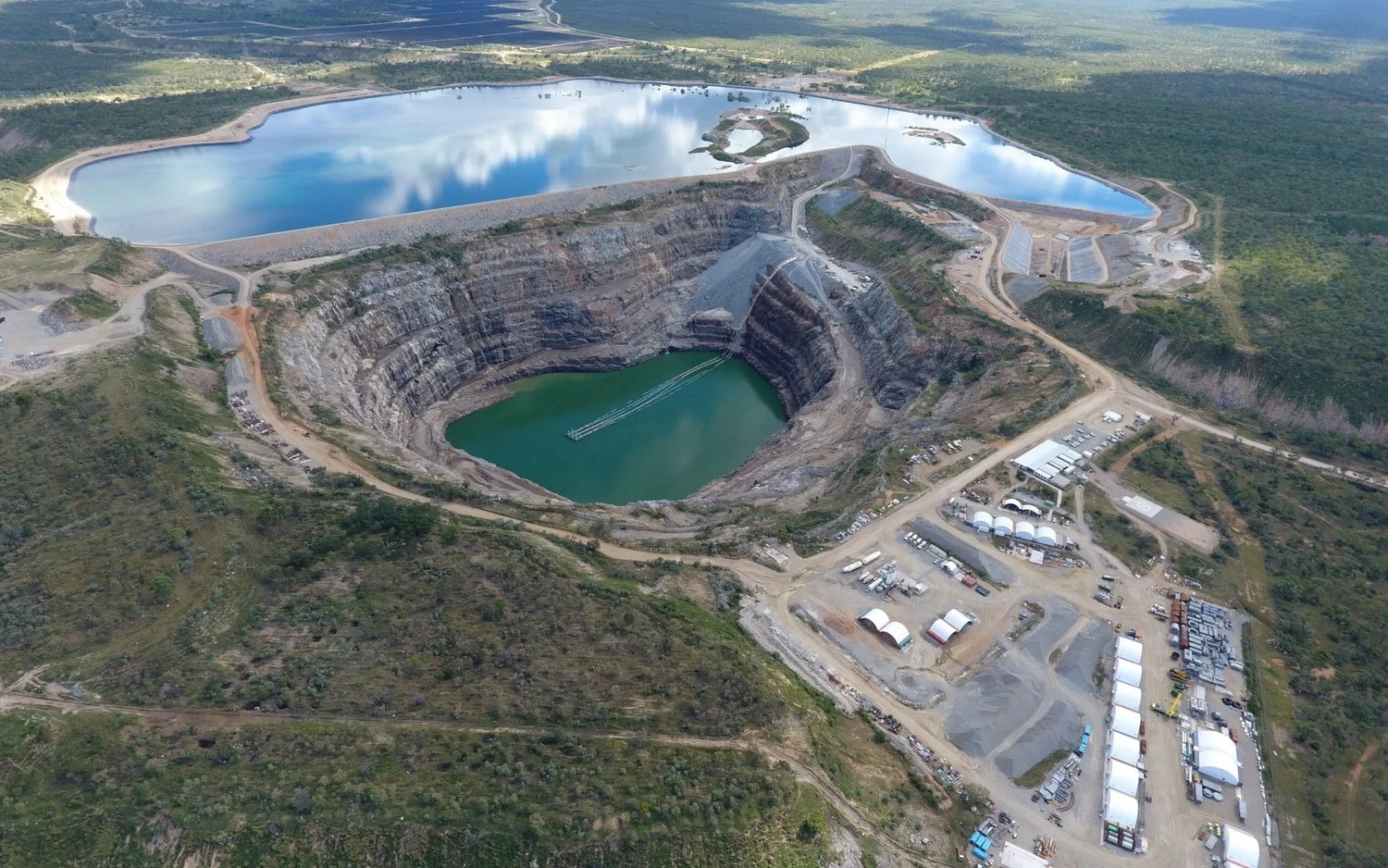
Sweden Hosts 390 MW Underground Hydropower Plants Carved into Arctic Granite, with Giant Caverns, Pressurized Tunnels, and Operation Invisible from the Surface.
The existence of these underground plants appears in historical reports from Vattenfall AB (Swedish state-owned company), in the technical literature of geology and hydropower used in the country, and in engineering documentation accessible by universities and research centers.
Sources like Vattenfall, Hydropower Sustainability Council, GHD Report Series on Nordic Hydropower, as well as academic repositories linked to KTH Royal Institute of Technology and Luleå University of Technology, describe the characteristics of caverns, capacity, and commissioning dates, especially for the plants Vietas and Akkats, located in the municipality of Jokkmokk, in northern Sweden.
This information is not rumors, experiments, or models: it is part of the operational infrastructure that has been fueling the Swedish electric grid since the 1970s.
-
Created by George Lucas with over $1 billion, a futuristic museum in the shape of a spaceship with 1,500 curved panels is about to open in Los Angeles and will house one of the largest private collections of narrative art in the world.

-
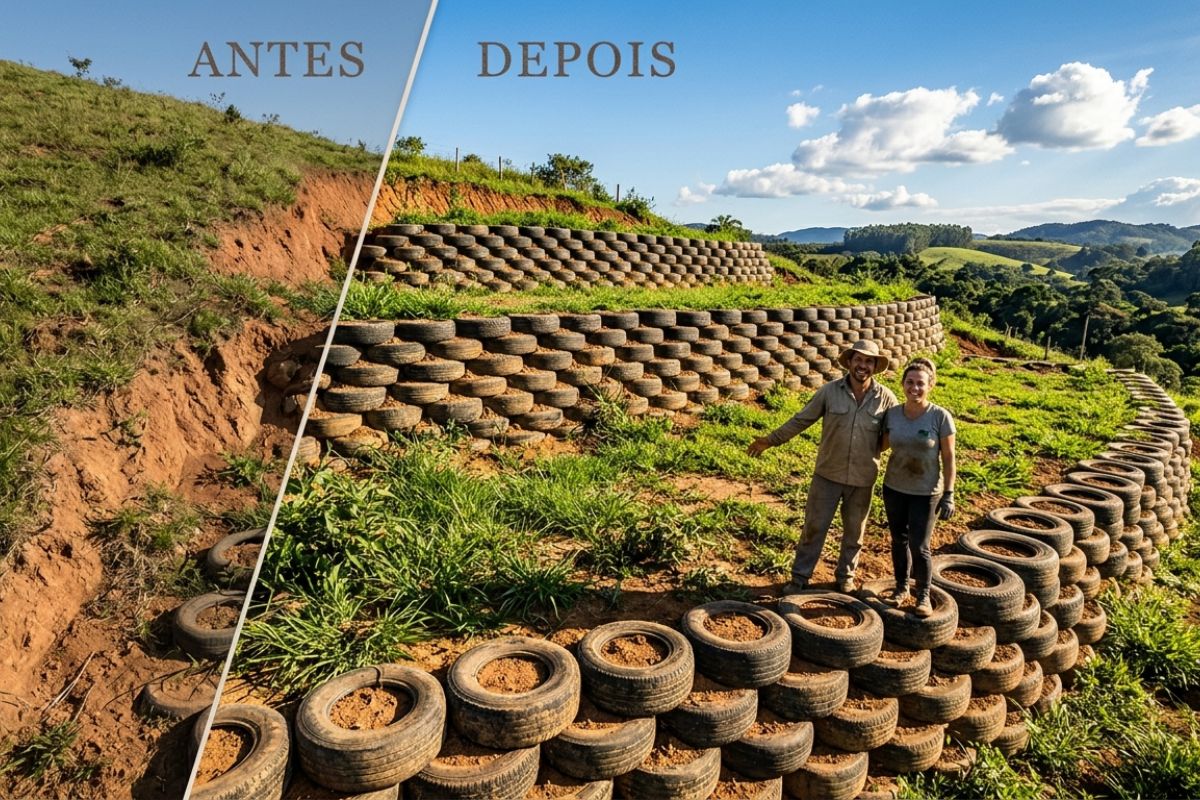
Couple shows how they built a retaining wall on their property using 400 old tires: sloped land turned into plateaus, tires are aligned, filled, and compacted with layers of soil, with grass helping in support and at almost zero cost.
-
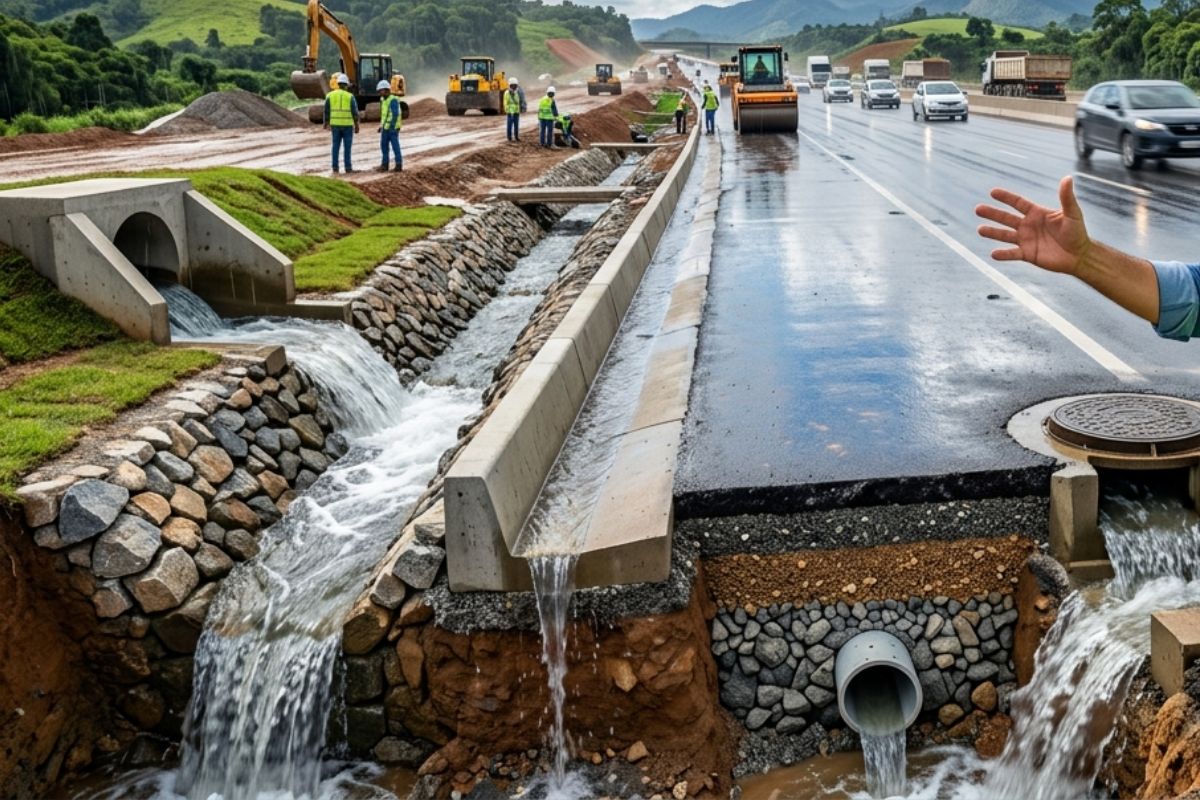
Engineer explains drainage during the rainy season: the difference between surface water and deep water, ditches, gutters, and water outlets on the road, as well as drains and drainage mattresses, to prevent erosion, aquaplaning, and flooding at the construction site today.
-
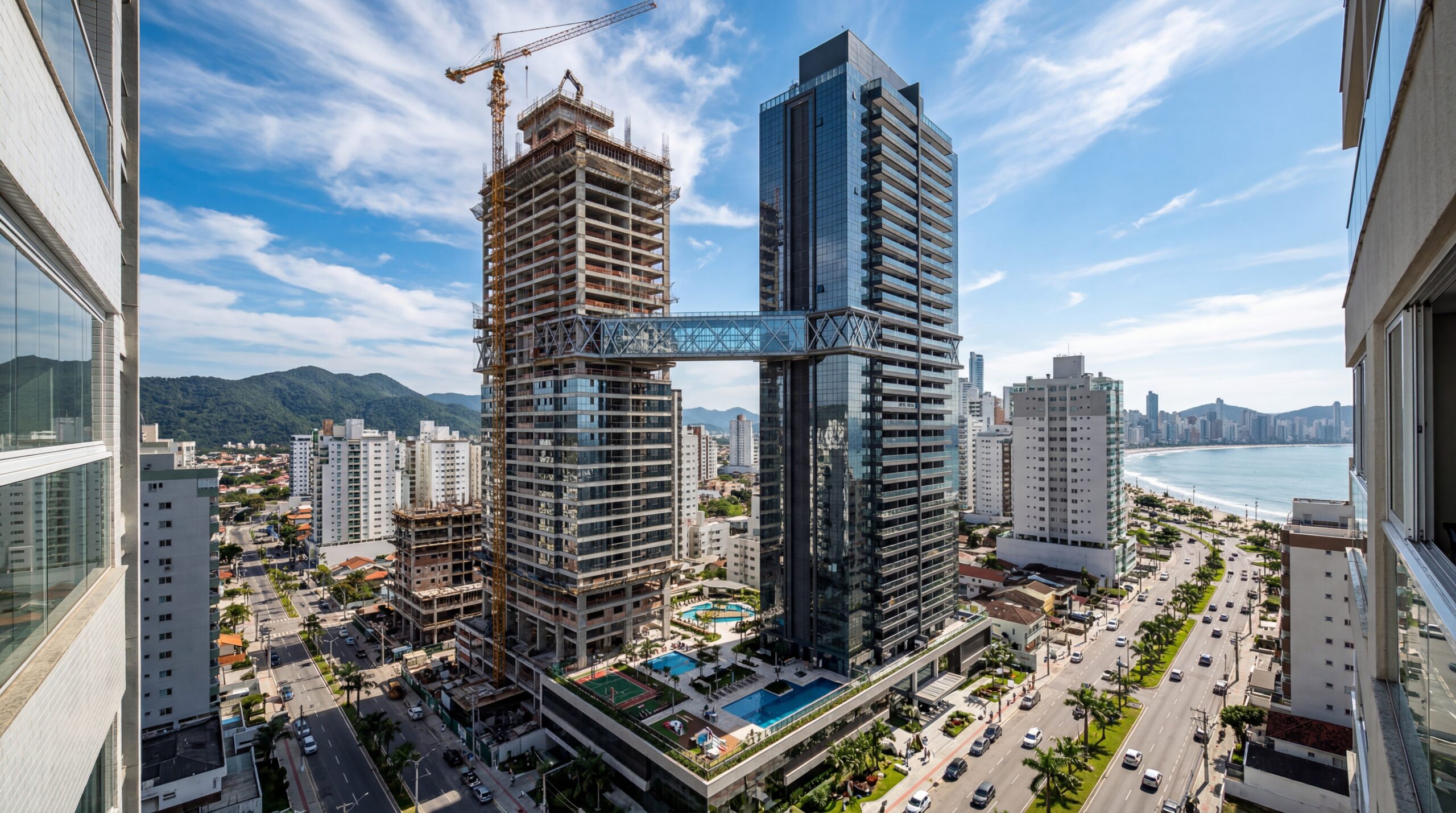
With 55 floors, 177 meters in height, a 15-meter walkway between the twin towers, ventilated facade, and 6,300 m² of leisure space, Ápice Towers already has one tower completed and another nearly at the top.

Why Build Hydropower Plants Inside Mountains in the Arctic
North Sweden combines three features that favored this choice:
Extremely Old and Stable Geology, composed of granite and gneiss formed over 1.7 billion years ago. These rocks allow for the excavation of large caverns without intermediate pillars.
Abundance of Rivers with High Drops, generated by steep differences between plateaus and glacial valleys.
Subarctic Climate, which would freeze exposed structures, turbines, and hydraulic systems if left outdoors.
By placing everything underground, Sweden achieves three simultaneous advantages:
- Protection against negative temperatures (which can drop below –35 °C in winter);
- Reduction in visual and environmental impact on the surface;
- Energy and industrial security away from urban areas.
The result is a type of hydropower plant that people do not see — but it keeps industries and cities running.
The Case of Vietas, the 130-Meter Cavern Carved into Granite
The underground plant Vietas is the most impressive piece of this system. Located within the Stora Sjöfallet System, it began operation in 1971 after a construction period that started in the late 1960s, when Sweden was intensifying its hydropower program to supply steel mills, mining, and energy-intensive industries in the north.
Inside the mountain, engineers excavated an artificial cavern approximately 130 meters long, 24 meters wide, and 46 meters high, equivalent to a building of about 15 stories buried under granite. The rock was removed using mechanical force, controlled explosives, and industrial ventilation systems.
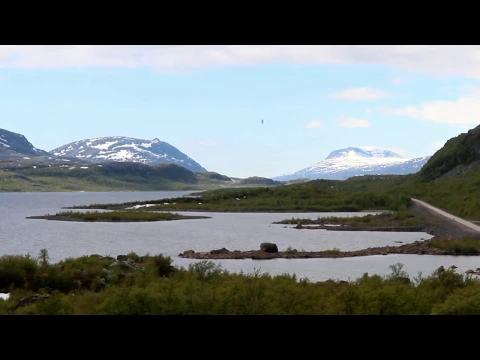

After excavation, the cavern became an underground powerhouse with turbines, generators, transformers, and control systems. The installed capacity totals approximately 240 MW, using the energy from a water drop of about 180 meters. For comparison, 240 MW would be enough to power hundreds of thousands of homes.
Water reaches the turbines through pressurized tunnels, often called headrace tunnels, carved into the granite stretching for kilometers. After passing through the turbines, the water is discharged through a recovery tunnel that returns it to the river, closing the circuit.
Akkats, the Underground Extension that Completes the System
In addition to Vietas, the region has another relevant underground plant: Akkats, inaugurated in 1997, a few kilometers south, also in Jokkmokk. Akkats has 150 MW of installed capacity, divided into two 75 MW Kaplan turbines each. It complements the subarctic energy system that delivers constant electricity to Sweden and exports to Norway.
Together, Vietas (240 MW) + Akkats (150 MW) result in approximately 390 MW of installed hydropower generation inside mountains in the Arctic Circle.
These numbers are sufficient to comfortably power a city of half a million inhabitants, like Gothenburg, or supply heavy industries in mining and steel — sectors historically prominent in northern Sweden.
How to Build a Hydropower Plant Inside a Mountain
The engineering involved is impressive and follows a technical script that includes:
- Deep geological surveys to map fractures and water veins;
- Excavation through controlled detonations (drill and blast), typical in granite rocks;
- Forced ventilation to remove dust and explosive gases;
- Waterproofing and internal drainage, as water seeps through the granite cracks;
- Installation of turbines and generators, usually vertical axis;
- Construction of hydraulic tunnels kilometers into the mountain;
- Excavation of chambers for transformers and substations;
- Connecting to the grid through overhead or underground transmission lines.

Granite is an important ally: due to its high strength and low deformability, it allows for large free spans within the rock without massive metal supports.
Geopolitics and Energy in the Far North
Although the construction of these plants took place between the 1960s and 1990s, their effects are deeply current. Northern Sweden is one of the most strategic industrial poles in Europe, particularly because of three sectors:
- Green Steel (based on hydrogen and electricity)
- Mining of iron, graphite, and rare earths
- Gigafactories for electric vehicle batteries (Northvolt)
Without stable energy, the European energy transition would be impossible. Therefore, the underground plants of the Arctic Circle are not just engineering curiosities — they are geostrategic infrastructure.
Today, much of the electricity exported from Sweden to Norway, Finland, and Denmark passes through systems that include underground generation in the north.
The Climatic Factor: Winter Decides the Design
Winter temperatures can drop to –35 °C in Jokkmokk. Exposed electrical equipment would freeze, turbines would suffer from ice, and intake tunnels could be obstructed. Burying everything solves the problem elegantly and efficiently.
Inside the mountain, the temperature is stable, usually between +6 °C and +10 °C, regardless of winter. This prevents freezing and reduces the need for heated rooms, something unthinkable in surface hydropower plants in subarctic regions.
Security and Invisibility as a Strategic Advantage
The invisibility of this type of plant generates a curious debate: underground energy installations are less vulnerable to conventional attacks and extreme weather events.

This was never the declared objective of the Swedes, but it’s a side effect that catches the attention of those studying critical infrastructure. For a country located above the 66°N parallel, energy sophistication and robustness are synonymous with sovereignty.
Why Almost No One Talks About This
The topic is little-publicized for three reasons:
- It is not a recent project, so it does not appear in “inauguration” news.
- It is located in a remote area, without mass tourism and no large cities around.
- It is underground, hence it lacks a “monumental facade” for photos.
Moreover, the global narrative about energy often focuses on solar, wind, and batteries, leaving underground hydropower in a technical and less media-friendly space — although it plays a gigantic role in the European electric system.
Comparison with Other Countries
Underground hydropower plants also exist in:
- Norway (Varghaug, Tonstad, Kvilldal)
- Switzerland (Nant de Drance)
- Canada (Churchill Falls)
- Austria (Kaprun)
However, few are as far north and with such cold, hard granite, and logistical distances as those in Sweden.
If a reader compares aerial photos between Vietas and any Norwegian hydropower plant, they will notice something curious: in Vietas, there is almost no “plant” on the surface, only galleries and discreet structures.
Why This is Fascinating Even for Laypeople
Because it completely changes the image people have of hydropower. Instead of a plant with a dam, visible turbine, spillway, and lock, we have:
- a lake
- a reservoir
- a tunnel system inside the mountain
- a cavern that looks like an industrial cathedral
- a discreet transmission line
And the most interesting part: no one feels the visual impact.
At the end of the day, the idea that there is a “hidden electric city” within the Arctic, with machines converting water into energy 24 hours a day, is the perfect combination of engineering, geology, and geopolitics.









-

-

-

-

14 pessoas reagiram a isso.