





 Portuguese
  English
  Spanish
 3 min of reading


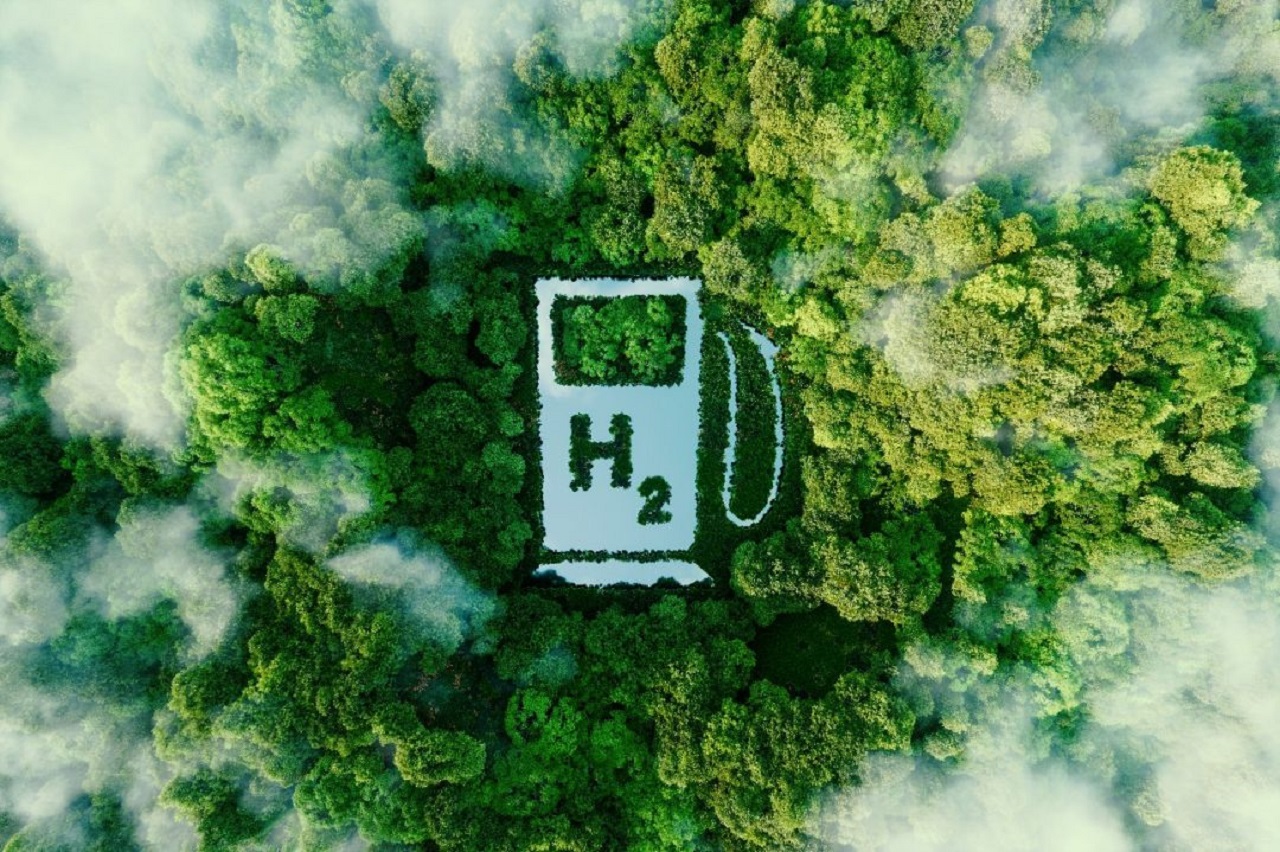
In Addition to Ceará, Which Focuses on Green Hydrogen for Export, Paraná Can Also Become a Major Player in Fuel Production, But More Oriented Toward the Domestic Market
Paraná can become the main green hydrogen production chain in Brazil. This Tuesday (11), the lieutenant governor, Darci Piana, received the board of the Itaipu Technological Park (PTI), a pioneer in the experimental production of the gas that is orchestrating the installation of a network to consolidate this chain, with the participation of both the productive sector and the public power. On the government’s part, the lieutenant governor of Paraná suggested the inclusion of the Araucária Foundation and Copel in the project, which should also involve entities such as the Organization of Cooperatives of Paraná (Ocepar), the Federation of Industries of the State of Paraná (Fiep), and the Brazilian Agency for Industrial Development (ABDI).
Read Other Related News
Green Hydrogen Can Be Applied in Several Sectors
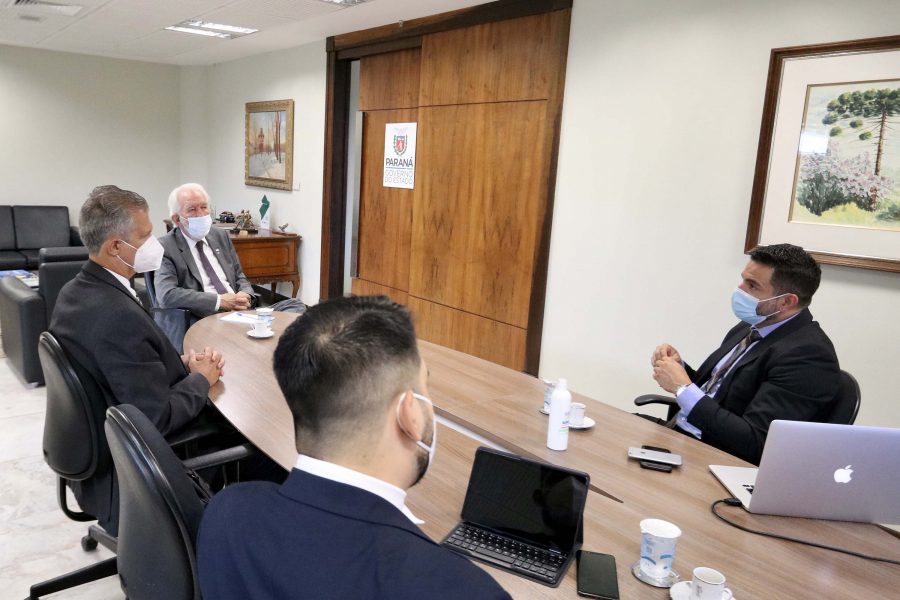
According to Piana, it is necessary to propose this dialogue with production sector entities and with government bodies so that the installation of this network can be carried out in an integrated manner.
Paraná stands to gain significantly from the creation of a green hydrogen production chain, which requires adequate labor and substantial technology. Eduardo Garrido, executive director of the Itaipu Technological Park, stated that institutional support is also essential for the green hydrogen project to become a reality.
-
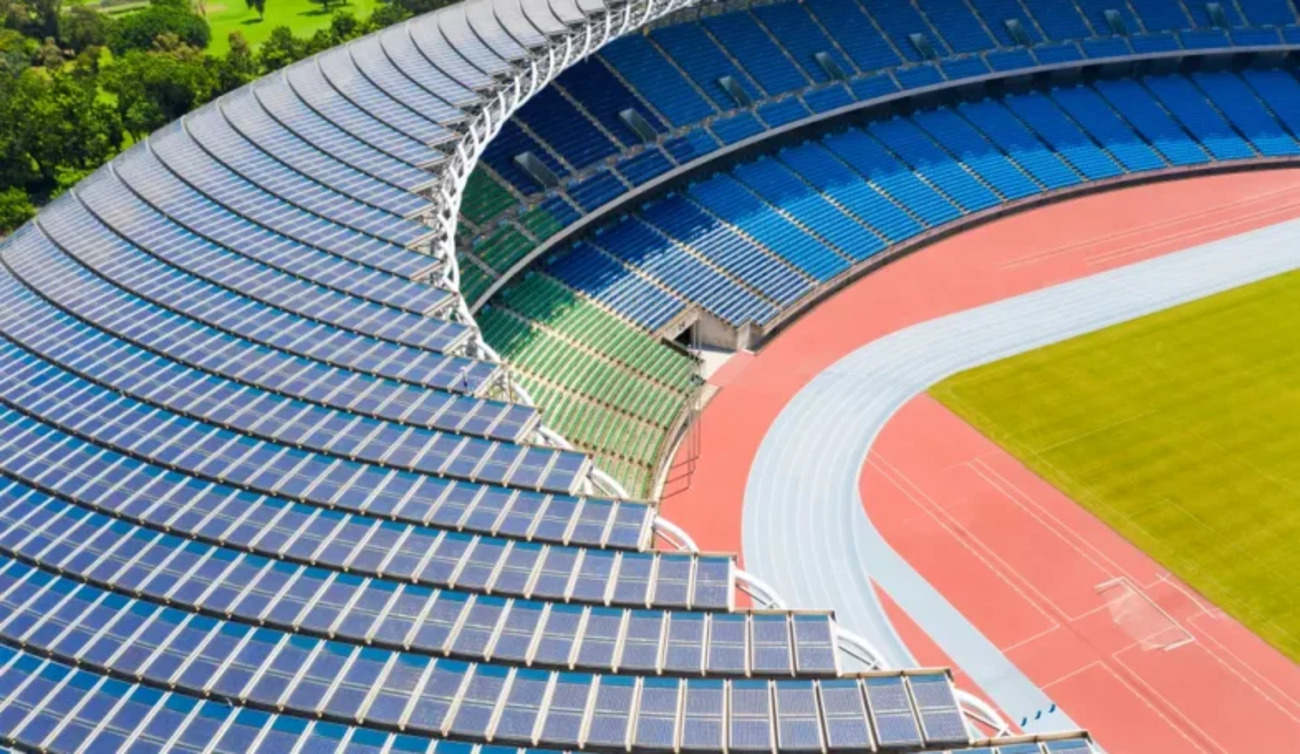
How green infrastructure and renewable energy at the World Cup transform the logistics of the largest sporting event on the planet in North America.
-
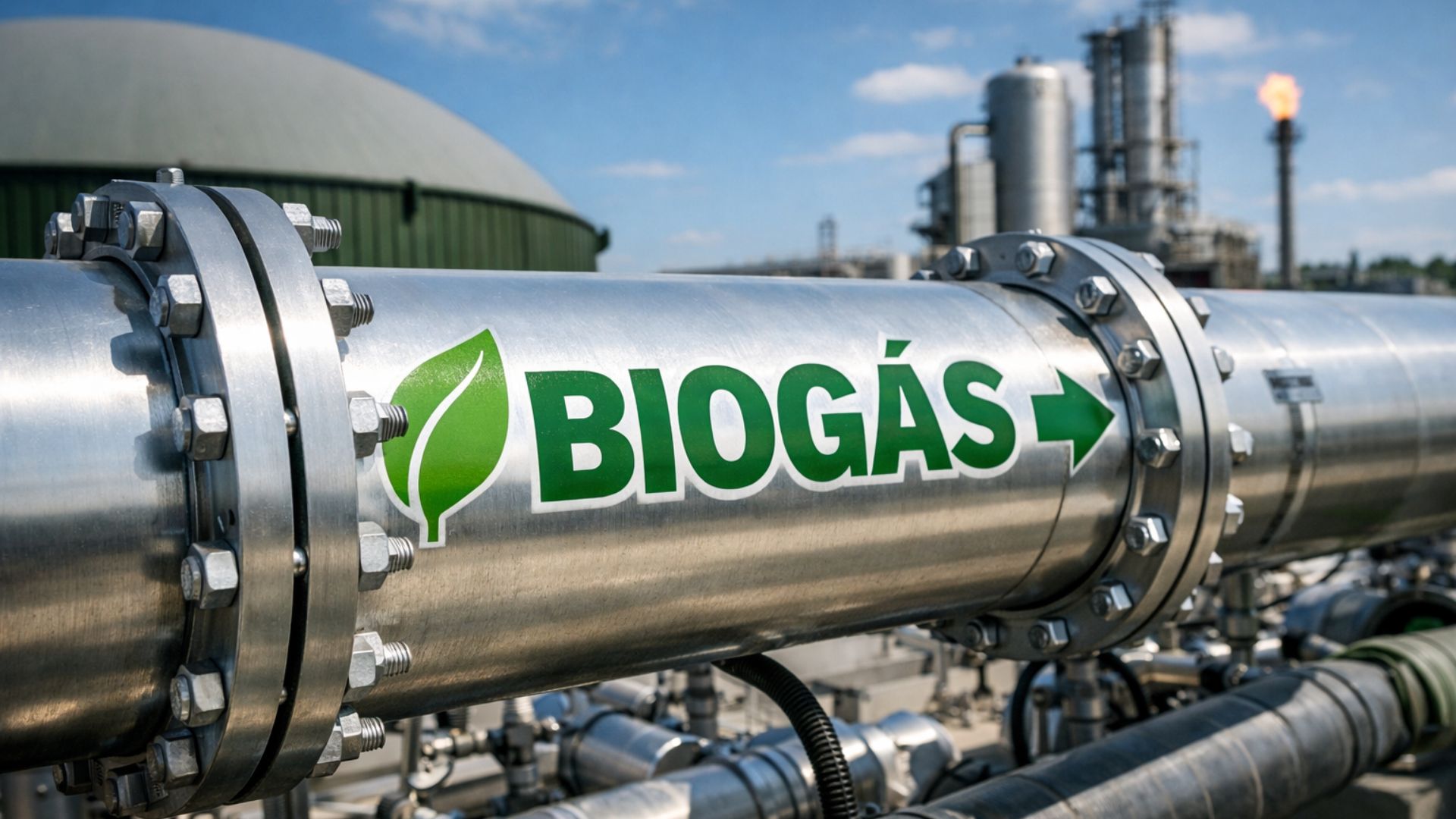
The Cagece and UFC project advances in sustainable innovation with biogas by converting waste into renewable energy, reducing environmental impacts, and increasing sanitation efficiency with concrete and measurable results.
-
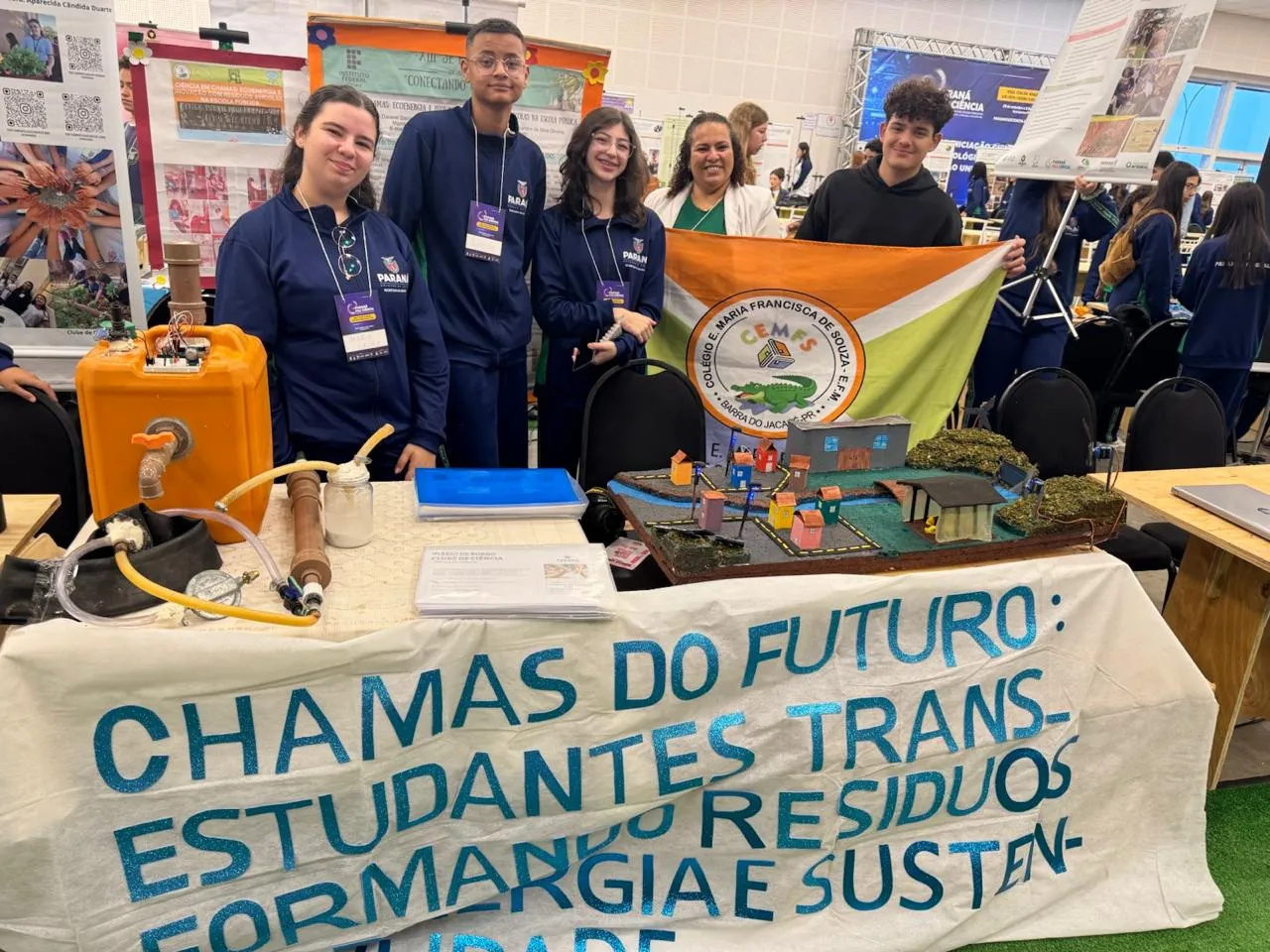
Paranaense students develop a system that transforms farm waste into clean energy and revolutionizes sustainable agribusiness.
-
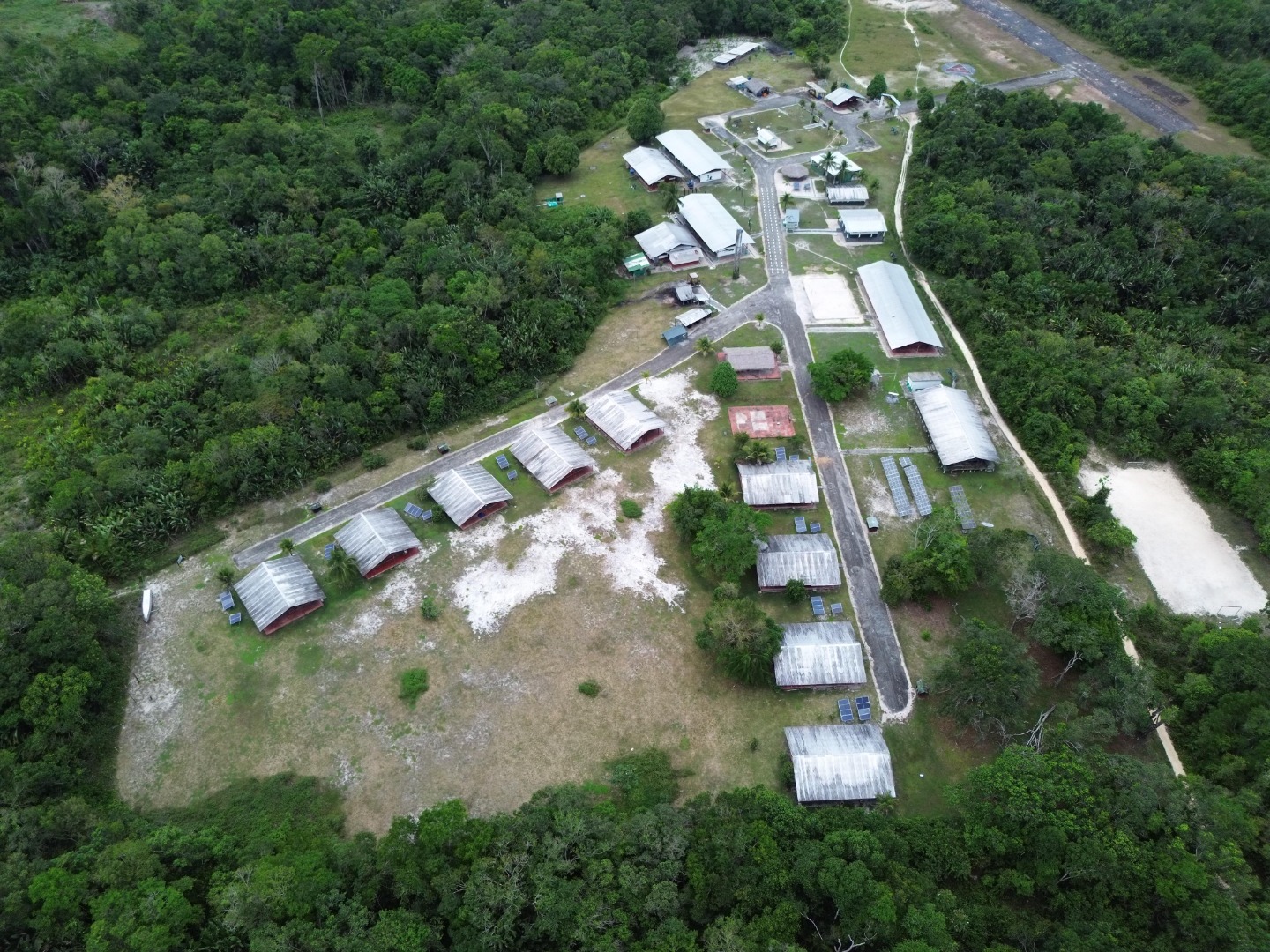
The Ministry of Defense installs a giant photovoltaic plant and ensures a stable supply of clean energy in Maturacá, in the Amazon.
PTI has experience in this segment and is highly sought after by partners and companies looking to advance in this area. Therefore, it created a proposal to establish a green hydrogen network, an idea that is already being discussed with Fiep and now with the government of Paraná. Besides the potential for hydrogen production using clean energy, the national market also has significant capacity for applying the input, which can be utilized in refineries to reduce CO2 emissions, in agribusiness, steel mills, and, mainly, in the production of fertilizers.
Green Hydrogen Segment May Take 10 Years to Solidify
In this scenario, the state has great potential to be one of the leaders in the production chain, a process that will likely take at least ten years to materialize. The experience and pioneering spirit of the experimental production at PTI is one factor, but Paraná also has a strong network of science and technology institutions, labor, and stands out in the generation of clean energy.
Another advantage of the state is its promising domestic market, with the possibility of becoming self-sufficient in fertilizer production if it masters the hydrogen chain. Currently, a large part of the fertilizer used by the agricultural sector comes from other countries such as Russia, Canada, China, Qatar, and others.
The Start of the Hydrogen Market in the Country Resembles the Start of Wind Energy
According to Rodrigo Régis, the business and innovation director of PTI, the country already has some factories for the production of green hydrogen, but they focus on foreign sales and are funded by international institutions.
In Paraná, the mission of the network is to accelerate the evolution of the industrial chain of the fuel, stimulating the domestic market. According to Régis, we are facing a market similar to what we experienced with wind energy in the 2000s.
It is the beginning of a market that is evolving and needs support. If the state is quicker in this process, it will manage to develop the industrial chain. Therefore, it is necessary to build this strategy for installation in the state.






Seja o primeiro a reagir!