





 Portuguese
  English
  Spanish
 3 min of reading


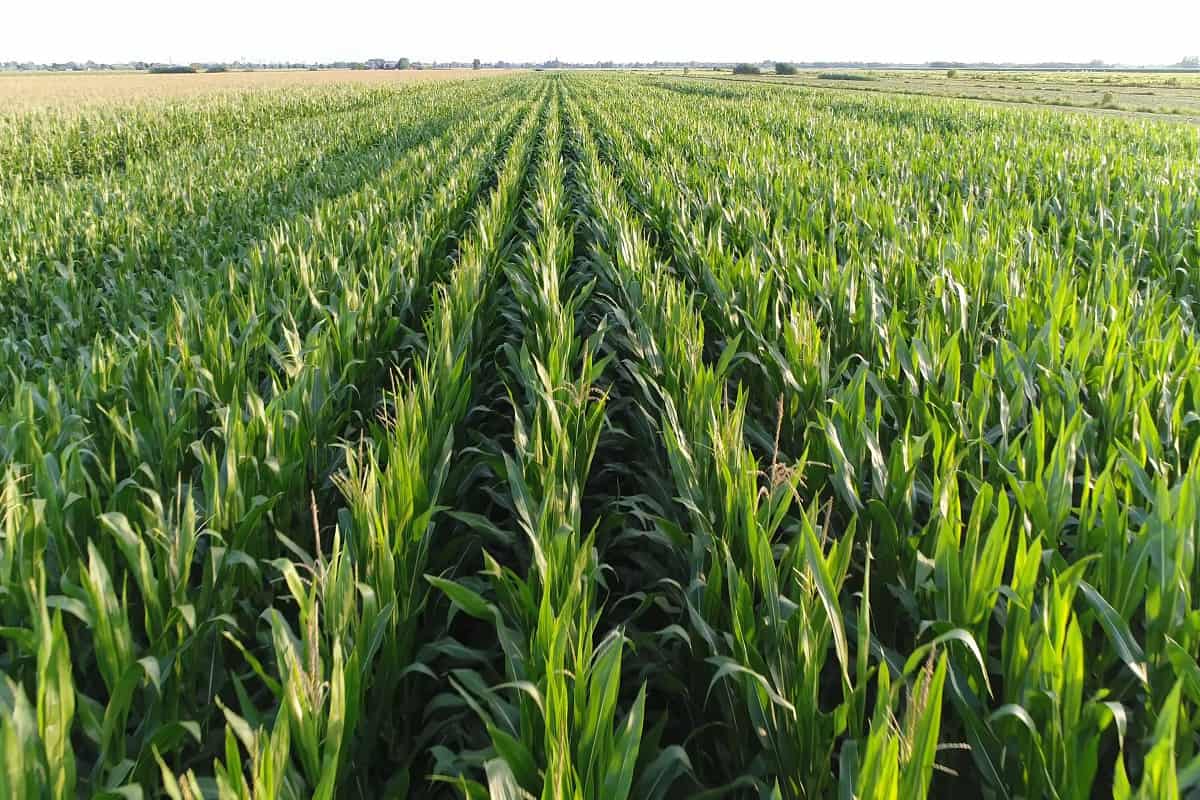
The Harvest Report of the Rural Economy Department (Deral), of the State Secretariat of Agriculture and Supply of Paraná (Seab), closed the month of January with the estimate of a small reduction of about 3% in the summer of the years 2022/2023, compared to the previous month.
This decline is mainly due to unfavorable weather conditions during the planting period or even development.
In December, the forecast for the harvest was 25.5 million tons. It is now 24.7 million. Similarly, it remains higher than the last two cycles and, also, depending on the behavior of the weather, can even be considered one of the largest in history.
“The development of the summer harvest in Paraná is in line with expectations. Despite this decline compared to the December projection, which is explained by the climate conditions that fluctuated quite a bit since the beginning of planting, the expectations are for a great harvest in Paraná,” said Marcelo Garrido, the head of Deral.
-
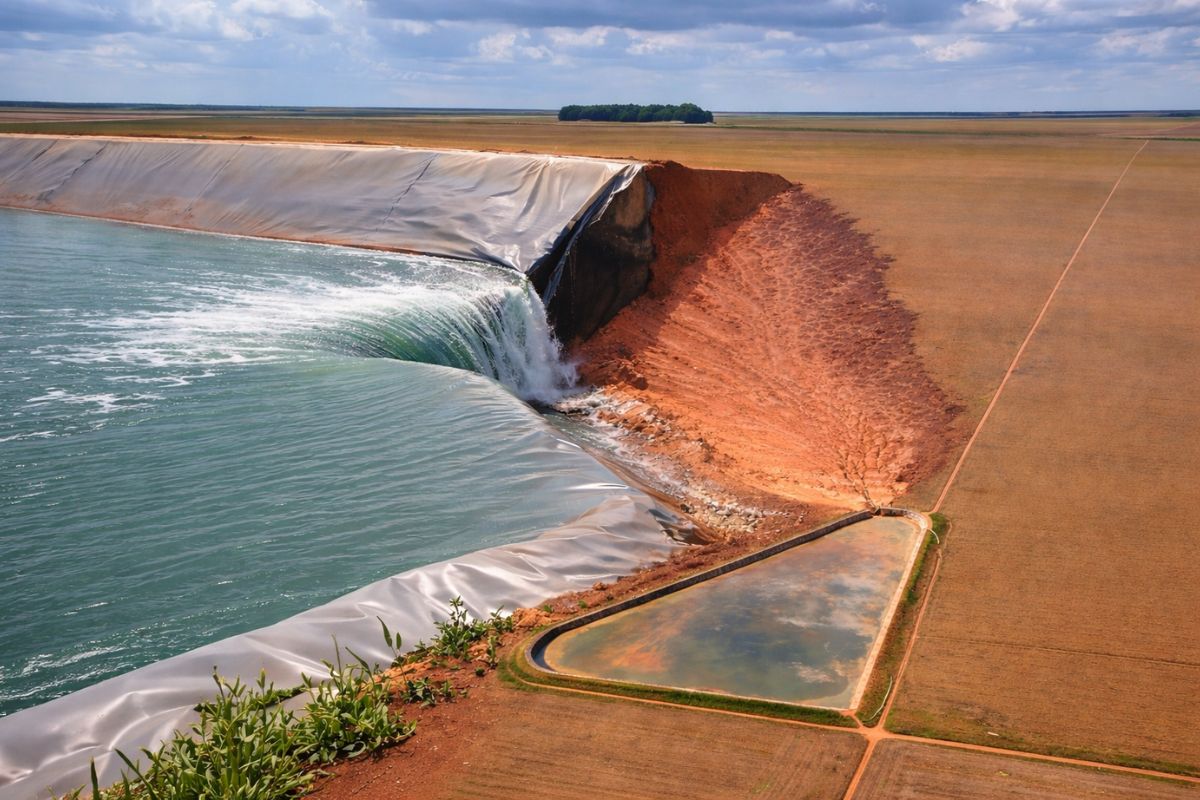
Irrigation pond breaks on a farm in southern Piauí, leaving the reservoir empty and a trail of damage; nearly 1 billion liters flood a soybean field, causing losses, with no injuries reported, and the causes still officially unknown.
-
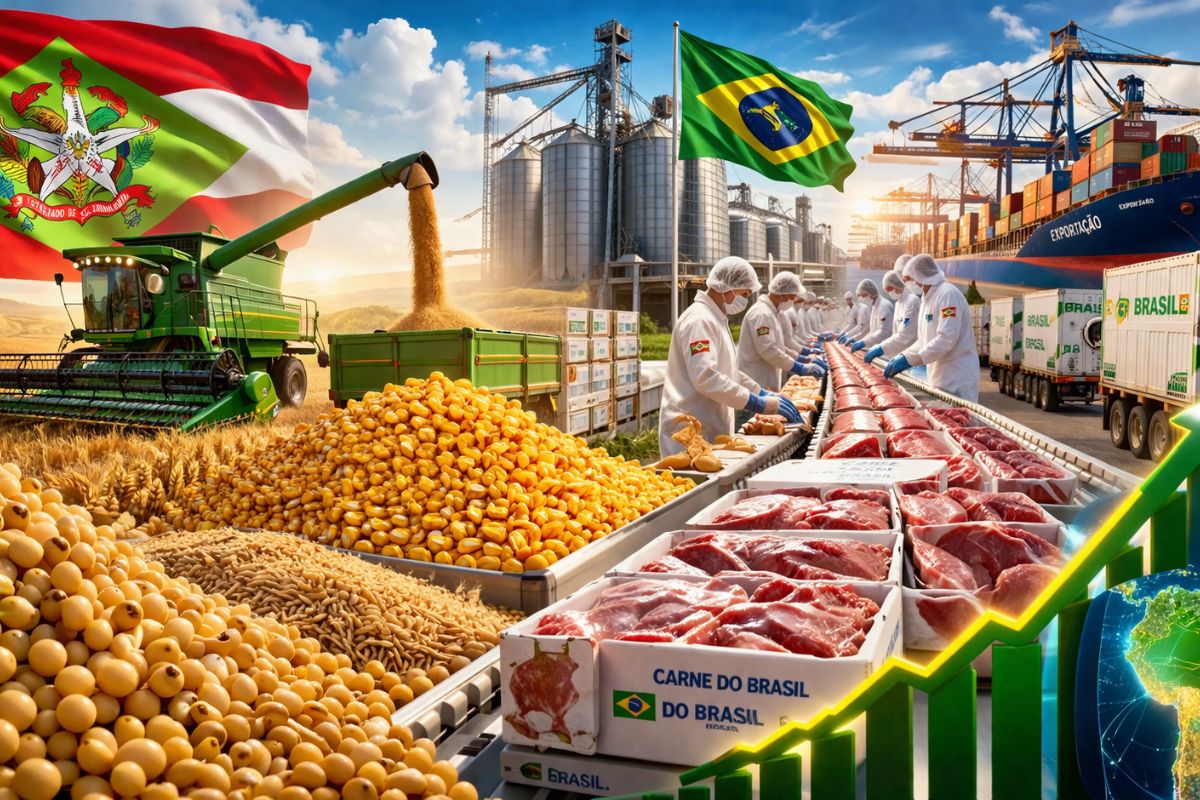
Santa Catarina harvested 7.85 million tons of grains and exported 2 million tons of meat in 2025: a growth of almost 6% in the food industry, which is four times higher than the national average and drives the entire Brazil.
-
China alone accounts for 70% of trade within the BRICS, while Brazil establishes itself as an essential supplier of food and minerals: understand how the group, which already represents nearly 40% of the world’s GDP, is changing the game.

-
Starting in May, those who do not have registered biometrics will not be able to apply for Bolsa Família, sickness benefits, or unemployment insurance: understand the new rule that changes access to benefits for millions of Brazilians.

“The bet that the Deral technicians and other producers are making now is that the favorable conditions for the plants’ development do not suffer any setbacks.”
Soybean:
With one of the new estimates, soybean should gain another 1.3% of the area currently planted this harvest, compared to the previous one. In relation to the initial product forecast, which was over 21.5 million tons, it experienced a reduction of 3.7%, totaling about 20.7 million tons, which equates to the loss of over 800 thousand tons.
Corn:
Considering the first corn harvest, the expectation is for a production of 3.7 million tons. This volume is 2.3% lower than the initial forecast of 3.8 million tons. “The reduction is due to the climatic impacts throughout the crop cycle, particularly in the West, Southwest, and Northwest regions. But overall, it will be a good first harvest,” highlighted Gervásio.
Wheat:
If we consider the wheat from the 2021/22 harvest, there was no change in the forecast of 3.37 million tons. “It should still serve our industry relatively well,” predicts Carlos Hugo Godinho, the agronomist.
“As a result, prices may rise in the first quarter of the year and may even encourage an increase in planting for the next harvest,” said Godinho.
Vegetable Farming:
“National researchers point out that the trend for this year is that the area for vegetables tends to grow and that there is an expected cooling in the fertilizer prices, which would theoretically decrease production costs, allowing for a final product with a more appropriate price for consumers,” highlighted the agronomist.
The area of onions experienced a reduction of 17% this harvest, with production dropping by over 9%, resulting in about 107.1 thousand tons. Paraná accounts for almost 7% of the national production.
RECORD HARVEST?! CONDITIONS OF SOYBEAN CROPS IN MATO GROSSO AND PARANÁ









Seja o primeiro a reagir!