





 Portuguese
  English
  Spanish
  3 min of reading
  0 comments



AliExpress and Magazine Luiza Together! Discover the Details of This Innovative Partnership That Is Transforming Online Retail. Unmissable Offers and Efficient Logistics
AliExpress, the international sales platform of the Chinese giant Alibaba Group, has just established a strategic partnership with Magazine Luiza (Magalu), one of the largest retail chains in Brazil. This innovative agreement will allow products from both companies to be sold on their respective platforms, significantly expanding the options available to Brazilian consumers. commerce
Partnership Details
As agreed, Magazine Luiza will sell products from AliExpress’s “choice” series on its website, including fashion items, children’s products, electronics, furniture, among others. In return, appliances and other durable goods from Magalu will also be available on the AliExpress website. According to Frederico Trajano, CEO of Magazine Luiza, this partnership is an important step to accelerate the “strategy of category diversification and increased purchase frequency, as well as boost our marketplace.”
Expansion and Diversification
According to Citibank, the introduction of AliExpress’s “choice” service on Magalu’s platform will help expand the Chinese company’s penetration in the Brazilian market and enrich the categories of products available to consumers. Furthermore, by forming partnerships with local companies, AliExpress can mitigate potential future risks should Brazil impose new regulatory restrictions on the operation of foreign trade platforms.
-
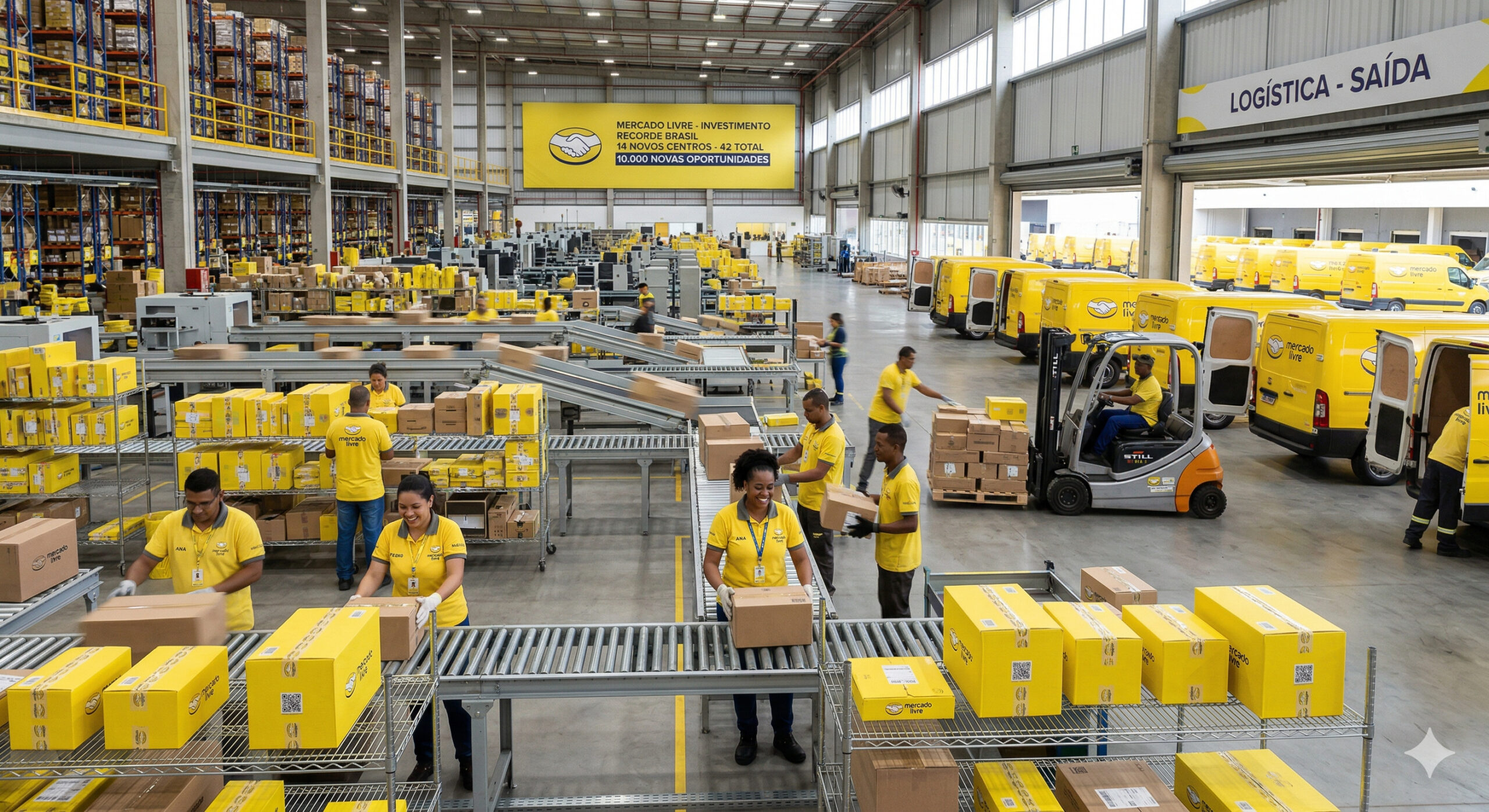
Mercado Livre “opens the vault” and announces a record investment of R$ 57 billion in Brazil in 2026, a value 50% higher than the previous year, with an expansion plan that includes 14 new logistics centers, totaling 42 units in the country and hiring an additional 10,000 employees.
-
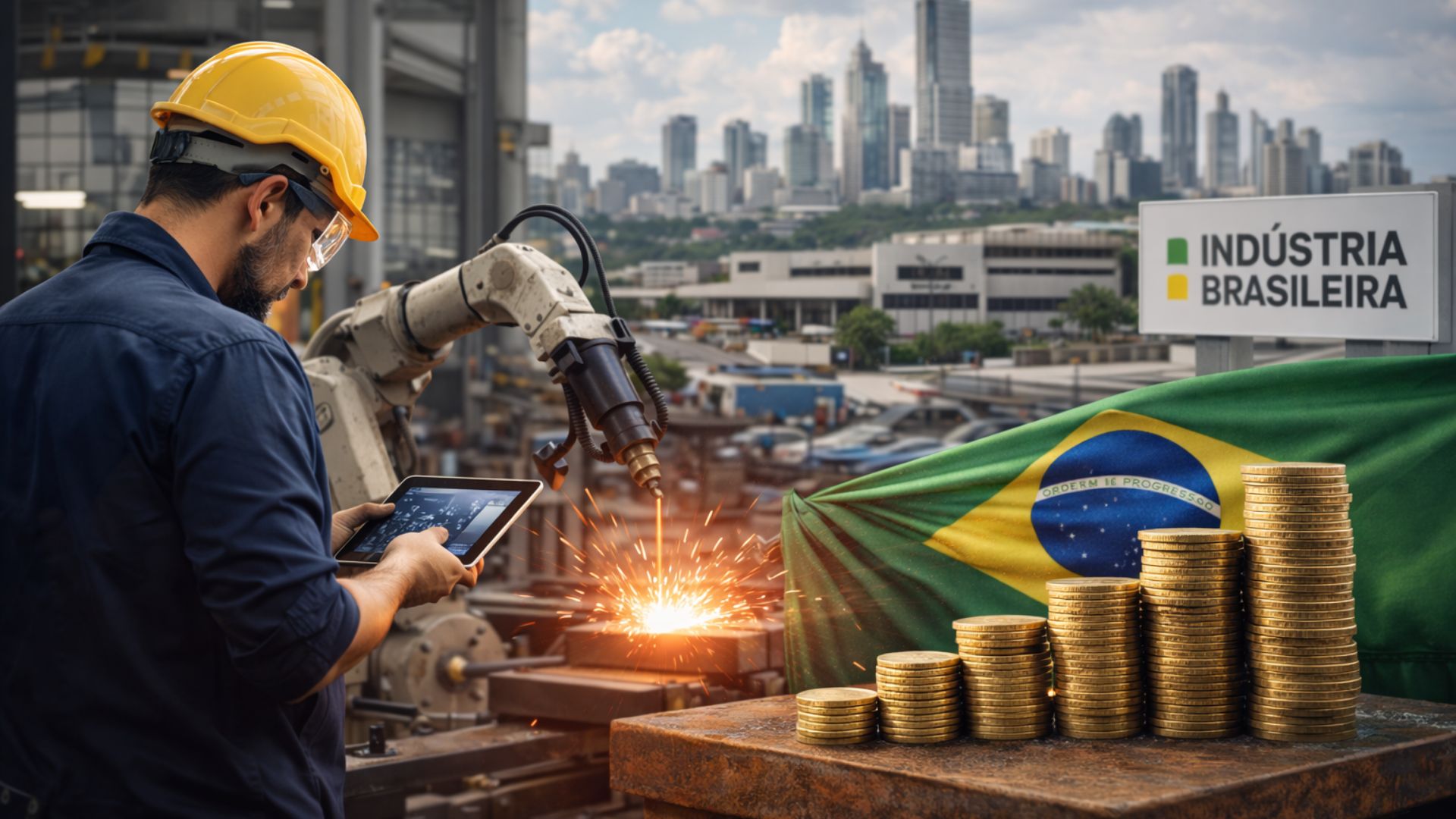
How investment in technology can revolutionize the national economy and enhance industrial gains, according to a study that highlights the direct impact on productivity, innovation, and wealth retention within Brazil.
-
The largest food company on the planet, JBS, has just opened a 4,000 square meter laboratory in Florianópolis to develop customized proteins that modulate muscle mass gain, immune response, and metabolic performance.

-
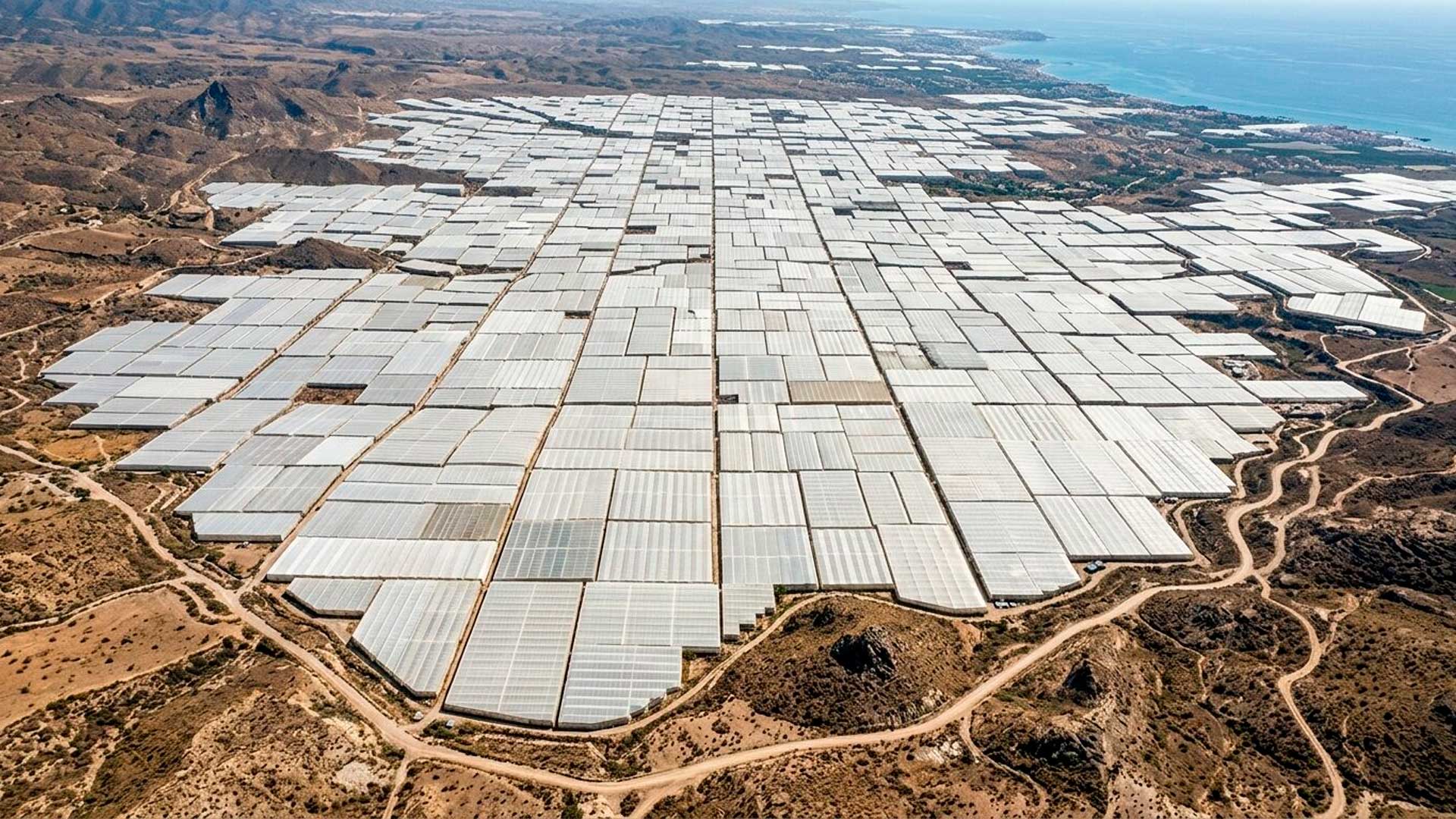
After nearly 30 bids and competition among industry giants, a Spanish company purchases one of the largest airports in Brazil for almost R$ 3 billion and takes over the management of Galeão in a concession that will last until 2039.


Growth History
In recent years, due to the Covid-19 pandemic, sales in physical stores in Brazil have seen a significant drop, while online retail has grown remarkably. This scenario has attracted the attention of several international companies. Shein, Temu, TikTok Shop, and AliExpress, known as “the four dragons of cross-border trade from China,” have been actively exploring the Latin American market.
According to Sun Yanfeng, deputy director and researcher at the Latin American Studies Center of the Chinese Institute of Contemporary International Relations, the competitive advantages of Chinese platforms lie in low prices and the adaptation of practices to the local environment. “Consumers have access to a diverse range of product categories on Chinese platforms at a low price.”
Growth of Online Commerce
In the first quarter of this year, China’s cross-border online commerce registered a year-on-year increase of 9.6%, reaching 577 billion yuan (approximately R$ 430 billion), according to data released by the Ministry of Commerce of China. This growth reflects the increasing interest of consumers in imported products and confidence in Chinese platforms.
Overcoming Logistic and Payment Challenges
To improve logistics, Alibaba is planning to build storage bases in Brazil, aiming to reduce cross-border transportation costs. Cainiao Network and Jingdong Logistics, two major logistics operators from China, have already opened charter flights between the two countries, facilitating product delivery.
Digital payment is another vital factor for cross-border e-commerce. EBANX, a Brazilian payment solution provider, began offering services to AliExpress in 2013, including card payments, digital wallets, and instant payment systems. After 11 years of development, the company has already served around 100 Chinese companies from various sectors, providing tailored methods to help Chinese businesses expand in emerging markets.
“The main obstacle is the excessively complicated customs clearance procedure in Brazil, caused by bureaucratic technologies and policies,” Sun Yanfeng stated. He added that certain companies from China and Brazil are studying upgrading the software of Brazil’s customs section to make the process more efficient.


This partnership between AliExpress and Magazine Luiza represents a significant milestone in Brazilian e-commerce, offering consumers an even greater variety of products and competitive prices. The collaboration between these retail giants may also serve as a model for other companies looking to expand their operations in emerging markets.
With the construction of new logistics infrastructures and the implementation of advanced digital payment solutions, the future of cross-border commerce looks promising. The ability to adapt to local conditions and provide products at affordable prices will continue to be the pillars of success for Chinese platforms in Brazil and throughout Latin America.
The merging of forces between AliExpress and Magalu not only benefits consumers but also strengthens trade relations between Brazil and China, demonstrating that international cooperation can be a powerful engine for economic growth and innovation in the e-commerce sector.









Seja o primeiro a reagir!