





 Portuguese
  English
  Spanish
  4 min of reading
  0 comments


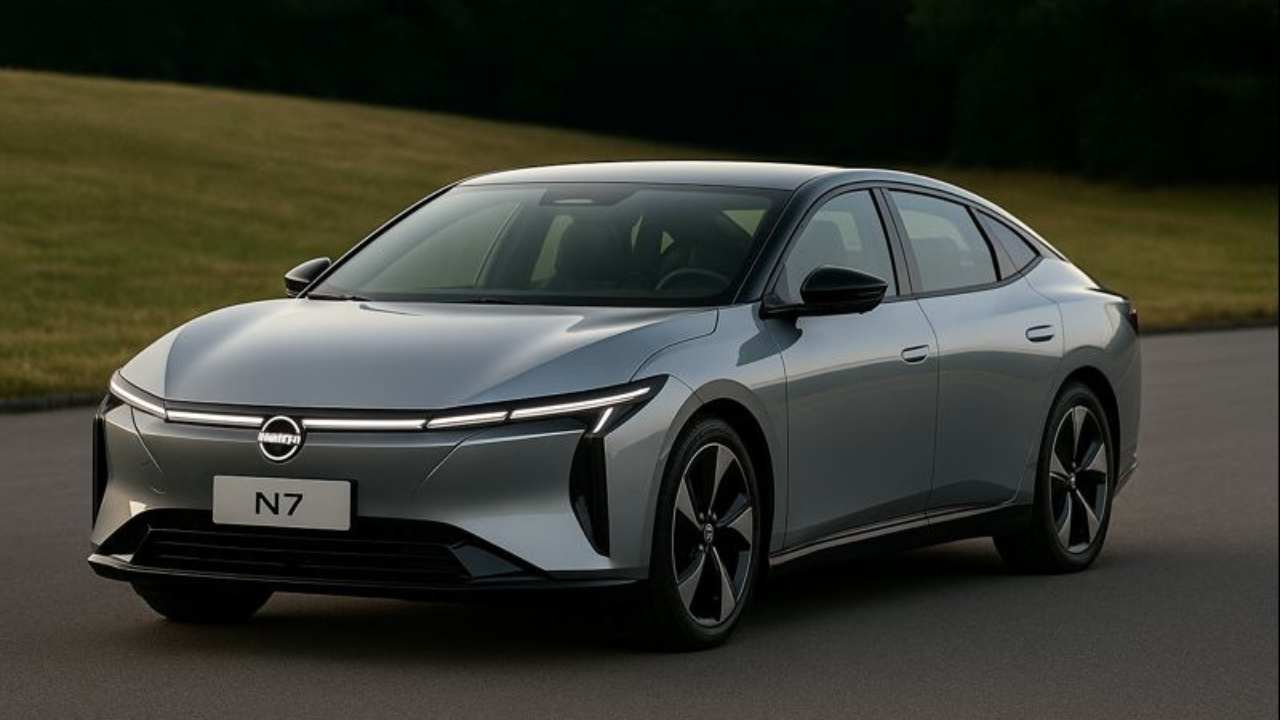
Developed In China, The Nissan N7 Electric May Debut In Brazil. Sedan Is The Result Of The Nissan Dongfeng Partnership And A Direct Rival Of The BYD Seal.
Nissan is considering bringing to Brazil the Nissan N7 Electric, a sedan developed in partnership with Dongfeng, which is already being tested in the country and may become a rival to the BYD Seal.
The model, currently exclusive to China, is part of the Japanese brand’s new strategy to globally expand its Chinese electric cars, taking advantage of a niche that has been little explored in the national market: that of medium electric sedans.
The possibility gained traction after sightings of the vehicle in São Paulo and statements from Nissan’s global CEO, Ivan Espinosa, during the last Tokyo Motor Show, when he stated that the company is studying “globalizing” models developed in China.
-
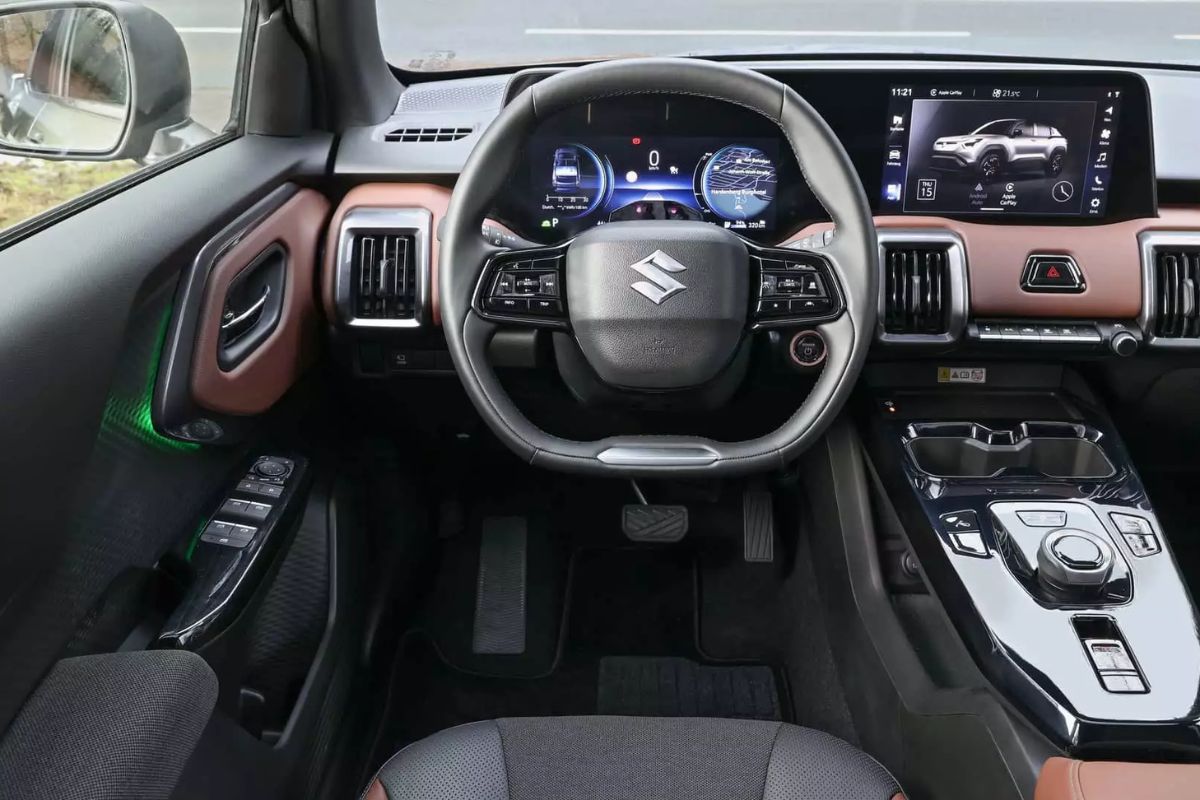
The 2026 electric Vitara arrives in Brazil and proves that Suzuki is not leaving: 4×4 traction, 184 hp, 61 kWh LFP battery, 293 km range, R$ 259,000, and a trunk capacity of 224 L.
-
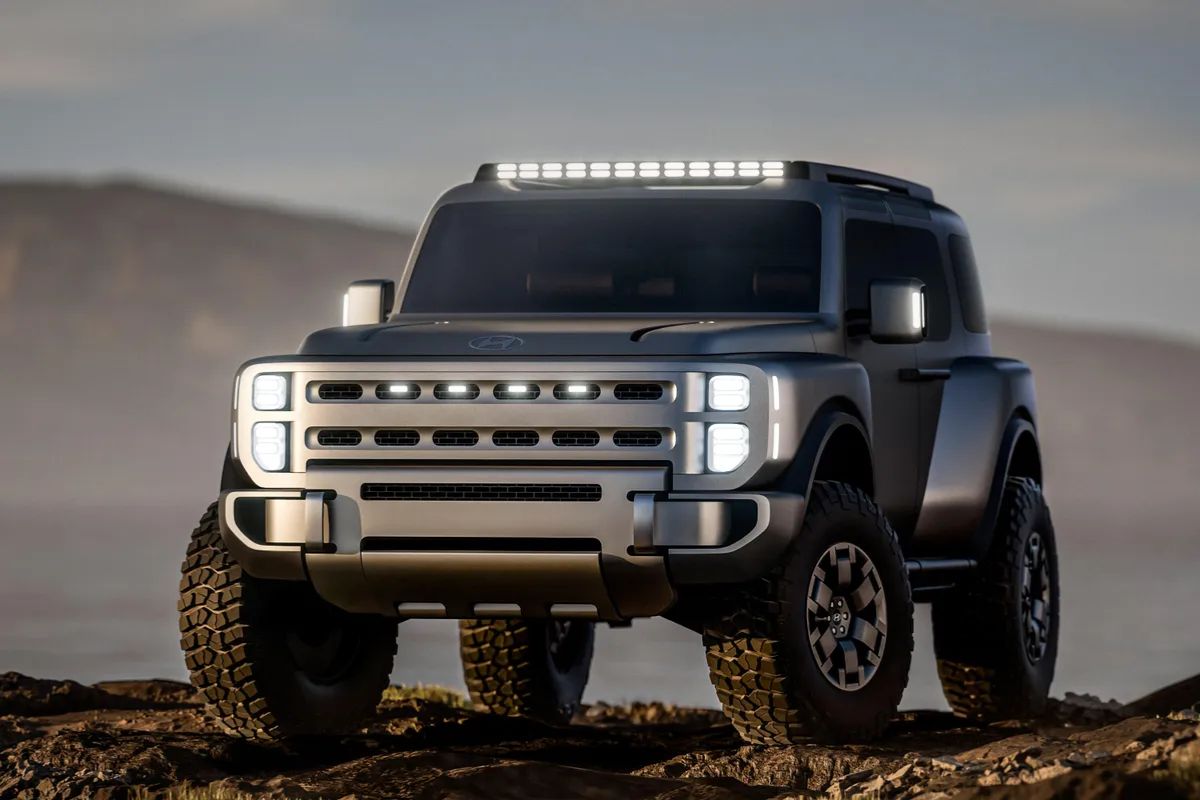
Hyundai has unveiled the Boulder, a square SUV with a body-on-frame design, 37-inch mud tires, and carriage-style doors that seems to be made to take on the Ford Bronco and the Scout Traveller in the United States.
-
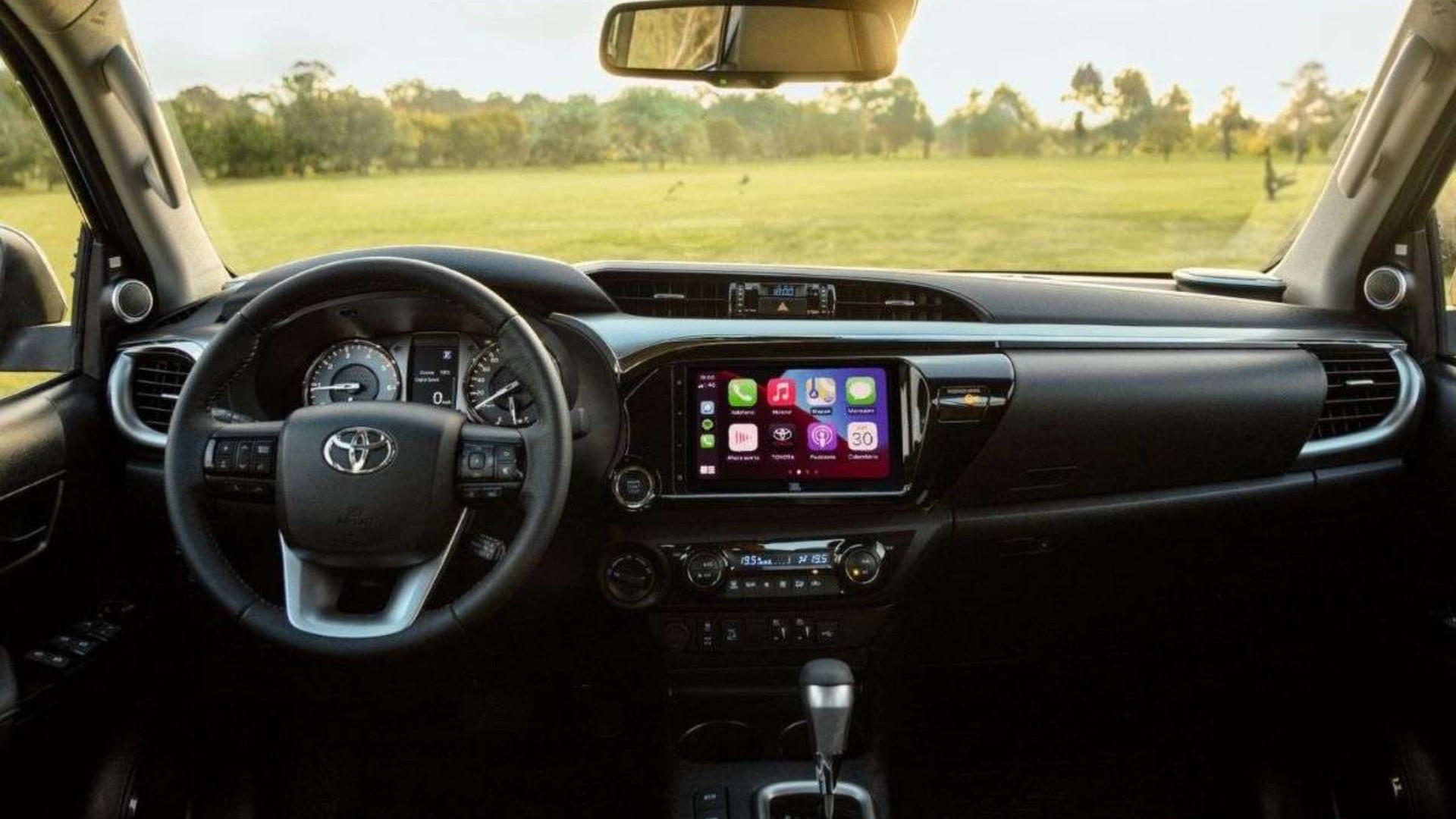
The Toyota Hilux is R$ 75.5 thousand cheaper and bets on the 2.8 turbodiesel engine with up to 204 hp and 50.9 kgfm to catch up with the VW Saveiro, which leads with 4,472 sales.
-
The new Renault Koleos has a screen exclusively for the passenger that is invisible to the driver, heated rear seats, and 29 assistance systems, but its Chinese competitors cost R$ 40,000 less and deliver more power.

Nissan Dongfeng Partnership Accelerates New Global Projects
The Nissan Dongfeng partnership has proven to be strategic for the Japanese automaker.
The recent history reinforces this perspective: the Nissan Sentra led the world’s largest automotive market for three consecutive years, a direct result of this industrial cooperation.
Initially conceived as a product “in China, for China,” the Nissan N7 Electric has started to be viewed internally as a project with international potential.
Besides it, the Frontier PHEV pickup also integrates this Chinese portfolio that may enter other markets.
If it confirms the strategy, Nissan would follow a similar path to General Motors, which decided to bring to Brazil electric models from its Chinese partner Wuling, such as Spark and Captiva.
Electric Sedan In Brazil Is Still A Little Explored Market
While Brazil is experiencing a true invasion of electric and hybrid SUVs, the electric sedan in Brazil still occupies a limited space.
Today, consumers find few options in this segment, which could pave the way for the N7.
This movement positions the model directly as a rival to the BYD Seal, currently one of the references among medium electric sedans.
Nissan’s proposal would be to combine sophisticated design, good interior space, and embedded technology to compete for this audience.
Design Of The Nissan N7 Electric Bets On Sophistication Without Exaggeration
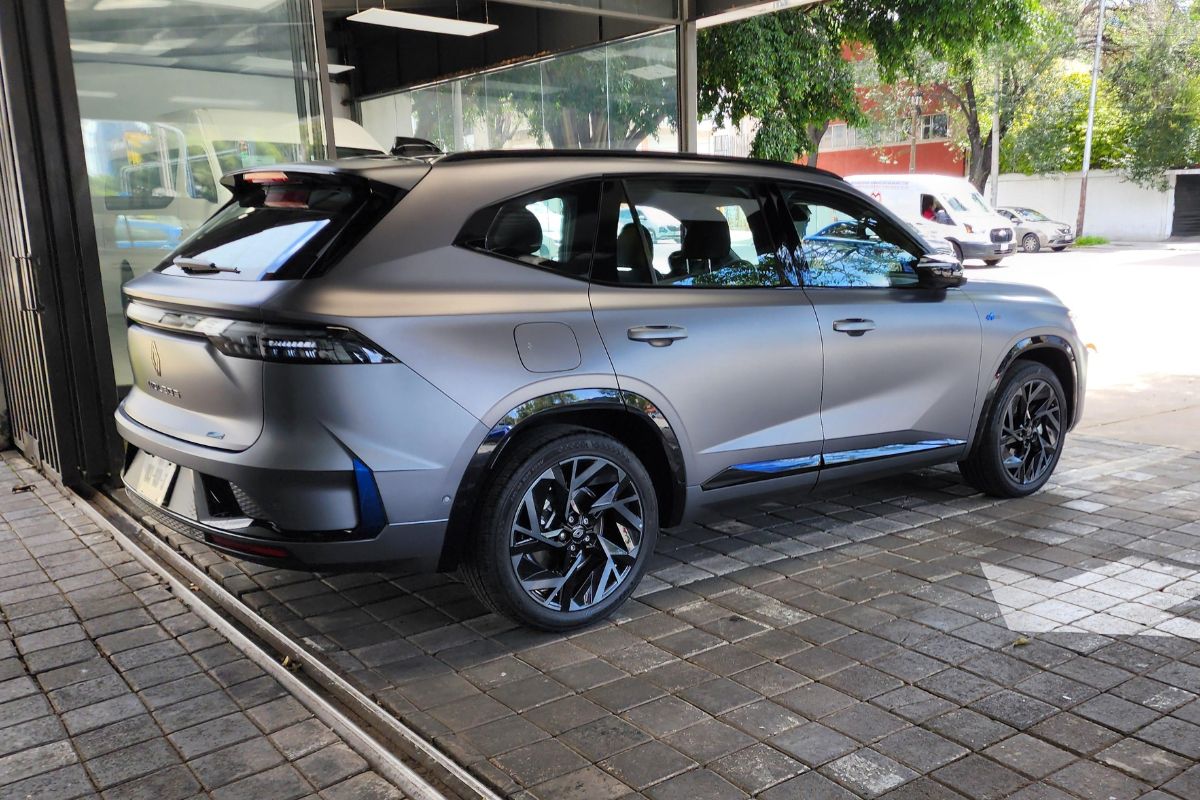
The look of the Nissan N7 Electric adopts a futuristic but restrained language. The front features a continuous LED strip and headlights with a claw-shaped signature, creating a strong and modern visual identity.
According to Nissan’s chief designer, Alfonso Albaisa, the partnership with Dongfeng allowed for a more agile development process.
Unlike the past, when the design was “frozen” up to two years before the launch, the N7 was still receiving adjustments a few months before production began.
At the rear, the sedan displays narrow LED taillights and an illuminated Nissan logo, a common solution among Chinese electric cars and already familiar to Brazilian consumers.
Interior Reinforces Sense Of Quality And Technology
Inside, the N7 positions itself above other electrified sedans sold in the country today. The finish mixes rubber, velvet, synthetic leather, and brushed steel, conveying a sense of quality to the touch.
The 8.8-inch digital panel displays vehicle information and driving assistance system (ADAS) information. A camera above the steering column monitors the driver, identifying signs of distraction or fatigue.
The 15.5-inch multimedia center follows the trend of large vertical screens, with an interface similar to that of Geely models.
The system was still in Chinese during testing but facilitates quick access to air conditioning controls.
Internal Space And Safety Package Reinforce Family Proposal
The 2.91-meter wheelbase ensures excellent space for rear passengers, with a completely flat floor. There is good legroom, although the coupe-style roof may limit comfort for taller individuals.
Currently on the Chinese market, the sedan comes with a complete ADAS package, including adaptive cruise control, automatic emergency braking, blind spot monitoring, and traffic sign reading.
Performance And Autonomy Place The N7 On The Brazilian Radar
In terms of mechanics, the Nissan N7 Electric uses a synchronous permanent magnet motor on the front axle, with 272 hp of power and 30.5 kgfm of torque.
Thus, the acceleration from 0 to 100 km/h occurs in about 7 seconds, with a top speed limited to 160 km/h.
The 73 kWh battery ensures a range exceeding 600 km on the Chinese CLTC cycle. Under the Brazilian INMETRO standard, this number tends to be lower but still competitive for the segment.
Price Will Be Crucial For The Success Of The Electric Sedan In Brazil
Then the biggest question mark is the price. Considering the current market, with medium Asian electric sedans priced between R$ 200,000 and R$ 230,000, the N7 may position itself in this range or even lower.
Thus, the tradition of models like Versa and Sentra may work in Nissan’s favor, which already has a solid reputation in the country.
Then it remains to be seen whether Brazilian consumers will view the N7 as just another of the Chinese electric cars or as a global sedan capable of facing heavyweight competitors.










-

Uma pessoa reagiu a isso.