





 English
  Francês
  Alemão
  Italiano
  Japonês
  Norueguês
  Portuguese
  Spanish
  4 min of reading



Despite the Consecutive Price Increases Made by Petrobras on the Price of Gasoline, Opting for the Derivative of Petroleum Is More Economical Than Fueling with Ethanol.
Even with the new increase in gasoline prices made by Petrobras this week, filling the tank with ethanol has ceased to be advantageous in all Brazilian states. The biofuel has a national average price of R$ 5.81, according to research by ValeCard, a company specialized in fleet management.
Read Also
- After Ford Announced the End of Troller in Brazil, the Last Unit of the T4 Jeep in History Is Sold for R$ 300,000 and the Manufacturer Halts Production in Ceará
- Like Gasoline, Ethanol Prices Close September with New Rise, Reaching Nearly R$ 6 and Consumers Have Nowhere to Run
- High Prices of Gasoline, Ethanol, Diesel, and CNG Force Consumers to Abandon Combustion Engines, Migrate to Electric Cars, and Sales of Electrified Vehicles Surge in Brazil
- Direct Sale of Ethanol from Mills Is Advocated by Legislators Who Promise to Stimulate Competition and Curb Gasoline Price Increases at Fuel Stations
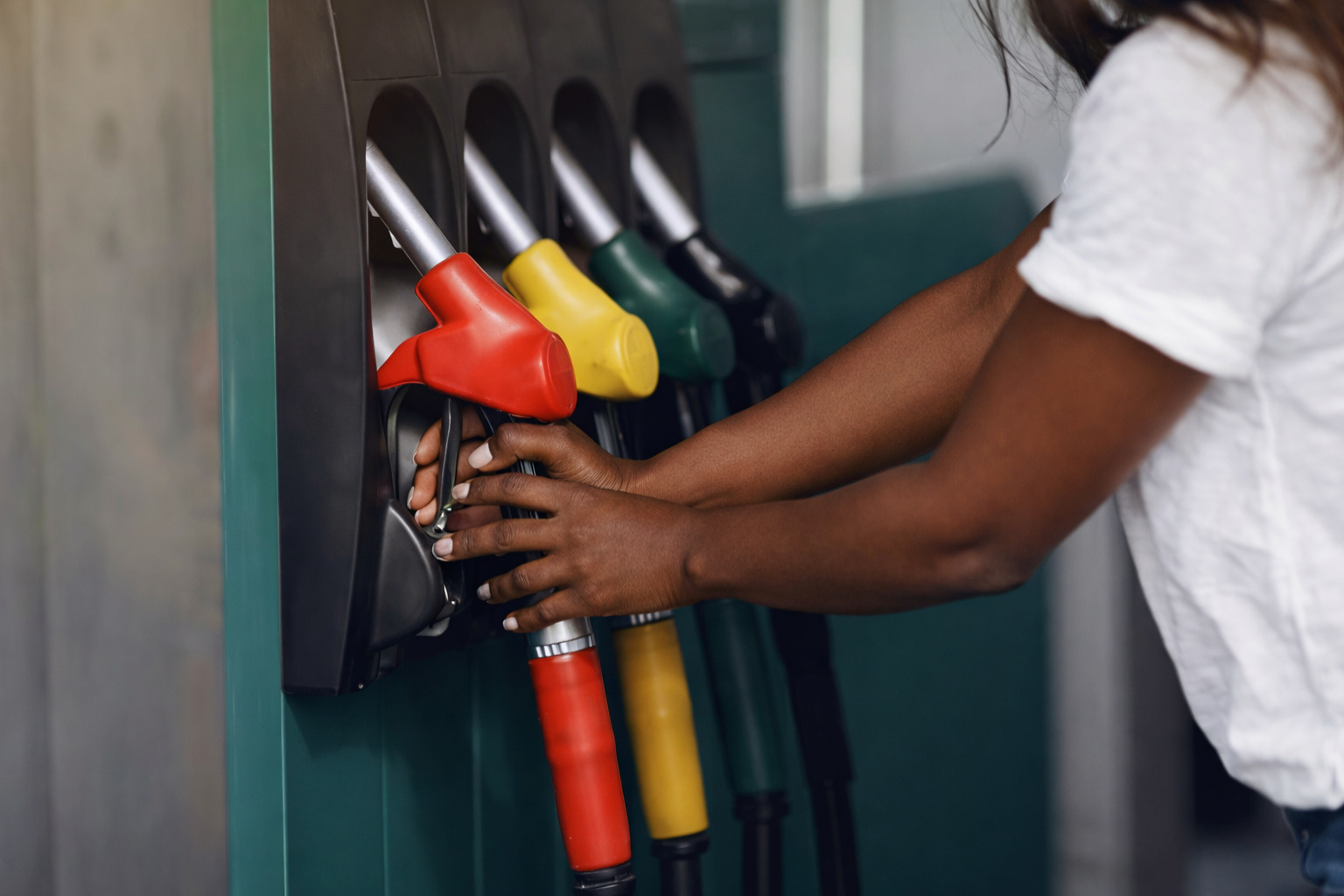
Despite the recent increase in the petroleum derivative announced by the Brazilian state-owned company, for it to be worthwhile to refuel with ethanol, its cost must be equivalent to up to 70% of the gasoline price. This does not happen in any state.
In Piauí, gasoline prices rose on average by 2.88% compared to the previous month, the highest increase among the states in the country. The price of fuel registered the smallest increases in Tocantins (1.14%) and Acre (1.23%).
-
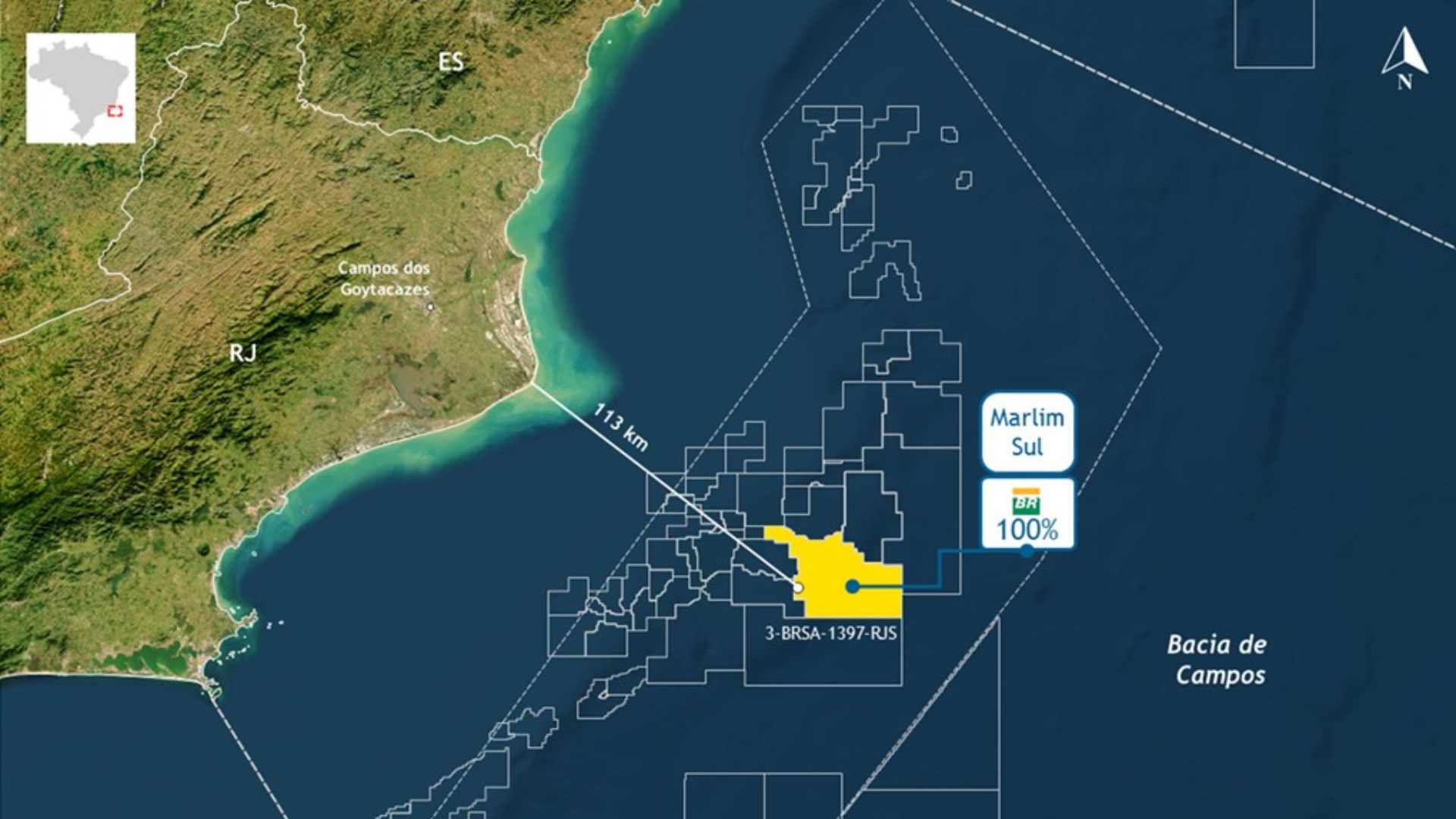
Petrobras finds high-quality oil in the pre-salt at 113 km from RJ and reignites expectations about strategic reserves in the Campos Basin.

-
Ocyan opens registrations for startups focused on innovation in the oil and gas sector and will select projects for Innovation Day with the support of Nexio.

-
Petrobras announces new oil discovery in the pre-salt of the Campos Basin and reinforces Brazil’s prominence with high-quality reserves that can increase production and energy revenues.
-
Alert in the fuel market: Analysts and a former director of ANP warn that oil prices may worsen in the coming months due to global instability.

Among the capitals, the average price is R$ 6.37. The price champions were Teresina (PI) and Rio de Janeiro (RJ), with gasoline averaging R$ 6.84 and R$ 6.78 per liter, respectively. The lowest average prices were found in Macapá (AM), at R$ 5.81 per liter; and São Paulo (SP), at R$ 5.98 per liter.
The survey by ValeCard was conducted between October 1 and 15 and took into account about 25,000 accredited gas stations.
Distributors Warn of Gasoline and Diesel Shortages Due to Petrobras Production Cuts
The distributors are concerned about a possible fuel shortage starting in November. Retailers say that the Brazilian oil giant Petrobras has cut part of the gasoline and diesel supply for next month, increasing the risk of commodity scarcity. According to the distributors’ association Brasilcom, Petrobras — which has a monopoly on refining — made the decision unilaterally.
“Petrobras has self-sufficiency in oil, but cannot refine enough for the domestic consumption of the country, therefore, distributors today try to buy from Petrobras, because it is cheaper than importing, and as it has no product to offer, it is reducing future sales quotas so as not to run out of product for distributors. Consequently, distributors will have to import at a higher cost to avoid product shortages and pass the cost onto retail, thus removing Petrobras and the government’s responsibility for this possible increase to remedy Petrobras’ shortfall,” said Brasilcom.
The cut in fuel quotas made by Petrobras threatens the country with shortages. “The reductions made by Petrobras, which in some cases exceed 50% of the volume requested for purchase, place the country in a potential state of shortage,” warned Brasilcom in a statement.
This claim is refuted by the state-owned company. In a statement, Petrobras reported that its refineries “are operating normally and continue to fully comply with contracts with distributors, according to the current terms and deadlines.”
Biofuel: Understand How Ethanol, the Newest Substitute for Fuels Derived from Oil Like Natural Gas, Gasoline, and Diesel, Promises to Change the Future of Humanity
Brazil Becomes a Global Protagonist When It Comes to Ethanol and Biodiesel Production – the Biofuel That Has Come to Replace Natural Gas, Gasoline, and Diesel, Promising to Change the Future of Humanity. The country has become a global reference in a scenario of urgency for alternatives that curb greenhouse gas emissions; the energy transition, that is, the shift from an energy matrix focused on oil-derived fuels to one with low or zero carbon emissions based on renewable sources, is one of the world’s major focuses.
Decarbonization is a global agenda, and international treaties such as the Paris Agreement and the “Race to Zero” and “Race to Resilience” campaigns promoted by the UN (United Nations), which aim at reducing greenhouse gas emissions like methane and CO2, are increasingly gaining engagement. The reduction of emissions will be one of the main topics of the 26th United Nations Climate Change Conference of the Parties (COP-26), which will be held between October and November.
In this journey towards embracing other energy matrices, biofuel is one of the viable alternatives for various sectors of the economy. Produced from biomass, such as sugarcane and vegetable oils, or organic waste from residential and industrial sources, biofuel is a substitute for fossil fuels like natural gas, gasoline, and diesel.
Brazil is one of the most advanced countries in biofuels and a global reference in ethanol and biodiesel production derived from biomass. The former is made through the fermentation of sucrose from agricultural plants such as sugarcane. Biodiesel is produced from vegetable oils (such as soybean and sunflower).










Seja o primeiro a reagir!