





 Portuguese
  English
  Spanish
  3 min of reading
  0 comments


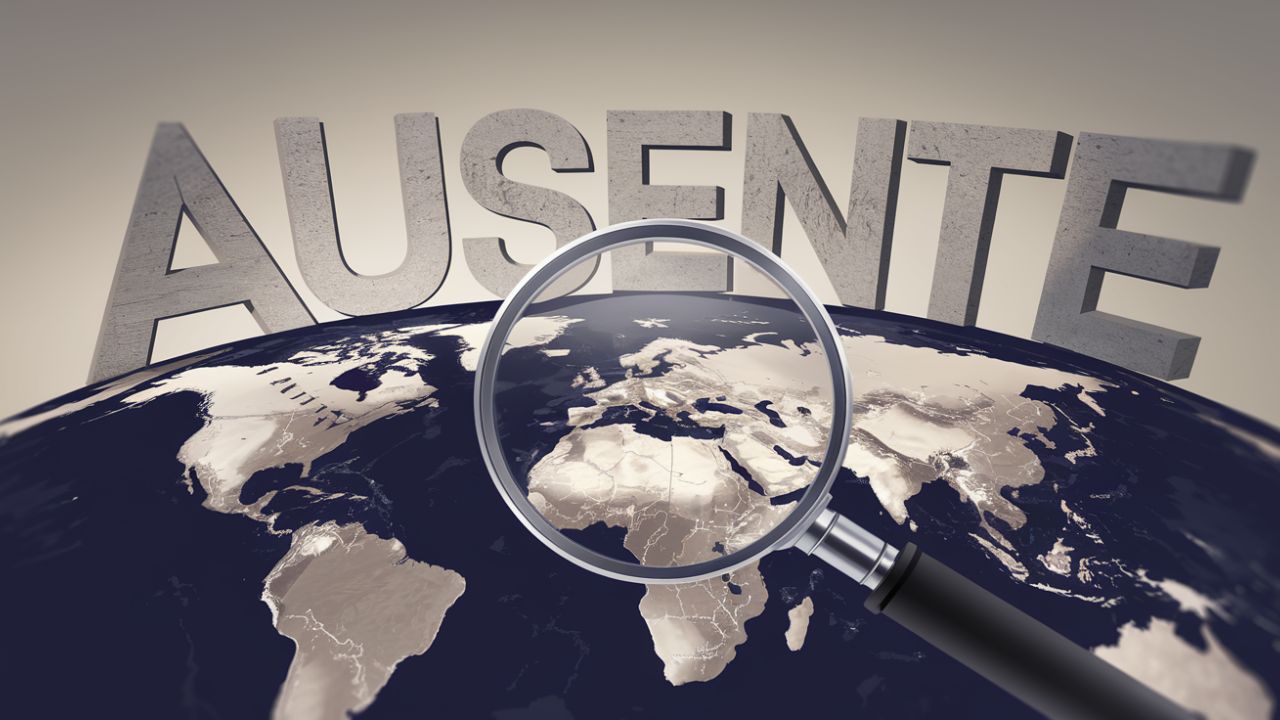
A Territory Rich in Phosphate and Natural Gas, Divided by Historical Conflicts, Lacking Global Statistics and With Millions of Land Mines: Understand Why Western Sahara Is the Most Controversial Area in Africa.
When you look at a map of Africa, do you notice something intriguing? There is an area that often appears nameless or with a dotted line indicating uncertainty: Western Sahara. This territory, about the size of the United Kingdom, carries a history marked by conflicts, geopolitics, and coveted natural resources. But what really makes it one of the most mysterious areas of Africa?
What Is Western Sahara?
Western Sahara is located on the northwest coast of Africa, bordering Morocco, Algeria, and Mauritania. Although vast, much of it is dominated by arid deserts. The peculiarity of the territory lies in the fact that it is divided between Moroccan control (80%) and the Polisario Front (20%), an organization that represents the Sahrawi indigenous people. Separating the areas is the famous “Berm”, a sand wall filled with land mines, symbolizing the hostility of the conflict.
A Historical Conflict Spanning Decades
The origin of the dispute dates back to the colonial period when Spain dominated the territory, known as Spanish Sahara. With decolonization in the 20th century, the Polisario Front emerged as a force seeking independence. However, Morocco claimed the area as part of its historical territory, leading to decades of armed conflict.
-
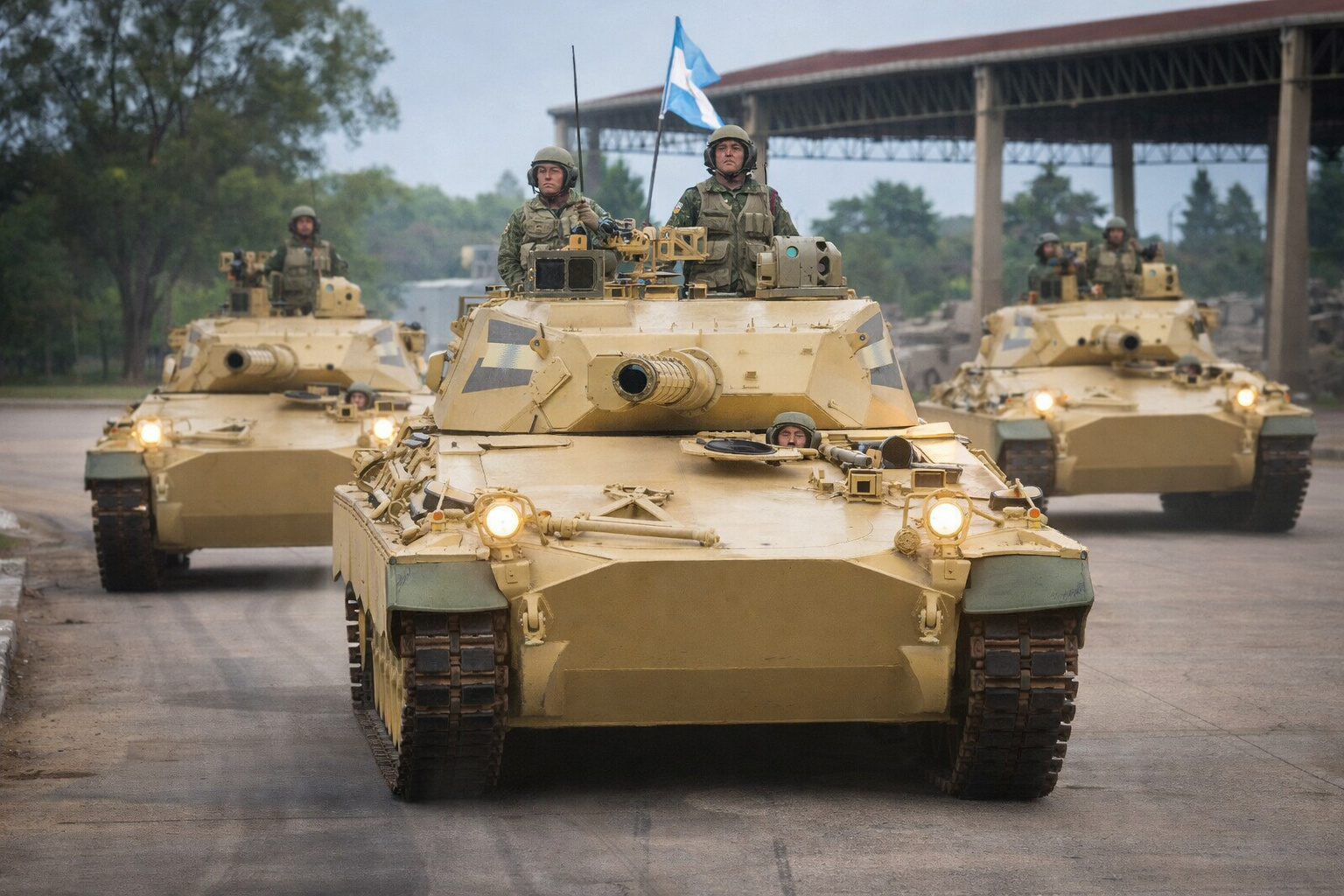
While no other country manufactures tanks in Latin America, Argentina activates the TAM 2C-A2 and raises a curiosity about the technological lag in the region.
-
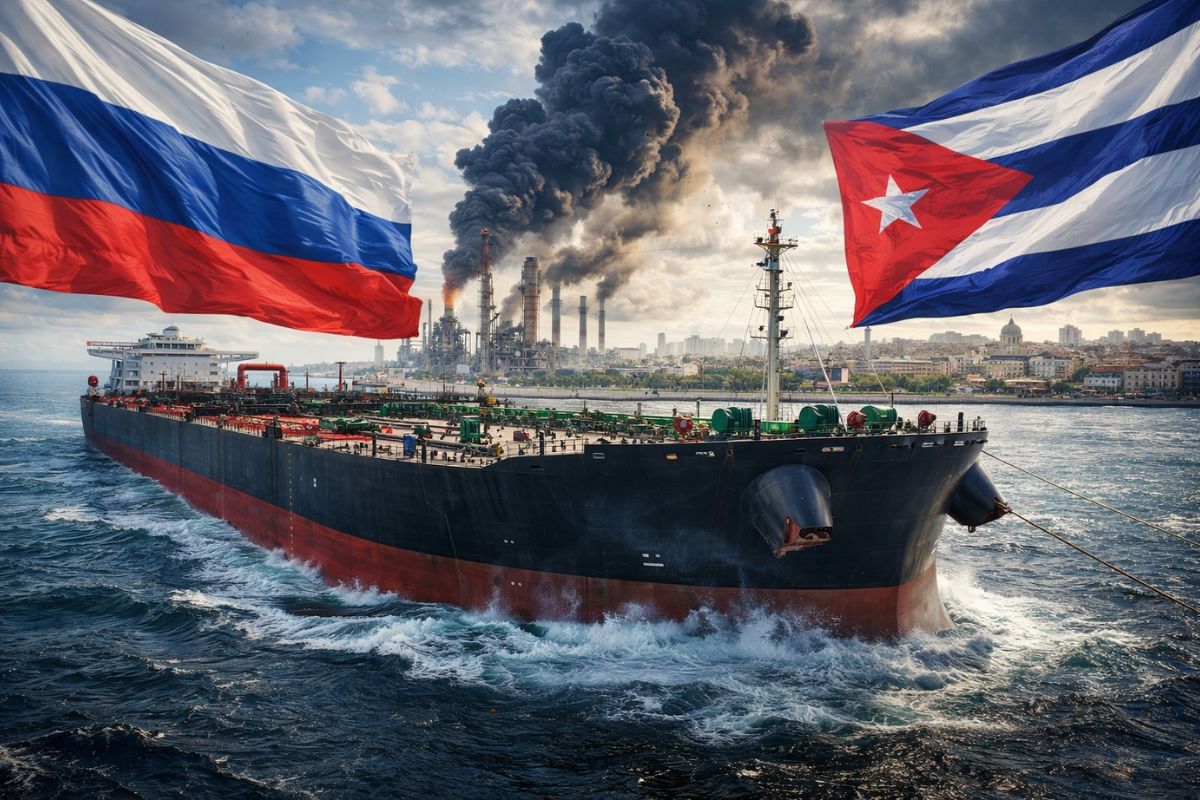
A Russian ship with 730,000 barrels of oil has just arrived in Cuba while Mexico negotiates fuel sales through private companies: the communist island is desperately seeking alternatives after losing its supply from Venezuela due to American military action.
-
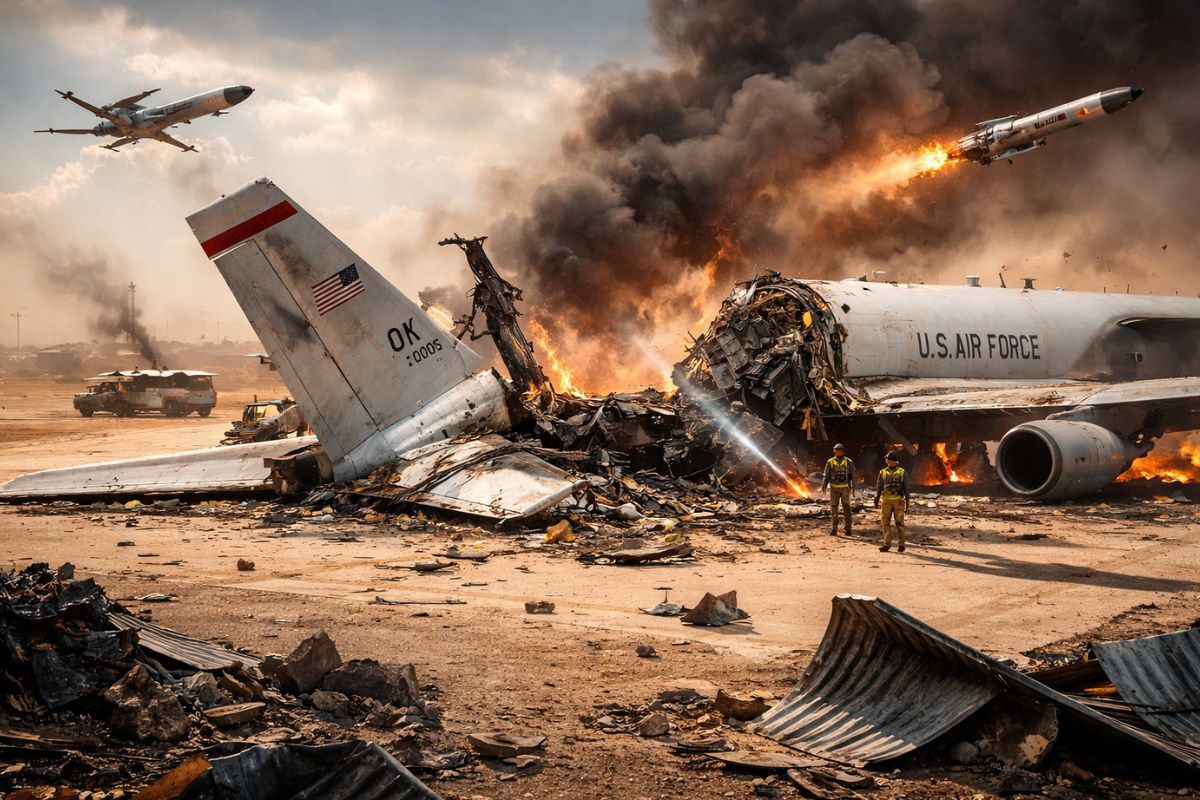
Iranian drones and missiles destroyed a 270 million dollar American spy plane in Saudi Arabia, splitting the E-3 Sentry aircraft in half and injuring 12 military personnel in an attack that exposes the vulnerability of U.S. bases in the Persian Gulf.
-
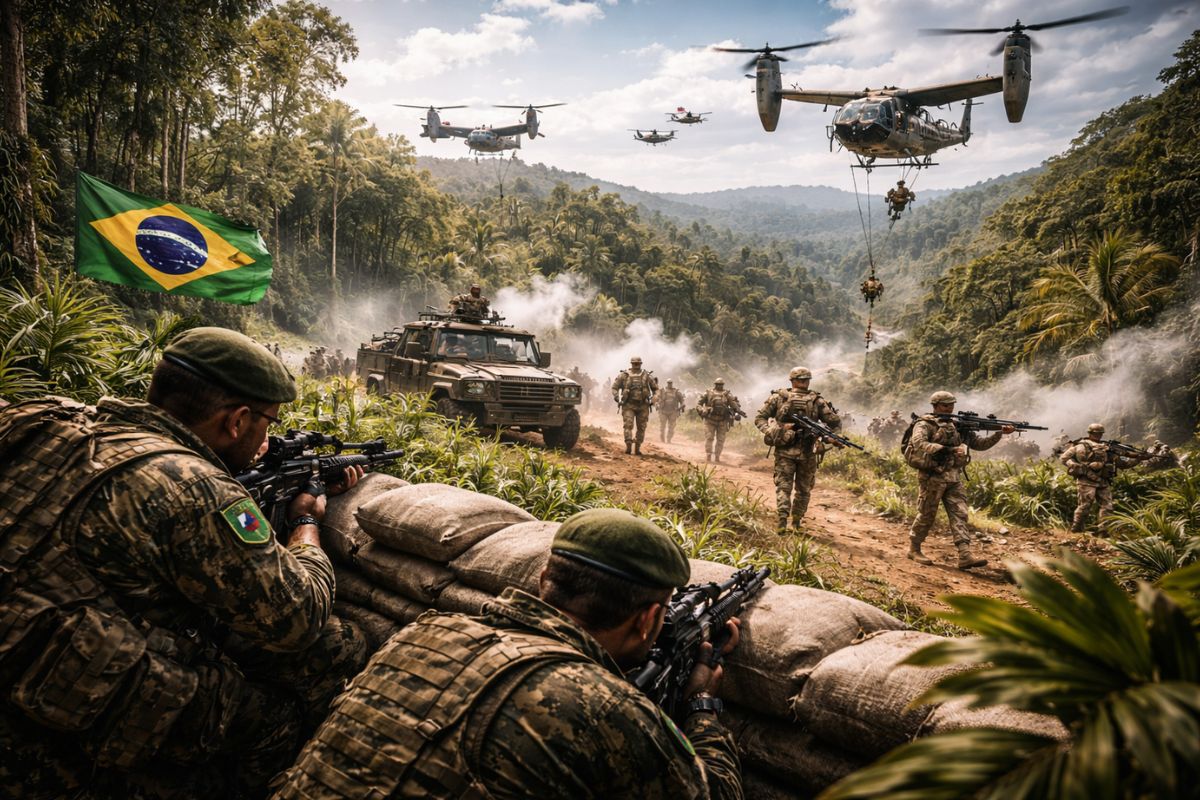
If the USA were to go to war with Brazil, Washington’s greatest fear would not be the attack itself, but facing a vast territory, prolonged resistance, and a costly, chaotic, and unpredictable occupation.

The critical point was the decision of the International Court of Justice, which declared that the Sahrawis had the right to self-determination. Despite this, Morocco launched the Green March in 1975, pressuring Spain to cede the land. Since then, the region has been at an impasse, with the UN trying to mediate a referendum that never took place.
The Economic and Geopolitical Impact
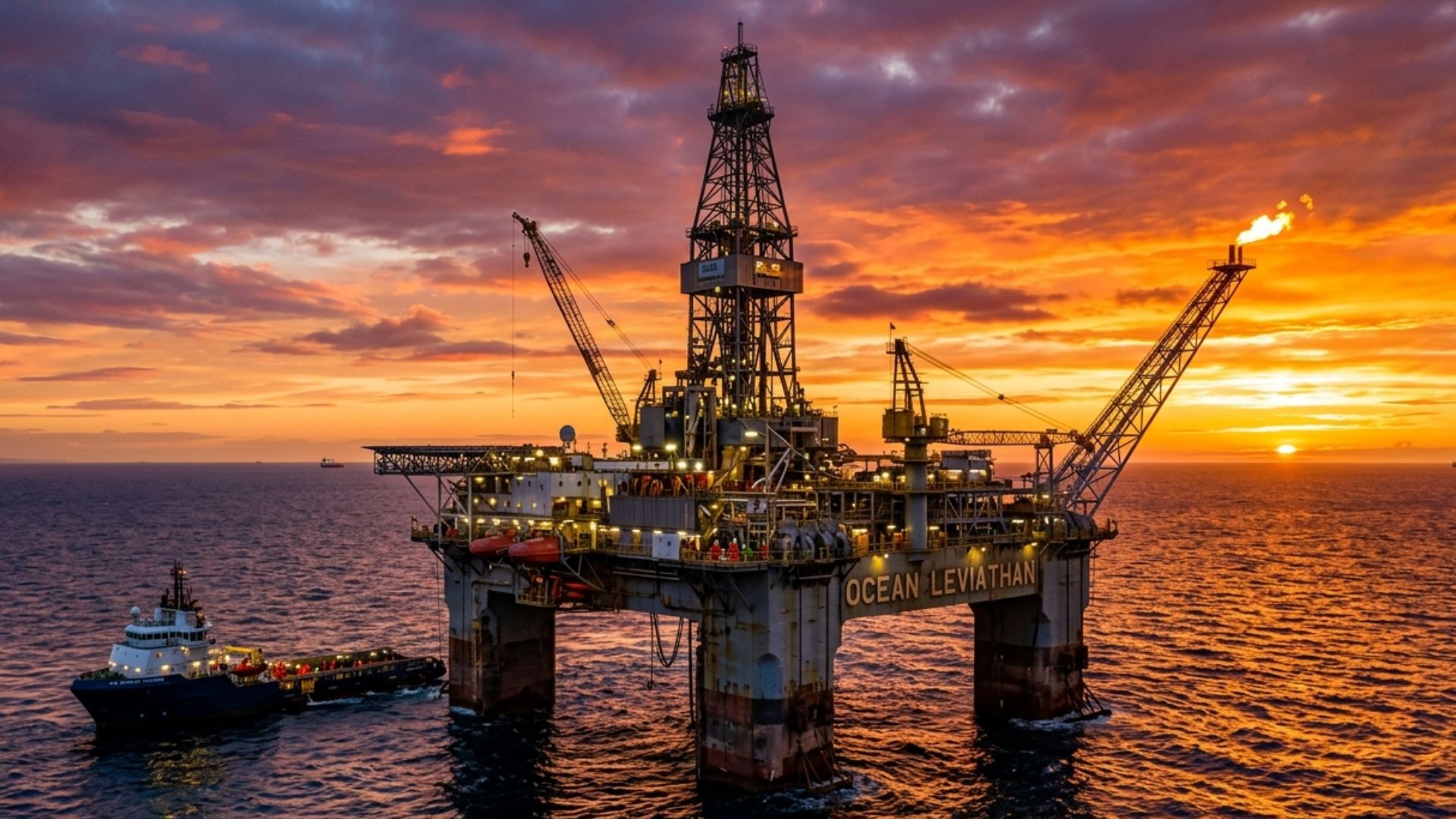
Besides the territorial conflict, Western Sahara is a strategic point due to its natural wealth. The region has vast phosphate reserves used in agriculture and offshore natural gas, attracting the interest of major powers. Morocco recently signed agreements to exploit these reserves, escalating tensions with the Polisario Front and Algeria.
The “Berm” also reflects the human and military cost of the conflict. With millions of land mines and forward posts, the area has become one of the most militarized scenarios in Africa.
Why Is Western Sahara Absent from Maps?
The absence of the name Western Sahara on maps is a reflection of political ambiguity. Most maps avoid labeling the territory to remain neutral on the dispute. The dotted line marking the border with Morocco is a visual reminder that the status of the region is far from resolved.
The lack of global data makes it difficult to include Western Sahara in economic and demographic analyses. With an uncounted GDP and a population living in refugee camps, the region has become a “black hole” of information.
Future of the Region
Although the UN mediated a ceasefire in the 1990s, tension persists. The influence of powers like the US and Israel, which recognize Moroccan control, contrasts with Algeria and Russia’s support for the Polisario Front. The resolution of the conflict depends not only on regional negotiations but also on international pressure to respect human rights and self-determination.
Western Sahara is a reminder that the struggle for justice and identity can be as vast as the desert that defines it. Will this land ever cease to be a void on the world map and become a symbol of resilience and peace?




-

2 pessoas reagiram a isso.