





 Portuguese
  English
  Spanish
  2 min of reading
  0 comments


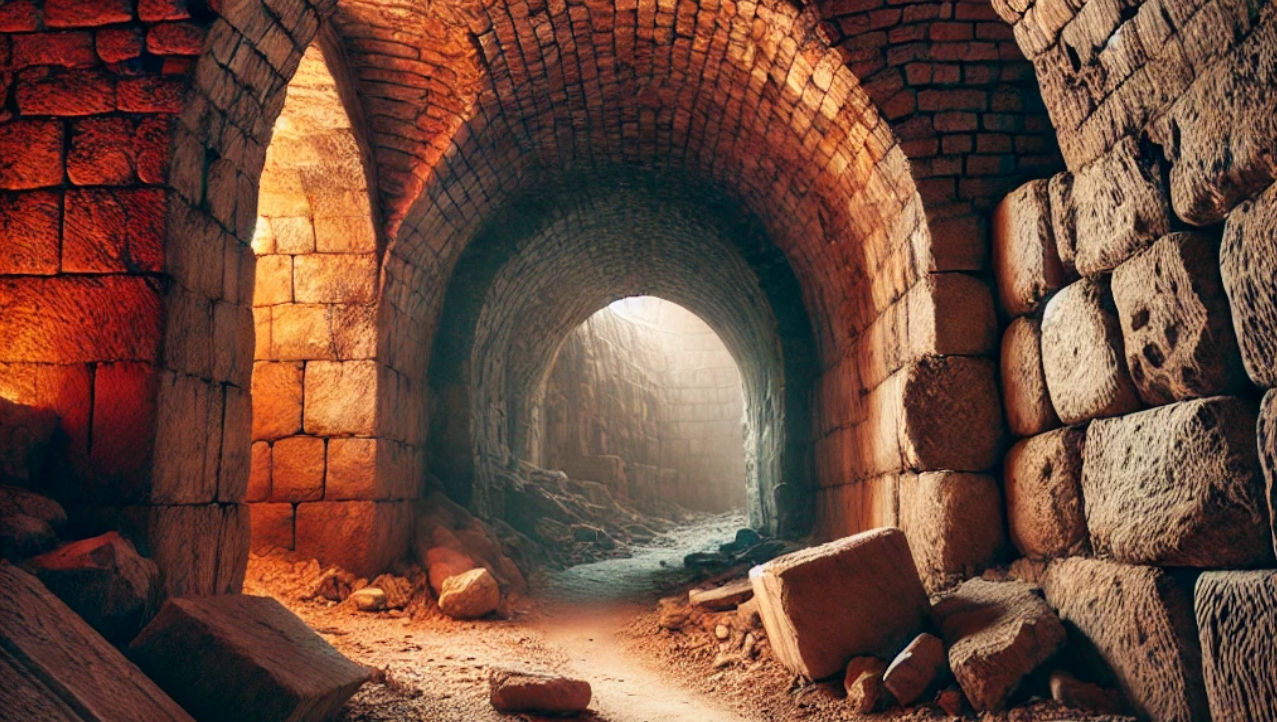
Researchers Made An Impressive Discovery When Finding A 1,500-Year-Old Underground Passage, Revealing New Details About Ancient Civilizations And Their Secrets.
Recently, teams from the Istanbul Cultural Heritage Department started excavations in a historic area of the city, known for the church built in the year 524. What appeared to be just another archaeological dig revealed a surprising 1,500-year-old underground passage, which has remained intact throughout centuries and numerous earthquakes.
The Discovery Of An Ancient Structure
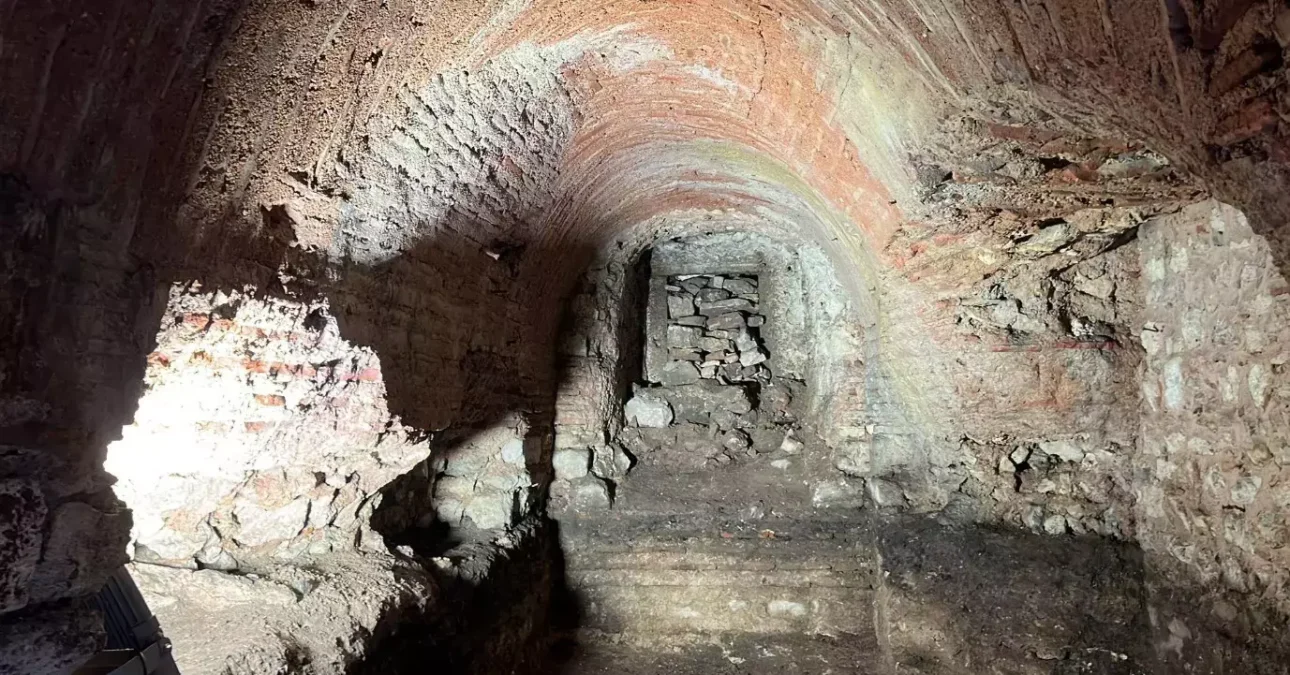
The discovery is of great importance not only for its historical value but also for the resilience of the structure. The stones that form the corridor are shaped in marble and adorned with reliefs, highlighting the construction skills of the time.
Mahir Polat, the deputy secretary-general of the municipality of Istanbul, emphasized the passage’s resilience, stating that the structure has survived fragments of tremors throughout the centuries. “In Istanbul, which faces the risk of new earthquakes, this discovery is essential. The structure has managed to withstand all the tremors that have hit the city. Türkiye needs to understand the secret behind this,” Polat stated.
-
In a flooded well, archaeologists found a 1,700-year-old Roman egg that still contains clear and yolk intact inside the very thin shell.

-
Something is happening around the Earth: Inside the huge explosion of fireballs in 2026

-
A hot air bubble coming from Argentina expands over Brazil, causing thermometers to exceed 38 degrees with a thermal sensation of 40 degrees in late March, affecting 6 states at once.

-
The radish leaf that almost everyone throws away has more polyphenols, flavonoids, and fiber than the consumed root, and a 2025 study showed that the leaf contains compounds that protect the intestine, combat inflammation, and may inhibit the growth of cancer cells.


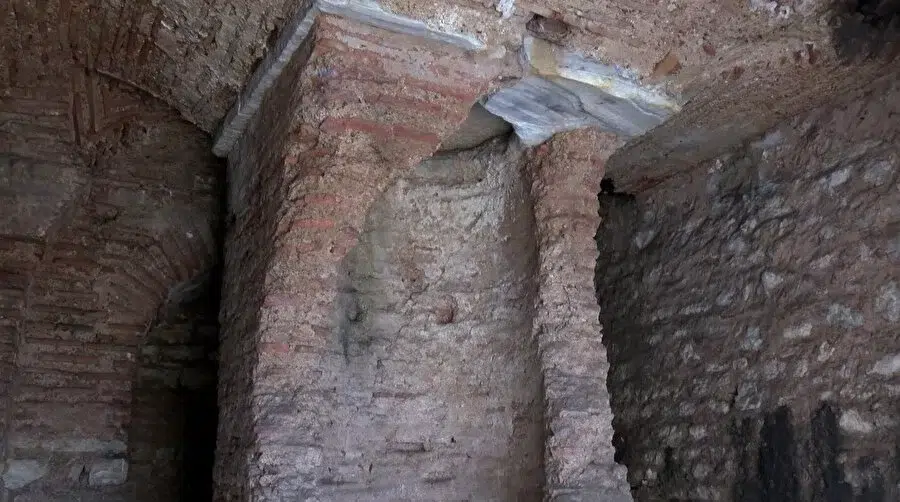
Transforming The Area Into A Tourist And Educational Center
In addition to the excavations, earthquake specialists and civil engineers collaborated on the project, aiming to study the impact of seismic forces in the region throughout history. Polat reported that a detailed report will be produced, documenting the earthquakes that have occurred in the area over the years.
The area in question, which houses the church built in the 6th century, holds great importance for urban archaeology. The excavations may uncover more knowledge about the history of Istanbul. “We are evolving an abandoned and problematic area into local tourism in just ten months,” Polat revealed. Previously, the region was known for housing homeless individuals and criminal activities.
The project also aims to involve the local population in the city’s history and archaeology. The excavations continue after the opening to the public, allowing visitors to follow the process and learn more about the significance of the historic structure. “While the excavations are underway, tourists will be able to learn about local history and see the work of archaeologists up close,” Polat added.
Recently, the team also made another remarkable discovery: a Roman statue approximately 1,900 years old. Additionally, the excavations unearthed 681 bronze pieces, stamped bricks, marble pieces, ceramics, oil lamps, glass and metal artifacts. These discoveries promise to reveal even more about Istanbul’s past and its rich history.










-

-

-

-

-

21 pessoas reagiram a isso.