





 Portuguese
  English
  Spanish
  4 min of reading
  0 comments


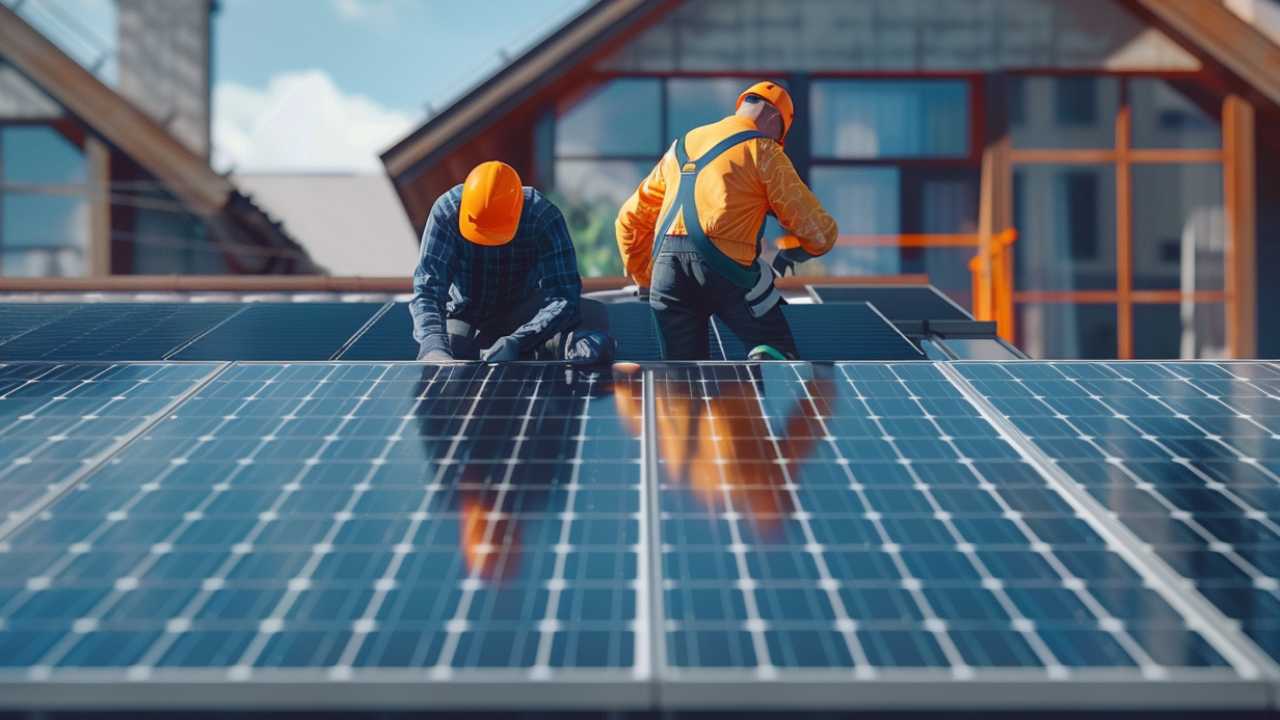
Detailed Step-by-Step Guide on Installing On-Grid Solar Energy Systems in Homes, Including Cost-Benefit Analyses, with the Potential for Savings of Up to 95% on Your Electricity Bill.
In the search for more sustainable and economical alternatives, many Brazilians have turned their eyes to solar energy. Installing an on-grid solar system at home not only helps reduce harmful gas emissions but also generates significant savings on electricity bills. We created this practical guide with Bruno Lowczy, a specialist with 10 years of experience in the renewable energy sector, who unveils the essential steps for installing solar panels in your home, considering the process from choosing equipment to connecting to the local power grid. It is important to clarify that this guide is an overview of the project.
The implementation of an on-grid photovoltaic system begins with assessing the household’s energy consumption and determining the necessary capacity of the panels. Experts recommend consulting qualified professionals to conduct a shading study and define the best orientation and tilt for the panels. The return on investment is guaranteed, with a reduction of up to 95% in electricity rates.
What Are the First Steps for Someone Considering Installing an On-Grid Solar Energy System at Home?
Before installing on-grid solar energy at home, it is advisable to conduct a study to understand how much energy you really need and where you are overspending. This helps avoid wasting energy even before installing the system. The table below is just an estimate, for a specific case it is important to calculate your daily energy consumption.
-
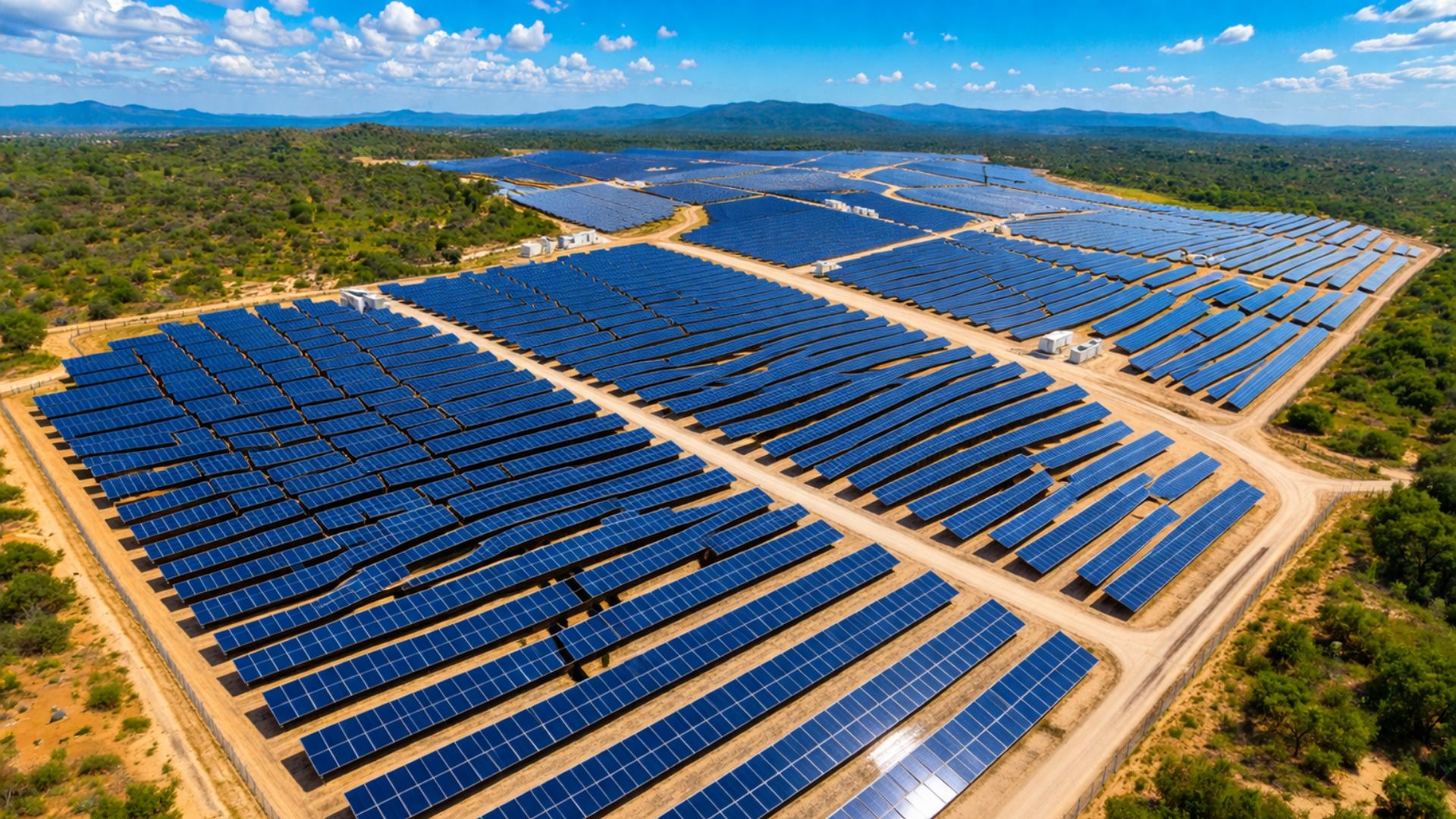
The Sol do Agreste Photovoltaic Complex begins operations in Pernambuco and accelerates the expansion of solar energy in Brazil, directly impacting the reduction of emissions and strengthening the sustainable energy matrix.
-
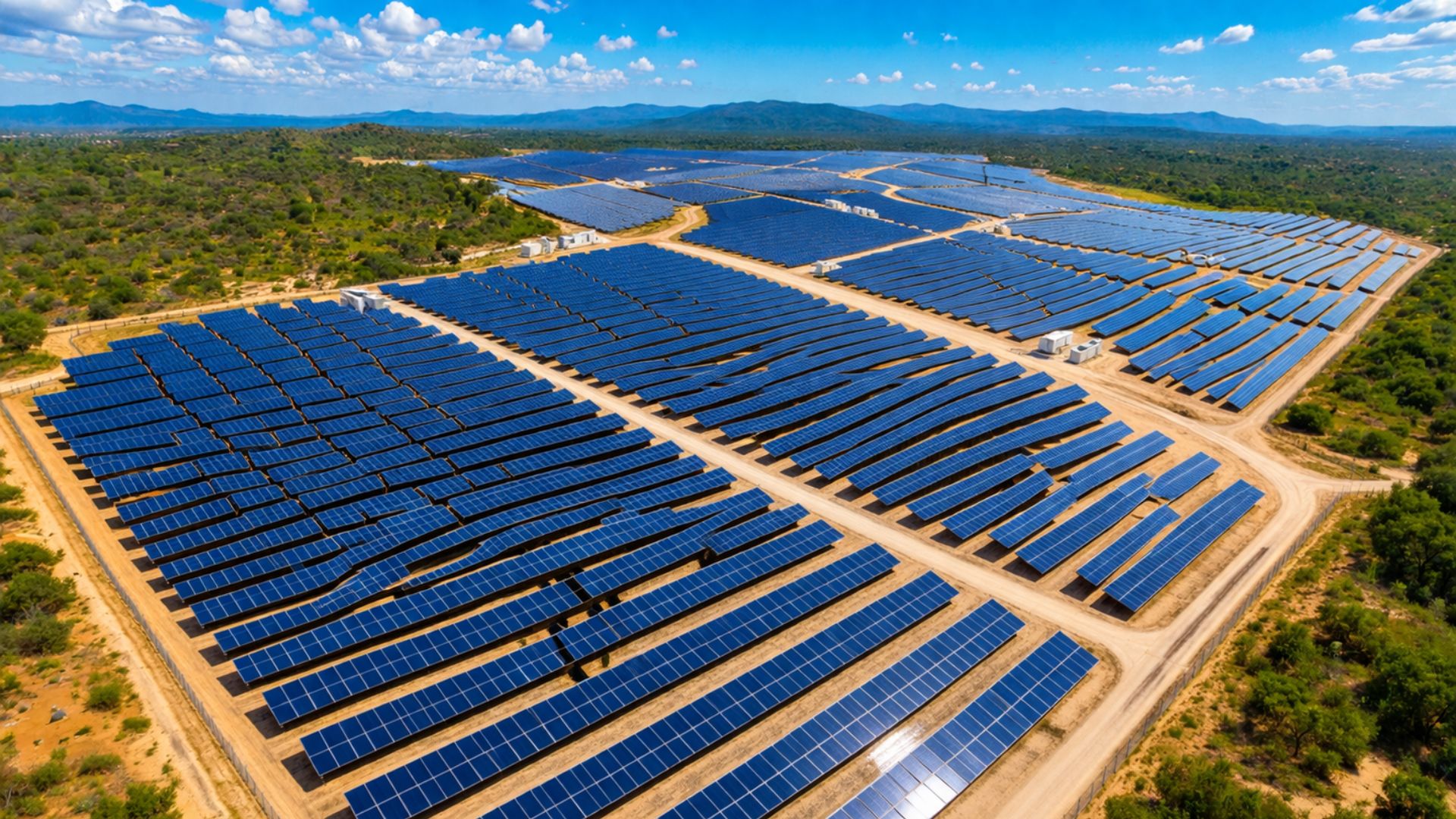
The Sol do Agreste Photovoltaic Complex begins operations in Pernambuco and accelerates the expansion of solar energy in Brazil, directly impacting the reduction of emissions and strengthening the sustainable energy matrix.
-
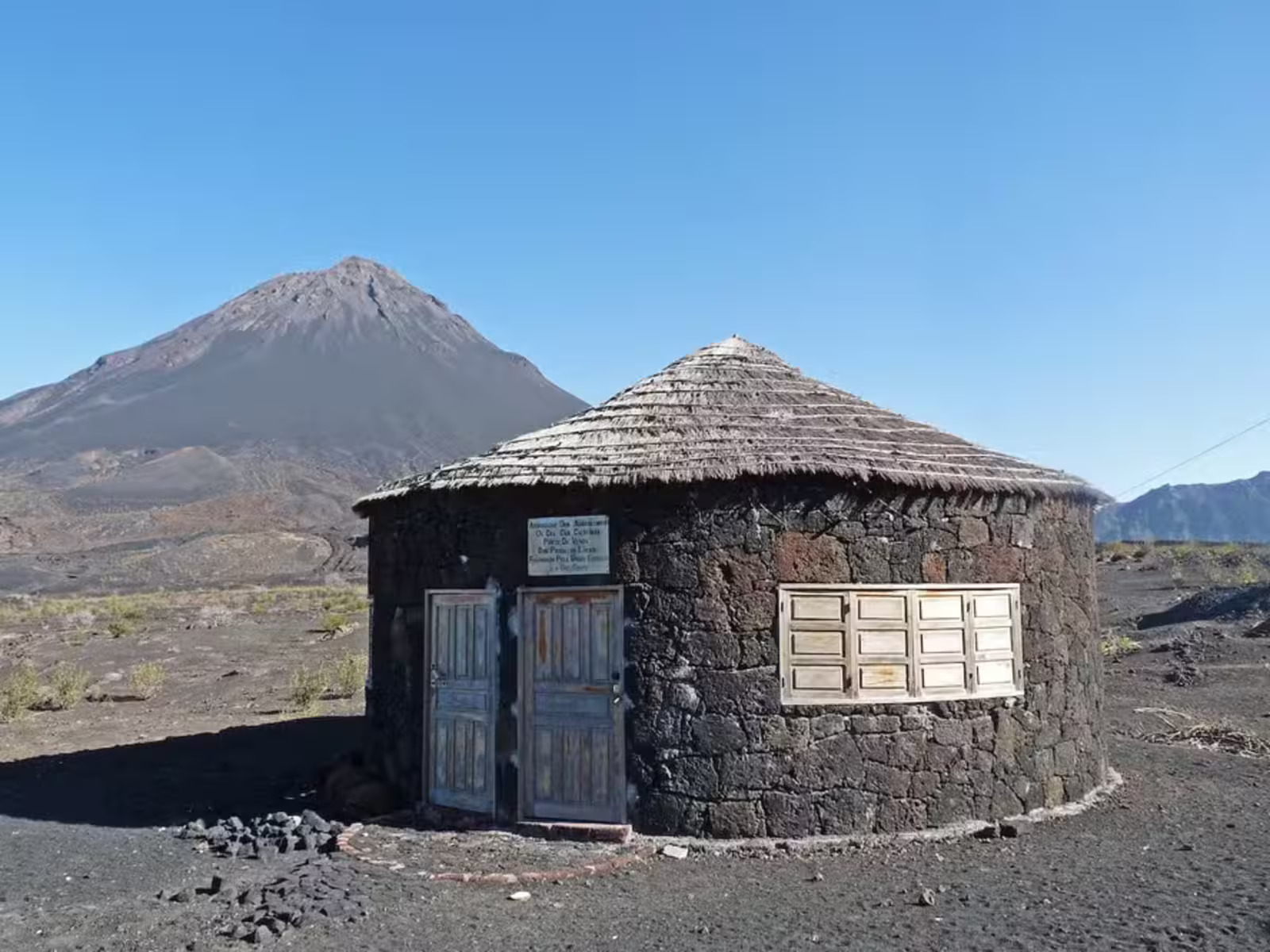
Renewable energy advances over protected areas in Brazil, and a survey by the Energy Transition Observatory reveals silent impacts that challenge environmental conservation and pressure sensitive traditional territories.

-
Rio Grande do Sul accelerates energy transition: State invests in renewable technologies and consolidates decarbonization strategies and pathways to attract billions in new industrial investments.


| Item | Average Price (R$ per Unit) | Quantity | Total Cost (R$) |
|---|---|---|---|
| Photovoltaic Module (500Wp) | R$ 1,500.00 | 10 | R$ 15,000.00 |
| Inverter (5 kW) | R$ 2,500.00 | 1 | R$ 2,500.00 |
| Mounting Structure | R$ 1,000.00 | 1 | R$ 1,000.00 |
| Cables and Connectors | R$ 500.00 | 1 | R$ 500.00 |
| Junction Box | R$ 200.00 | 1 | R$ 200.00 |
| AC Protection Box | R$ 500.00 | 1 | R$ 500.00 |
There are two types of protection boxes (junction box) for solar energy systems: DC protection and AC protection. DC protection is installed at the inverter’s input to protect the equipment from any irregularity coming from the solar panels, while AC protection is placed at the inverter’s output to safeguard the home’s internal electrical network and ensure safety when using the produced energy.
The junction box contains DC circuit breakers, essential for the safety of the inverter’s input, while the AC protection box includes an AC circuit breaker for the inverter’s output, as well as Surge Protection Devices (SPDs), ensuring safety and efficiency in distributing the solar energy converted to the home’s electrical grid.
How Is the Evaluation of the Roof’s Capacity to Support Solar Panels Done, and What Is the Importance of This Step?
To install solar panels, it is necessary for a technician or engineer to check whether the roof can support their weight. This is important to ensure that the roof will not break or give way during installation. Assessing the roof’s capacity is essential not only for the existing structure’s safety but also to prevent additional costs for future structural reinforcements.
This analysis may reveal the need for adjustments in the angle or orientation of the panels to maximize solar capture. With adequate support and well-planned installation, solar panels can offer maximum energy efficiency and an extended lifespan, significantly contributing to sustainability and energy consumption savings in the home.
What Licenses Are Required Before Starting the Installation of an On-Grid System?
Before starting to install an on-grid solar energy system, you need to obtain an authorization (known as ART or TRT) from the professional council of the responsible technician. This technician will create a detailed system project, showing how many panels, inverters, and other equipment will be necessary.
This authorization is important because it ensures that the solar panel project complies with all technical and safety standards. With this document, you are assured that the system will be installed correctly, will operate well, and will be safe. Having these approvals up to date helps avoid legal issues or delays during installation. It is a fundamental step to ensure everything runs smoothly and without complications.
What Is the Process for Installing Solar Panels and the Inverter for an On-Grid System?
To install an on-grid solar energy system, you first place a structure on the roof where the solar panels will be fixed. Then, the panels are connected to a device called a frequency inverter. This inverter connects the system to your home’s power grid. It is worth noting that there is a DC protection box between the panels and the inverter and an AC protection box between the inverter and the grid.
During the installation, it is important to avoid some common mistakes: placing the panels in the wrong spot, not adjusting their angle correctly, and installing in shaded areas. These mistakes can cause the panels to underperform and produce less energy. To minimize errors, we recommend talking to Bruno (11 97656-1952).
And What Happens After Installation?
After the solar panels are installed, they are connected to your home’s main circuit breaker. However, for you to start earning credits for the energy you produce and do not use, the electric company needs to approve the project. Only after this approval does everything start to work as it should.
This approval process by the utility generally involves inspecting the system to ensure that everything was installed according to technical standards and that it is safe for both the user and the public electrical grid. Once approved, the utility configures the energy meter to bidirectional mode, which can measure both the energy consumed and the energy fed back to the grid by your home.







Seja o primeiro a reagir!