





 Portuguese
  English
  Spanish
  7 min of reading
  0 comments


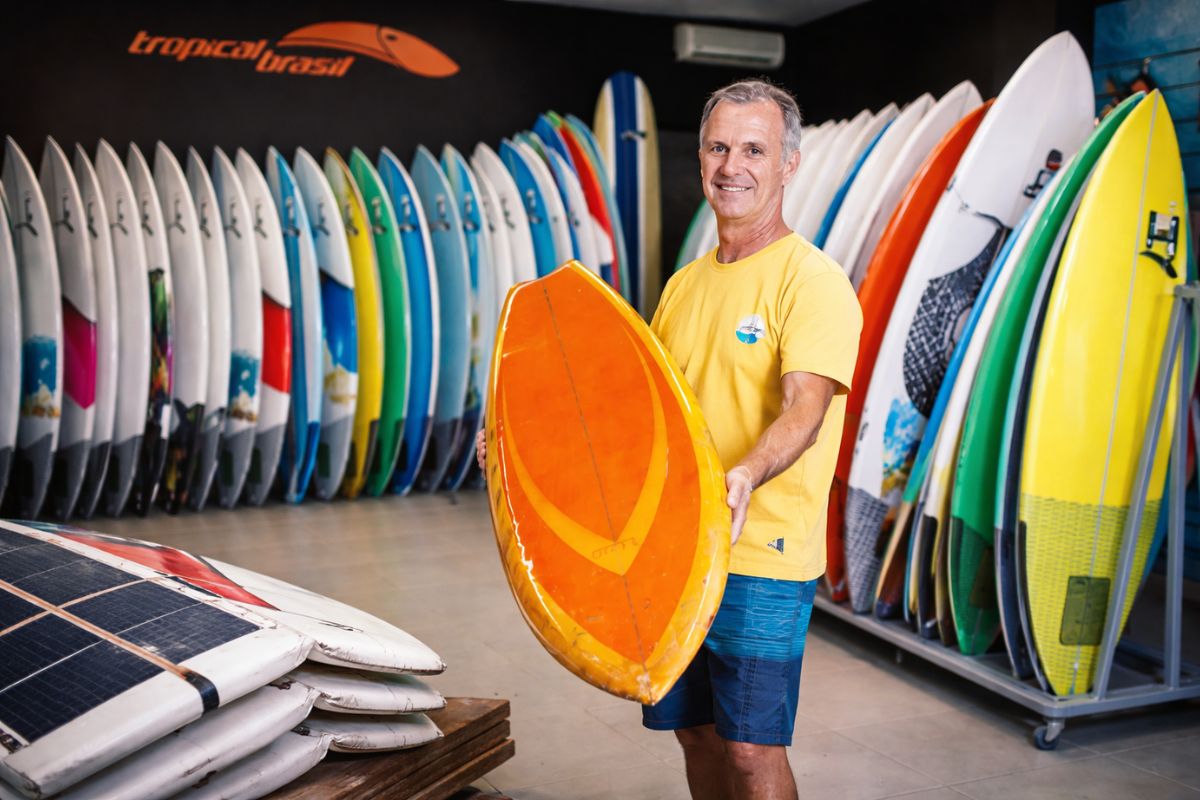
The Paulistano Avelino Bastos Came from Childhood Curiosity in Paranaguá, Passed Through Santos, Founded Tropical Brasil in Florianópolis in 1981 and, After Betting on Winning Surfers, Over Diversifying and Returning to His Roots in 2012, Consolidated a Brand That Leads the Brazilian Surfboard Sector in the Country.
The Paulistano Avelino Bastos Entered Surfing Even Before Touching a Real Board. At 9 Years Old, Upon Seeing the Image of a Piece in an Issue of Reader’s Digest, He Decided to Dismantle an Old Ironing Board to Improvise His Own Model, an Impulse That Would Later Lead to One of the Most Recognized Brands in the Industry.
The Scene Has a Touch of Craftsmanship and Obsession at the Same Time. It Was Not Yet a Business, Nor a Clearly Defined Career, But There Was Already a Trait That Would Follow Forward: The Discontent With What Existed and the Desire to Do It With His Own Hands. Decades Later, This Impulse Would Help Propel Tropical Brasil to a National Leadership Position in Surfboard Manufacturing.
The Inventive Childhood That Became a Work Method

The First Image of the Surfboard Came to Bastos in Paranaguá, on the Coast of Paraná, When He Was Still a Boy.
-
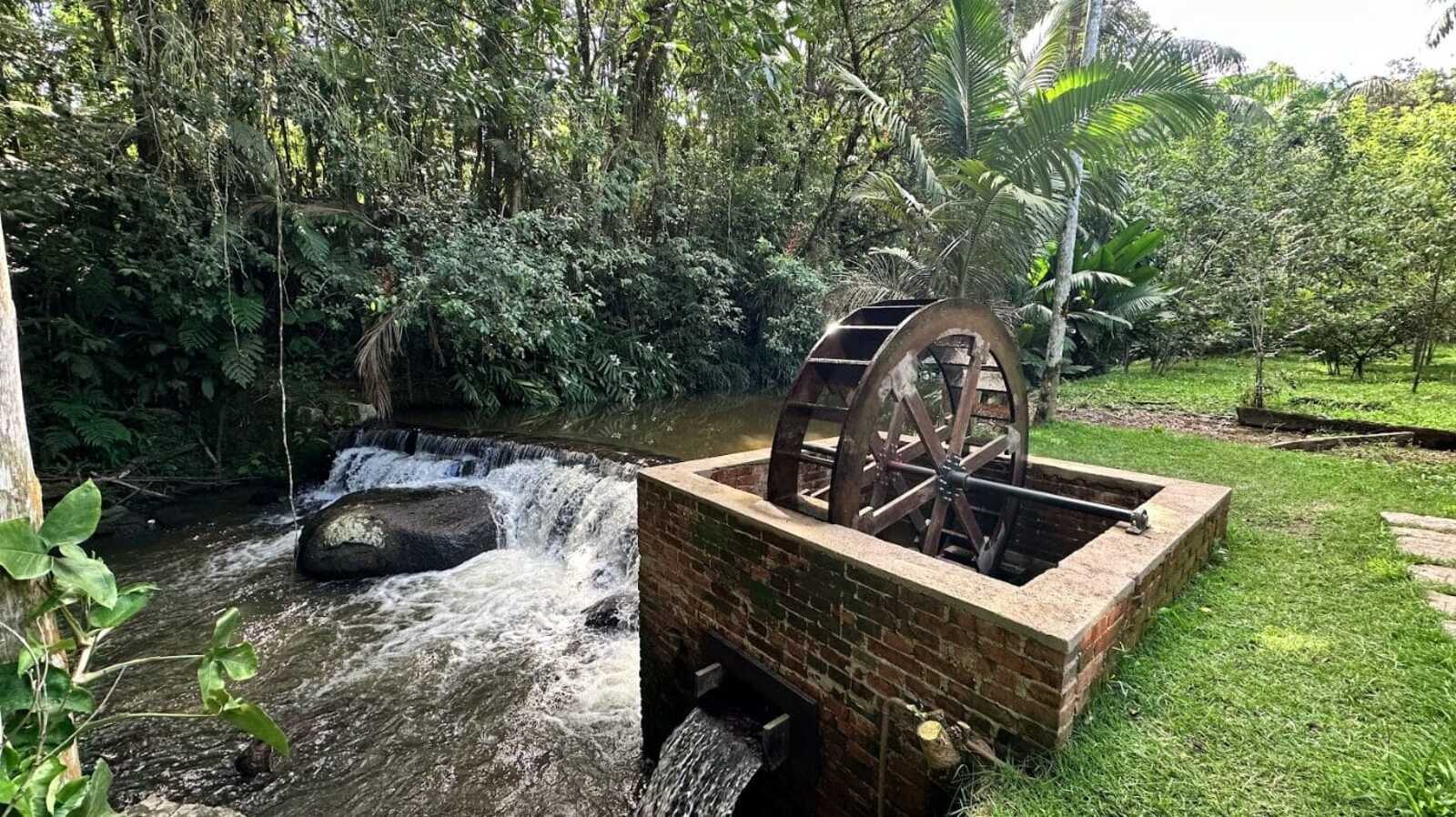
While restoring a historic mansion from 1910, a brick structure with an old turbine that generated energy from the Rio do Testo emerged, along with a hidden door and a rare floor concealed under layers of wax.
-
Italian researchers have detected what appears to be a second Sphinx buried under the sands of Egypt, and satellite scans reveal a gigantic underground megastructure hidden beneath the Giza Plateau for over 3,000 years.

-
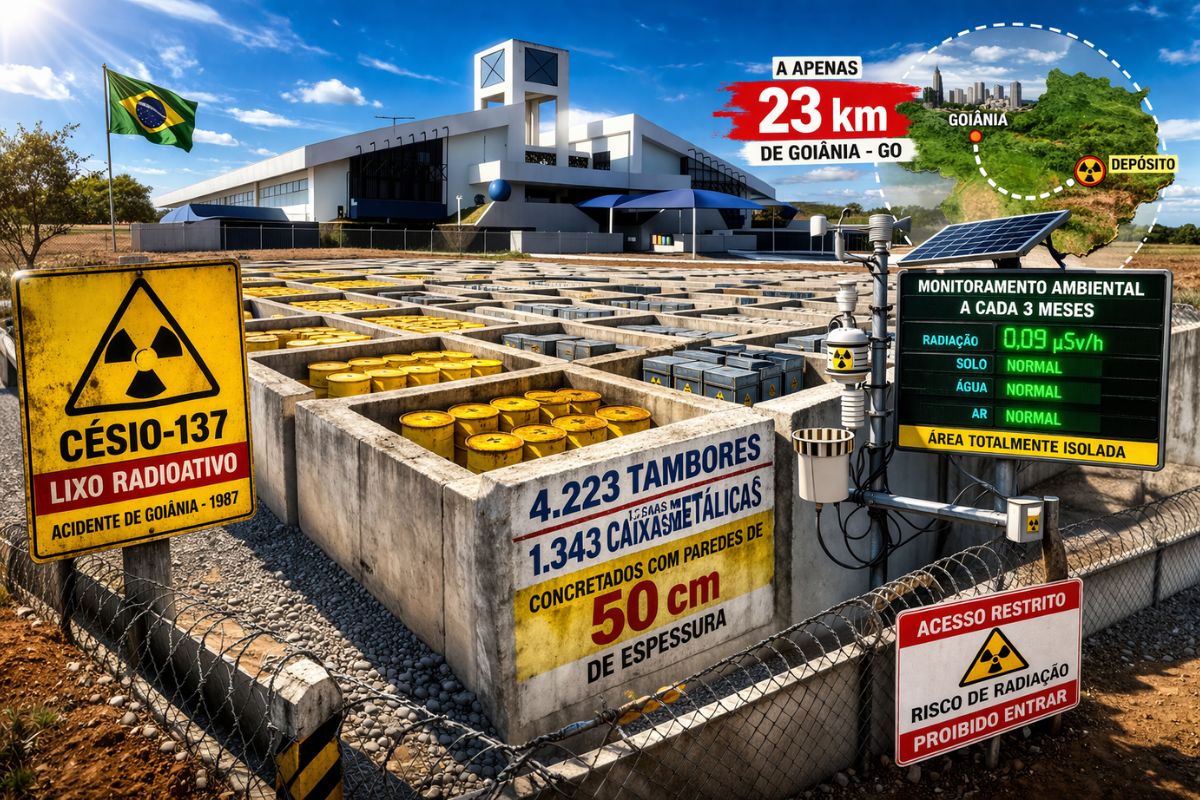
There are 4,223 drums and 1,343 metal boxes concreted with 50-centimeter walls that store the radioactive waste from Cesium-137 in the worst radiological accident in Brazil, just 23 kilometers from Goiânia, with environmental monitoring every three months.
-
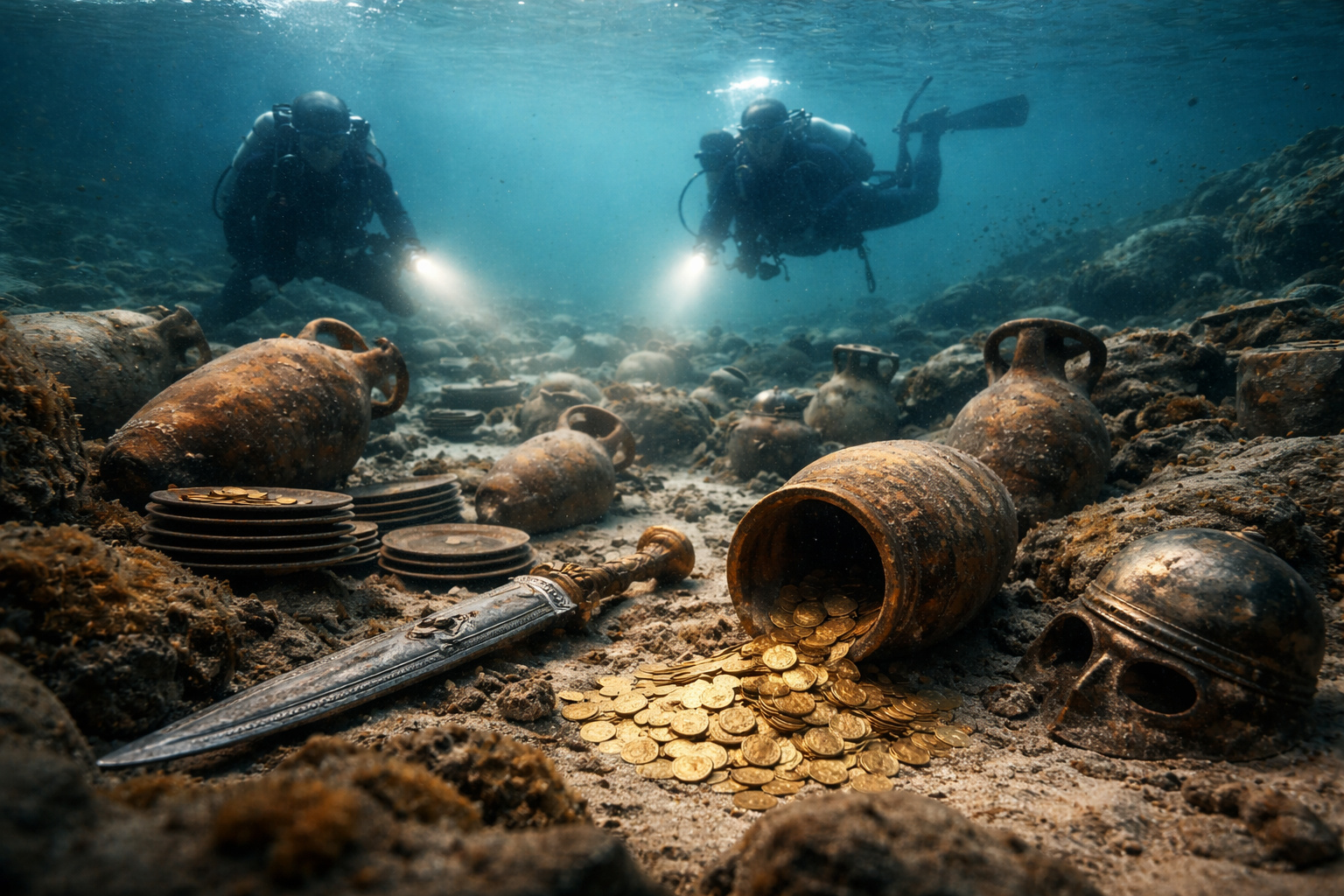
Giant Roman treasure found at the bottom of Lake Neuchâtel in Switzerland reveals an advanced trade system, circulation of goods, and armed escort in the Roman Empire about two thousand years ago.

The Object, Seen in a Magazine, Seemed Strange Enough to Spark Immediate Curiosity.
Instead of Just Admiring It, He Tried to Reproduce the Shape from What He Had Nearby, Using the Ironing Board as Raw Material for an Improvised Prototype.
The Gesture May Seem Small, but It Helps Explain a Lot of What Came Later.
The Founder’s Logic Was Already to Dismantle, Observe, Test, and Redo, a Behavior That Often Emerges in Those Who Later Transform Manual Production into Business Language.
The First Board Was a Poorly Resolved Sketch, but It Was Also the First of Thousands.
Several Years Later, Already Living in Santos, on the Coast of São Paulo, Bastos Saw a Real Board for the First Time.
And When He Finally Received His, the Reaction Was Not Full Enchantment. He Was Disappointed. The Piece Did Not Match What He Had Imagined. This Frustration, Instead of Pushing Him Away, Drew the Paulist Closer to the Craft.
It Was in the Back of His House, Working with Fiberglass, That He Began to Make His Own Board. Even Before Completing That Unit, a Surfer Friend Already Wanted to Buy It.
From Then On, the Chain Formed Organically: A Friend Recommended Another, Personal Consumption Turned into Orders, and Manual Skill Began to Gain Market Value.
Florianópolis, Championships, and the Construction of a Brazilian Brand

Tropical Brasil Was Born in 1981, in Florianópolis, the City Where Bastos Moved to Attend College. The Geographical Change Was Decisive.
The Capital of Santa Catarina Offered Proximity to the Sea, a Circulation of Surfers, and a Favorable Environment to Transform a Still Artisan Production into a Business. It Was Here That Improvisation Gained Structure.
From the Beginning, Bastos Expressed the Desire to Create an Original, Brazilian Product. The Ambition Was Not Just to Manufacture Another Board, but to Build a Brand Linked to Performance and Its Own Identity.
The Initial Strategy Was Simple and Risky at the Same Time: Put the Boards in the Hands of Young Surfers in Championships, Betting That the Result on the Waves Would Advertise Better Than Any Traditional Campaign.
The Choice Worked Quickly. The Sponsored Athletes Won Important Tournaments and Helped Position Tropical Brasil in the Market. Among Them Were Teco Padaratz, Who Would Win Two World Titles, and David Husadel, a Strong Name in Santa Catarina Surfing.
When the Results Appeared, the Brand Gained Reputation, and Bastos Summed Up This Role in an Almost Informal Way: He Became a Coach.
This Growth Was Not Just Symbolic. The Company Founded by the Paulistano Started Earning R$ 3.5 Million and Established Itself as the Sector Leader in the Country.
The Combination of a Competitive Product, Presence in Championships, and a Correct Reading of the Environment in Florianópolis Made Tropical Brasil a Rare Case Where Brand, Athlete, and Narrative Grew Almost Simultaneously.
When Growing Too Much Almost Made the Company Die on the Shore

In the 1990s, Padaratz and Husadel Became Partners in Tropical Brasil, and the Company Entered a New Phase. The Brand Started Diversifying through Licensing, Printing Clothing, Cosmetics, Glasses, and Accessories.
At One Point, the Portfolio Reached Over 400 Items, a Number That Shows How Tropical Tried to Transform Into Something Larger Than a Surfboard Manufacturer.
At First Glance, the Expansion Seemed Logical. A Strong Surf Brand Could Occupy Various Consumption Fronts and Capture a Broader Slice of Revenue.
And Indeed, These Products Represented a Significant Part of the Revenue. The Problem Emerged in the Complexity of the Business.
Fashion Did Not Operate with the Same Predictability as the Board, and Bastos Realized This by Losing a Lot of Money.
The Conclusion Was Harsh but Objective. The Entrepreneur Understood He Was Straying from the Center of What He Knew How to Do Best. In 2012, the Operations of Clothing and Accessories Were Sold to the Eixo Group.
In This Process, Some Partners Left the Company, and Bastos Decided to Refocus Tropical Brasil on What Had Sustained Its Reputation from the Beginning.
The Decision to Retreat Was Not Presented as a Defeat, But as a Reframing.
He Himself Summed Up the Choice as a Renunciation of Businesses in Which He Was a Supporting Actor, Even When They Generated Revenue, to Focus on What He Truly Enjoyed and Mastered: Producing Boards.
It Was a Strategic Cut to Save the Identity of the Company.
The Return to Roots and the Attempt to Scale Without Losing the Artisan Element
After Selling the Parallel Operations, Bastos Returned to the Place He Had in the Early Days: That of Designer and Thinker of the Brand. The Change of Role Is Relevant Because It Shows That Tropical Brasil Did Not Abandon Its Ambition to Grow, But Changed the Axis of Expansion.
Instead of Licensing More Categories, the Company Began Seeking New Ways to Produce Boards at Scale with More Functionality and Lower Cost.
This Point Is Central to Understanding the Company’s Most Recent Phase. Bastos Wants to Lower Costs and Increase Production Without Erasing What Makes a Difference in the Surfboard Market: the Artisan and Customized Touch.
The Desired Formula Is Delicate, as It Requires Sufficient Technology to Scale and Sufficient Sensitivity Not to Turn the Product into an Indifferent Piece.
With Around 100,000 Boards Produced Throughout Its Journey, Some Made by His Own Hands, the Founder and His Partner Nelson Mendes Are Planning to Build a New Factory.
The Future Unit Should Be Located in Santa Catarina, Though Not Necessarily in Florianópolis. The Decision Shows That the Bond with the State Remains Strong, Even Though the Map of Expansion Changes.
There Is Something Symbolic in This Movement. The Company Was Born, Grew, and Emerged in Florianópolis, but Now It Can Seek Another Beach, Including a Beach Far from the Sea.
What Started with a Dismantled Ironing Board Ends, At Least for Now, with an Industry Trying to Increase Scale Without Losing Its Soul.
Leadership, Identity, and the Weight of a Rare Choice
The Case of Tropical Brasil Escapes the Simplistic Reading of “Visionary Entrepreneur” Because the Journey Includes Mistakes, Excesses, Retreats, and Restarting.
The Paulistano Who Improvise a Board at 9 Years Old Did Not Reach Leadership Just by Insisting; He Also Arrived by Recognizing When the Deviation Was Too Great and When the Business No Longer Seemed to Fit Itself.
This Helps Explain Why the Brand Endured Where Others Might Have Dissolved.
By Giving Up Fronts That Generated Revenue but Strayed the Company from Its Core Competence, Bastos Swapped Broad Expansion for Technical Depth.
Not Every Company Accepts Shrinking to Stay Relevant, and This Seems to Be One of Tropical Brasil’s Most Decisive Moves.
It Also Weighs That the Company Relied on Winning Athletes at a Time When Technical Reputation Was Worth Almost as Much as Advertising.
Instead of Selling Just Style, Tropical Linked Its Name to Performance and Results. This Created a More Resilient Foundation Than a Passing Trend, Especially in a Sector Where the Product Needs to Perform in the Water, Not Just in the Showcase.
In the End, the Story of Paulistano Avelino Bastos Is Less About a “Brilliant Idea” and More About Continuity. Seeing, Improvising, Manufacturing, Correcting, Growing, Erring, Retreating, and Remaking.
The Board He Did Not Like When Young Seems to Have Served as a Permanent Trigger for an Uncomfortable and Productive Question: What If It Were Possible to Do Better?
The Journey That Took the Paulistano from a Magazine to National Leadership in Surfboard Manufacturing Shows That the Business Was Not Born from Abundant Capital or Perfect Planning, but from Repetition, Observation, and Focus.
Between Paranaguá, Santos, and Florianópolis, Tropical Brasil Was Shaped by Decisions That Brought the Brand Closer to Its Origin Whenever It Was at Risk of Getting Lost.
If You Were in Bastos’s Shoes, At What Point Would You Have Changed Course: When Diversification Began to Grow Too Much, or Only After Seeing That the Revenue Did Not Justify the Wear? And, Looking at Brazilian Brands That Originated from a Very Specific Craft, Do You Think It Is More Difficult to Grow While Maintaining Identity or to Recognize the Right Time to Return to What Really Sustains the Business?








-

Uma pessoa reagiu a isso.