





 Portuguese
  English
  Spanish
  4 min of reading
  2 comments





Minister Wellington Dias Says Bolsa Família Is Essential to Protect Vulnerable Families but Cannot Replace Employment. Government Dismisses Benefit Increase and Highlights More Favorable Economic Scenario in Brazil.
A direct alert about work and income in Brazil: Amid frequent debates about social programs and the labor market, the Minister of Development and Social Assistance, Wellington Dias, sent a clear message: the Bolsa Família is fundamental to ensure dignity for those in need, but it cannot, under any circumstances, become a substitute for employment.
The statement was made during an interview on Bastidores CNN and reignites the discussion about how to balance social protection, economic growth, and real opportunities for the Brazilian people.
Bolsa Família Is Support, Not Final Destination
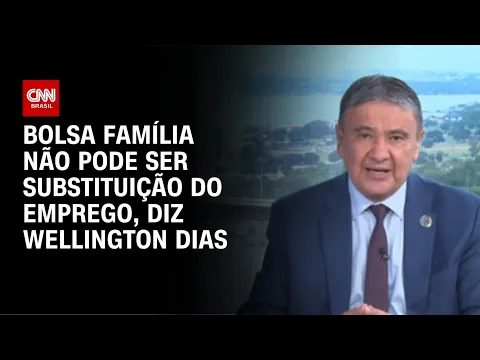

According to Wellington Dias, the program should be understood as a temporary aid for families in situations of social vulnerability. He emphasized that cash transfers do not replace what truly promotes individual and collective growth: work, self-initiative, and talent appreciation.
-
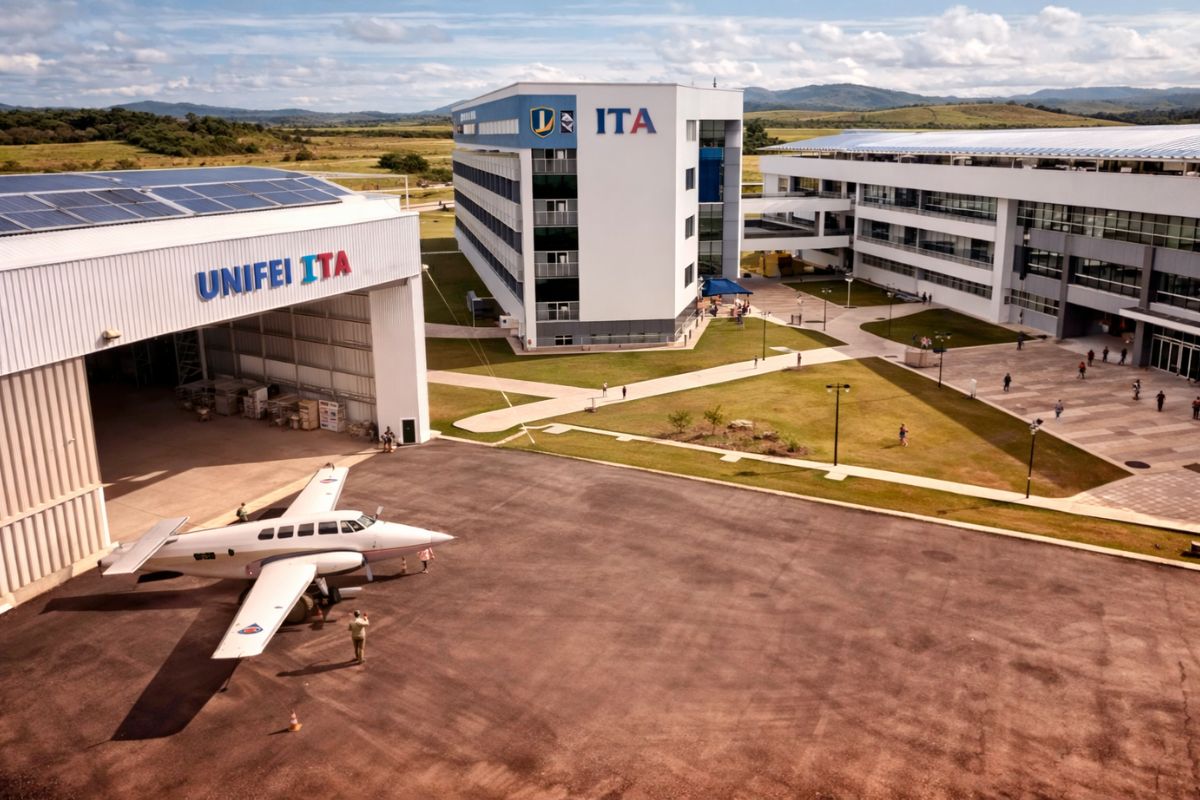
The institute that trained the greatest aerospace engineers in Brazil has just opened its first campus outside São Paulo after 75 years: ITA Ceará will have R$ 445 million, new courses in energy and systems, and classes are expected to start in 2027.
-
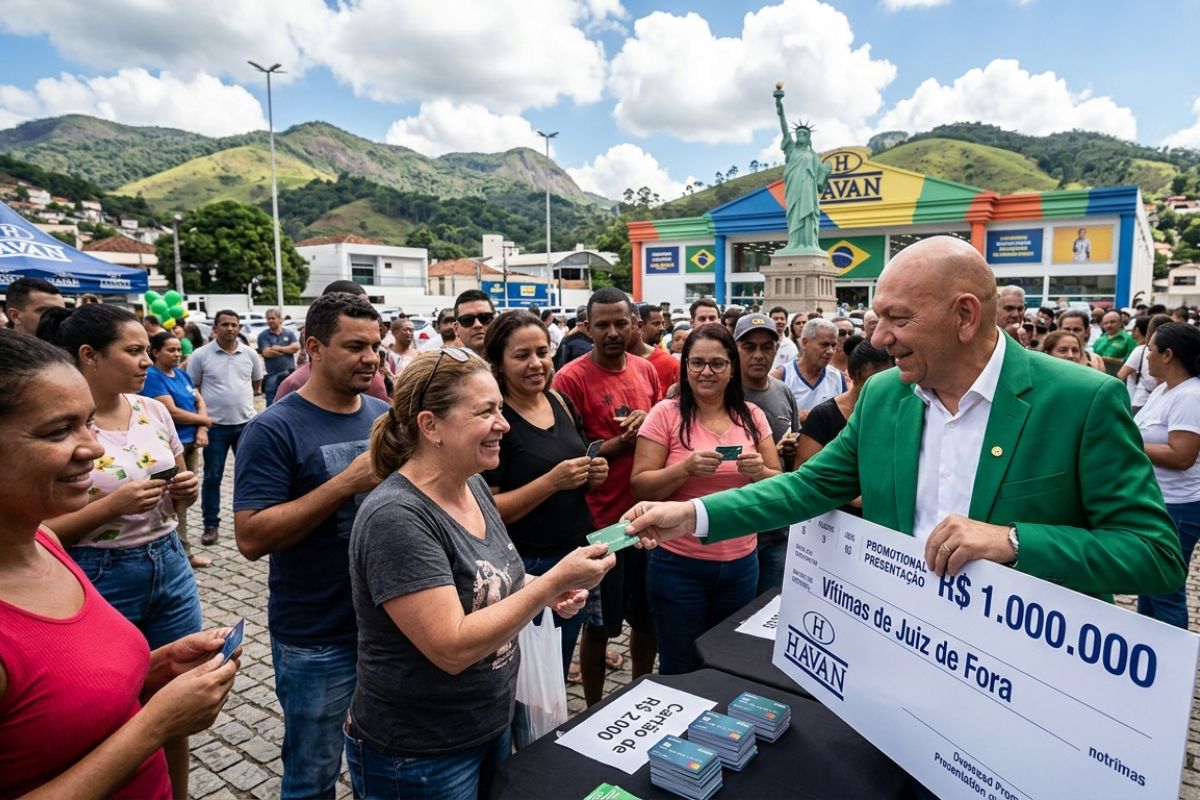
Luciano Hang, owner of Havan, goes to Juiz de Fora after the tragedy in February, brings R$ 1 million, hands out R$ 2,000 cards, and donates up to R$ 15,000 to victims in the region.
-
The Brazilian passport allows legal residence in dozens of countries without the need for a prior visa, and most Brazilians are unaware that they can apply for residency directly upon arriving in nations in South America, Africa, and even Europe.

-
Petrobras sends a message to Brazilian truck drivers after fuel collapse and reveals plan to have 100% domestic diesel.


“Bolsa Família is a help that the Brazilian people, through a fund, place there for people in social vulnerability. It can never be a substitute for the main thing, which is employment, entrepreneurship, and talent; this is how a person grows,” said the minister.
Currently, the Bolsa Família benefits more than 20 million families across Brazil, according to official data from the Ministry of Development and Social Assistance. Theaverage amount remains around R$ 600, with additional amounts linked to family composition.
There Is No Study for Benefit Increase
Dias was also categorical in denying rumors of a possible adjustment of the benefit to R$ 700 in 2025. According to him, there is no ongoing study with that aim within the government.
This position aligns with the discourse adopted by the Palácio do Planalto of prioritizing policies that encourage productive insertion without abandoning the social protection network. The so-called “protection rule,” for example, allows families to retain part of the benefit even after an increase in income, a mechanism detailed on the official Bolsa Família portal.
Education and Health as Social Counterpart
Another point highlighted by the minister is that the program is not limited to the transfer of money. Bolsa Família is directly linked to commitments in the areas of education and health, such as minimum school attendance and medical follow-up, especially for children and pregnant women.
This integration, according to public policy experts, is essential to breaking the cycle of poverty. Economist Ricardo Paes de Barros, a reference in social studies, has stated in analyses of the IPEA that programs conditioned to education generate positive long-term impacts in the labor market.
More Favorable Economic Scenario
Wellington Dias also pointed to positive signals in the economy. Inflation, including that of food, has shown signs of deceleration, according to recent data from the IBGE. For the minister, this is the result of combined factors, such as the appreciation of the real against the dollar and policies that stimulate agricultural production.
The Safra Plan, mentioned by him, has ensured financing and stability for food production even in the face of climate challenges. Detailed information about the program is available on the Ministry of Agriculture website.
“Therefore, the exchange effect is not impacting as it was in 2023 on internal prices, which ensures purchasing power, guaranteeing a condition for consumption,” the minister explained, also commenting on the basic basket approved by Congress as a reference for purchasing power.
Commitment to Food Security and Overcoming Poverty
Finally, the minister reinforced that the government maintains the commitment not to let resources for food security run out. The goal, according to him, is not only to take Brazil off the hunger map but also to advance in the structural overcoming of poverty.
Still, Wellington Dias reiterated that there are no plans to raise the value of Bolsa Família in the short term, maintaining the line that the program must walk alongside policies for job and income generation.
And you, what do you think about the role of Bolsa Família in the Brazilian economy? Leave your comment and share this content to expand the debate.










verdade é que a idade(no meu caso)e a sindactilia(dedos dos pés)entre outros fatores”inviabiliza”a admissão n’um emprego”decente”!
Daqui a pouco o bolsa família tá 100 reais e o salário mínimo 3000 reais ! O benefício não acompanha os preços das coisas !