





 Portuguese
  English
  Spanish
  4 min of reading
  0 comments


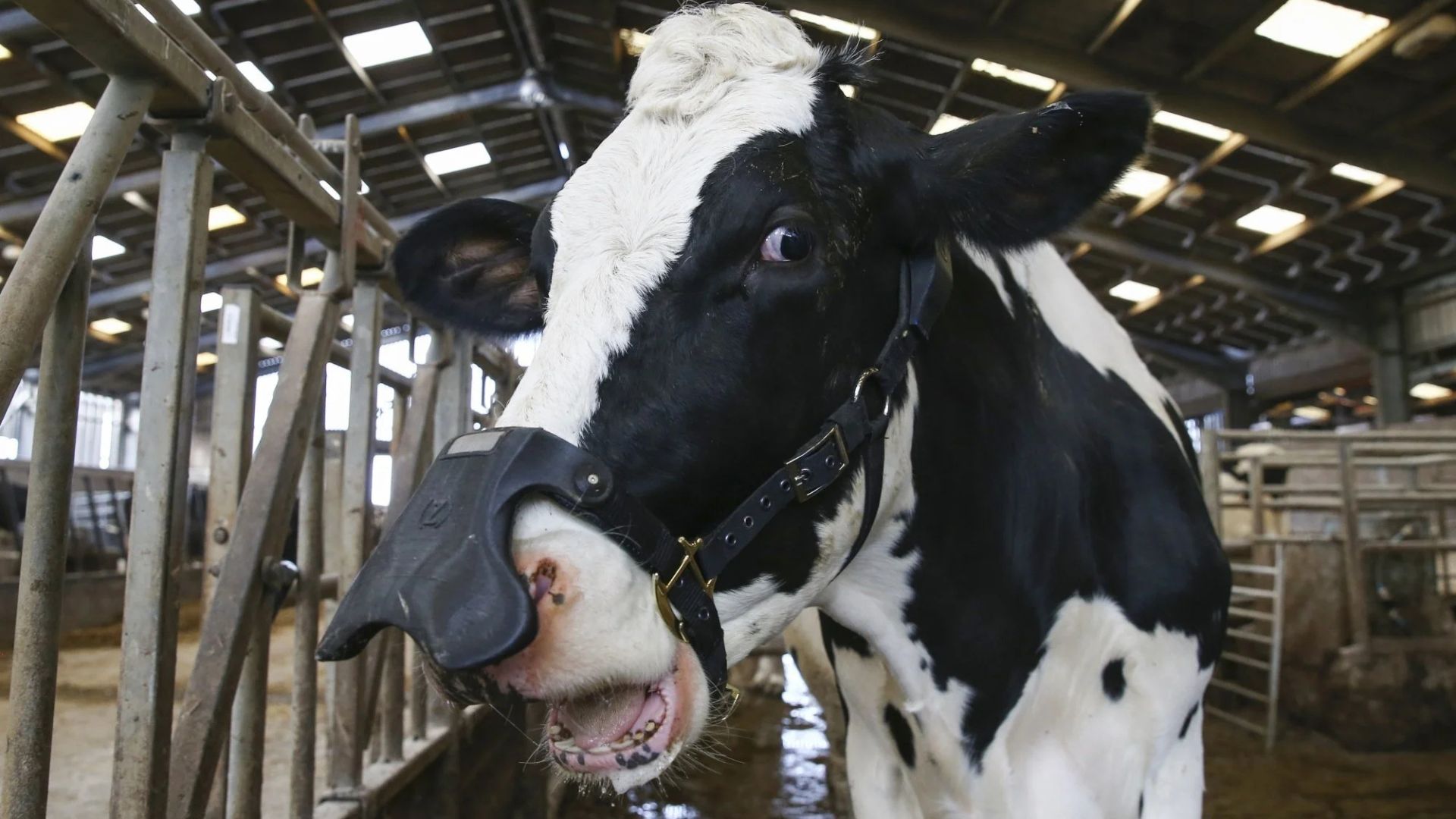
Wearable Device for Cattle Gained Attention When Tested on Farms, Associating Methane Capture, Sensors, and Partnerships with Multinationals in Agriculture in a Visually Simple Solution Applied Directly to the Animal.
A mask developed to be used on the snout of cattle has drawn attention in the livestock sector for uniting a simple appearance and a direct proposal: capturing part of the methane released in the animals’ breath and burps.
The device is associated with the company Zelp and was publicly presented as a system capable of directing the exhaled methane to a conversion module, where the gas is oxidized and released as carbon dioxide and water vapor, through a process similar to that of a catalytic converter.
Partnerships with Large Agricultural Companies
The technology gained visibility when partnerships and investments began to be announced around the project.
-
The eggshell that almost everyone throws away is made up of about 95% calcium carbonate and can help enrich the soil when crushed, slowly releasing nutrients and being reused in home gardens and vegetable patches.

-
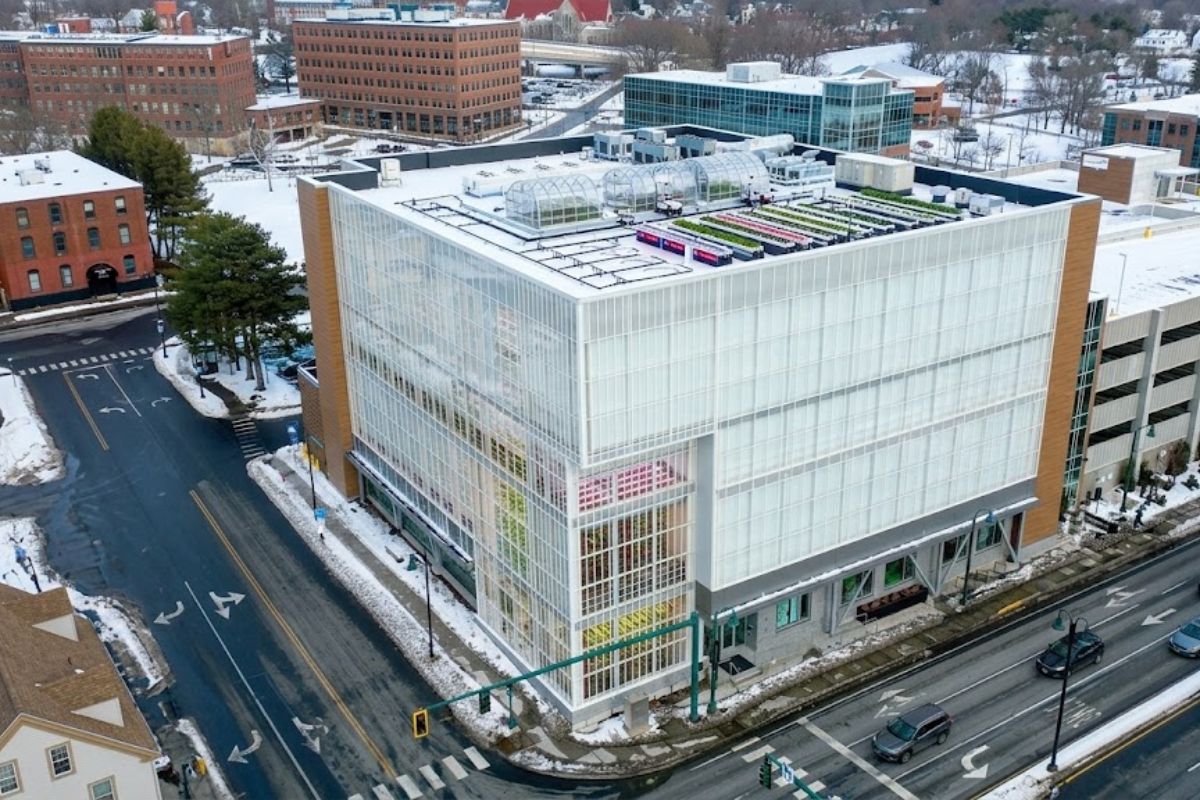
This farm in the United States does not use sunlight, does not use soil, and produces 500 times more food per square meter than traditional agriculture: the secret lies in 42,000 LEDs, hydroponics, and a system that recycles even the heat from the lamps.
-
The water that almost everyone throws away after cooking potatoes carries nutrients released during the preparation and can be reused to help in the development of plants when used correctly at the base of gardens and pots, at no additional cost and without changing the routine.

-
The sea water temperature rose from 28 to 34 degrees in Santa Catarina and killed up to 90% of the oysters: producers who planted over 1 million seeds lost practically everything and say that if it happens again, production is doomed to end.


Among the disclosed movements is the partnership with Cargill, an agricultural multinational, mentioned in industry reports as a supporter of the evaluation and development of the solution for use in dairy farming.
There are also public records of investment from Danone Ventures in initiatives aimed at reducing methane emissions in the milk chain, including solutions based on devices applied directly to the animals.
How the Mask Works on Cattle Snouts

According to the technical description provided by Zelp in its institutional materials, the mask is attached to a halter and positions the capture system near the nostrils and mouth, where most of the methane release associated with enteric fermentation occurs.
The equipment uses sensors to identify moments of higher emissions.
A ventilation system directs the exhaled air into the conversion module.
At this stage, the methane is oxidized, significantly reducing its climatic impact potential before being released into the environment.
Why the Focus Is on Cattle Breathing
The concept relies on a widely recognized fact in animal science: in ruminants, the largest portion of methane generated in the digestive process is released from the mouth, mainly through burping, rather than from the hindgut.
For this reason, the focus of the technology is on the animal’s breathing.
This differentiates the mask from strategies solely based on waste management or dietary changes.
Data Collection and Animal Monitoring
In addition to the methane capture function, the device has also been presented as a tool capable of collecting data related to the animal during use.
Public materials about the project indicate that the system can record useful information for management.
This integration of environmental and operational aspects has been highlighted as part of the interest of agribusiness companies in tracking the technology’s development.
Testing, Animal Welfare, and Scientific Observation

Tests using the mask have been reported by institutions and scientific communication outlets.
The Royal Veterinary College in the UK was mentioned in public materials as a partner in observing the behavior and health of the animals during the equipment’s use.
According to these disclosures, the monitoring did not indicate significant changes in the basic patterns of feeding, locomotion, or social interaction of the cattle during the evaluated periods.
Reports and statements from climate and sustainability agencies also recorded tests with dairy cows to observe animal welfare aspects associated with the use of the device.
These records describe assessments conducted in controlled farm environments, with monitoring of physiological and behavioral responses.
Mask and Other Strategies to Reduce Emissions in Livestock
The mask for methane capture has begun to be cited as one of the available approaches within a broader set of strategies adopted by livestock to reduce emissions.
Other solutions include nutritional adjustments, feed additives, genetic improvement, and changes in management.
The differentiation of the wearable on the snout lies in the fact that it acts directly on the gas at the moment it is released, without interfering with the functioning of the rumen or requiring changes in the animals’ diet.
Corporate Interest and Environmental Commitments
The interest of large agribusiness and food industry companies is often linked to the need to measure, report, and reduce emissions throughout the production chain.

In this context, technologies that allow for demonstrating concrete actions at the farm level gain space in sustainability programs and climate commitments.
The presence of corporate partnerships was mentioned in reports as an indication that the solution has been tested under real production conditions.
Global Curiosity and Innovation Applied to Management
The use of a visible accessory on the animal has also contributed to the repercussion of the topic outside technical circles.
The image of a “mask for cows” helped translate a complex problem related to greenhouse gas emissions in livestock into a visually comprehensible object for the general public.
At the same time, the proposal maintains a practical focus by concentrating on a specific point of the digestive process already well documented by science.
With tests conducted, partnerships announced, and corporate investment disclosed, the technology has begun to integrate the debate on innovation in farming, raising discussions on how solutions applied directly to the animal can fit into the routine of modern livestock.









-

-

-

-

-

30 pessoas reagiram a isso.