





 Portuguese
  English
  Spanish
  4 min of reading
  2 comments


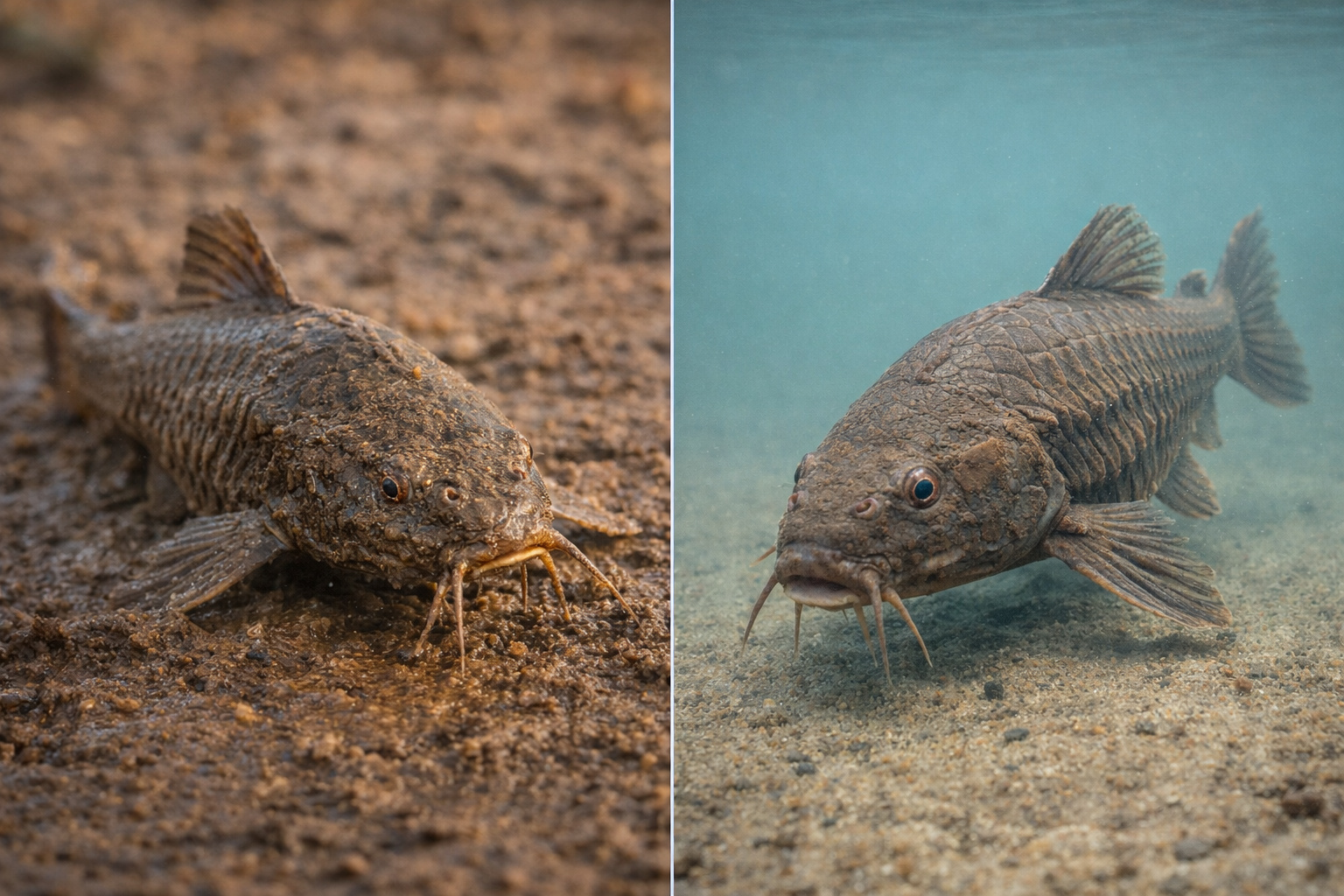


Brazilian Fish Surprises by Walking Out of Water, Breathing Through Intestines and Surviving in Mud Without Oxygen. Meet the Walking Catfish, One of the Most Extreme Adaptations in Nature.
In rivers, marshes, and flooded areas of Brazil, there is a fish that seems to defy everything we have learned about aquatic life. Not only does it survive in oxygen-poor waters, but it also walks out of water, swallows air to breathe, and even builds floating foam nests to protect its young. We are talking about the walking catfish, commonly known as tamoatá — a true symbol of extreme adaptation in South American nature.
A Fish That Ignores the Basic Rules of Biology
The tamoatá, the common name for Hoplosternum littorale, belongs to the catfish group and immediately attracts attention with its body covered in bony plates, which act as a true natural armor. This protection is not merely aesthetic: it allows the fish to crawl along the muddy bottom and even cross flooded areas with little water without suffering serious injuries.
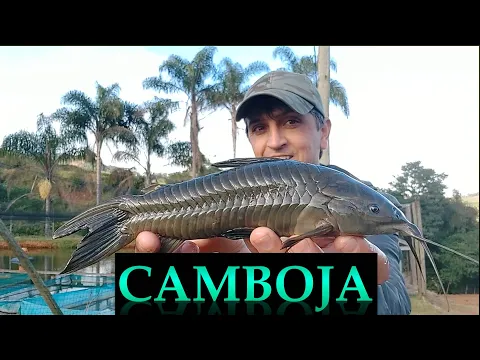

But what really makes the walking catfish extraordinary is its relationship with oxygen. In environments where other fish literally suffocate, the tamoatá remains active — and often dominates the space.
-
With a cost per shot close to zero, the DragonFire laser could change naval warfare in 2027 and provide British ships with nearly unlimited defense against drones.

-
A British startup creates tires that generate electricity in electric vehicles when passing over potholes, speed bumps, and cracks.

-
Scientists have created robots made with living cells that have their own nervous system, swim on their own, explore the environment, and self-organize without any genetic engineering, and now they want to do the same with human cells.

-
Students create a solar-powered ambulance that operates without a plug, without fuel, and still keeps medical equipment running in remote areas.


Breathing Through the Intestines: A Radical Adaptation
Unlike most fish, the tamoatá does not rely solely on gills. It has developed a complementary aerial breathing system, based on a highly vascularized intestine. Here’s how it works: the fish rises to the surface, swallows atmospheric air, and this oxygen is absorbed directly through the walls of the intestine.
This mechanism enables it to survive in stagnant ponds, marshes, streams, and floodplain areas with virtually no dissolved oxygen. During dry periods, when water disappears or turns into mud, the tamoatá simply does not die — it adapts.
It is precisely this ability that gave rise to the popular nickname “the fish that walks”.
Does It Really Walk Out of Water?
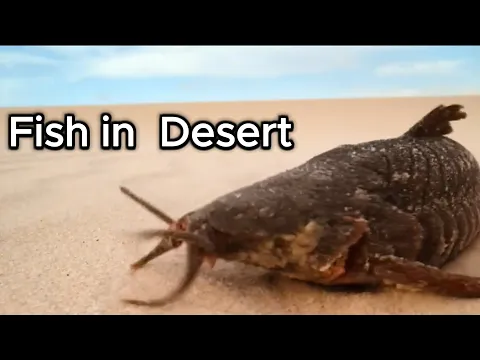
In a way, yes. The walking catfish can move across moist and flooded terrain using its body movement and the support of its pectoral fins. This does not mean long walks on dry land, but rather the ability to migrate between puddles, marshes, and flooded areas, which is crucial for its survival in unstable environments.
This characteristic explains why the tamoatá can colonize regions where other fish simply cannot reach.
A Reproduction Engineer: The Foam Nest
Another behavior that intrigues researchers is how the tamoatá reproduces. During the rainy season, the male constructs floating nests made of foam and plant fragments. These nests are secured to vegetation and function as a natural incubator.
Inside this structure, the eggs remain protected from predators and have better access to oxygen. The male actively guards the nest, increasing the chances of survival for the larvae. It is a sophisticated strategy, rare among Brazilian freshwater fish.
Where the Walking Catfish Lives in Brazil
The tamoatá is widely distributed throughout South America, with a strong presence in Brazil. It occurs in:
- Amazônia Basins
- Floodplain and wetland areas
- Ponds, marshes, and swampy areas
- Fluvial systems of the North, Northeast, and Central-West
Its preference for extreme environments makes it abundant in locations that are scarcely explored by other species.
Ecological and Food Importance
Although often underestimated, the walking catfish plays an important role in aquatic ecosystems. It acts as a natural recycler, feeding on organic detritus, small invertebrates, and debris at the bottom of rivers, helping to maintain environmental balance.
In some regions of Brazil, especially in the North, the tamoatá is also consumed in traditional diets, being part of artisanal fishing. Although it is not a commercially valued fish like large Amazonian species, it is fundamental for riverside communities.
A Silent Survivor of Evolution
The walking catfish is living proof that evolution does not follow simple paths. While many animals depend on ideal conditions to survive, the tamoatá thrives precisely in chaos: hot water, mud, little oxygen, and degraded environments.
It is not fast, not large, and not flashy — but it is extremely efficient. A fish that breathes through its intestines, walks out of water, and builds foam nests is not just curious: it is a powerful reminder of nature’s creativity.







Aqui no nordeste esse peixe se chama caboge
Eu conheço como cascudo