





 Portuguese
  English
  Spanish
  4 min of reading
  1 comment


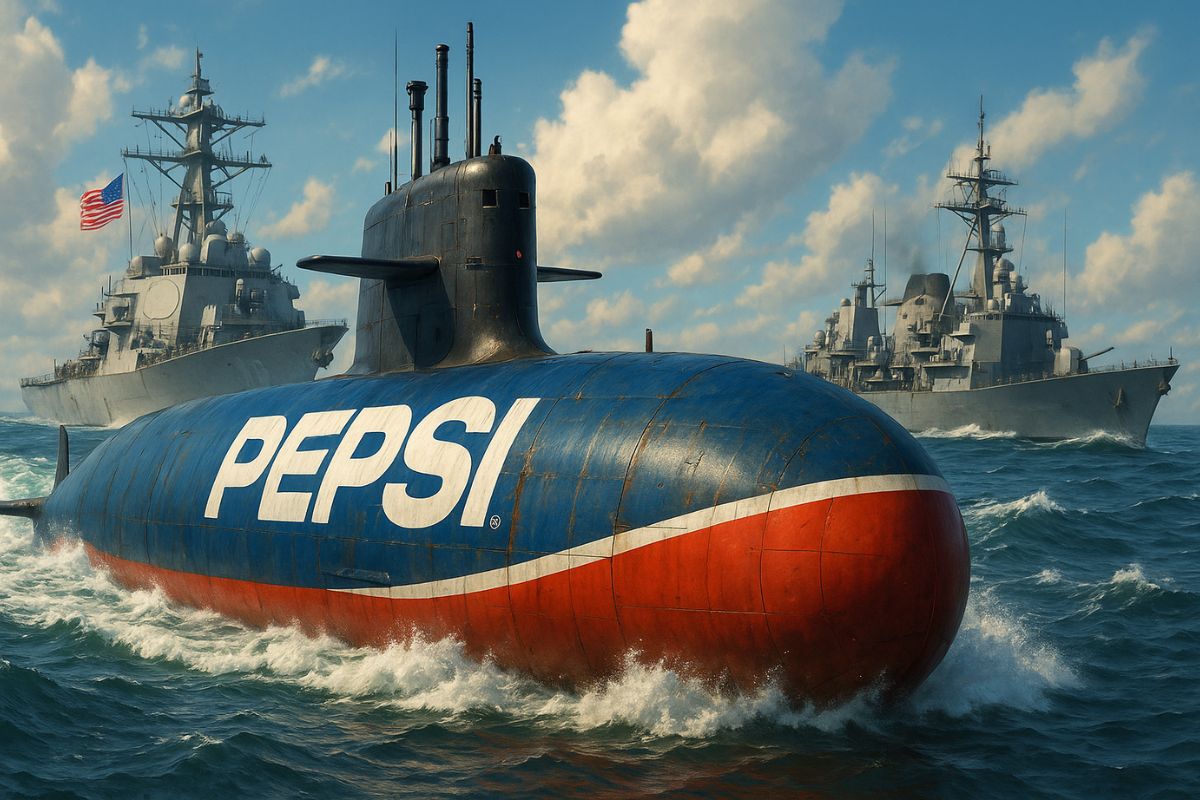


How The Brand Crafted, In The Heart Of The Cold War, An Exchange Agreement That Put It — Even If For A Short Time — On The List Of The “Sixth Largest Naval Fleet In The World,” Trading Tons Of Soda For Submarines, Warships, And Tankers, According To CNBC, And Redrawing The Commercial Dispute With The USSR
The story is real and documented by CNBC: in the late 1980s, Pepsi entered into an exchange agreement with the Soviet Union and, for a few months, became the owner of a fleet that would place it among the “sixth largest naval fleets in the world”. There were 17 submarines, three warships, and 10 tankers received in exchange for millions of liters of soda, in a deal valued at US$ 3 billion.
To understand why a beverage manufacturer ended up with a military fleet, we need to go back to 1959, when the US and USSR opened exhibitions to “sell” their models to the world. CNBC recalls that from then on, Pepsi insisted on gaining space in the Soviet market until sealing, in 1972, the first major capitalist consumption contract in the bloc. The non-convertible currency led to barter: first, with vodka; later, with ships and submarines.
How It Started: Marketing, Cultural Diplomacy, And The Seed Of Barter
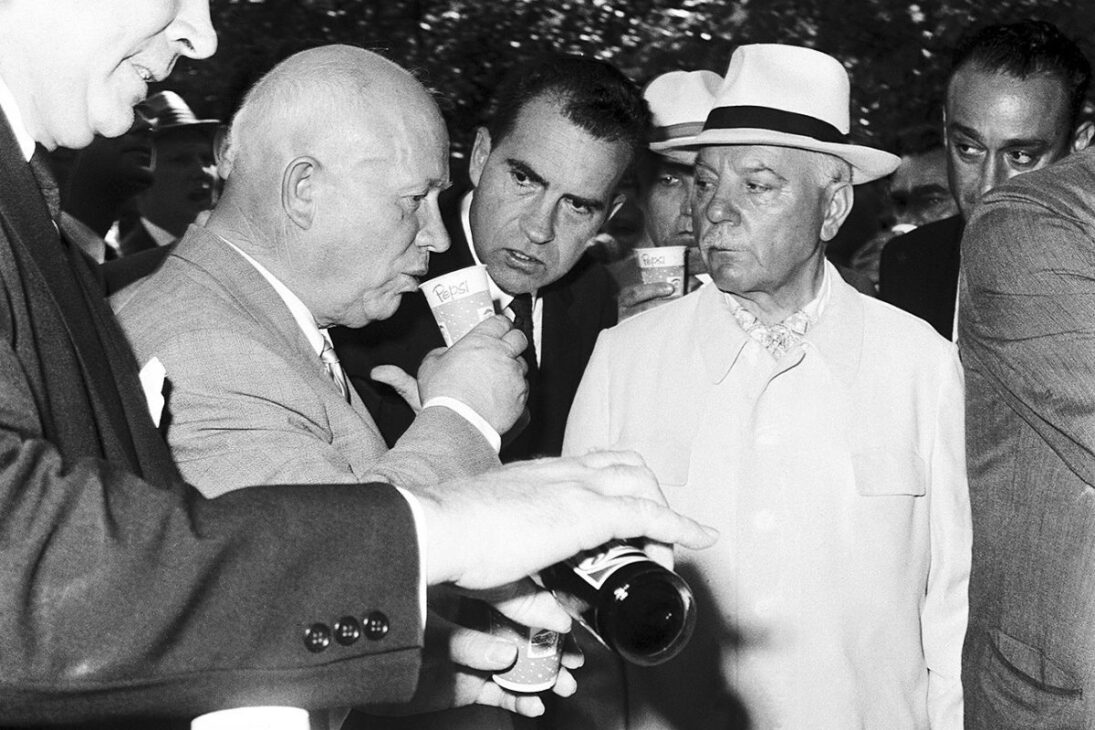
In 1959, the United States and the Soviet Union signed a cultural exchange agreement with exhibitions in New York and Moscow.
-
Giant Roman treasure found at the bottom of Lake Neuchâtel in Switzerland reveals an advanced trade system, circulation of goods, and armed escort in the Roman Empire about two thousand years ago.
-
He buried 1,200 old tires in the walls to build his own self-sufficient house in the mountains with glass bottles, rainwater, and an integrated greenhouse.
-
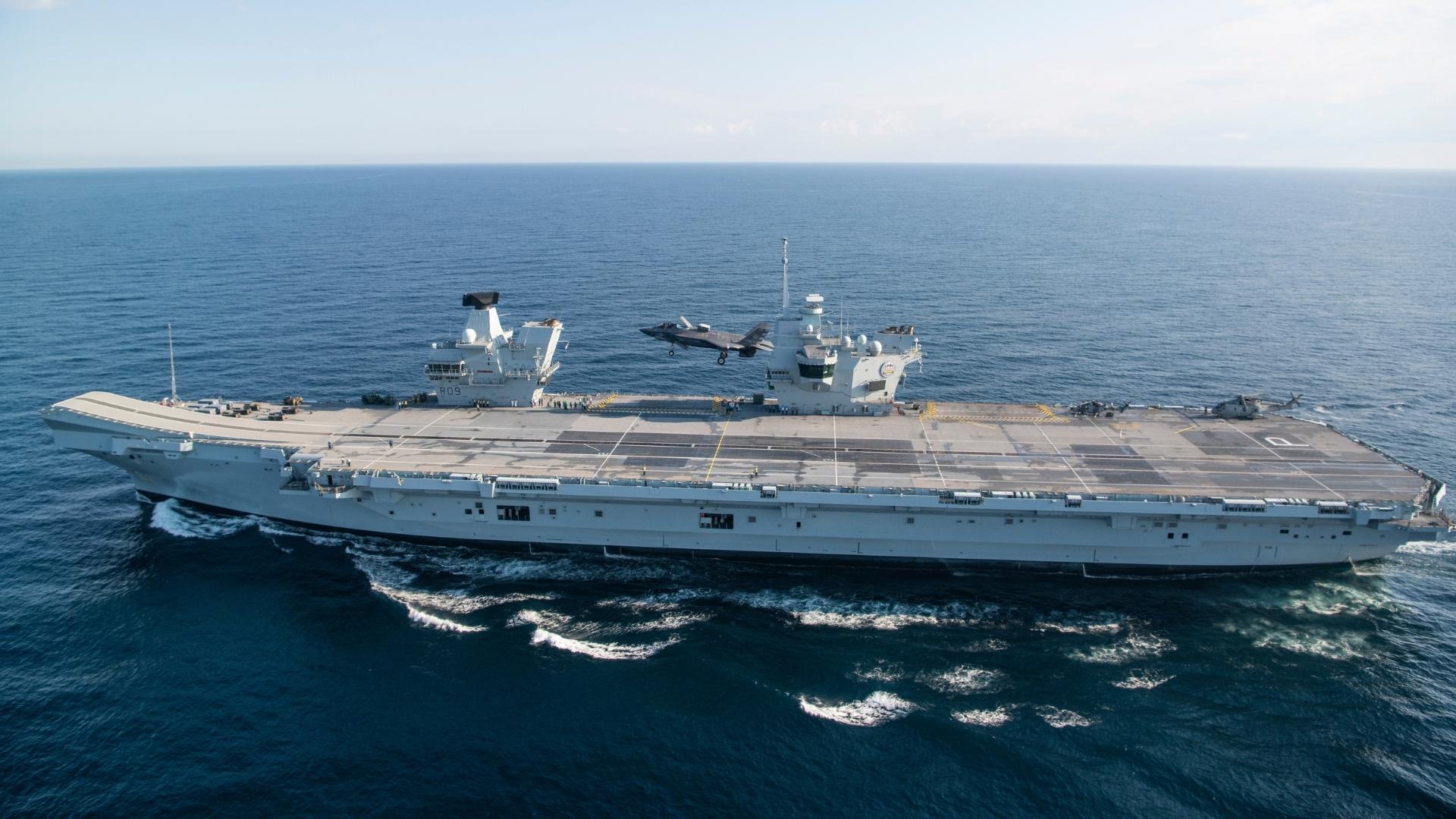
The aircraft carrier HMS Prince of Wales is heading to the Arctic with F-35 fighters, helicopters, and warships in an operation that repositions the United Kingdom at the forefront of NATO in 2026.
-
He found the largest gold shipwreck in the United States with tons of the precious metal at a depth of 2,400 meters in the Atlantic and recovered a treasure that no one thought possible to reach, but 500 gold coins disappeared without explanation.

The iconic scene of Vice President Richard Nixon debating with Nikita Khrushchev went around the world, as did the gesture of then-executive Donald Kendall offering a cup of Pepsi to the Soviet leader.
CNBC points to this episode as the trigger for a decades-long strategy.
The commercial offensive bore fruit in 1972: Pepsi became the first capitalist company with a distribution contract in the USSR, a move targeting a market of about 240 million consumers.
As the ruble was not convertible, the solution was barter: soft drink for vodka, with the American company distributing the Soviet beverage in the US, reports CNBC.
Lightning Expansion: Factories, Unique Advertisement, And A Billion Bottles
With popular acceptance, the first Soviet plant was ready two years later and the network grew to 10 factories in a short time.
In the 1980s, demand exploded, and CNBC reports that Pepsi aired the first capitalist commercial on the country’s state television.
By the end of the decade, Soviets consumed about 1 billion bottles per year, and production units increased from 16 to 20.
This growth consolidated the brand, but pressured the balance of barter. Vodka no longer covered the volume of soft drinks required by the new contract.
At the same time, sanctions and embargoes linked to geopolitics — such as the war in Afghanistan — narrowed compensation alternatives, points out CNBC.
The Uncommon Agreement: Why Pepsi Received Submarines And Warships
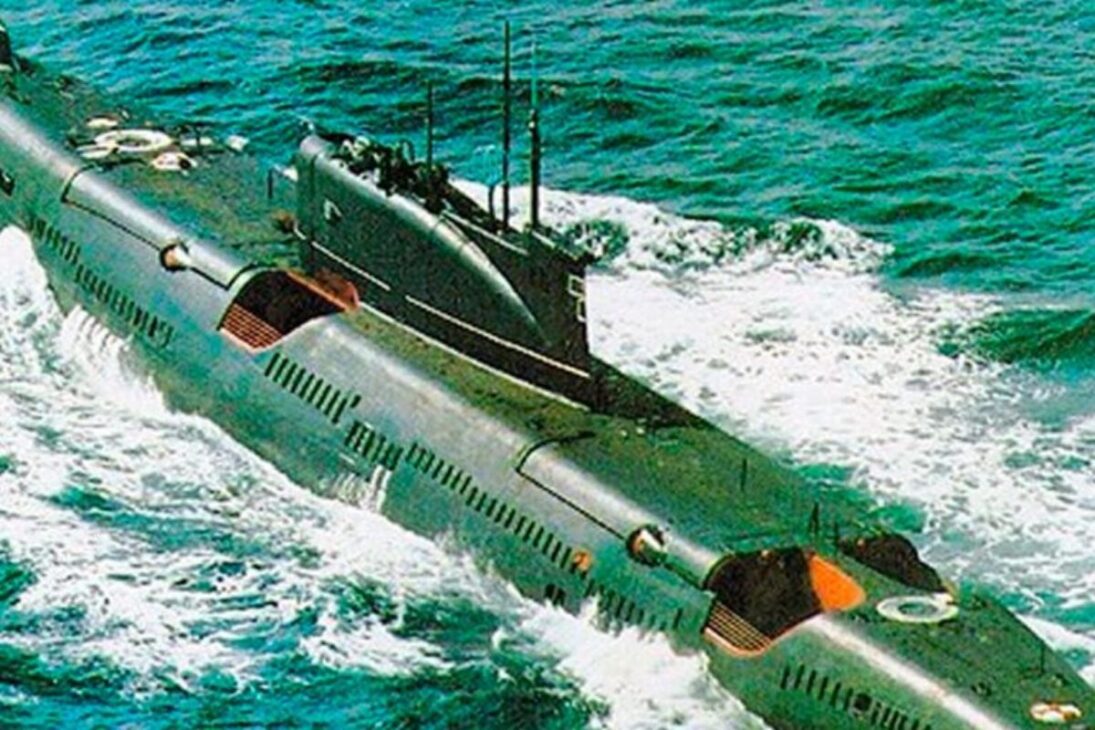
Without dollars and with the ruble outside the international circuit, Moscow proposed an unlikely currency of exchange: underutilized naval assets.
According to CNBC, the list included 17 submarines, three warships, and 10 tankers, totaling US$ 3 billion.
On paper, this positioned the company among the owners of the “sixth largest naval fleet in the world”, a record as symbolic as it was ephemeral.
Pepsi did not become a military power: it resold the fleet to a European maritime recycling company, reports CNBC, converting steel into cash and fulfilling beverage supply.
Donald Kendall joked that the company was “disarming the USSR faster than the US government itself”, a phrase recalled by CNBC as a summary of the logical absurdity of that barter.
Consequences And Outcome: Pizza In Moscow, Soviet Collapse, And Return To The “Normal” Game
As part of the package, Pepsi committed to investing in the opening of two Pizza Hut units in Moscow, a symbol of Western consumption in the midst of transition, according to CNBC.
But political time ran faster than commercial time: the USSR collapsed in December 1991, and contracts were adjusted to the new economic environment, with market rules and convertible currencies.
The brand continued on solid ground, competing in the enormous beverage market with Coca-Cola, while the episode of the “sixth largest naval fleet in the world” became part of corporate history as a case of commercial creativity in a context of currency restrictions — and as one of the most unlikely chapters of the Cold War, underscores CNBC.
What This Story Teaches: Negotiation In Restricted Environments And Brand Reputation

Beyond curiosity, the case shows how companies use unconventional instruments when payment chains are blocked.
Exchanging goods for assets — including military ones, as long as they are decommissioned and legally transferable — was a shortcut to capture suppressed demand, describes CNBC.
It is also a lesson in branding: a cup offered in 1959 turned into decades of cultural and commercial presence.
On the other hand, the risk of embargoes and geopolitical volatility indicates that “creative” agreements carry hidden costs: logistics of asset disposal, reputational exposure, and regulatory uncertainty.
Without the Soviet collapse, perhaps the story would be different; with it, the barter served its role as a bridge to normalization.
If you were the decision-maker, would you have accepted payment in submarines and ships to close the largest deal of the time? The “sixth largest naval fleet in the world” in the hands of a private company was brilliance or unnecessary risk? Tell how you would evaluate such a barter today (weak currencies, sanctions, alternative assets) and whether the market gain would justify the boldness — we want to hear from those who deal with real negotiation every day.






Imagino Elon Musk fazendo um escambo desses… Um escambau que iria para “empresa de reciclagem” 🤣🤣🤣