





 Portuguese
  English
  Spanish
  5 min of reading
  48 comments


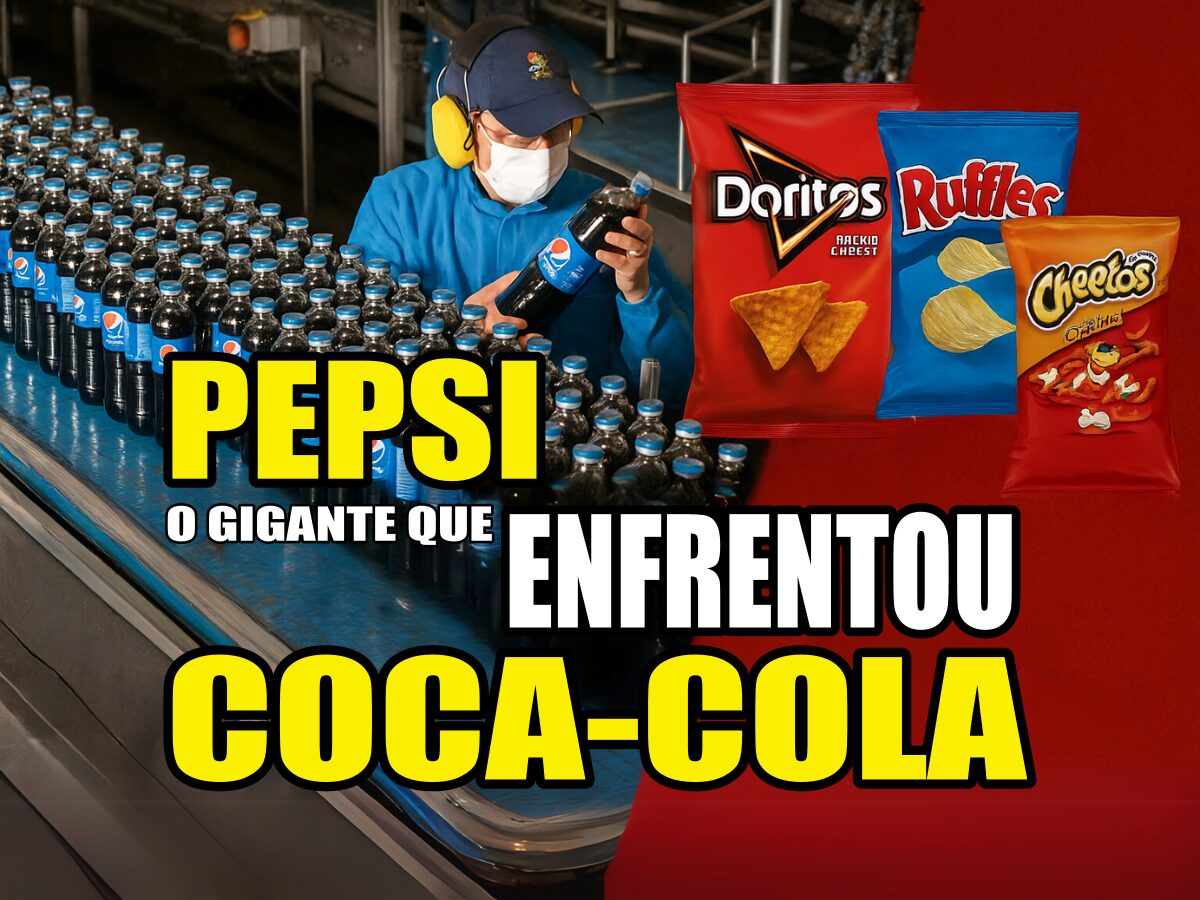

Pepsi The Giant Consumed In More Than 200 Countries, That Became Pepsico, One Of The Largest Food And Beverage Conglomerates In The World. In Brazil, Distribution Is Done By Ambev, Next To Icons Like Guaraná Antarctica And Sukita
Although often seen as the “second choice,” Pepsi has built a remarkable trajectory in the universe of non-alcoholic beverages, directly rivaling the giant Coca-Cola. With modest origins and filled with financial setbacks, the brand starred in one of the greatest cases of reinvention and growth in the global food industry.
From the counter of a pharmacy to conquering the Soviet market, this is the story of Pepsi, the brand that dared to challenge the dominance of Coca-Cola.
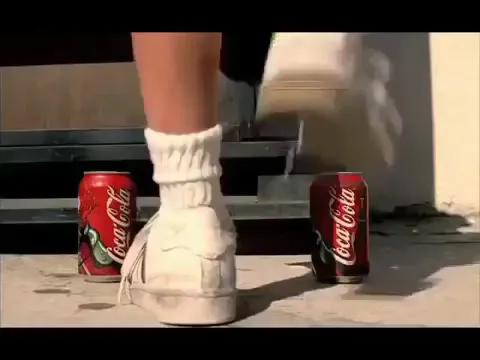

The Medicinal Creation Of A Legendary Soft Drink
The birth of Pepsi dates back to August 28, 1893, when pharmacist Caleb Bradham, in the city of New Bern, North Carolina (USA), developed a formula that aimed to be both energizing, refreshing, and aid in digestion. The drink, initially sold only in his pharmacy, was known as Brad’s Drink.
-
China is building a city in Brazil: a complex with an investment of R$ 5.5 billion comes to light, but allegations involving workers draw attention.
-
While Argentina buys old war equipment, Brazil is keeping an eye open and joins the select group of nations with advanced military technology by investing $5.2 billion, producing 36 Gripen fighters in the country, and reducing operational costs.

-
Brazil on alert? Why invading Brazil is a NIGHTMARE for the USA: 8.5 million km², 213 million inhabitants, Amazon covering 60% of the territory, trillion-dollar war, and resistance that even 13,000 aircraft could not control.
-
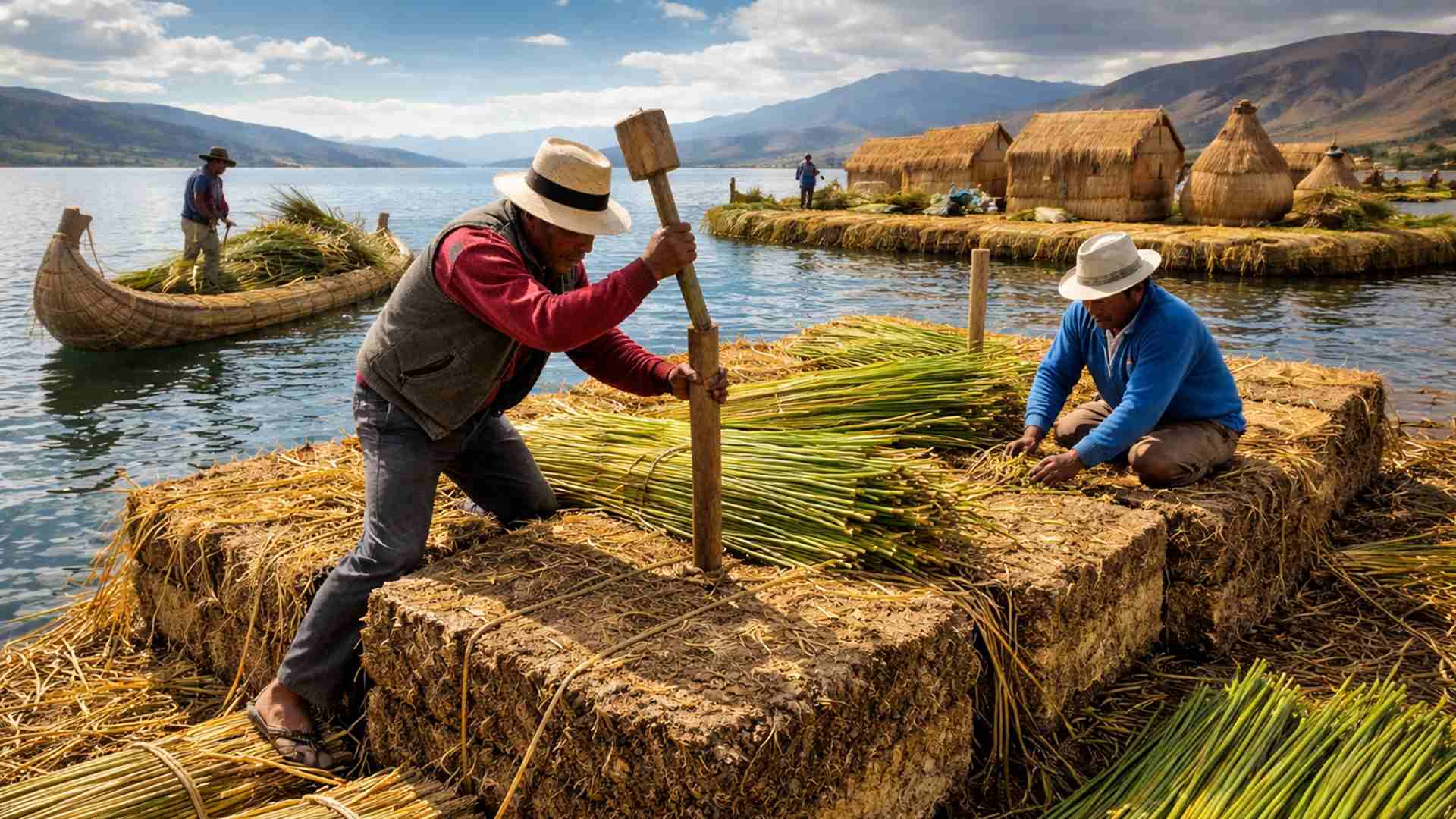
How to build a floating island from scratch with reeds, giant blocks, and stakes in the lake in a process that needs to be repeated almost every day.

Inspired by John Pemberton, creator of Coca-Cola in 1886, Bradham also used cola nut and a mix of herbs in the composition. In 1898, the drink was renamed Pepsi-Cola, a name inspired by the word “dyspepsia” (digestive issues). Although it was believed that the formula contained the enzyme pepsin, this information was incorrect.
Accelerated Growth And The First Bankruptcy Of The Pepsi-Cola Company
With growing popularity, Bradham founded the Pepsi-Cola Company in 1902. Within a few years, the soda spread across the United States, supported by modern logistics for the time and more than 40 distributors. But success was interrupted by a hasty decision: fearing a rise in sugar prices after World War I, Bradham purchased gigantic stocks of the raw material. The price plummeted, and the debt sank the company, which declared bankruptcy in 1923.
A Brand Rejected By Coca-Cola And The Second Bankruptcy
After bankruptcy, Pepsi was sold for only US$ 30,000 to a holding company and began circulating again through other entrepreneurs. One of them was Roy C. Megargel, who could not sustain it in the face of the 1929 crisis.
In 1931, Pepsi faced its second bankruptcy. Interestingly, between 1922 and 1931, the brand was offered three times to Coca-Cola, which rejected them all.
Charles Guth The Visionary Who Decided To Invest In Pepsi After Breaking With Coca-Cola
The definitive turnaround began with Charles Guth, president of Loft Candy Company, who decided to invest in Pepsi after breaking with Coca-Cola. Guth increased the sugar content, making the flavor sweeter, and launched an audacious strategy: selling 355 ml bottles for the same price as 177 ml bottles.
The idea was to serve the population impoverished by the Great Depression, offering more product for the same value. The response was immediate: Pepsi became the favorite of the working class.
A Drinks Giant Pioneered Investing In Ads Targeting The Afro-American Community, Ignored By The Big Brands Of The Time
In the 1930s and 1940s, Pepsi invested in bold and massive advertising. Actress Joan Crawford, then the wife of the company’s president, starred in commercials that also appeared in her films. Furthermore, the brand was a pioneer in investing in ads targeting the Afro-American community, ignored by the big brands of the time. By showcasing Black people in everyday situations of respect and protagonism, Pepsi won a loyal audience.
Pepsi Challenges The Dominance Of Coca-Cola
By the 1950s, Pepsi, now Pepsico, was already among the top five soft drink brands in the USA. The company continued innovating, launching new packaging, flavors, and even diet versions. In 1964, it created the first 2-liter PET bottled soda. The merger with Frito-Lay, a leading snack company, formed the conglomerate PepsiCo, one of the largest food groups in the world.
Today, the company also owns brands like Gatorade, Lipton, Quaker, and 7Up, as well as the Brazilian Elma Chips.
Pepsi Became The First American Brand To Be Regularly Marketed In The Soviet Union
In 1959, during a diplomatic meeting in Moscow, the then Soviet leader Nikita Khrushchev tried a freshly made Pepsi with American syrup. Delighted with the drink, he declared it was better than the version produced in the USA. Thus, Pepsi became the first American brand to be regularly marketed in the Soviet Union.
The transactions included bartering for vodka and even military equipment, as the ruble had no international value. According to journalist Tom Standage, author of A History Of The World In 6 Glasses, Pepsi even managed to control the sixth largest military inventory on the planet — later sold as scrap.
The diplomatic relationship between Pepsi and Russia was so strong that, in 2004, Donald Kendall, responsible for the brand’s entry into the country, was awarded by Vladimir Putin with the Order Of Friendship.
Pepsi Invades Brazil: From The Partnership With Brahma To Ambev
Pepsi arrived in Brazil in 1950, with imports made by a distributor from Rio Grande do Sul. Two years later, the first licensed factory was built in Porto Alegre. However, the brand’s penetration was slow. Only in the 1980s, with the partnership with Brahma, did the brand expand into major urban centers.
In 1994, the rights were transferred to Argentine Baesa, which went bankrupt three years later. The Brahma resumed control and, after the merger with Antarctica in 1999, Ambev began distributing the Pepsi line in the country. Since then, the American giant shares space with brands like Guaraná Antarctica, Sukita, and Soda Limonada.
The Cola War: The Pepsi Challenge And The Cultural Impact
In the 1980s, Pepsi launched its most daring campaign: the Pepsi Challenge. In blind tests conducted with more than 200,000 people, 57% of the participants preferred the taste of Pepsi. This caused a shock in Coca-Cola sales, which reacted by launching the controversial “New Coke” — considered one of the worst marketing decisions in history.
With the support of celebrities like Michael Jackson, Pepsi consolidated the Pepsi Generation movement, getting closer to the young and urban audience. Since then, the brand has heavily invested in sports and pop culture, sponsoring events like the NFL and the UEFA Champions League.
A Global Passion That Remains Alive
Today, Pepsi is consumed in more than 200 countries, and even though it has not surpassed Coca-Cola in global market share, it remains as one of the most beloved brands on the planet. The story of Pepsi is marked by boldness, resilience, and reinvention — and it continues to be written.
According to Ramon Laguarta, current CEO of PepsiCo, “constant innovation, coupled with respect for cultural and social diversity, is what keeps the brand relevant in the 21st century” (check out the recent interview here).
Now we want to know your opinion: are you part of the team that prefers Pepsi or the loyal legion to Coca-Cola? Leave your comment below and share this article with that friend who loves a good soda.







Trabalhei na empresa, e a política dela é muito forte e hoje sei de onde vem! Trabalhar na PepsiCo foi um divisor de aguada para mim, lá somos tratados com respeito e prezam nossa integridade e auto suficiência! Bons salários e excelentes benefícios!
Orgulho de ter feito parte desse grande grupo!
Eu prefiro Pepsi!
Pode parecer loucura mas conheci a Pepsi aos 14 anos em 1988 na época da propaganda do ximpanzé sou conhecido por não beber coca cola desde então mas bebi em 2018 mas não gostei e continuo com a Pepsi que é boa demais