





 Portuguese
  English
  Spanish
  3 min of reading
  2 comments





Severe Losses, Growing Debts, and Bankruptcy Risk Push Arkansas Farmers to Beg for Immediate Help from the Trump Administration to Save Their Properties and Prevent Collapse in the American Farm
On September 2, hundreds of farmers gathered in Brookland, northeastern Arkansas, to urgently ask for help from the federal government.
The tone of the meeting was one of despair. Producers reported severe losses, increasing financial difficulties, and an imminent risk of bankruptcy.
Many stated that without immediate assistance, they will not be able to sustain their properties until the next harvest.
-
The water that almost everyone throws away after cooking potatoes carries nutrients released during the preparation and can be reused to help in the development of plants when used correctly at the base of gardens and pots, at no additional cost and without changing the routine.

-
The sea water temperature rose from 28 to 34 degrees in Santa Catarina and killed up to 90% of the oysters: producers who planted over 1 million seeds lost practically everything and say that if it happens again, production is doomed to end.

-
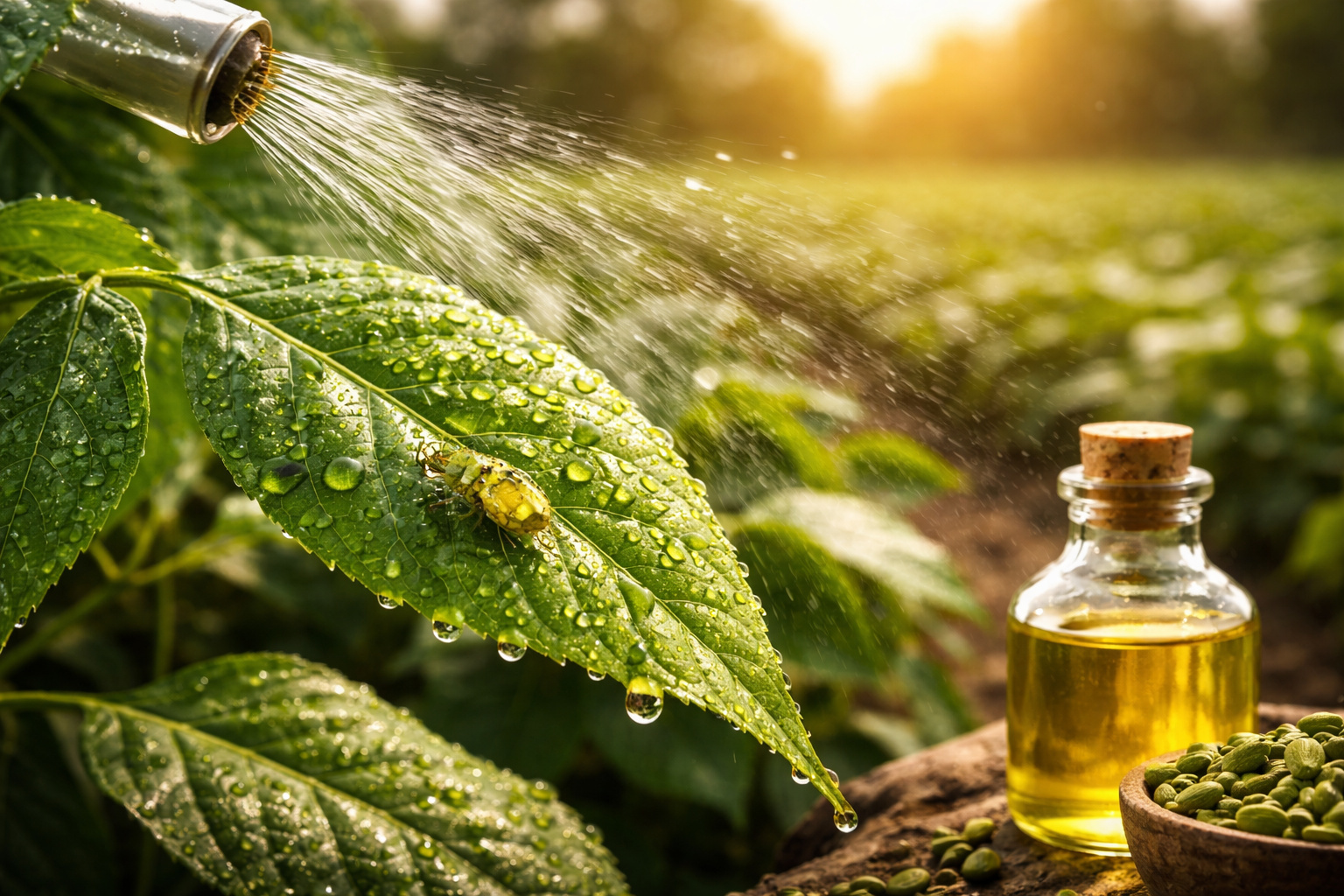
An Indian tree that grows in the Brazilian Northeast produces an oil capable of acting against more than 200 species of pests and interrupting the insect cycle, gaining ground as a natural alternative in soybean, cotton, and vegetable crops.
-
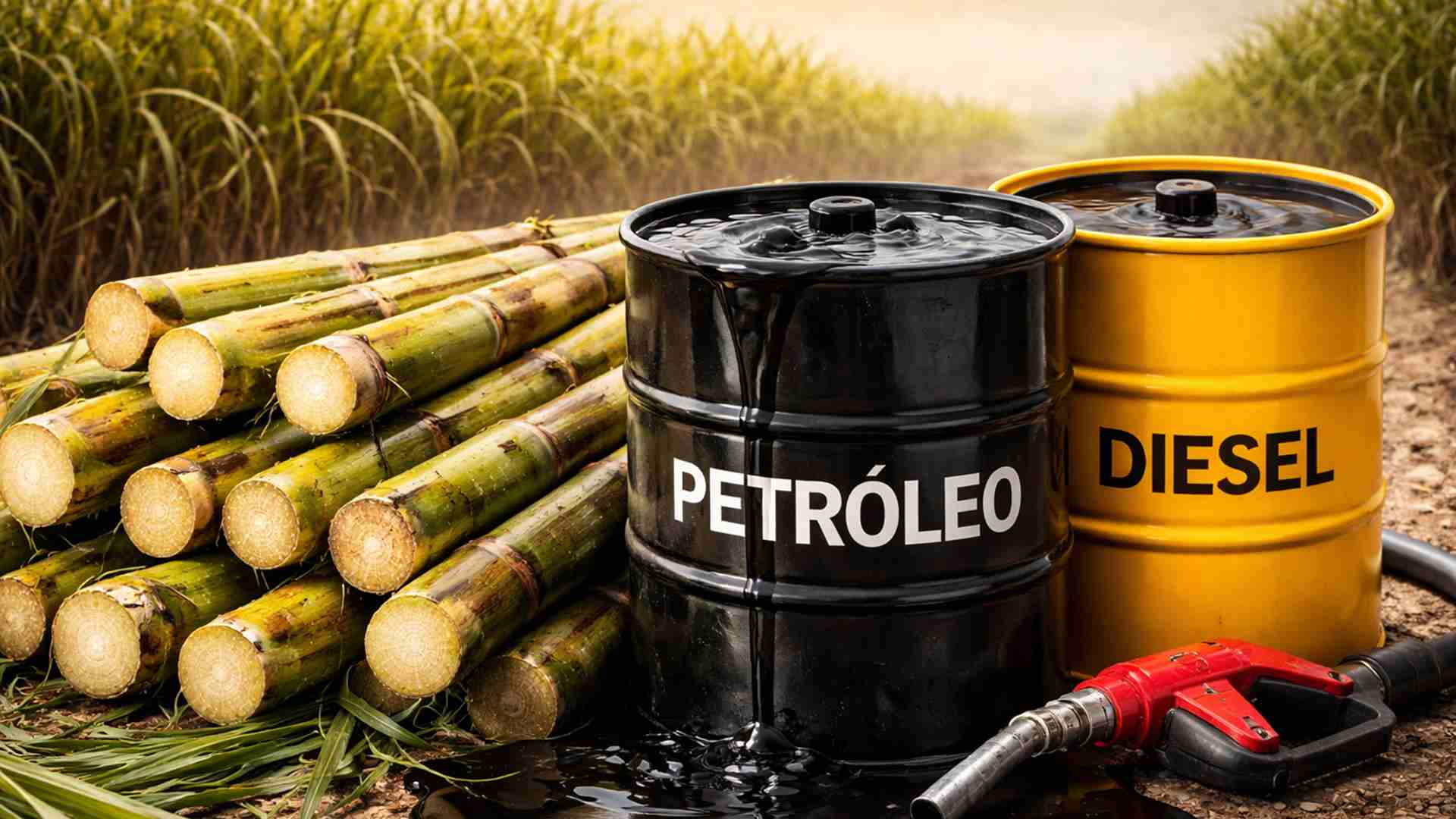
The rise in oil prices in the Middle East is already affecting Brazilian sugar: mills in the Central-South are seeing their margins shrink just as ethanol gains strength.

“If there is no emergency funding this year, one in three farmers will file for bankruptcy,” said Chris King, a farmer from Woodruff County.
Crisis in Prices and Production Costs
The basis of the crisis lies in the combination of two factors: production costs have skyrocketed and agricultural commodity prices have fallen to their lowest levels since 2020.
Products such as soybeans, corn, and wheat have lost value, but the situation is even more severe for rice, a predominant crop in Arkansas.
The price per sack has dropped by about 40% in a year, making it impossible to cover expenses for fertilizers, fuels, seeds, and equipment.
One farmer present at the meeting summarized: “It is impossible to pay the bills when everything goes up and the price of our product collapses.”
Impact of Natural Disasters
In addition to economic pressure, farmers are facing the effects of historic flooding that devastated the state in 2025. More than 260,000 acres of crops were destroyed.
It is estimated that the damages exceed 78 million dollars, in addition to dozens of lives lost during the climate disaster.
The combination of low prices, high costs, and losses in the field has turned the crisis into a threat to the survival of farming families.
Insufficient Federal Programs
At the meeting, the size of the emergency aid package announced in Washington was heavily criticized.
The Emergency Commodity Assistance Program (ECAP), initially estimated at 20 billion dollars, was cut in half. The direct payments projected are not enough to cover immediate losses.
Another point of frustration is the so-called “One Big Beautiful Bill”, a subsidy program whose payment schedule is set only for November 2026. For many producers, this assistance will come too late.
Experts warn that without transitional funding — known as “bridge funding” — one in three Arkansas farmers might be pushed into bankruptcy.
Human and Social Effects
The impact of the crisis is not just financial. Farmers reported episodes of mental health issues among farmers. One consultant stated that in just over a year, five of his clients took their own lives.
There have also been poignant stories, such as that of a sixth-generation producer who decided to end his activities. His son, he said, will not be the seventh generation to farm the family land.
These accounts underscore the social gravity of the agricultural crisis and the need for swift measures.
Political Reaction
Gene Higginbotham, district director for Congressman Rick Crawford, promised to take the farmers’ demands to President Trump. According to him, the commitment is to “do everything possible to ensure you receive help.”
Despite the promise, many farmers left the meeting skeptical. The prevailing sentiment was that time is against them and each month without assistance increases the risk of mass bankruptcy.
The meeting in Brookland revealed a crisis that goes beyond the numbers of the rural economy. It is a social emergency, marked by indebtedness, imminent bankruptcies, and human suffering.
As the federal government debates budgets and long-term programs, Arkansas farmers are asking for just one thing: immediate help to keep from abandoning their lands.









E agora o que fazer os seguidores do cagão vermelho é muito simples, é só **** nas mãos e botr fora kkkkkkkkk
Mais um exemplo de quem acha que a terra é plana kkk