





 Portuguese
  English
  Spanish
  7 min of reading
  0 comments



Four Strategic Questions Every Boss, Manager, or Entrepreneur Should Ask to Make Clearer, Ethical and More Effective Decisions in Times of Constant Crisis and Rapid Change.
Businesspeople, managers, coordinators, supervisors, and other decision-making professionals face a new type of scenario. Instead of dealing with occasional crises, as was common in the past, many today operate in a reality of constant crisis.
There are geopolitical changes, climate shocks, rapid technological advances — all at once. Every month, a new challenge. Every week, an uncertainty.
In this scenario, decisions based on old formulas lose validity.
-
Mothers and daughters come together, create an ‘express’ beauty salon and turn the idea into a network with 21 units, revenue of R$ 16.7 million and 12,000 subscribers.

-
End of the 6×1 schedule: how the reduction of hours can affect service companies, industry, and agribusiness.

-
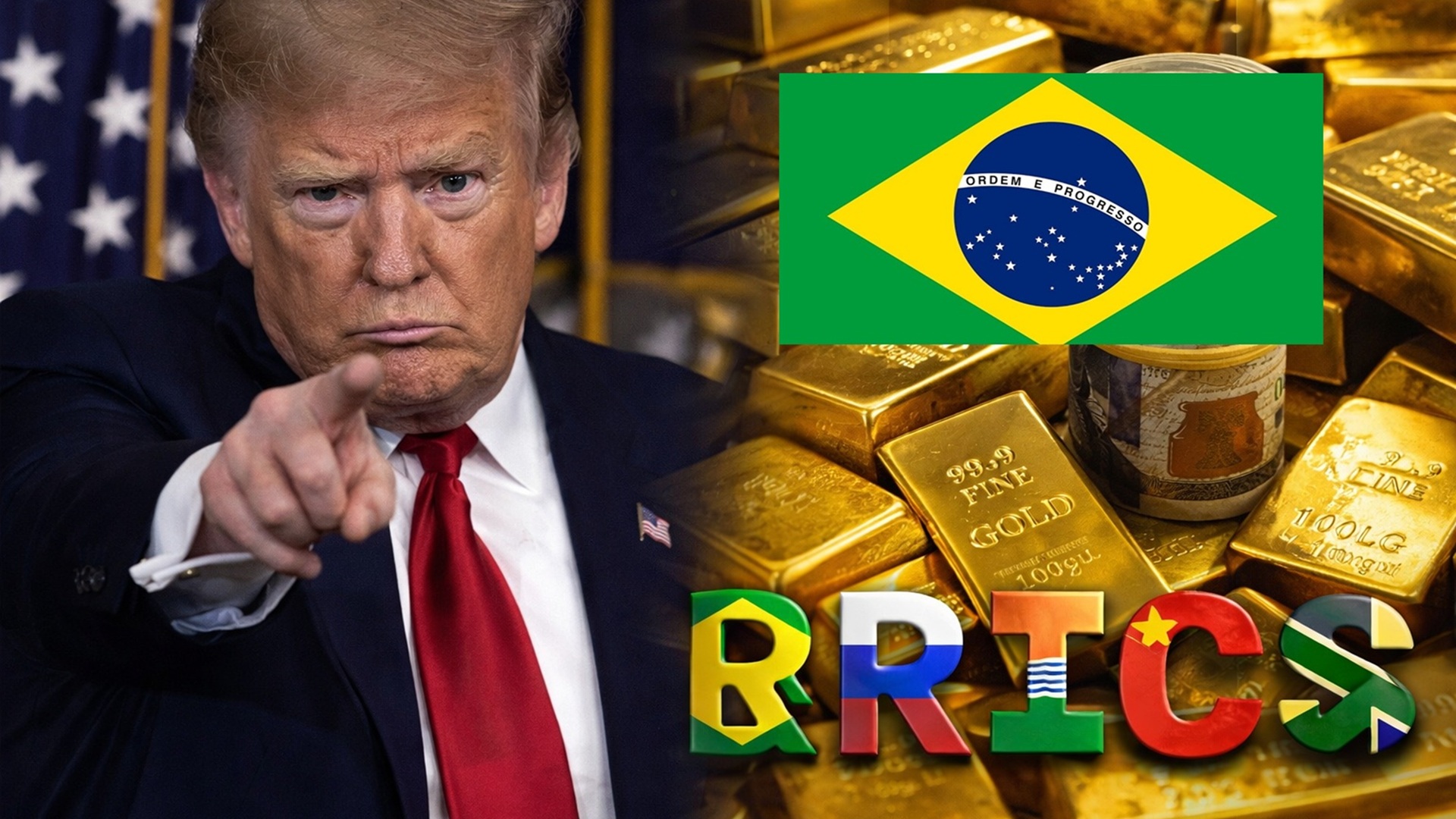
Brazil Ignores Trump’s threats to BRICS, Buys 42 tons of gold and reduces the Dollar’s share by 6.45% in international reserves.
-
Havan buys historic football land in Blumenau for a million-dollar amount protected by a confidentiality clause and is already planning to change even the layout of streets to build a megastore in half-timbered style costing 80 million reais.


What worked before may fail now. And that’s precisely why asking good questions before acting has become one of the main leadership tools.
This article presents fundamental questions that every boss, manager, entrepreneur, or decision-making professional should ask in times of uncertainty.
They don’t offer magical answers, but they help clarify thinking, see hidden risks, and act with more confidence even amid instability.
Old Methods Are No Longer Enough
For a long time, leaders and managers were trained to reduce ambiguity. Focus on return on investment. Establish timelines. Plan based on history.
These questions work well in predictable environments.
But when everything is changing all the time, they begin to limit vision. They get stuck in what has already been done. And they don’t allow seeing the new.
Moreover, in times of crisis, the instinct is to seek safety.
As a result, many leaders end up trying to repeat old formulas. But this can create the false sense of control — and with it, the risk of making poor decisions.
Therefore, the first step is to change the way of thinking. Instead of quick answers, the focus should be on asking strategic questions that open pathways.
Will This Decision Still Make Sense in a Year?
Company chiefs and managers are pressured for quick results.
In tough times, this intensifies. Cost cuts, changes in processes, project cancellations. But will these measures stand the test of time?
This question forces the leader to think beyond the current quarter.
And helps maintain focus on lasting choices that align with the business’s values and the company’s real goals.
Imagine a practical scenario with an executive at a global consumer brand.
After a quarter with poor results, her team suggested cutting sustainability initiatives.
It was a simple measure, with guaranteed savings and minimal operational impact.
But upon asking, “Will this decision still make sense in a year?“, the manager realizes something bigger.
Sustainability was a central part of the brand’s image. Especially for younger consumers who valued environmental and social actions.
Cutting this program could generate immediate savings — but it would damage the company’s reputation in the long run.
Thus, she decides to maintain the more visible and important projects. She restructured the others. And communicated the decision transparently to the employees.
This shows that the company remains committed to the future, even while facing limitations in the present.
This simple question helps avoid a reactive decision, reinforcing the company’s strategic positioning.
If This Decision Is Remembered in a Year, What Will It Say About Us?
Leadership is also about setting an example. It’s not enough to decide — it’s necessary to show what is valued, how to act, and what ethical standards guide the business.
This is why this question is powerful. Rather than just focusing on the result, it leads the leader to reflect on the legacy of the choice.
How will the team view this decision in the future? What about customers? And the market?
Raj, a vice president at a technology company, faced this dilemma. He was leading the launch of an innovative but risky product.
A team member raised concerns about user data protection. It wasn’t illegal — but there was a gray area.
Launching on time would please investors. Delaying it, not so much.
That’s when Raj asked himself: “If this decision is remembered in a year, what will it say about us as a company and leadership team?“
The answer came quickly: that they prioritize ethics and security.
He chose to delay the launch by two weeks. Adjusted the system. And openly communicated the reasons.
The company missed the deadline. But gained respect. Internally and externally. A year later, this decision is still remembered as an example of responsible leadership.
And If This Is Not a Bad Phase, But the New Normal?
Chiefs and entrepreneurs often view crises as temporary. A “storm” to be weathered. But what if it’s not? What if the current scenario — unstable and challenging — is permanent?
This question shifts the focus from survival to adaptation. It challenges the instinct to wait for things to “return to normal“. And it encourages planning based on the current reality, no matter how difficult that may be.
Darryl, an operations director at a consumer goods company, experienced this shock. An important supplier began to fail. Delays. Quality issues. Even so, he insisted on keeping the partner, hoping things would improve.
During a meeting, a colleague asked him: “What if this isn’t a storm, but the climate?“
The question flipped the switch. Darryl realized the supplier could no longer handle the company’s expansion. The problem wasn’t temporary. It was structural.
He then created a plan to include a new supplier, without immediately abandoning the old one. He established performance goals for both.
And prepared the company for the transition.
The result was a more robust and reliable supply chain. It all began with a question that exposed the root of the problem.
What Is the Cost of Waiting?
Waiting seems safe. Waiting for more data. Waiting for the market to stabilize. But in times of high volatility, waiting can be very costly.
This question invites leaders — business owners, managers, supervisors — to look at the risks of inaction.
What will be lost if the decision is postponed? What is the impact of hesitation?
Monica, a strategy director at a financial company, found herself at this point. She needed to hire a marketing director. But the economic scenario was not favorable. The temptation to delay the decision was strong.
That’s when she asked: “What is the cost of waiting?“
The team identified concrete risks. Losing good talent that was available now. Losing time in launching new products.
Losing market share. And internally, losing the momentum the team had been building.
The decision was made: they hired the new director. And adjusted the compensation policy to attract even more quality.
The question didn’t bring certainty. But it revealed that the biggest risk was not acting — it was waiting too long.
Asking to See What the Eyes Cannot Perceive
None of the questions cited have ready-made answers. But they all have the same effect: broaden the vision of leaders and managers.
They help see beyond the obvious. They reveal hidden risks. And they show opportunities that routine may conceal.
These questions are not a script. They are tools. They should be used when decisions seem too difficult. When the pressure is high. When the scenario is unstable.
Leading Is Deciding. But It Is Also Reflecting.
Leadership in tough times requires more than courage. It requires clarity. And this clarity begins with good questions.
The examples show that thinking differently leads to different results.
Instead of repeating patterns, they sought a different path. And found stronger, more responsible solutions that were more aligned with what their companies really needed.
These cases show that for those who lead companies, teams or projects, the right questions are worth more than rushed decisions.
The New Role of Managers in Uncertain Times
Company leaders, managers, coordinators, and entrepreneurs do not need to have all the answers. But they need to create space for the right questions.
Rather than acting impulsively, it’s worth pausing and reflecting:
- Will this choice still be valid in the future?
- What does it say about our leadership style?
- Are we waiting for a crisis to pass or adapting our business to the reality?
- What is the loss of not doing anything now?
These four questions do not eliminate risk. But they help better understand challenges. And act with more consistency, ethics, and vision.
In today’s world of constant change, those in leadership need more than fixed plans. They need the ability to adapt.
To read the scenario. And the humility to ask good questions before making important decisions.
Leaders, managers, and entrepreneurs should not seek total control. They should seek clarity. They should embrace uncertainty, and still, act. And whenever possible, use the right questions to avoid the most common mistakes — those born of fear, haste, or repetition of the past.
With information from Harvard Business Review.









Seja o primeiro a reagir!