





 Portuguese
  English
  Spanish
  5 min of reading
  0 comments


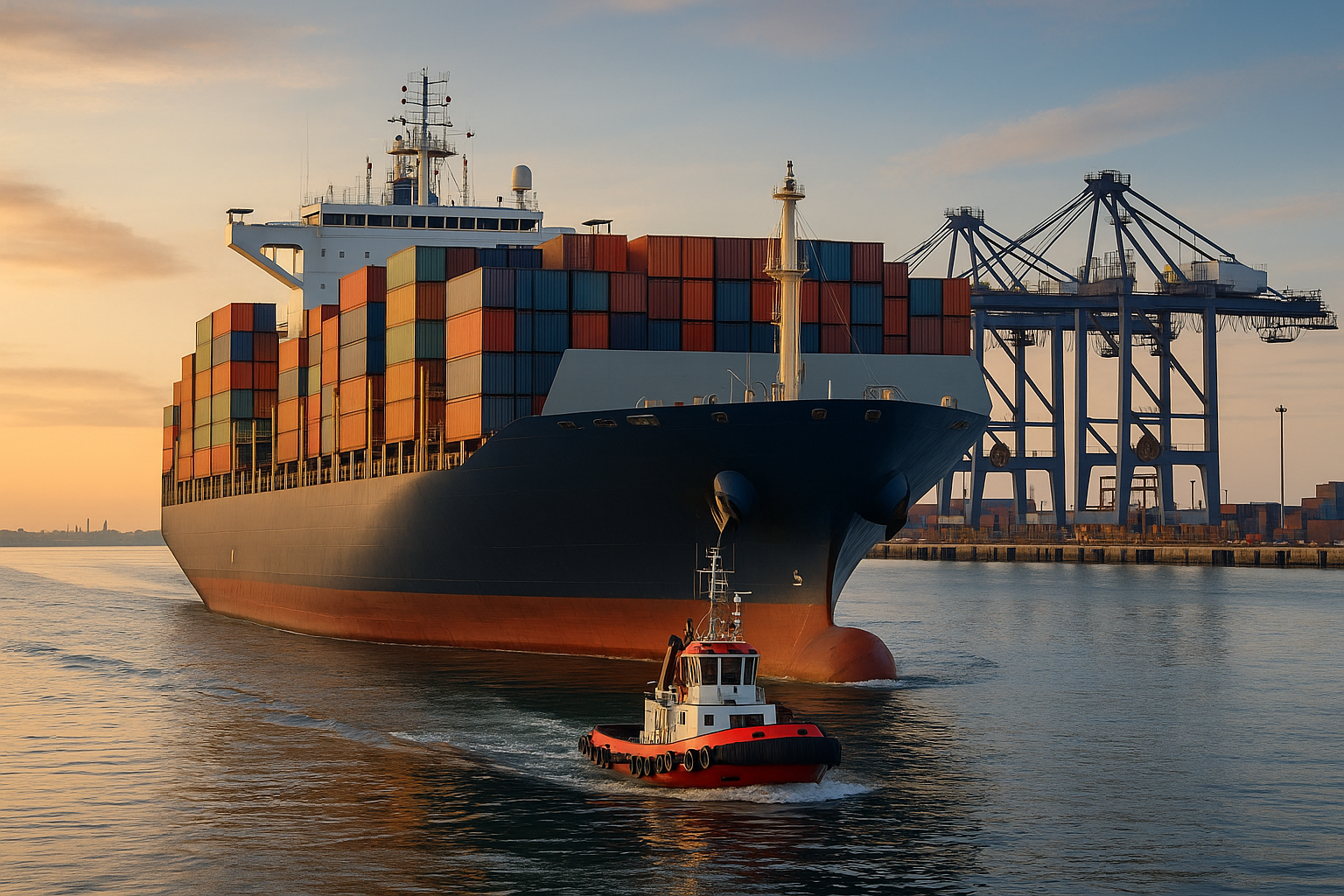
Discover How the Perspectives of the Maritime Industry Shape the Global Economy, Affect Your Daily Life, and Influence the Future of Business with Innovation and Sustainability.
The maritime industry is one of the least perceived yet most fundamental pillars of the global economy.
From the earliest records of boats made from logs to modern ships powered by clean energy, the evolution of this industry accompanies the very history of humanity.
According to the Maritime Historical Institute, rudimentary vessels date back more than 4,000 years.
-
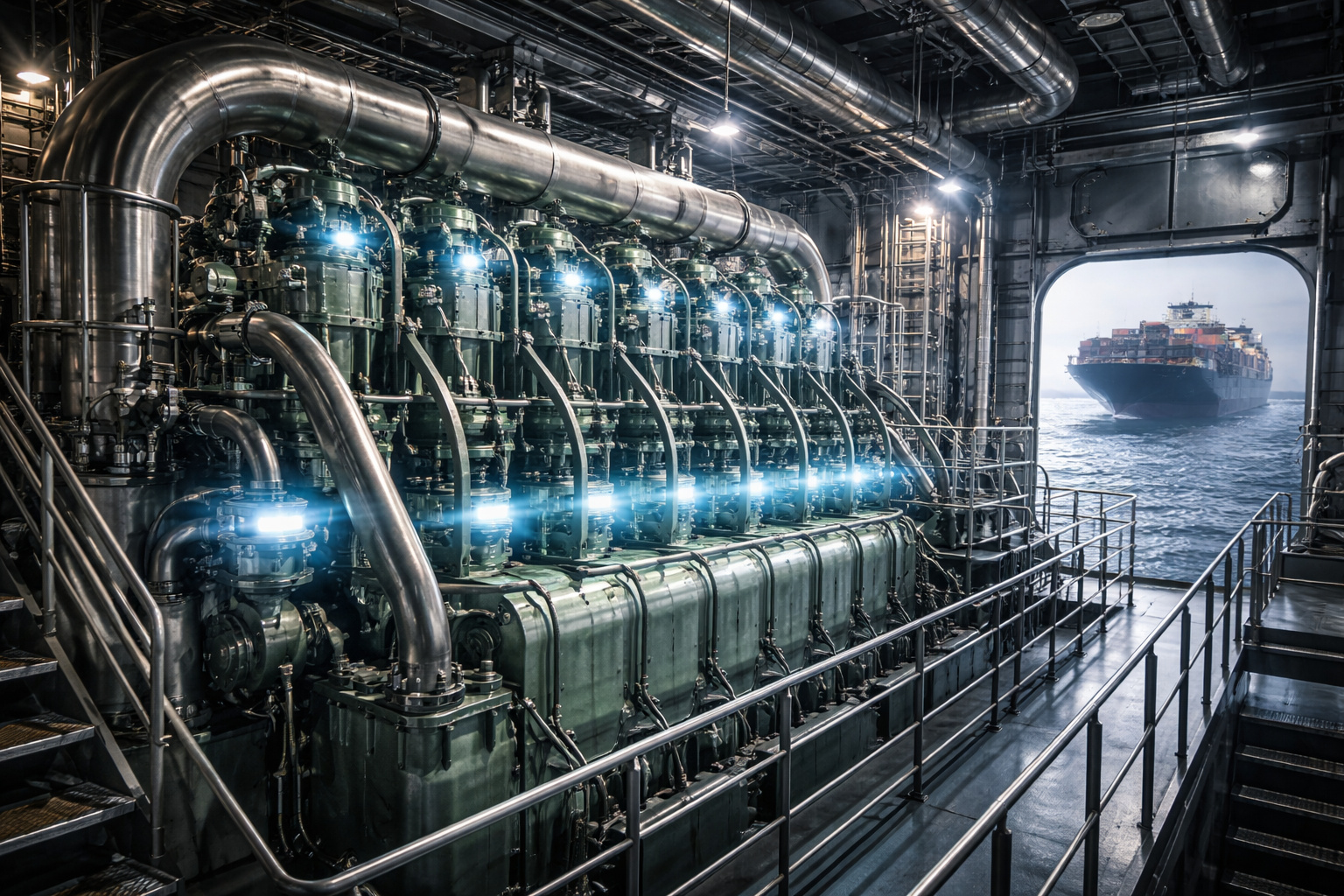
Europe is trying to create an ammonia-powered marine engine without auxiliary fuel, which could unlock the race for giant emission-free ships. The technology aims to eliminate one of the biggest obstacles to clean maritime propulsion.
-
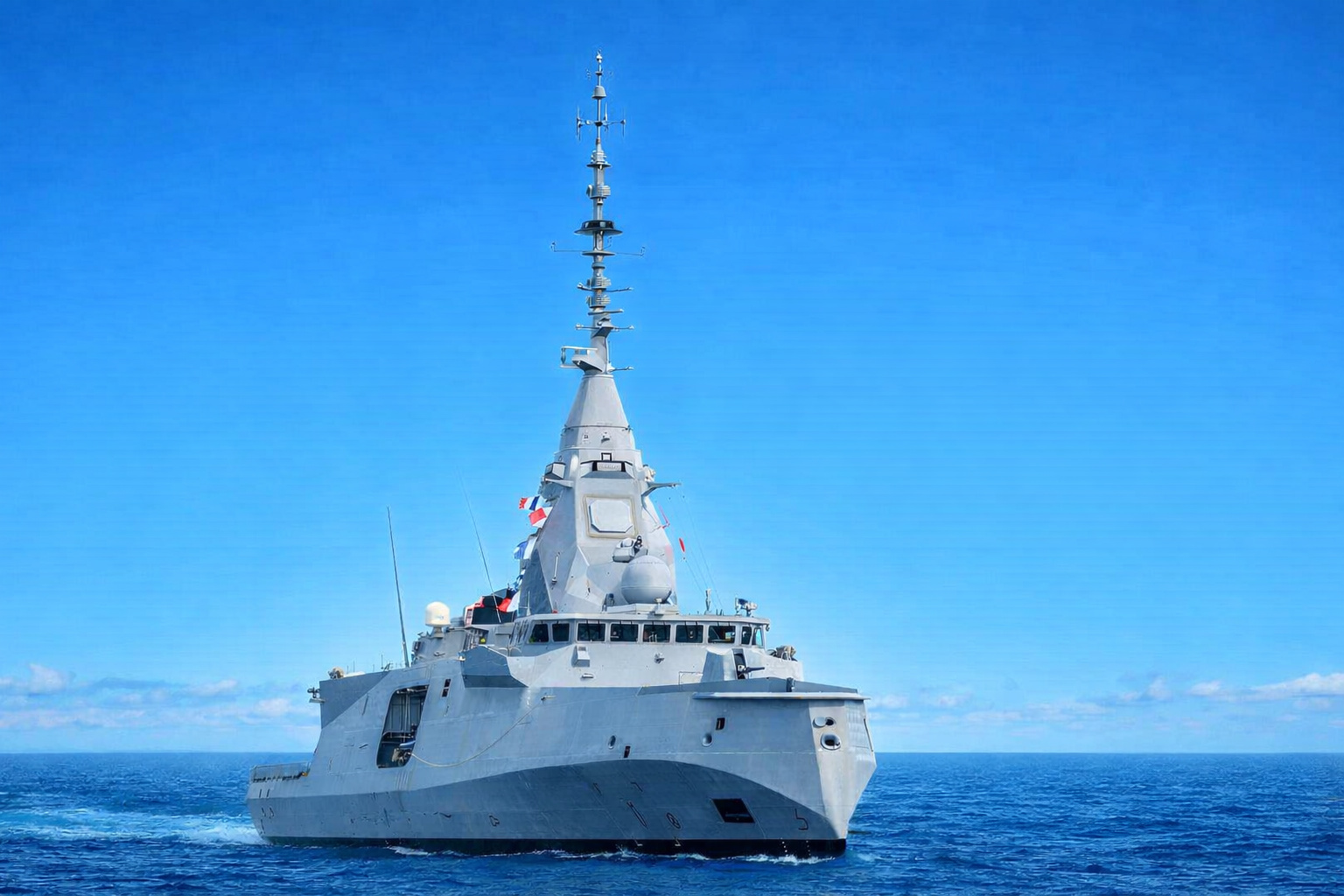
A 4,500-ton frigate with just over 100 crew members, state-of-the-art radar, and cruise missiles is being touted as the new standard of naval warfare in the 21st century.
-
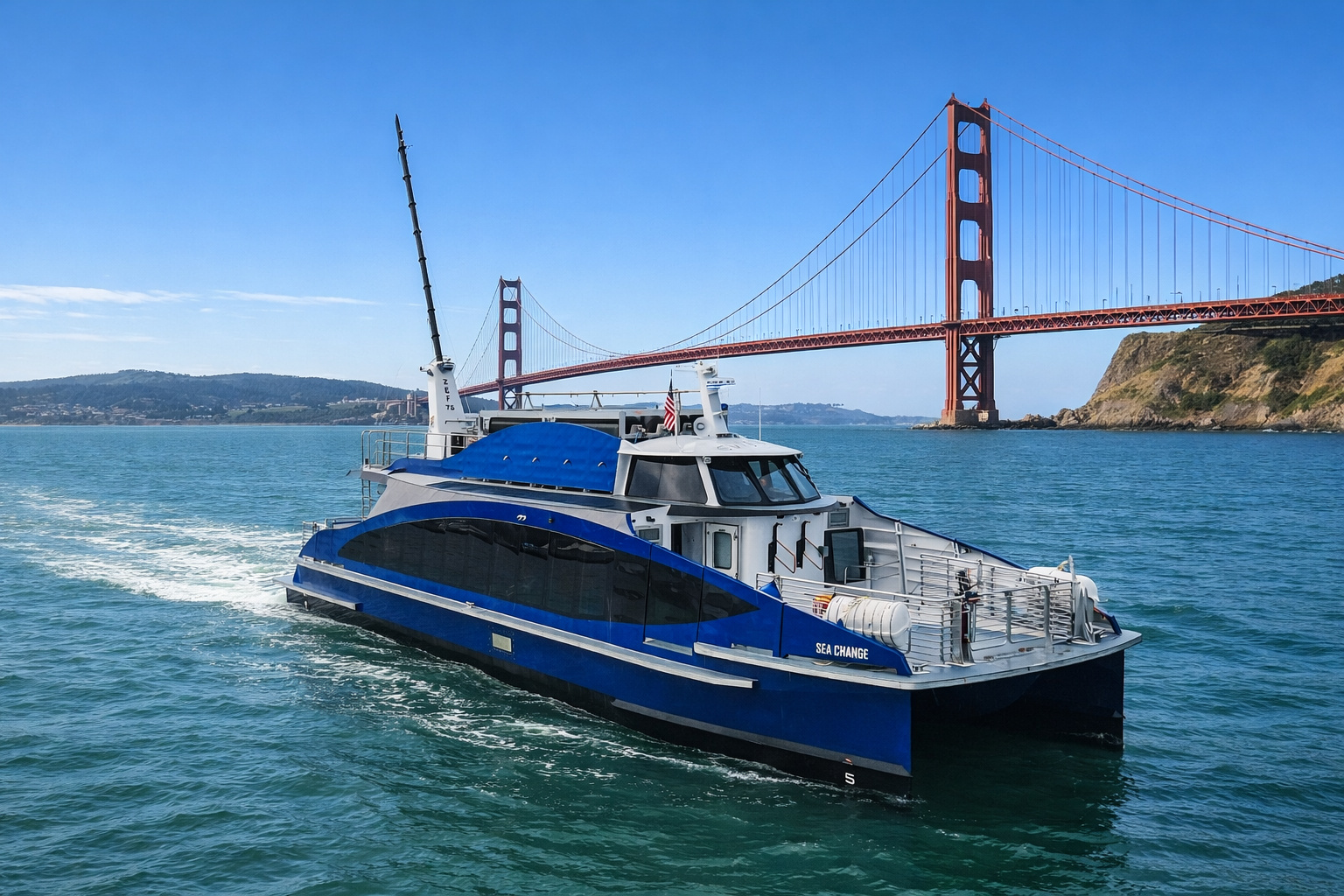
The first commercial hydrogen-powered ferry enters operation in the U.S., eliminates the use of diesel, uses fuel cells to generate clean energy on board, and transforms San Francisco Bay into a landmark of the new era of emission-free navigation.
-
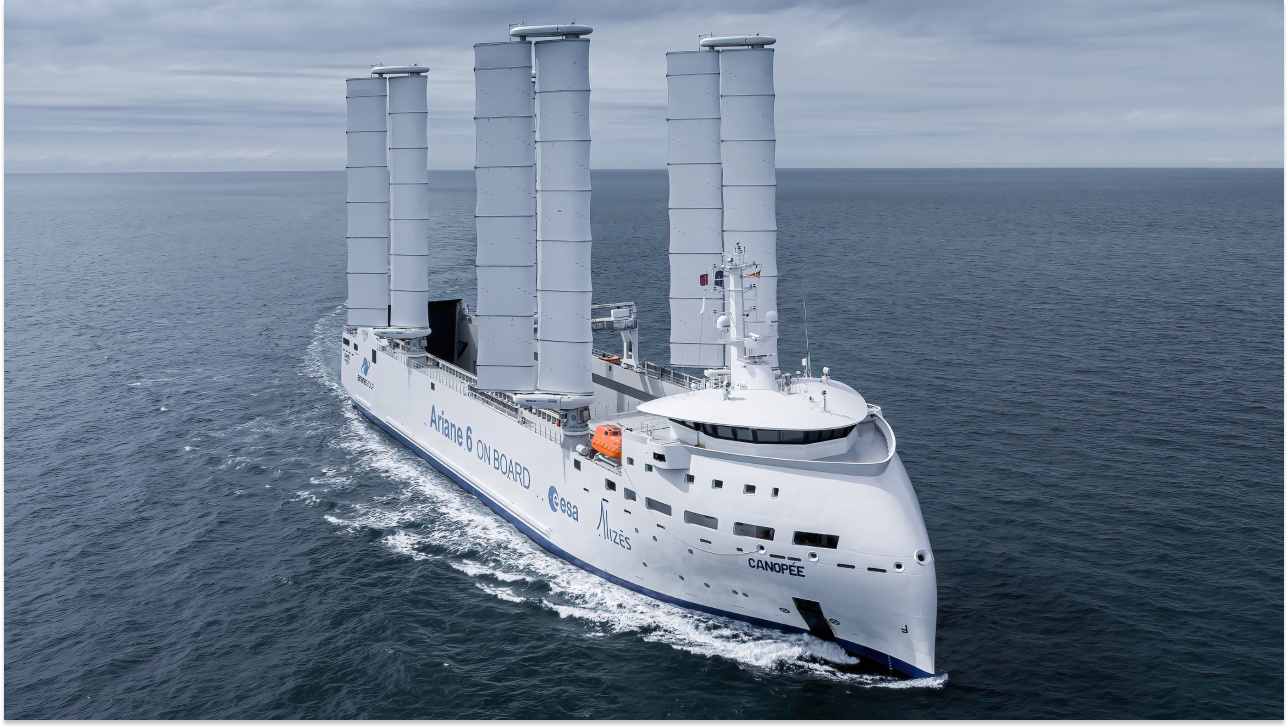
With a length of 121 meters and four rigid sails of 36 meters that automatically rotate to capture the wind, Canopée is the world’s first hybrid industrial cargo ship powered by wind, used to transport rockets and reduce fuel consumption by up to 30% on transoceanic routes.

The Egyptians already navigated the Nile River for transportation and trade, according to the Egyptian Museum in Cairo.
Therefore, understanding the perspectives of the maritime industry becomes essential not only for those working in maritime transport, international trade, or shipbuilding but also for anyone interested in the impact of the global economy on their daily life.
This sector does not operate in isolation; on the contrary, it maintains a constant dialogue with other industries, such as petrochemicals, steelmaking, and technology.
Shipbuilding involves a complex production chain, which includes the supply of materials, manufacturing specific parts, and developing embedded software.
According to the United Nations Industrial Development Organization (UNIDO), this interdependence demonstrates how the health of the maritime industry can reflect on the performance of several other economic sectors, both national and international.
The Maritime Industry and Its Role in History
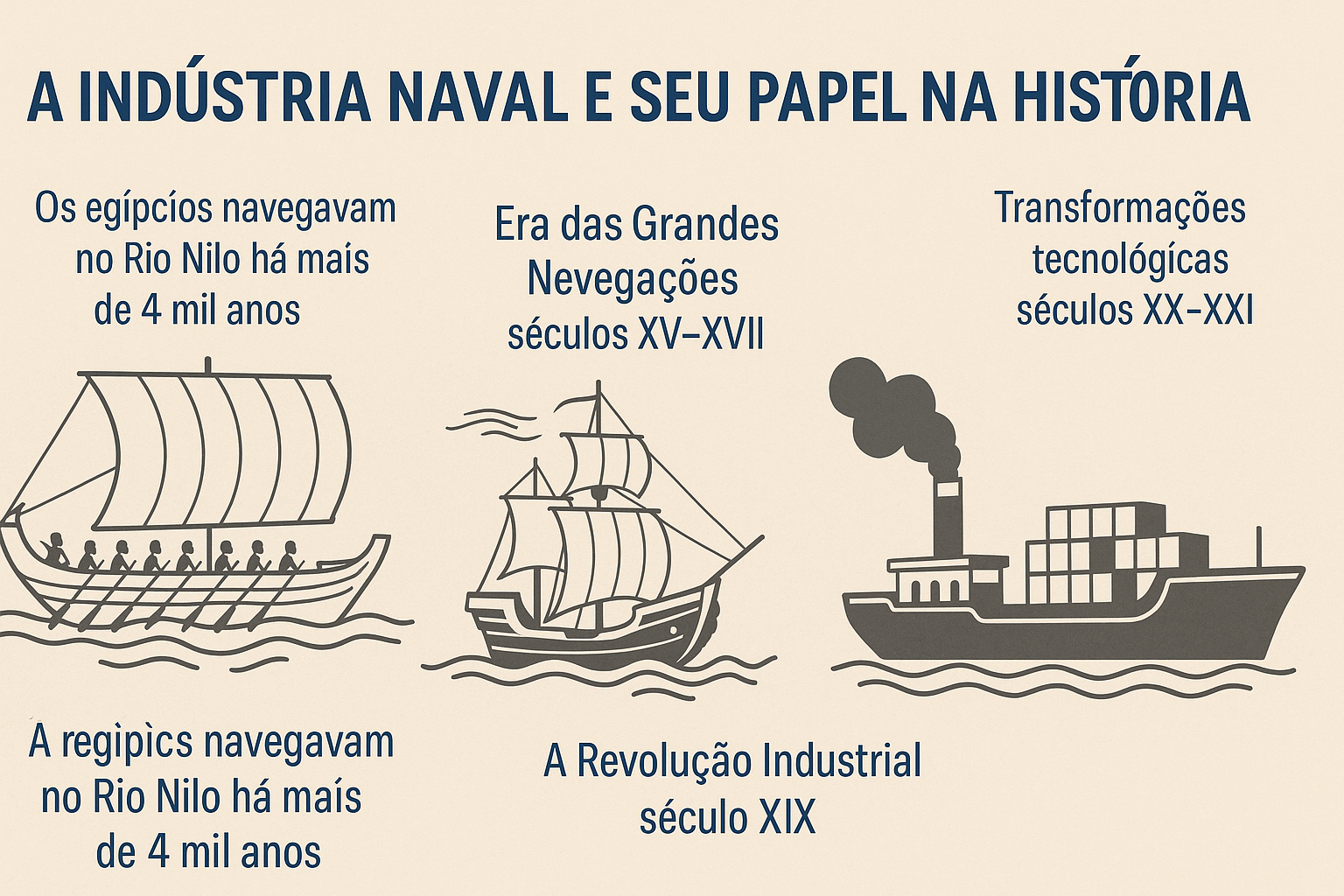
Navigation has always symbolized progress. For instance, the Egyptians used vessels on the Nile River over 4,000 years ago to transport goods and people.
Additionally, the Phoenicians expanded trade across the Mediterranean Sea, creating trade routes that boosted the growth of entire cities, according to the National Maritime Museum in London.
In the Age of Exploration, between the 15th and 17th centuries, ships played a key role in the colonization of new continents and the expansion of empires.
According to UNESCO, these advancements marked a new chapter in human history by connecting diverse continents and cultures.
The development of the maritime industry gained momentum in the 19th century with the Industrial Revolution. The introduction of the steam engine replaced sails and oars, making ships faster and safer.
Furthermore, steel began to make up the hulls, giving rise to large cargo ships and warships.
According to the United Nations Industrial Development Organization (UNIDO), this period saw the emergence of the first industrial shipyards, which standardized and made ship production more efficient.
Technological advancements transformed ships into multifunctional platforms capable of performing tasks such as oil extraction offshore, transporting large volumes, and conducting scientific activities, as reported by the International Energy Agency (IEA) in 2022.
Thus, this versatility positioned the maritime industry among the most innovative and strategic sectors of the modern economy.
The Current Scenario of the Maritime Industry
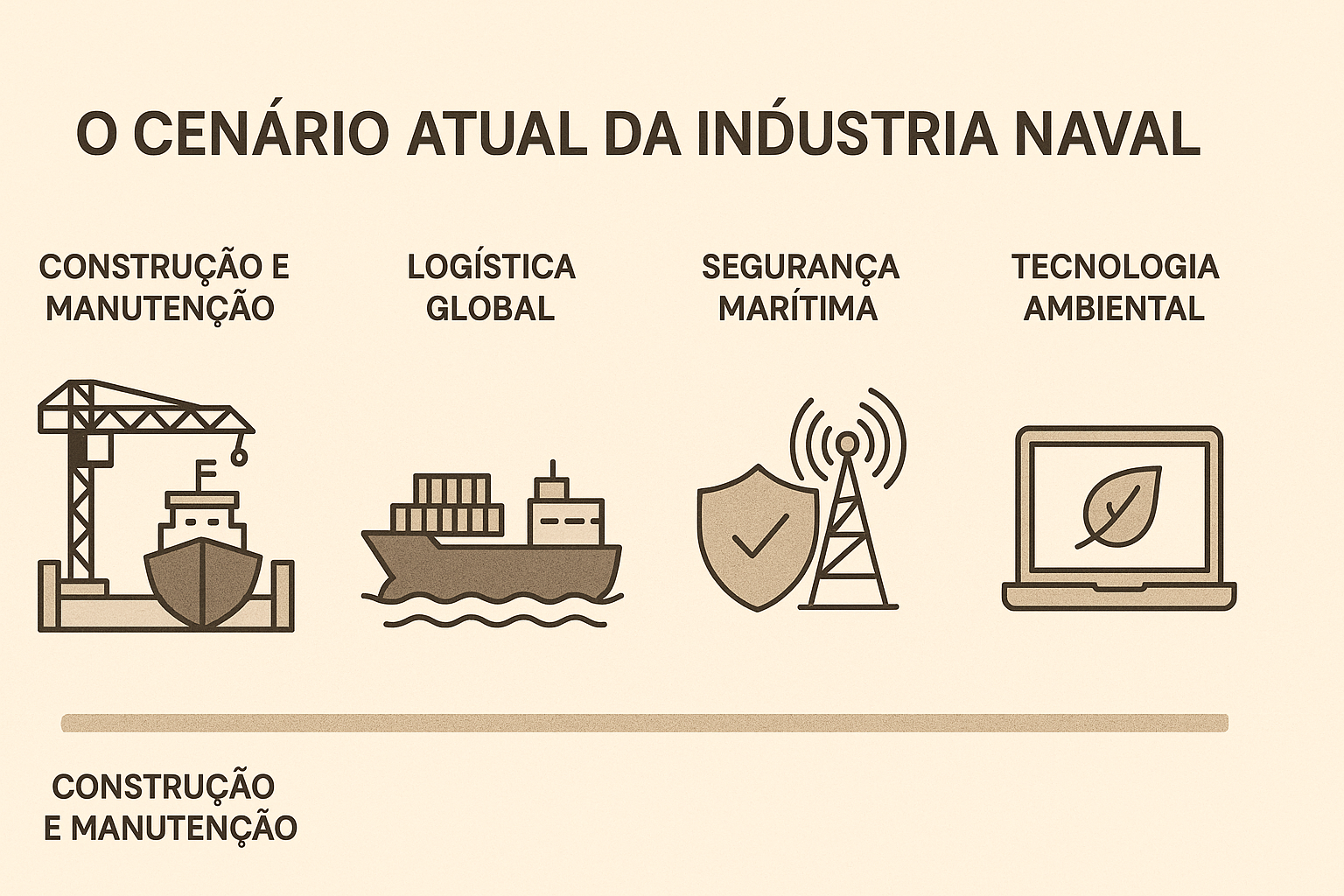
Today, the maritime industry involves an extensive ecosystem that encompasses everything from shipbuilding, maintenance and repairs to the manufacturing of parts and sophisticated electronic systems.
Furthermore, it maintains a strong connection with global logistics, naval engineering, maritime safety, and even environmental technology.
The perspectives of the maritime industry for the coming years indicate a profound transformation driven by technological advancements, new environmental requirements, and changes in consumer market behavior.
According to data from the International Maritime Organization (IMO), in its 2023 report, modern ships need to adapt to increasingly stringent international regulations, including targets for 40% carbon emission reductions by 2030.
Shipowners, the owners of the vessels, invest in cleaner technologies and efficient processes to reduce their environmental impact and ensure the sustainability of their operations.
Technology, Innovation, and Sustainability in the Sector
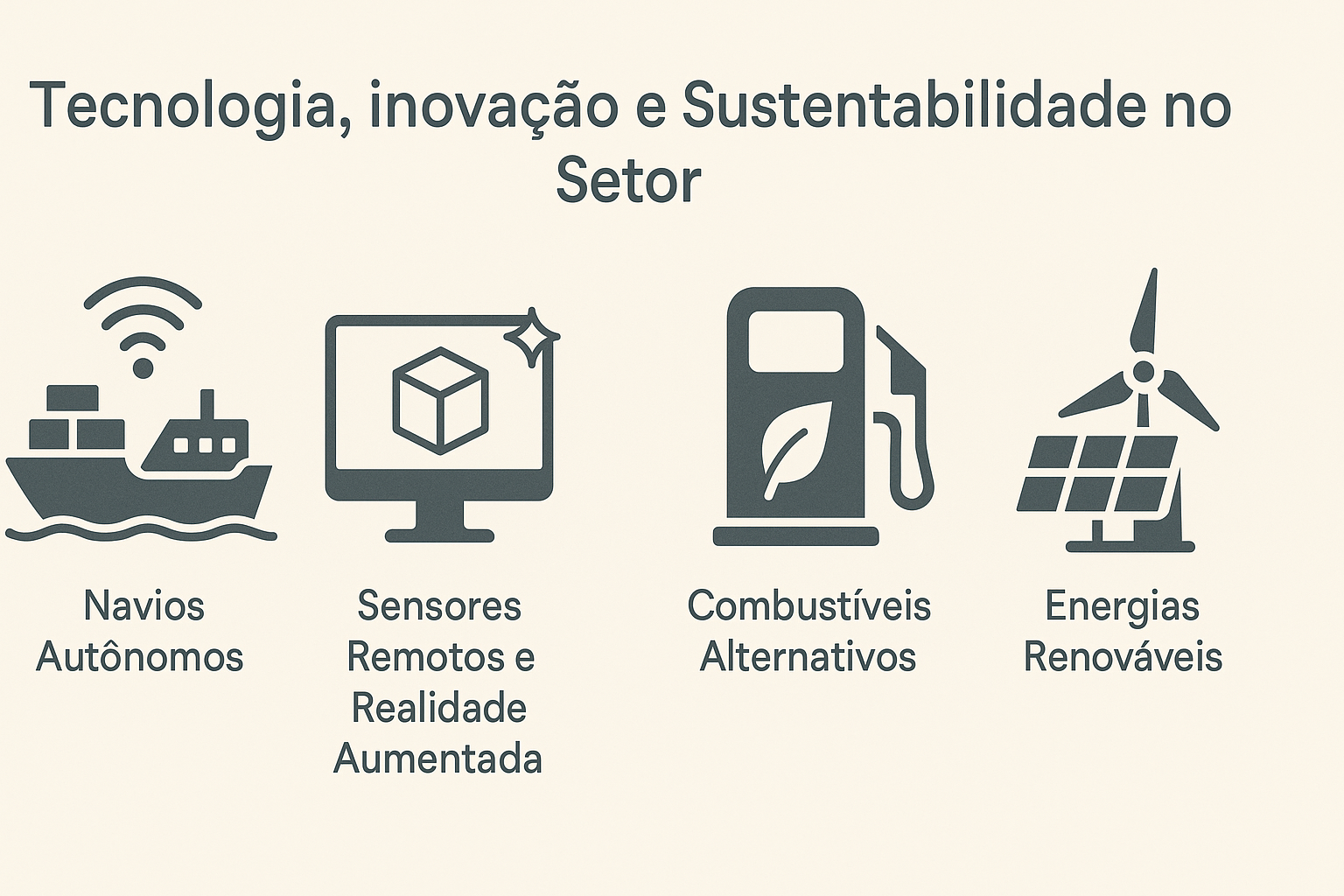
Automation and digitalization are rapidly advancing in the construction and operation of ships. Thus, satellite navigation systems, artificial intelligence, remote sensors, and autonomous control are already integrated into the routine of many modern vessels.
Autonomous ships—without crew—are undergoing testing around the world and promise to revolutionize safety and reduce operational costs.
As reported by the International Marine Engineering Association (IMarEST) in January 2024, these systems have the potential to optimize routes and minimize human errors.
Additionally, tools such as augmented reality and digital twins help design more efficient vessels and monitor their performance in real-time.
Another factor shaping the perspectives of the maritime industry is the pursuit of sustainability.
The sector faces pressure from international standards, such as those from the International Maritime Organization (IMO), which require cuts in pollutant gas emissions.
This stimulates the development of ships powered by alternative fuels, such as liquefied natural gas (LNG), hydrogen, and even wind and solar energy.
Furthermore, sustainable practices are advancing not only on vessels but also in port facilities, which adopt renewable energy and systems to minimize waste disposal at sea.
Direct Impact on the Economy and People’s Lives
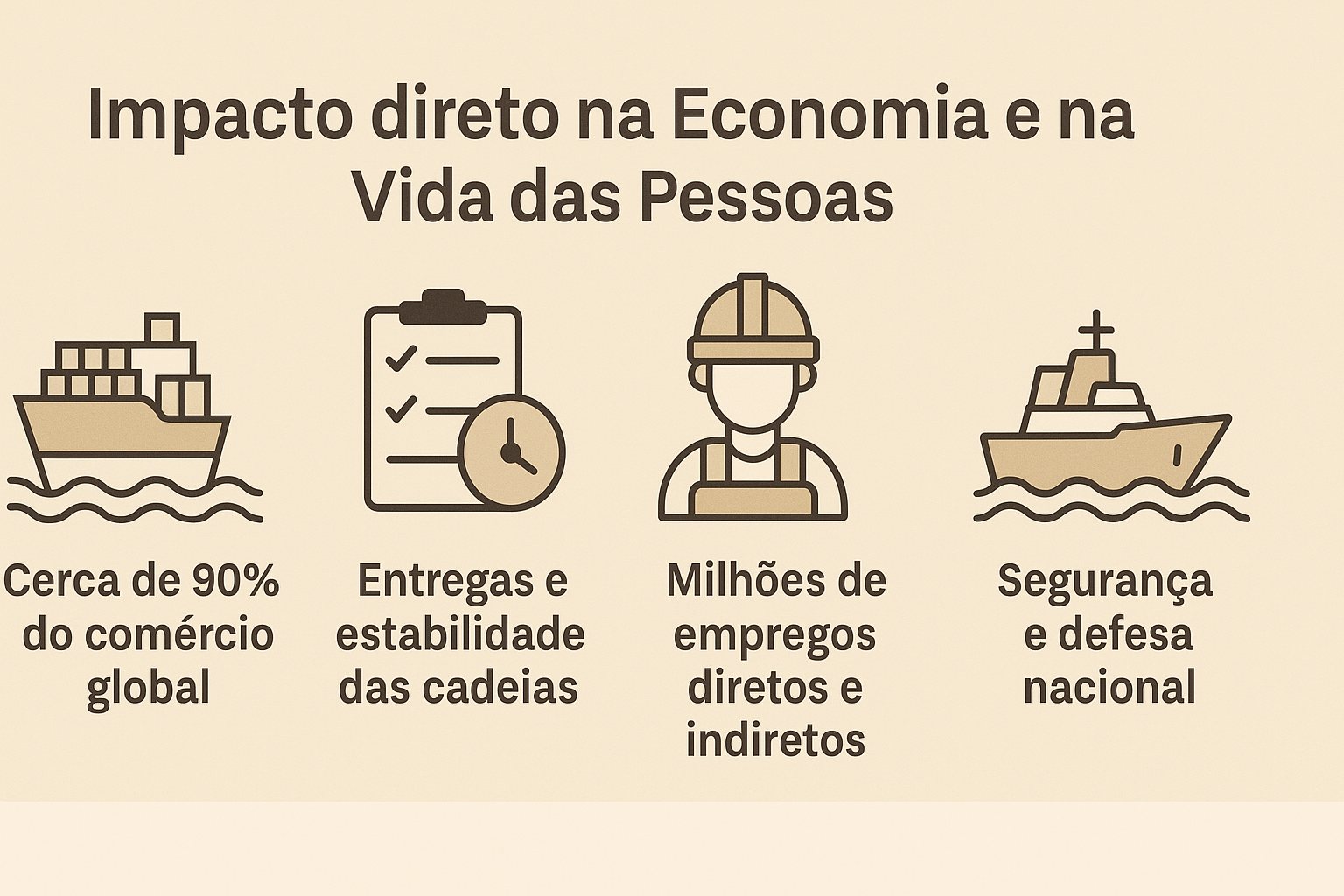
Although often invisible in daily life, the maritime industry directly influences people’s lives.
For instance, about 90% of everything we consume travels by sea: food, fuels, appliances, clothing, and medicine, according to the global trade report from the United Nations Conference on Trade and Development (UNCTAD), published in 2023.
Thus, small delays or interruptions in the maritime supply chain—such as those observed during the COVID-19 pandemic—cause a domino effect in various sectors of the economy.
For businesses, especially those that depend on import and export, the perspectives of the maritime industry indicate important trends.
The modernization of ports, the agility in cargo delivery, and the stability of maritime routes directly affect the competitiveness of companies and countries.
The maritime industry generates millions of direct and indirect jobs worldwide—from engineers and welders to port crane operators, logistics specialists, and information technology professionals, according to the International Chamber of Shipping (ICS), 2023 report.
Moreover, the sector is vital for national security and defense of countries.
Naval forces and patrol vessels protect territorial waters, monitor maritime traffic, and combat illicit trafficking.
The Future of the Maritime Industry and Its Strategic Relevance
The future of the maritime industry will be defined by decarbonization, digitalization, and sustainable development.
Thus, companies that can adapt to this new scenario will lead, creating more efficient, safe, and environmentally responsible solutions.
The increasing use of renewable energy onboard, intelligent management systems, and lighter and more durable materials will be essential for the ships of the future.
Understanding the perspectives of the maritime industry goes beyond ports and vessels.
It’s realizing that this sector sustains the global economy and affects prices, delivery times, and job stability across various segments.
Furthermore, international collaboration will remain crucial, as environmental and maritime safety issues require coordinated efforts among countries, regulatory bodies, and the private sector.
Whether you are an entrepreneur, student, logistics professional, or attentive consumer, keeping up with the perspectives of the maritime industry is essential to understand the direction of the global economy.







Seja o primeiro a reagir!