





 Portuguese
  English
  Spanish
 4 min of reading
  0 comments


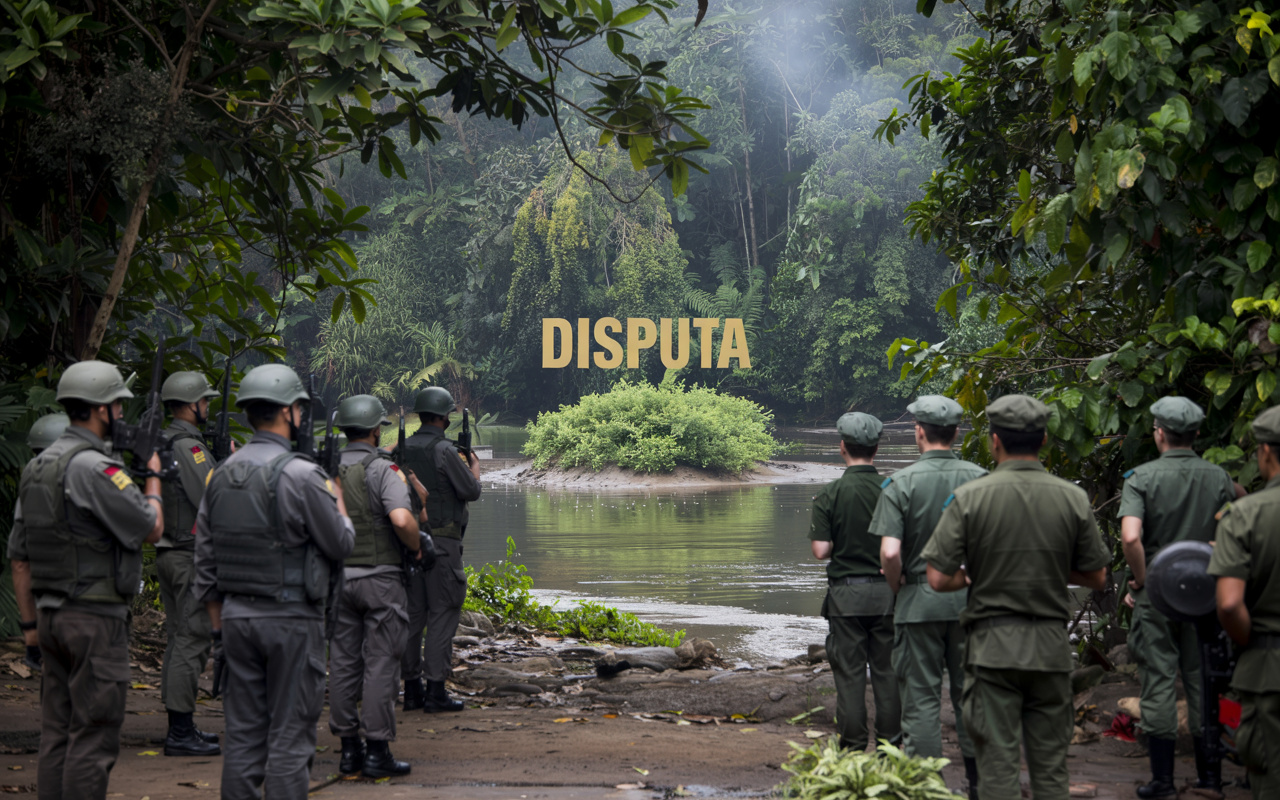
Dispute Over Santa Rosa Island on the Amazon River Causes Peru and Colombia to Mobilize Troops at the Border with Brazil. Understand the Historical Tension and Risks in the Amazon.
The dispute over Santa Rosa Island on the Amazon River between Peru and Colombia has taken a new and dangerous turn this week, with both countries mobilizing troops to the border region with Brazil. The impasse involves Santa Rosa Island, amazon territory where about 3,000 people who consider themselves Peruvians live, but which is officially claimed by the Colombian government.
The rising tension is being monitored by the Itamaraty and the Ministry of Defense of Brazil, as the area is located at the meeting point of the borders of the three countries, right in the Brazil Amazon border. So far, there has been no official statement from Brazil.
Peru Colombia Military: Reinforced Presence in a Strategic Area of the Amazon
The military movement began after Peru officially announced the creation of a new district in Santa Rosa in June and sent public officials to the region. The act was interpreted by Colombia as an affront to its sovereignty, and Bogotá demanded bilateral negotiations.
-
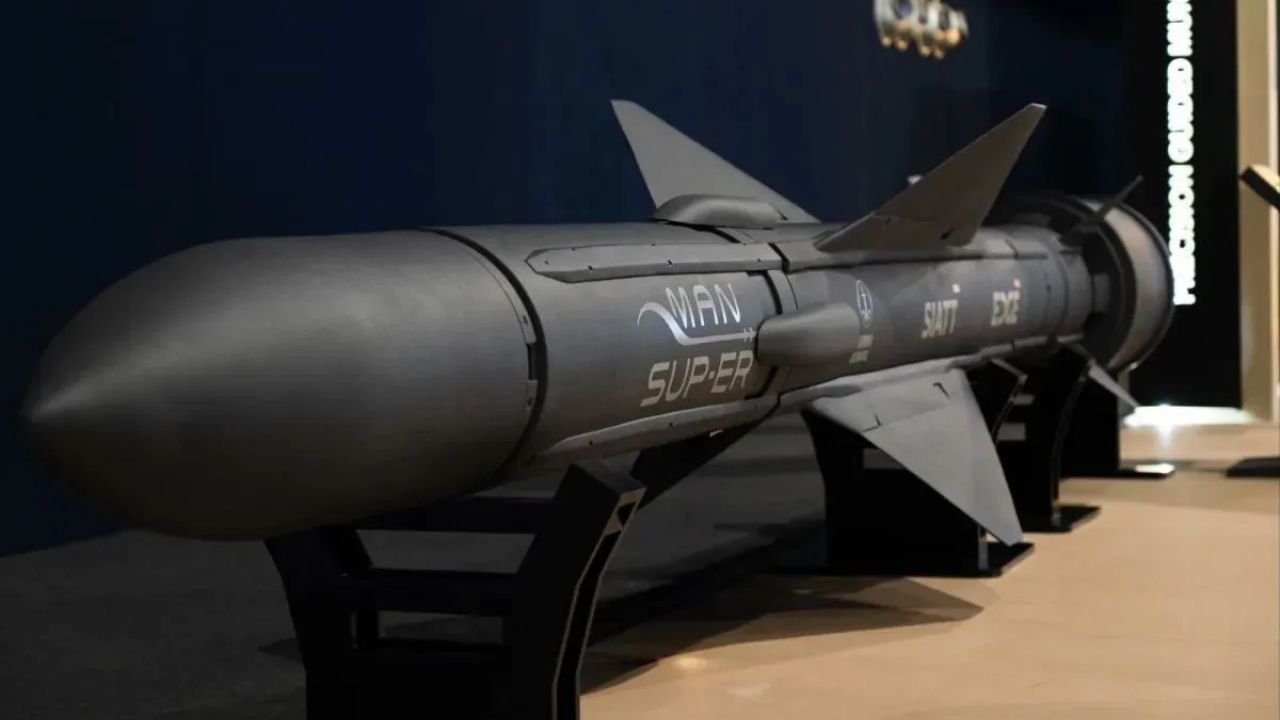
Brazil accelerates the evolution of the MANSUP missile, designing an air-surface version with a range exceeding 200 km, advanced guidance, and precision strike capability against land and naval targets, paving the way for a new generation of national armaments with global potential.
-
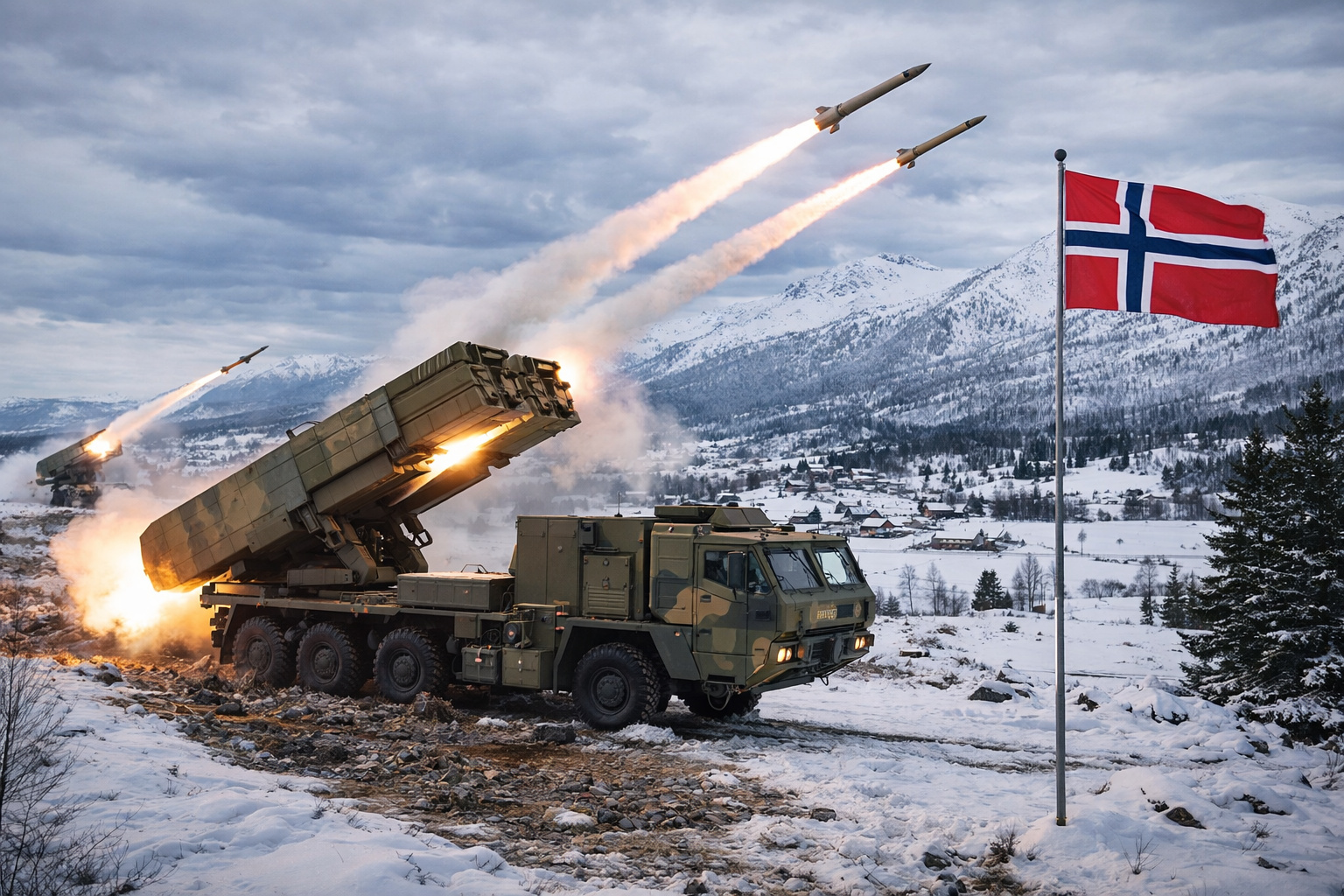
South Korea signs a $922 million deal with Norway, bringing Chunmoo launchers capable of firing guided missiles up to 290 km with an accuracy of 15 meters to Europe and turning the system into a key component of the new global race for precision artillery.
-
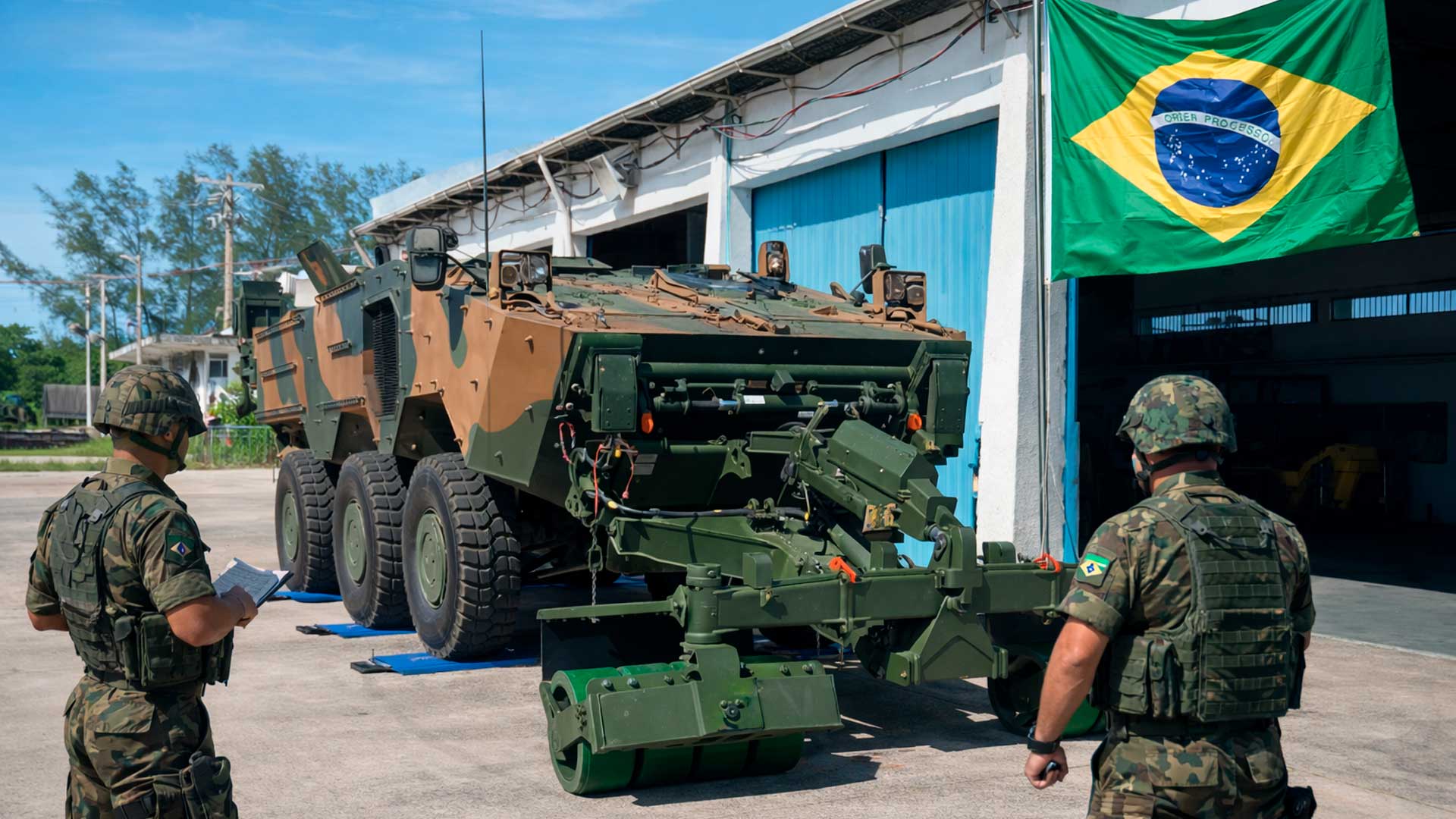
Brazil advances with decisive tests until June, the 6×6 Guarani armored vehicle with engineering equipment enters the most important phase and can enhance the operational capability of the Army.
-
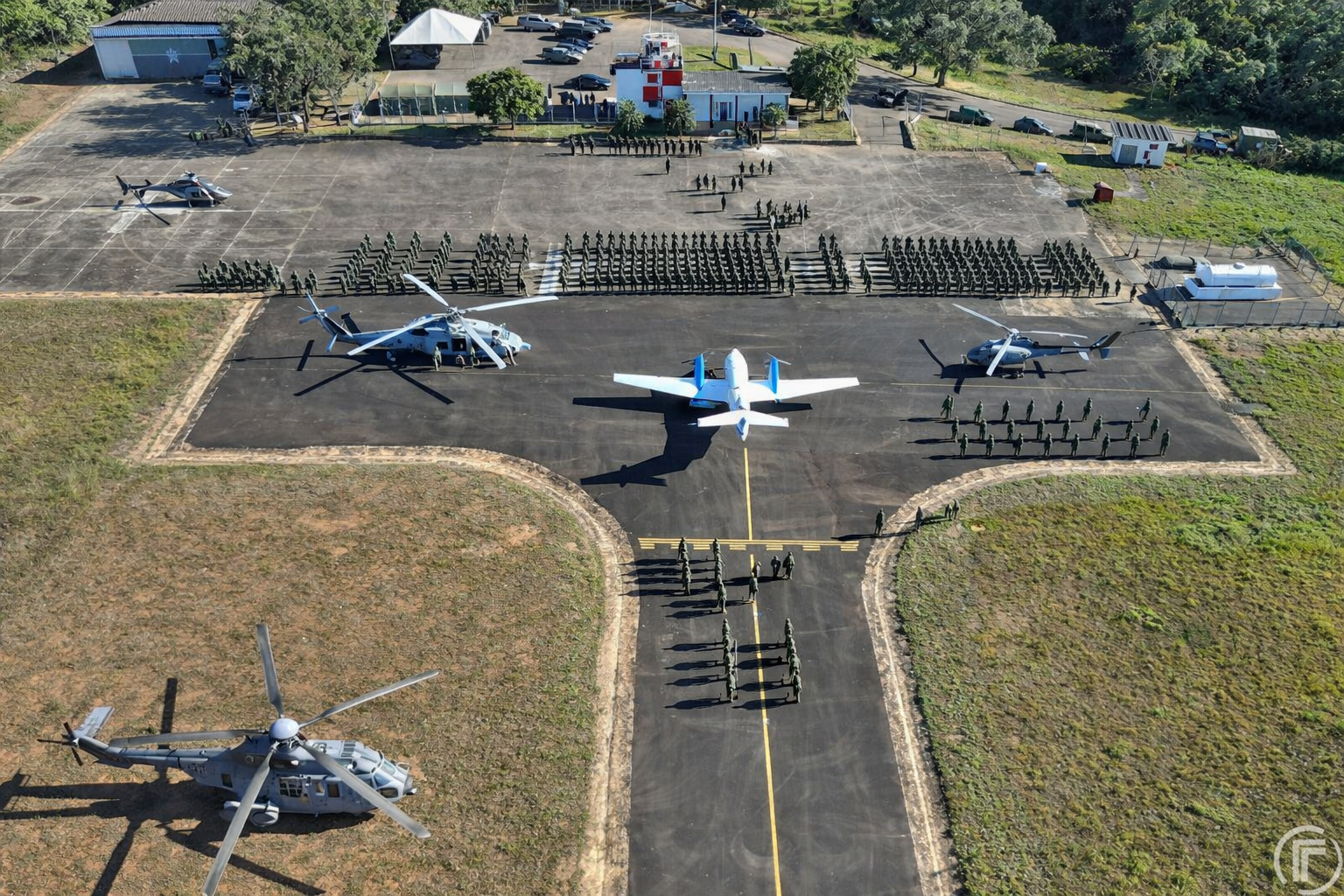
Furnas Airport is handed over to the Navy and becomes a strategic base with complete military operations, attack drones, and international mobilization at Furnas Lake.

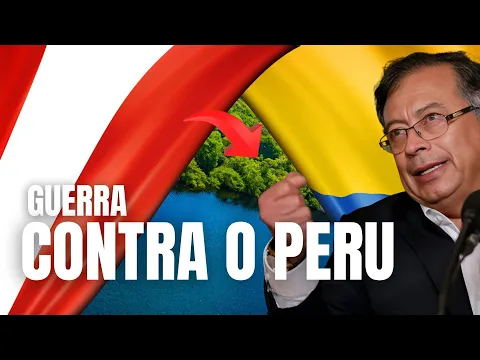

In recent days, Peruvian military personnel have been deployed to the island, raising dozens of flags of the country. On the Colombian side, the Armed Forces reinforced their presence in the city of Leticia, which is just a few meters from Santa Rosa.
The Peruvian press even reported a supposed overflight of Colombian military planes in Peruvian airspace, further escalating the tension.
Origin of the Dispute: The Changing Geography of the Amazon River
The territorial dispute has historical roots. According to the 1929 Treaty, Chinería Island — where Santa Rosa is located — belongs to Peru. The boundary was established by the deepest point of the Amazon River. However, in recent years, the reduction of river flow and sedimentation have shifted the riverbed and brought the island closer to the Colombian bank, where Leticia is located.
Colombian authorities claim that the island emerged after the agreement, and therefore, its designation needs to be reviewed. Peru contends that it has exercised “legitimate, legal, public and continuous” sovereignty over Santa Rosa for more than a century.
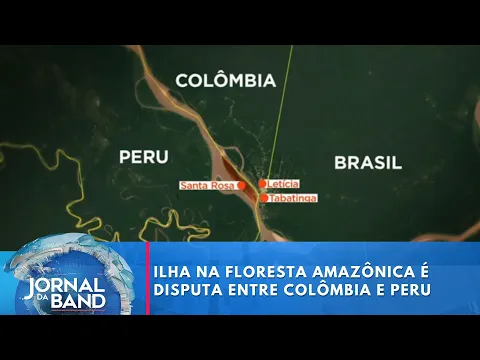
Studies from institutes in both countries indicate that, by 2030, the Amazon River could exclusively shift its course to the Peruvian side, leaving Leticia without direct access to the river — a scenario that increases Amazon tension and reinforces the island’s strategic importance.
Petro and Dina Boluarte Harden Their Stance
On August 7, Colombian President Gustavo Petro moved the country’s independence celebrations from Bogotá to Leticia, in a symbolic act to reaffirm the territorial claim. During the event, he declared that Colombia “does not recognize Peru’s sovereignty over the so-called Santa Rosa Island” and threatened to take the case to international court if there is no mediation.
On the same day, the Prime Minister of Peru, Eduardo Arana, and part of the cabinet visited Santa Rosa. Peruvian President Dina Boluarte, while traveling in Japan, stated that “our Chinería Island is within our national sovereignty, therefore there is nothing pending to discuss with our northern brother country”.
History of Strained Diplomatic Relations
Relations between Peru and Colombia had already been strained since 2022, when then-Peruvian President Pedro Castillo was ousted. Petro classified the action as a coup and withdrew the Colombian ambassador from Lima. Peru retaliated in kind, and since then, the two countries have maintained only chargé d’affaires.
With the current episode, the diplomatic crisis deepens, and the military mobilization increases the risks of incidents in the tripartite Amazon region.
Brazil Amazon Border: Impact and Risks for Brazil
Although not directly part of the dispute, Brazil is closely monitoring the escalation, as the point where Santa Rosa is located is strategic for controlling river traffic in the triple border area. Any increase in tension between Peruvian and Colombian military forces could impact the movement of people and goods in the area and even generate economic and security impacts for Brazil.
The scenario remains open. If there is no rapid diplomatic agreement, it is possible that the dispute will prolong and reach international instances, such as the International Court of Justice in The Hague.









-

-

-

-

-

-

17 pessoas reagiram a isso.