





 Portuguese
  English
  Spanish
  4 min of reading
  0 comments


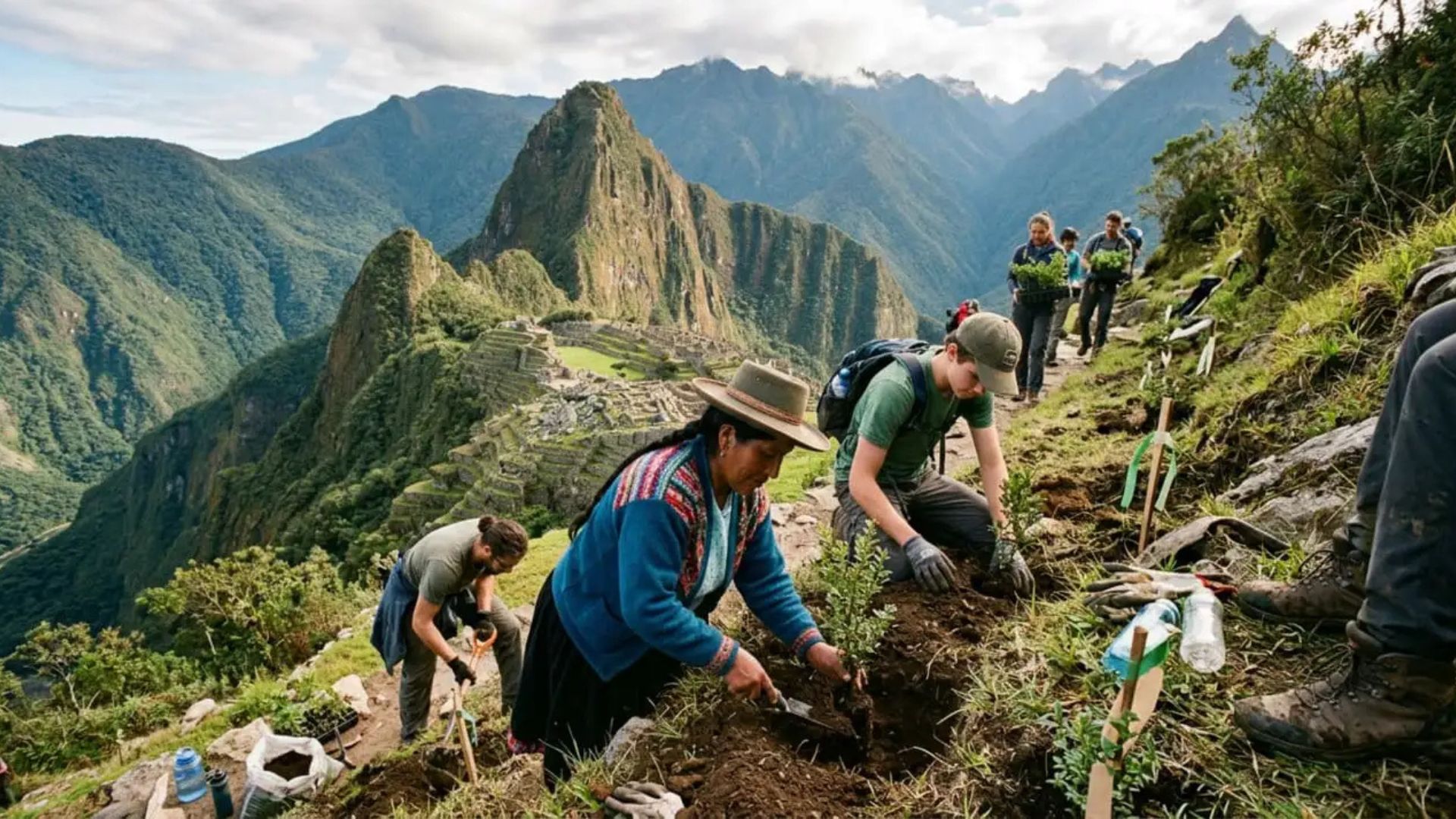
Peruvian environmental initiative mobilizes government, communities, and private sector to recover degraded areas of Machu Picchu with native species adapted to the Andes, in response to fires, erosion, and biodiversity loss that threaten one of the most sensitive heritages in the world.
The government of Peru has launched a new phase of the campaign “One Million Trees” in the Historic Sanctuary of Machu Picchu, aiming to expand the planting and maintenance of native species in areas degraded by loss of vegetation cover, recurring forest fires, and progressive soil degradation.
Presented on March 30, 2026 by the Ministry of the Environment, in coordination with the National Service of Protected Natural Areas (Sernanp), the initiative seeks to mobilize public power, local communities, businesses, and citizens in the environmental recovery of one of the most sensitive areas of Peruvian territory.
Located in a space that concentrates archaeological, landscape, and ecological value, the Historic Sanctuary of Machu Picchu is part of the country’s protected areas system and has been on the UNESCO World Heritage list since 1983, a status that increases the pressure for permanent conservation measures.
-
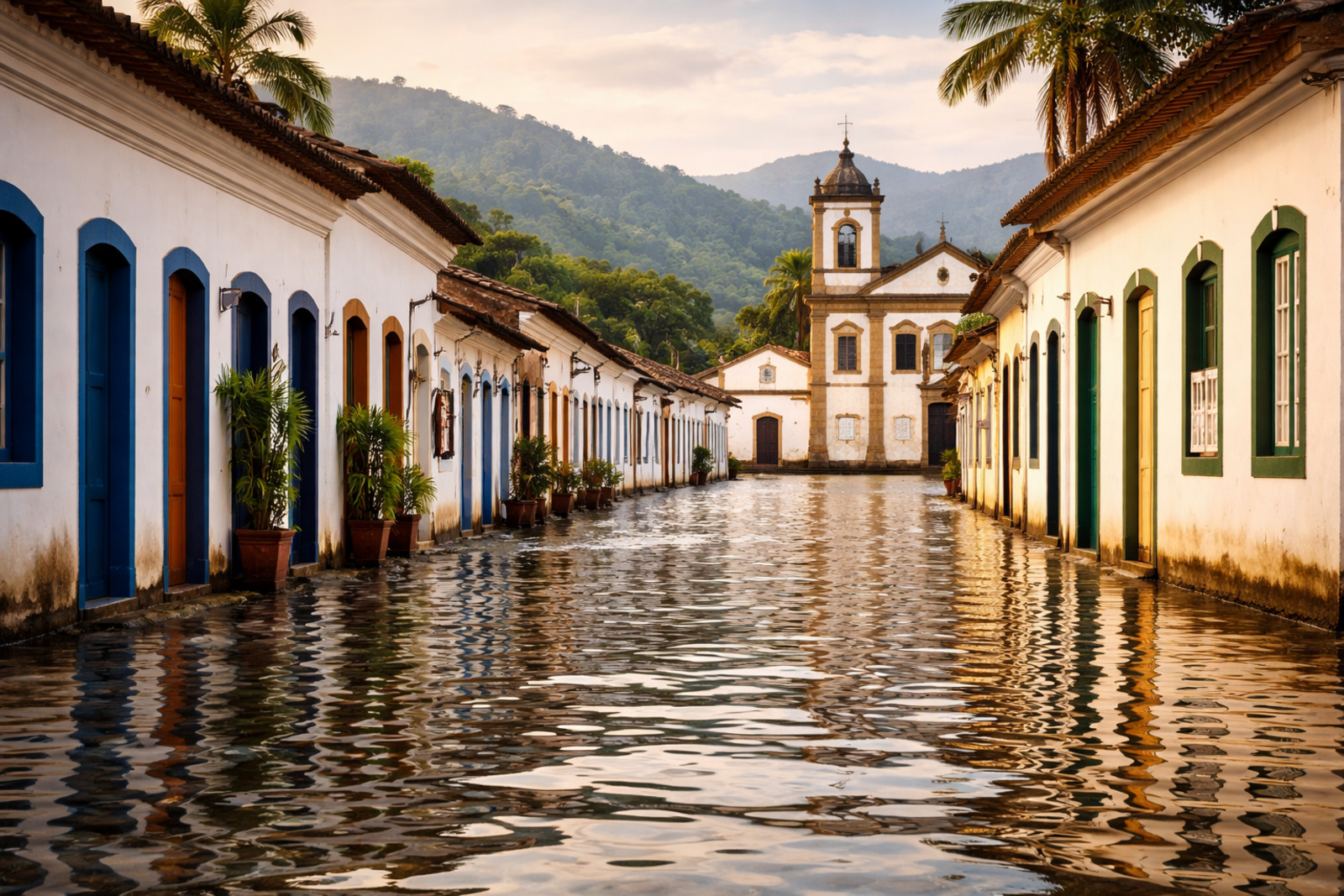
In Brazil, there is a historic city where the sea intentionally floods the streets to wash the pavement, and this unique scenery helped the place become a UNESCO World Heritage Site with over 65 islands and about 90 beaches.
-
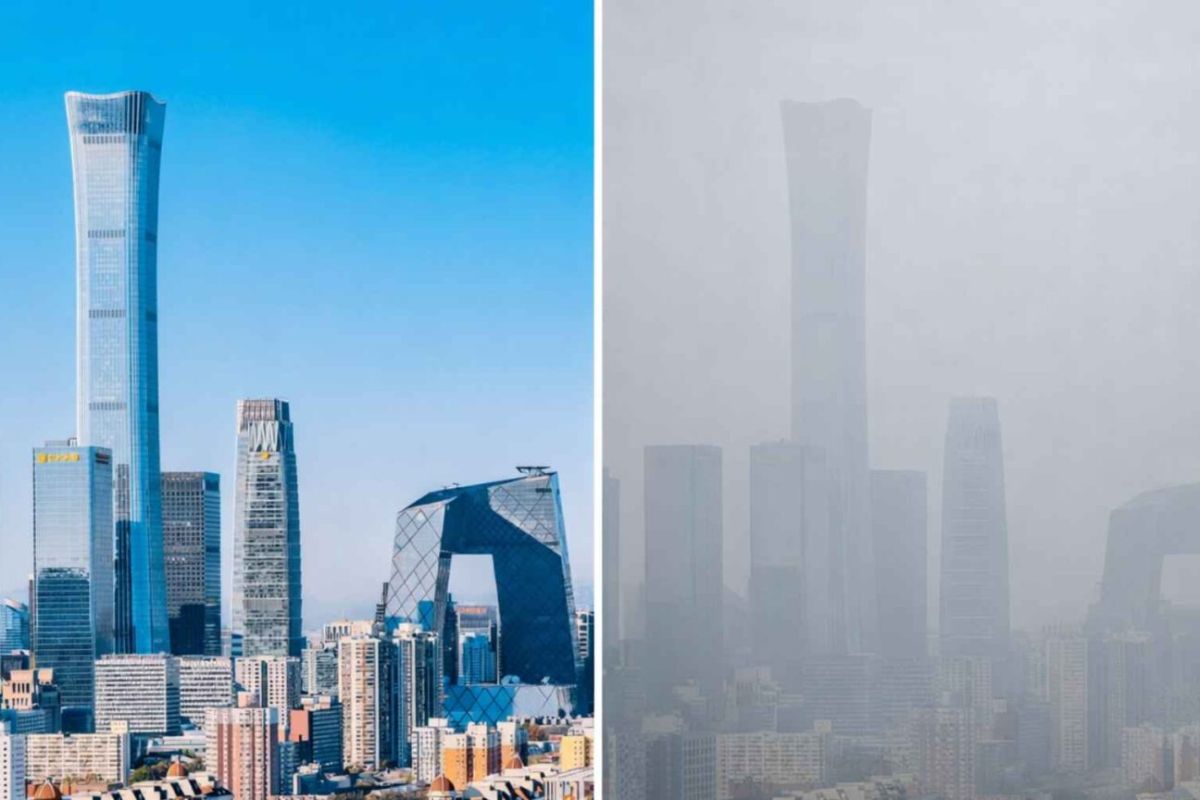
Beijing reduced air pollution by 70% in just 12 years and recorded 311 days of good air in 2025, but scientists have discovered a new invisible threat looming over the city: a cloud of 180,000 microplastics per cubic meter.
-
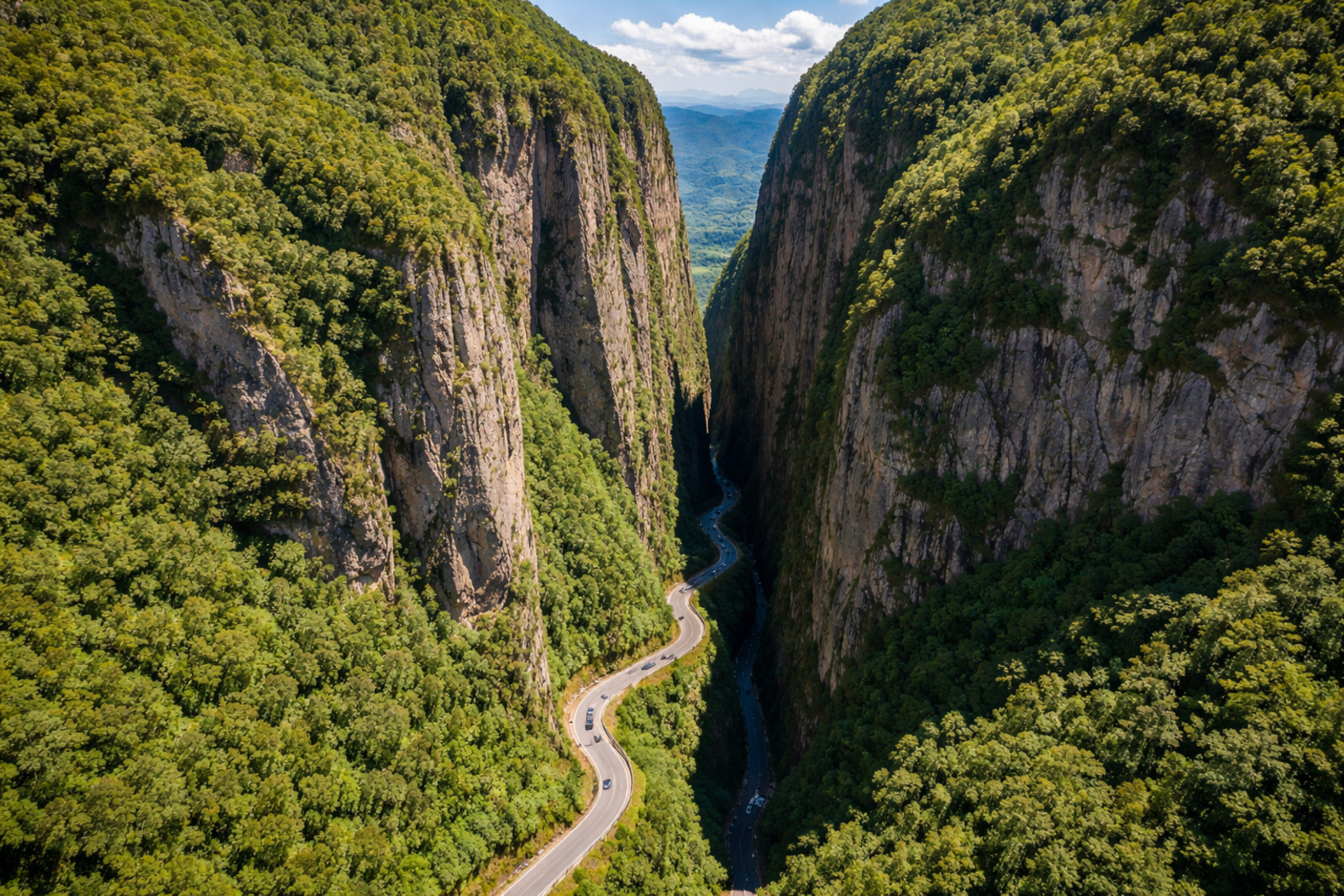
The largest rock cut in Brazil is a surreal road: named after a bird, this route in SC crosses a rock that is 160 million years old, opens a 90-meter gap, and connects the mountains to the coast of Santa Catarina.
-
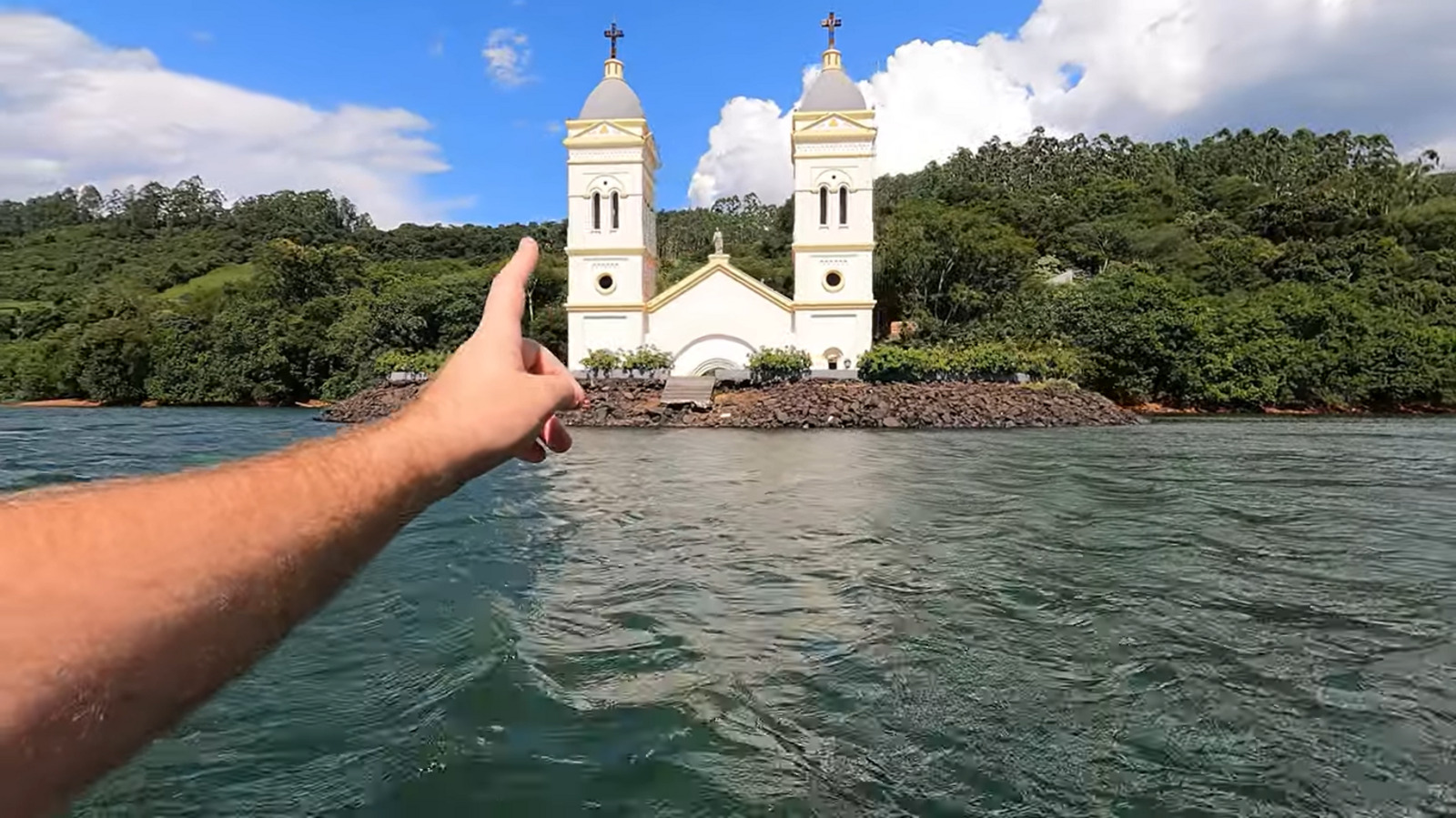
An entire city sank in the Uruguai River, and about 15,000 residents had to leave, but the towers of the old church in Itá still rise from the waters in western Santa Catarina as a symbol of memory and rebirth.
Reforestation in Machu Picchu targets degraded areas and erosion risk

According to the Ministry of the Environment, planting focuses on areas affected by loss of vegetation cover and soil degradation, prioritizing sections where restoration can improve water retention, reduce erosive processes, and restore natural habitats compromised over the last decades.
In addition to the initial planting, the project includes continuous monitoring of the seedlings, a strategy considered crucial in high-ecological-sensitivity Andean areas, where factors such as altitude, climate variation, and soil quality directly influence the survival and development of vegetation.
During the official presentation, the Minister of the Environment, Nelly Paredes del Castillo, stated that the protection of forests requires joint action between the state, private sector, and society, while the ministry emphasized that the goal is not limited to the volume of trees planted but to the recovery of essential ecological functions.
Building on previous initiatives associated with the same goal of planting 1 million trees, the project has already been linked to the recovery of hundreds of degraded hectares, involving Andean and Amazonian sectors of the sanctuary, as well as areas of the so-called buffer zone surrounding the protected region.
Native species of the Andes are the foundation of environmental recovery
At the center of the strategy is the selection of species adapted to the specific conditions of altitude, humidity, and terrain, including alder, queuña, chachacomo, tara, and elderberry, as well as other plants selected according to the type of soil and environmental characteristics of each intervention area.
Considered strategic in the high Andes, the queuña is resistant to cold and contributes to slope protection, while the alder is widely used in restoration projects as it promotes the recovery of degraded soils, and the chachacomo helps in the reestablishment of vegetation cover in Andean landscapes.
According to official materials from the campaign, these species also play a significant role in water capture, soil stabilization, and reconstruction of habitats for local fauna, essential elements for restoring the ecological balance of the sanctuary.

In previous stages, the program also incorporated species such as tasta, pacaymono, chalanque, incense, and quina, indicating a continuous adaptation of restoration to the different environments of the sanctuary, which hosts an ecological mosaic with distinct altitudinal floors and high biodiversity.
Fires, landslides, and environmental pressure accelerate protection measures
The relationship between reforestation and the protection of Machu Picchu goes beyond symbolism, as the site has faced, for decades, threats related to fires, landslides, human pressure, and governance failures, factors that simultaneously affect the cultural heritage and environmental balance of the region.
One of the most significant episodes occurred in 1997, when a large fire consumed more than 800 hectares of mountain forest near the site, highlighting the territory’s vulnerability to extreme events and the absence of adequate vegetation cover.
International reports indicate that the combination of steep slopes, heavy rains, and vegetation suppression increases the risk of erosion and ground instability, creating a scenario where nature-based interventions gain relevance as a means of damage mitigation.
In this context, the planting of native species serves both as a measure of ecological restoration and as a natural barrier capable of retaining moisture, protecting the soil, and reducing impacts associated with surface runoff, contributing to the preservation of natural and archaeological structures.
National mobilization involves government, communities, and donations
In addition to the technical component, the campaign was structured to encourage public participation, allowing citizens and organizations to contribute through a digital platform, a strategy that seeks to transform the restoration of Machu Picchu into a shared agenda among different sectors of society.
During the official launch, representatives from local communities, the municipality of Ollantaytambo, the regional government of Cusco, and Sernanp participated, reinforcing the coordinated nature of the initiative in a territory where environmental, tourism, and cultural interests coexist permanently.
In this scenario, forest recovery gains relevance as a response to accumulated damage and as an attempt to strengthen the resilience of a territory highly dependent on ecological balance, reducing the vulnerability of Machu Picchu to impacts that can become irreversible.





Seja o primeiro a reagir!