





 Portuguese
  English
  Spanish
  6 min of reading
  0 comments


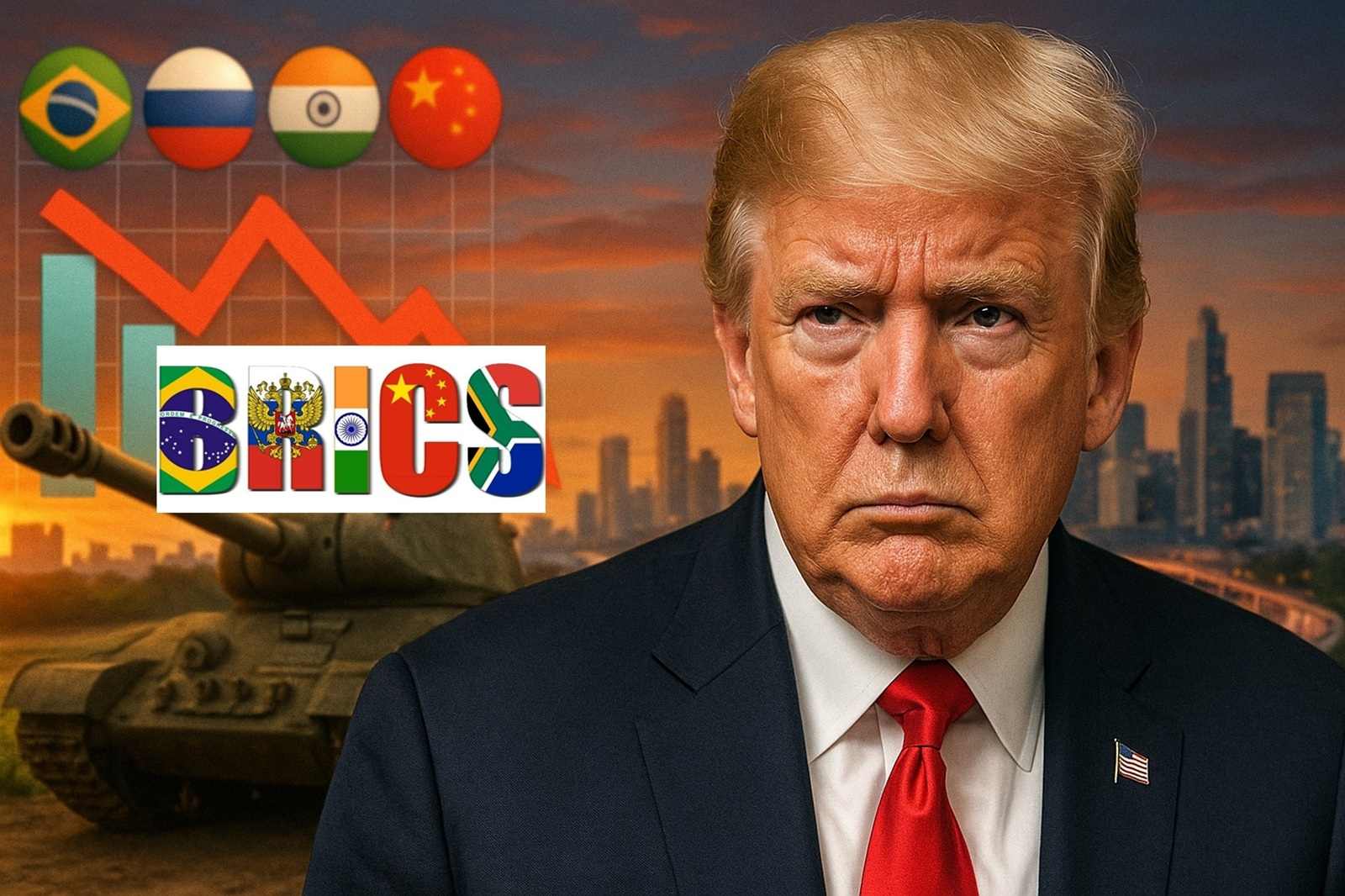
Donald Trump Tries To Contain The Expansion Of The BRICS, But The Block Advances On Strategic Sectors Of The Global Economy. With New Members And Decisive Energy And Mineral Resources, The Group Attracts Interest Even From Countries Traditionally Aligned With The United States, Threatening The Hegemony Built By Washington Over The 20th Century.
The Rise Of The BRICS Group Has Been Interpreted By Donald Trump As A Direct Threat To The Global Leadership Of The United States.
The Block, Initially Formed By Brazil, Russia, India, And China In 2006 And Expanded With The Entry Of South Africa In 2010, Seeks To Reduce Dependence On The Dollar And Create Alternative Financial Mechanisms, Such As The Use Of Local Currencies And The Development Of Its Own Bank To Finance Projects.
For Trump, This Movement Represents A Concrete Risk To American Economic Hegemony.
-
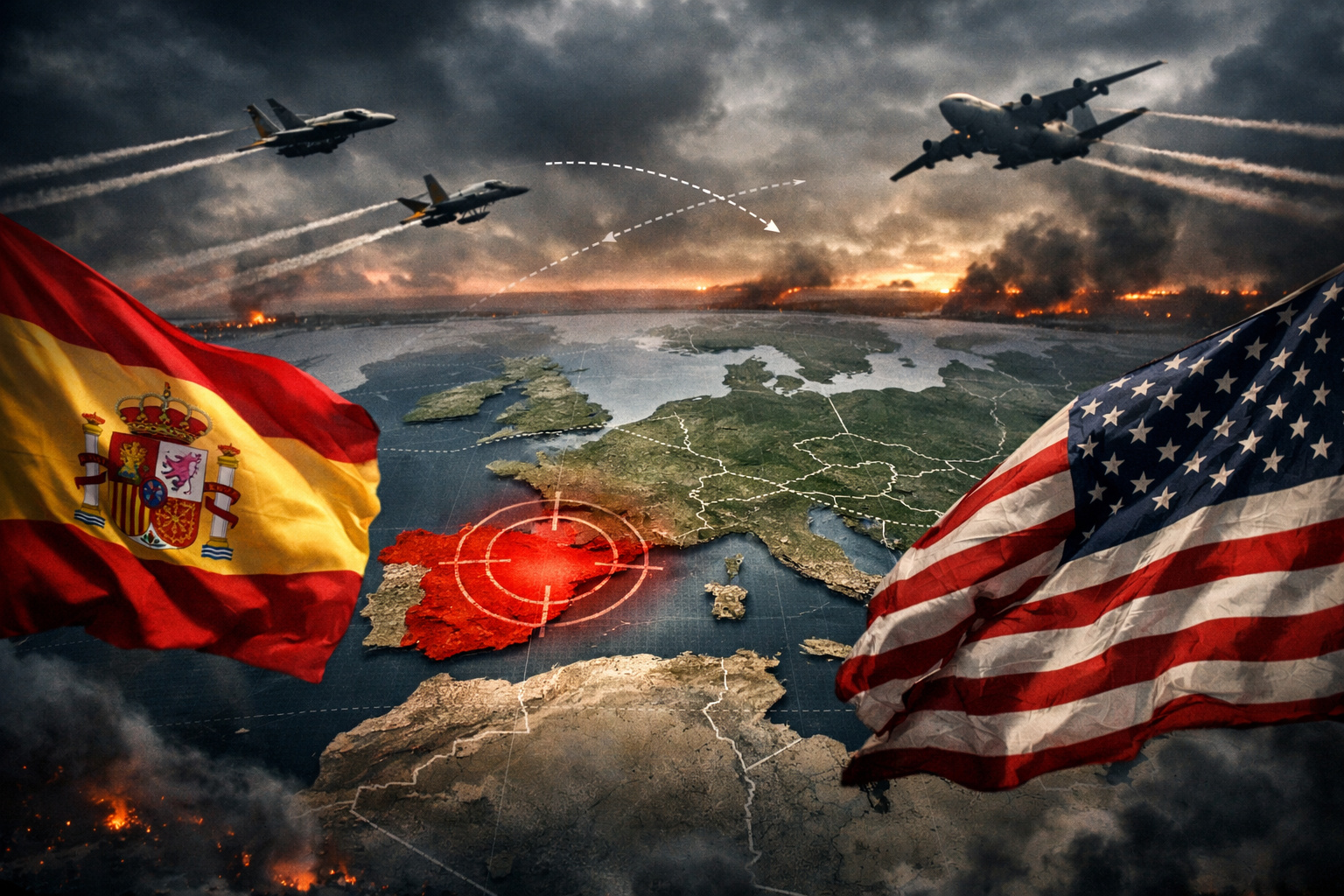
Spain challenges the USA and closes its airspace for operations against Iran, raising global tension and provoking the threat of a trade rupture.
-
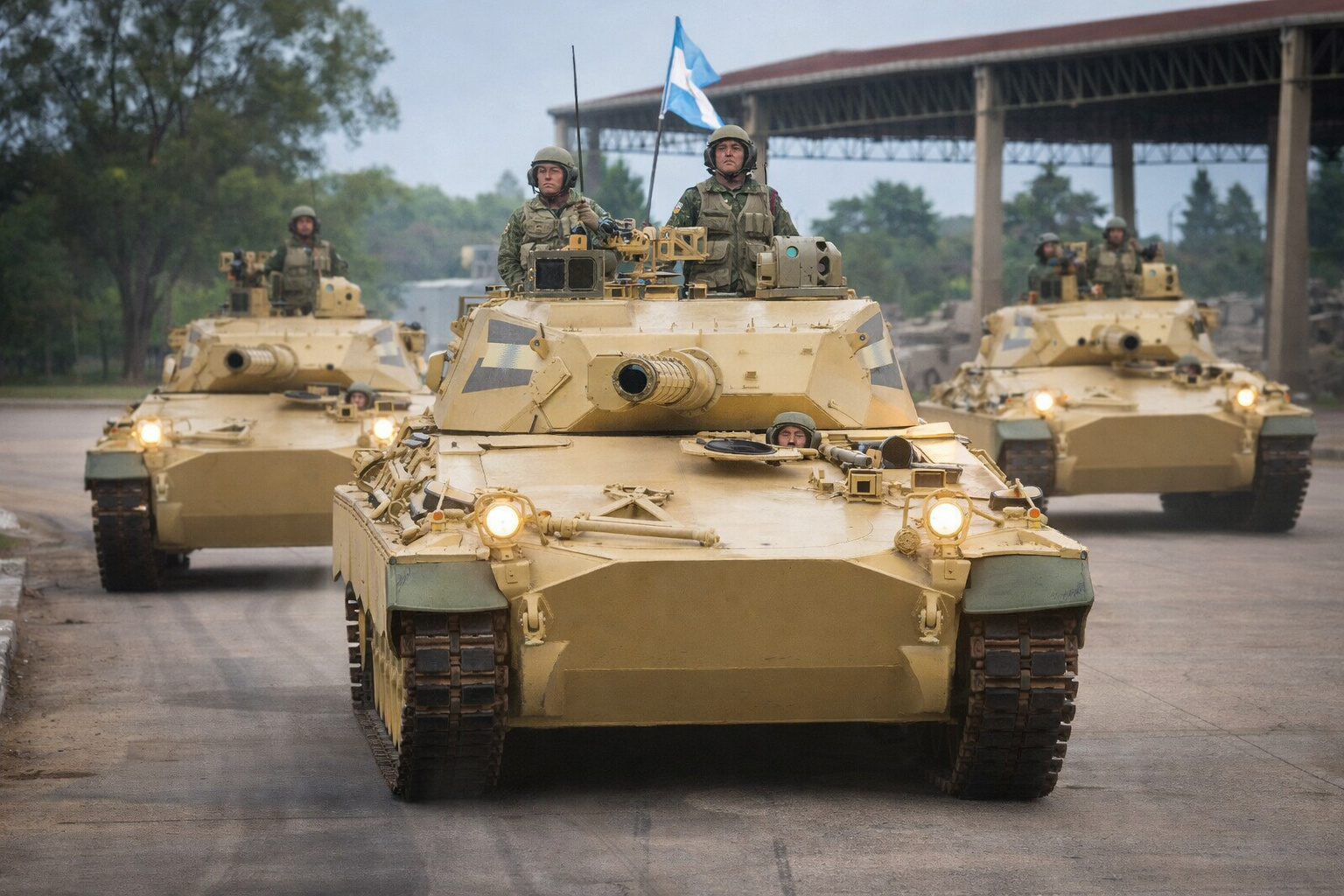
While no other country manufactures tanks in Latin America, Argentina activates the TAM 2C-A2 and raises a curiosity about the technological lag in the region.
-
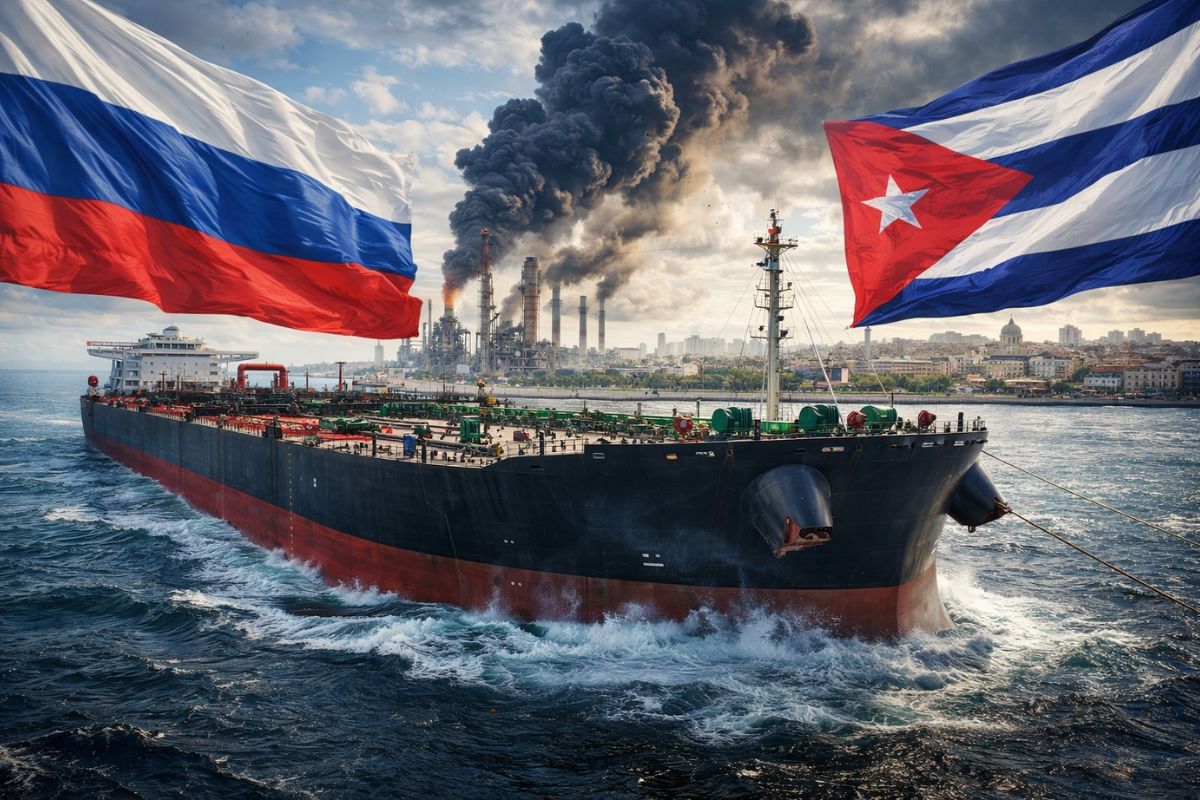
A Russian ship with 730,000 barrels of oil has just arrived in Cuba while Mexico negotiates fuel sales through private companies: the communist island is desperately seeking alternatives after losing its supply from Venezuela due to American military action.
-
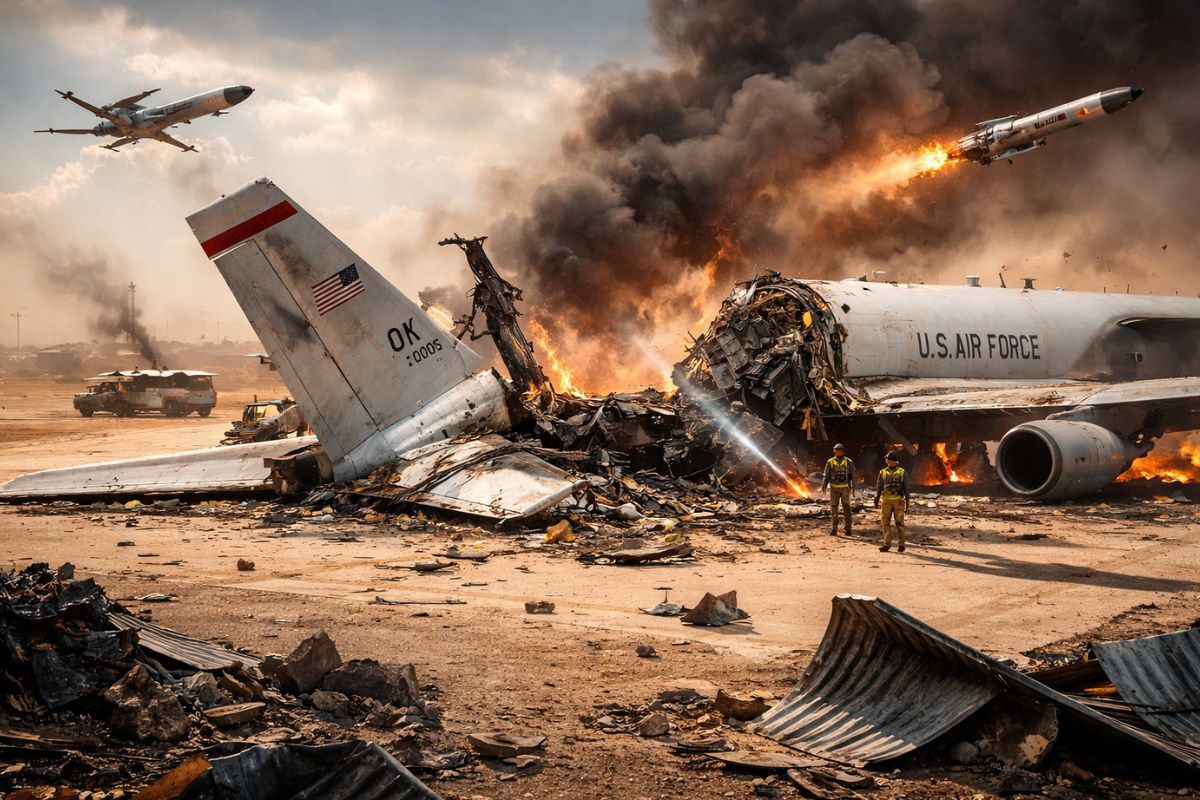
Iranian drones and missiles destroyed a 270 million dollar American spy plane in Saudi Arabia, splitting the E-3 Sentry aircraft in half and injuring 12 military personnel in an attack that exposes the vulnerability of U.S. bases in the Persian Gulf.

The Impact Of The “America First” Policy On The Global System
Trump’s Vision Is Aligned With His Foreign Policy Of “America First,” Which Rejects Multilateral Structures And Favors Unilateral Actions To Defend U.S. Interests.
In This Logic, Any Attempt To Increase The Bargaining Power Of Strategic Rivals Must Be Contained. China And Russia, Both Members Of The BRICS, Are Among The Main Adversaries Mentioned By Trump In His Speeches.
The Strengthening Of The Block Could, In His Assessment, Reduce U.S. Influence Over Monetary And Trade Policies In Various Regions Of The World.
Trump’s Discourse Has Translated Into Practical Actions, Such As Trade Pressures And Threats Of Sanctions. He Has Even Mentioned The Possibility Of Imposing An Additional 10% Tariff On Countries That Approach The BRICS, Although This Measure Has Not Yet Been Implemented.
The Strategy Aims To Undermine The Group’s Internal Cohesion And Prevent It From Consolidating A Multipolar Order That Replaces The Global Structure Led By Washington.
The Evolution And Strengthening Of The BRICS In The International Scenario
The BRICS Was Created With The Aim Of Building A Global Order Based On Consensus, Solidarity, And Mutual Benefits.
According To Then Indian Prime Minister Manmohan Singh In 2009, The Group Shared A Vision Of Inclusive Growth And Global Prosperity, Advocating For A Stable And Predictable Order Based On Rules.
The Strength Of The BRICS Derives Not Only From Its Economic Weight But Also From The Territorial And Population Extent Of Its Members.
In 2012, The Countries Signed The Delhi Declaration, Which Expressed Common Concerns About Food And Energy Security, Terrorism, And Climate Change.
The Following Year, They Created The New Development Bank, Designed To Reform The International Financial Architecture After The 2008 Crisis And To Finance Infrastructure And Sustainable Development Projects In Emerging Countries.
This Institution Has Begun To Compete With Traditional Western Organizations, Such As The World Bank And The International Monetary Fund (IMF).
Recent Expansion And New Levels Of Influence
The Relevance Of The BRICS Has Significantly Increased With Its Recent Expansion. In 2024, Egypt, Ethiopia, Iran, Saudi Arabia, And The United Arab Emirates Were Incorporated Into The Group, While Indonesia Is Expected To Join In 2025.
Argentina Had Also Agreed To Join In 2024 But Withdrew After The Election Of President Javier Milei, Aligned With The U.S.
With This Expansion, The BRICS’s Share Of Global GDP Rose To 39% In 2023.
The Members Now Represent 48.5% Of The World Population And Occupy 36% Of The Total Land Area Of The Planet. Additionally, They Account For 72% Of Rare Earth Mineral Reserves, 43.6% Of Global Oil Production, 36% Of Natural Gas Production, And 78.2% Of Coal Production.
These Figures Highlight The Group’s Position As An Economic And Diplomatic Power That, Since 2019, Has Been Surpassing The Aggregate Performance Of G7 Countries.
BRICS As A Strategic Alternative For New Members
For Supporters Of The Block, Joining The BRICS Offers Countries An Opportunity To Expand Their Trade And Diplomatic Capacity, As Well As To Protect Themselves Against Possible Instabilities Caused By American Foreign Policies.
Members Of The Block Have Sought To Coordinate National Policies And Align Positions In International Forums, Meeting Alongside Summits Of The UN General Assembly, The IMF, The World Bank, And The G20.
However, There Are Risks Associated With This Choice. A Perception Of Break With Traditional Western Alliance Systems May Lead To A Reduction In Investments And International Aid.
Despite This, Most Of The BRICS Partners, With The Exception Of Russia And Iran, Maintain Friendly Or Neutral Relations With Western Countries.
It Is Unlikely That These States Will Support Openly Hostile Measures Against Western Interests, Which Mitigates Some Of The Concerns.
New Zealand’s Position In The Face Of The New International Order
The Changes In The Global Order, Accelerated By Donald Trump’s Isolationist Policies, Force Smaller Countries To Reconsider Their External Strategies.
New Zealand, For Example, Has Been Seeking To Protect Its Interests In The Face Of The Redistribution Of Economic And Diplomatic Power Towards Asia And The Indo-Pacific, Regions That Already Represent The Largest Economic And Military Hub On The Planet.
It Is Not Yet Defined Whether New Zealand Aims To Apply For Membership In The BRICS, But The Topic Has Gained Relevance. Information Released By The Conversation.
The Country Is Already Participating In The Asian Infrastructure Investment Bank, Designed By China, And Signed A Free Trade Agreement With Beijing In 2008 Without Suffering Negative Consequences.
This Demonstrates That Partnerships With Emerging Powers Do Not Necessarily Imply A Break From Traditional Alliances.
Procedures And Implications Of Possible Membership
New Members Can Be Invited Or Submit A Formal Application For Membership, To Be Evaluated At The Annual BRICS Summit.
There Is Also The Possibility Of Becoming A Partner Country, Equivalent To An Observer Status, Which Allows Participation In Special Summits And Ministerial Meetings, In Addition To Contributing With Documents And Political Declarations.
However, Partners Cannot Host Meetings Or Select New Members.
If New Zealand Opted To Join, It Would Not Need To Leave Other Multilateral Organizations.
Participation In The BRICS Would Function As A Complement, Expanding Its Alliance Network And Increasing Its Diplomatic Operating Margin In A Context Of Growing Weight Of Asia And The Indo-Pacific.
This Flexibility Makes The Block Attractive For Countries Seeking To Diversify Relations Without Breaking Existing Structures.
Trump’s Attempt To Contain The Advancement Of The BRICS
Donald Trump’s Initiatives To Curb The Advancement Of The BRICS Illustrate The U.S. Concern Over The Emergence Of Alternative Power Poles.
By Attacking Free Trade, International Organizations, And Multilateral Treaties, Trump Contributed To Accelerate The Search For Alternatives By Emerging Economies.
The Confrontational Rhetoric And The Threat Of Additional Tariffs Reinforce This Perception Of Risk, Even Without Concrete Implementation So Far.
Trump’s Strategy Reflects The Fear That The Rise Of The BRICS May Diminish The Centrality Of The Dollar In The Global Financial System And Weaken The Capacity Of The U.S. To Impose Sanctions, Control Trade Flows, And Influence The Economic Policies Of Other Countries.
The Strengthening Of The Block, In Turn, Evidences That The International Order Is Undergoing A Redistribution Of Power That Challenges The American Supremacy Built Over The 20th Century.
A Scenario Of Reconfiguration Of Global Power
The Current Geopolitical Configuration Shows That The BRICS Has Become A Significant Actor, With Strategic Natural Resources, Industrial Capacity, And Increasing Diplomatic Influence.
Donald Trump’s Attempt To Disarticulate The Block Reveals Concern Over The Erosion Of U.S. Hegemony And The Emergence Of A Multipolar Order.
In This Context, Countries Like New Zealand Cautiously Evaluate The Available Options, Seeking To Protect Their Interests And Expand Their Trade And Diplomatic Opportunities.
The Trajectory Of The BRICS And Trump’s Stance Indicate That The Competition For Global Influence Is Likely To Intensify In The Coming Years, Redefining Alliances And Redrawing The Centers Of International Power.






-

Uma pessoa reagiu a isso.