





 Portuguese
  English
  Spanish
  4 min of reading
  0 comments



Research Highlights Impact of Inflation on the Brazilian Plate, with Cuts in Items Such as Meat, Milk, Fruits, and Vegetables, Especially Among Low-Income Families
The rise in prices has transformed the daily life of millions of Brazilians. Recent data from the Datafolha Institute shows a worrying scenario: 58% of the population has reduced the purchase of basic food items due to inflation. The situation is even more critical among the poorest, where this number reaches 67%. The impact directly affects the Brazilian plate and also forces changes in various consumption habits.
Food Affected Due to Inflation
Inflation has hit essential foods hard. According to the survey, 58% of respondents stated they are buying fewer basic items.
Among low-income Brazilians, this percentage rises to 67%. The attempt to keep the budget manageable has led many families to cut even necessities.
-
End of the 6×1 schedule: how the reduction of hours can affect service companies, industry, and agribusiness.

-
Brazil Ignores Trump’s threats to BRICS, Buys 42 tons of gold and reduces the Dollar’s share by 6.45% in international reserves.

-
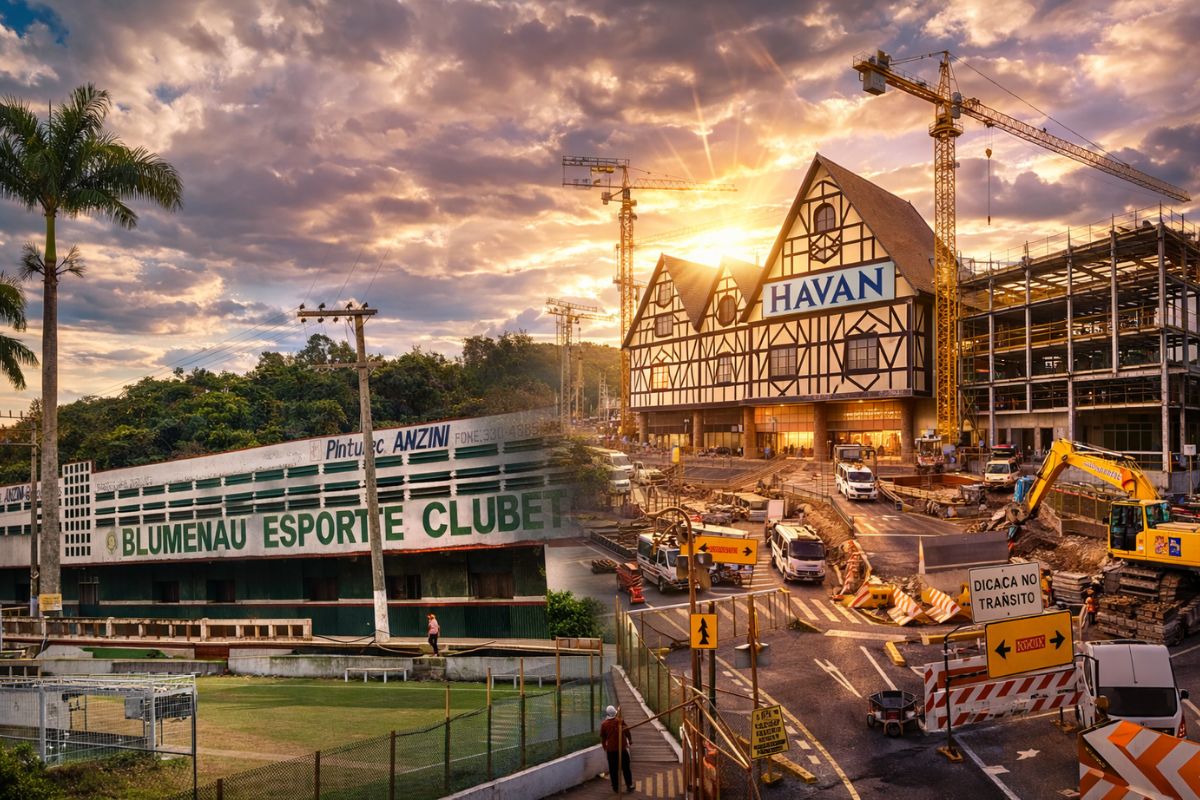
Havan buys historic football land in Blumenau for a million-dollar amount protected by a confidentiality clause and is already planning to change even the layout of streets to build a megastore in half-timbered style costing 80 million reais.
-
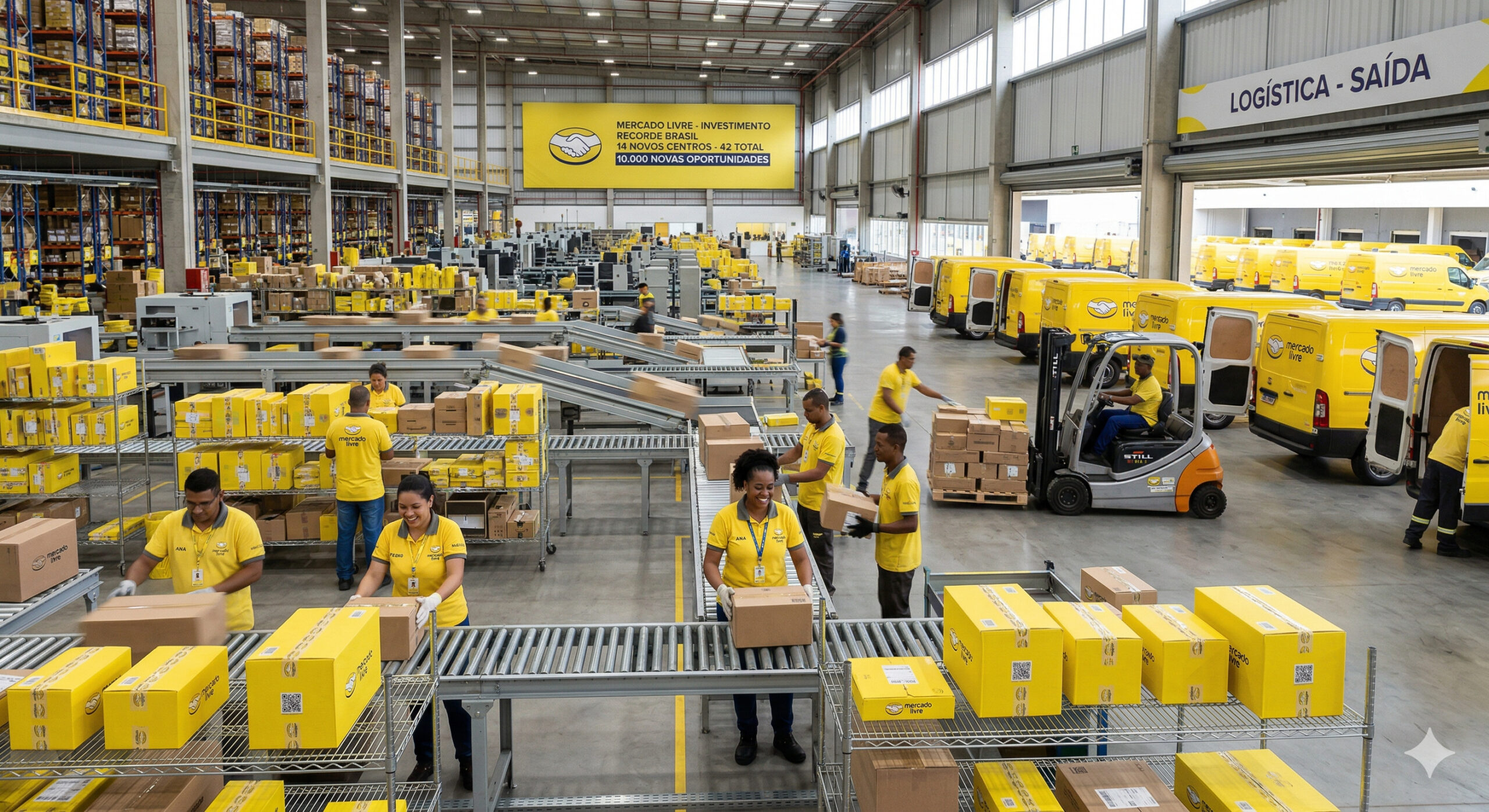
Mercado Livre “opens the vault” and announces a record investment of R$ 57 billion in Brazil in 2026, a value 50% higher than the previous year, with an expansion plan that includes 14 new logistics centers, totaling 42 units in the country and hiring an additional 10,000 employees.

The study also shows that one quarter of the Brazilian population has less food than needed. Meanwhile, 60% claim to have enough food, and 13% say they have more than necessary. The difference between these groups highlights the inequality in access to food.
Changing Habits
The research revealed that the effects of inflation are not restricted to food. How Brazilians consume has changed in various areas. The survey shows that 61% of the population has stopped going out to eat as frequently. Visits to bars and restaurants have become less common.
Another important piece of data is the shift in brands. Half of Brazilians have started opting for cheaper versions of everyday products, such as coffee. Cuts in expenses have also reached basic services: 50% have reduced their consumption of water, electricity, and gas.
Alcohol consumption has also decreased, with 49% of respondents saying they have started buying less. Even medications made it onto the list of affected items, with 36% of Brazilians reporting a reduction in purchases. These choices reflect the burden inflation has placed on family budgets.
Opinion on the Government
The Datafolha also investigated how the population perceives the government’s responsibility in the current economic situation. For 54% of Brazilians, the Lula government has “a lot of responsibility” for the rise in food prices.
Meanwhile, 29% believe the government has “some” of the blame, and 14% say the Federal Government has no responsibility.
These data reflect the dissatisfaction of a large part of the population in light of the economic scenario. Although the causes of inflation are varied, the survey shows that many Brazilians associate the problem with federal management.
Profile of the Survey
The Datafolha survey was conducted between April 1st and 3rd, 2025. In total, 3,054 people were interviewed across 172 municipalities in all regions of Brazil. The margin of error is 2 percentage points, plus or minus.
The institute had previously conducted a similar survey in March 2023. The new data shows that the pressure of inflation on Brazilian households persists, even two years after the last study.
Impacts of Inflation: Forced Adaptation
The reality depicted by the survey shows a country in forced adaptation. Cuts in leisure, brand substitutions, and reductions in the consumption of essential items have become common strategies. Brazilians are trying to adapt as best as they can to a scenario of high prices.
More than just one-time adjustments, these changes reveal a routine transformed by necessity. Consumption has ceased to be a choice and has become a matter of survival.
Alert About Food Insecurity
The finding that 25% of the population has less food than necessary is one of the most concerning data from the survey.
This means that one in every four Brazilians is living with severe restrictions on access to food. This data highlights that inflation is impacting not only finances but also the nutrition of the population.
Food insecurity has become part of the reality for millions of families. In many households, daily decisions revolve around how to make the little money last until the end of the month.
Reflections of the Crisis
Brazil is facing a period of economic challenges. Inflation, especially in the food sector, has been altering behaviors, requiring sacrifices, and generating frustrations. Even essential services, such as energy and medications, have become targets for cuts.
The Datafolha survey exposes this reality. It shows that the population is facing a real and daily squeeze. The finding that half of the respondents reduced their use of electricity, water, and gas illustrates how inflation affects daily life.
The reduction in the consumption of medications, reported by 36% of people, serves as another warning about the effects of the economic scenario on health.
Constant Pressure of Inflation
The study indicates that the pressure of inflation remains strong. Despite some signs of relief in other sectors of the economy, the impact on food prices and basic services continues to be one of the main problems faced by the population.
The survey does not present forecasts or future trends but reinforces the need for solutions that alleviate the weight of inflation in the daily lives of Brazilians.
Among the respondents, 50% reported reducing their consumption of water, gas, and electricity. This number indicates that even essential services have had to be limited in the pursuit of savings. Inflation, in addition to altering habits, has redefined priorities and forced difficult choices in thousands of households throughout the country.
With information from Terra.







Seja o primeiro a reagir!