





 Portuguese
  English
  Spanish
  3 min of reading


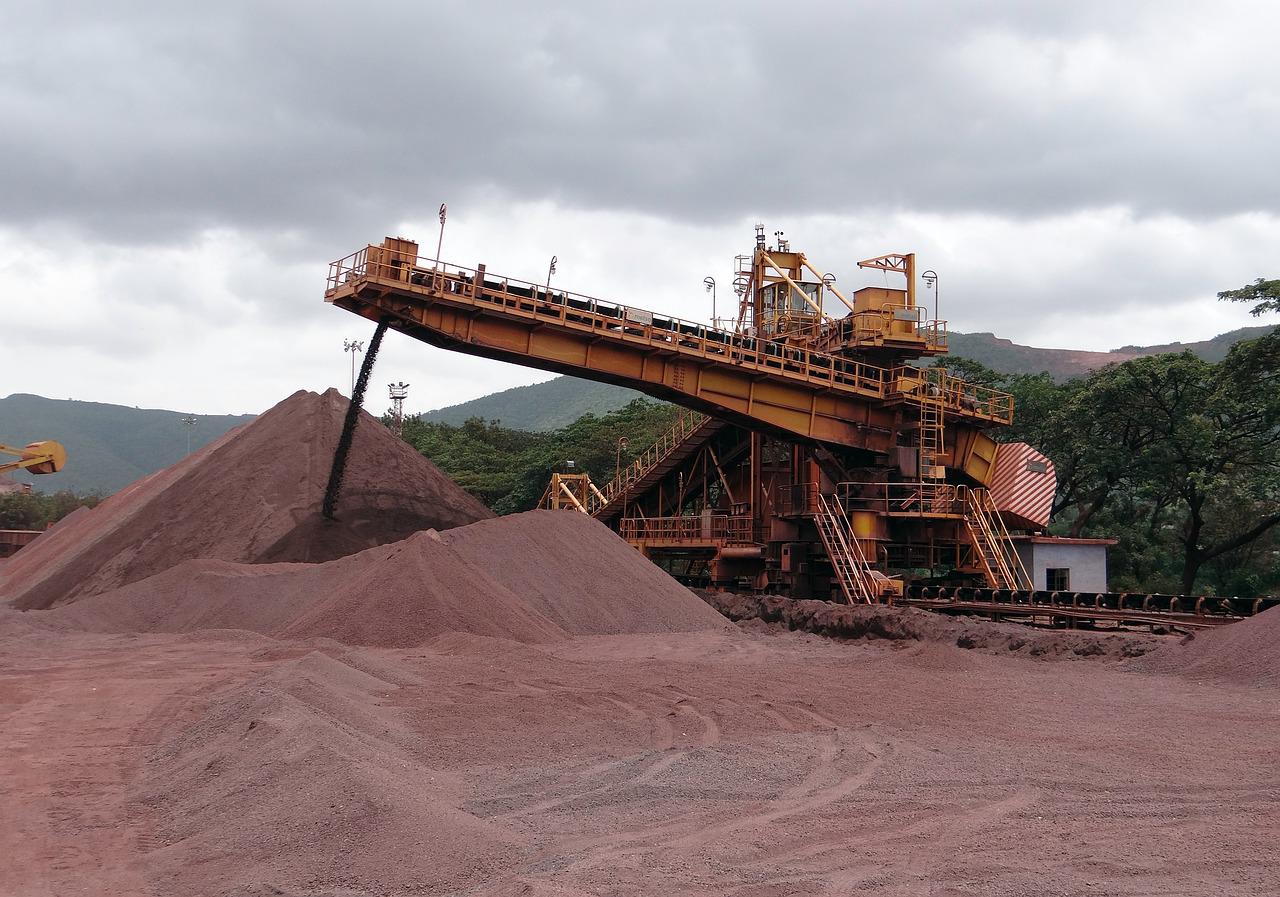
The Study of Vale for the Nickel Sulfate Project in Canada Targets Low Carbon and High Purity Products
The company Vale, the world’s largest producer of iron ore, iron ore pellets, and the second largest producer of nickel, manganese ore, ferroalloys, coal, copper, gold, silver, cobalt, potash, phosphates, and others, states that the pre-feasibility study for a nickel sulfate proposal in Quebec (Canada) has been completed.
According to the mining company, the strategic initiative to produce nickel sulfate in Canada emphasizes Vale’s focus on providing low carbon and high purity nickel products for the rising electric vehicle industry.
The project presented in Bécancour, Quebec, Canada – a country where Brazil will present business opportunities in the mining sector – would be the first domestically-produced nickel sulfate plant for the North American sector, boosting both current and future production of high-quality, low-carbon nickel from Vale’s global operations in Canada.
-
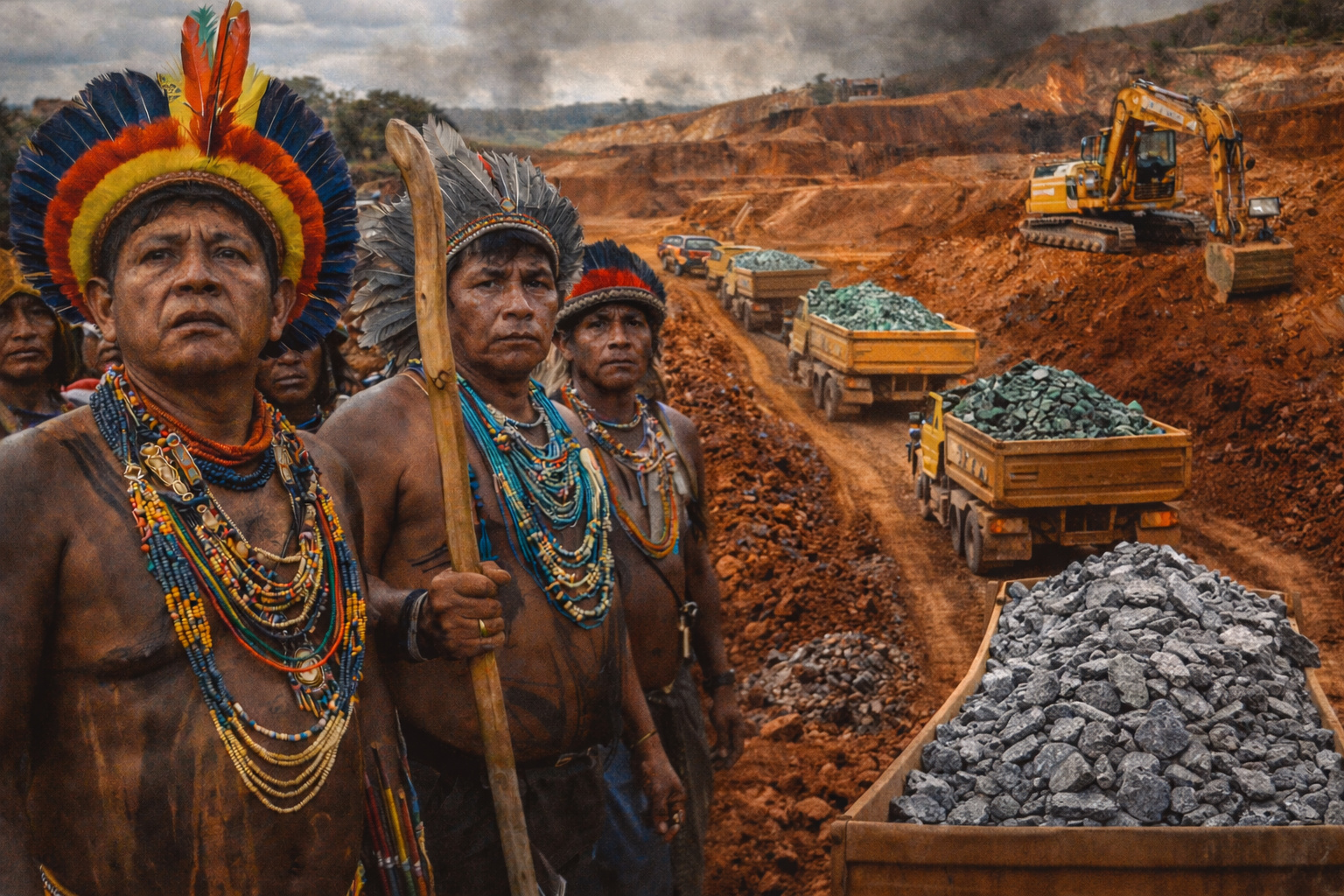
The exploration of rare earths, lithium, copper, tin, and other critical minerals has surged in the last five years, encroaching on 278 indigenous lands, and the mining boom raises alarms in Brazil.
-
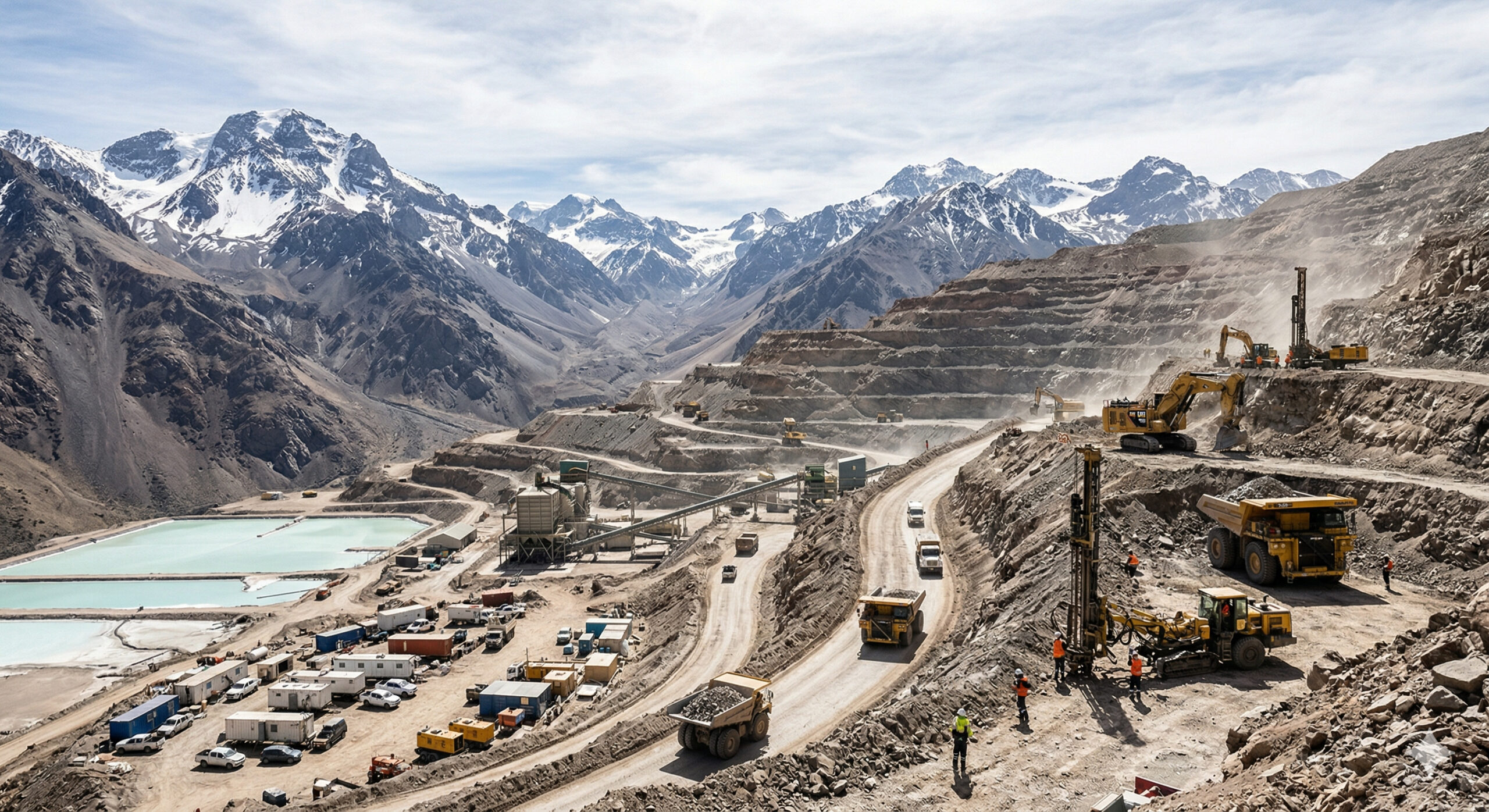
Under layers of ice that feed entire rivers, Argentina paves the way to explore copper, lithium, and gold in regions of extreme altitude and could unlock up to $165 billion in exports, placing one of the largest freshwater reserves in South America at the center of a new global mineral rush.
-
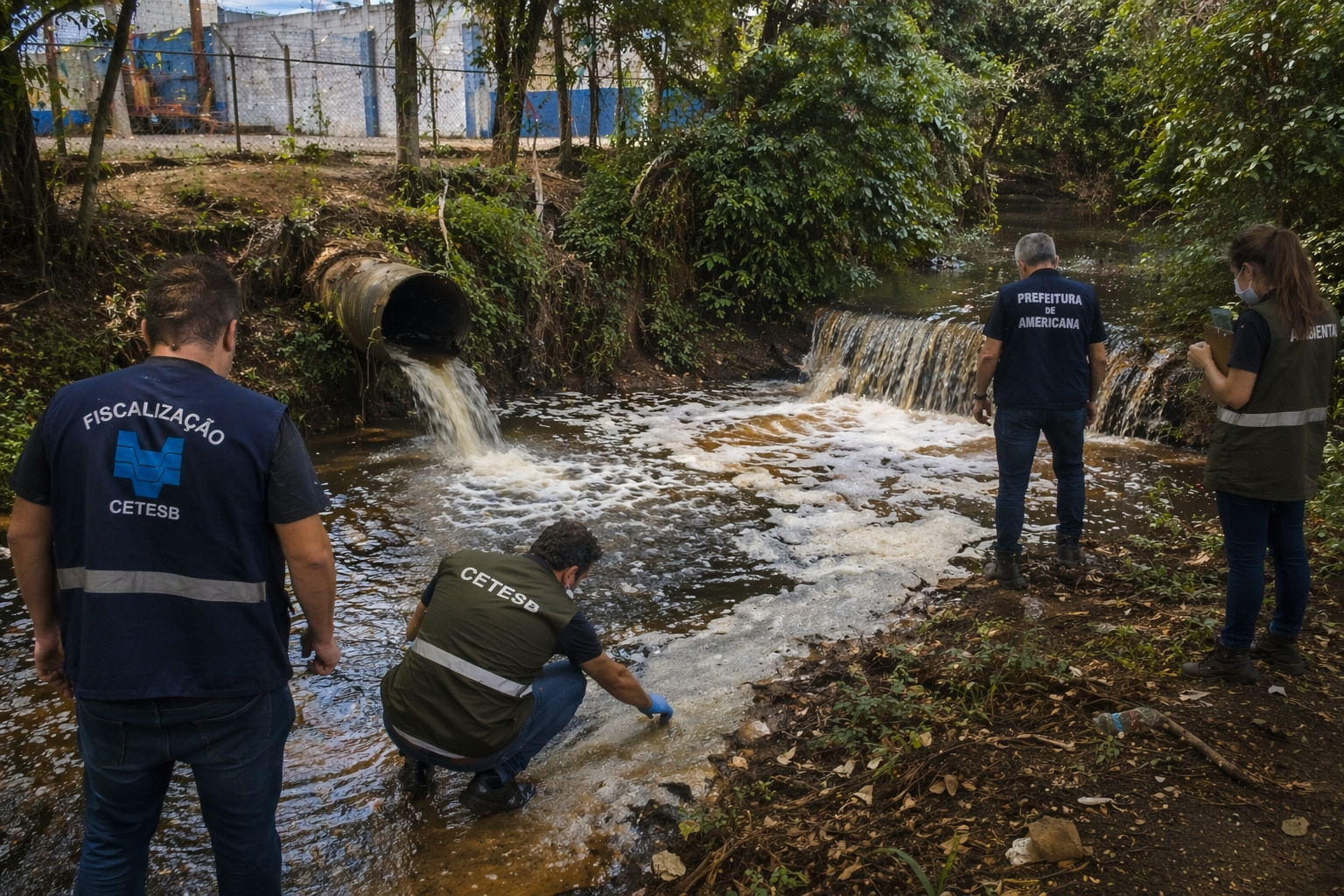
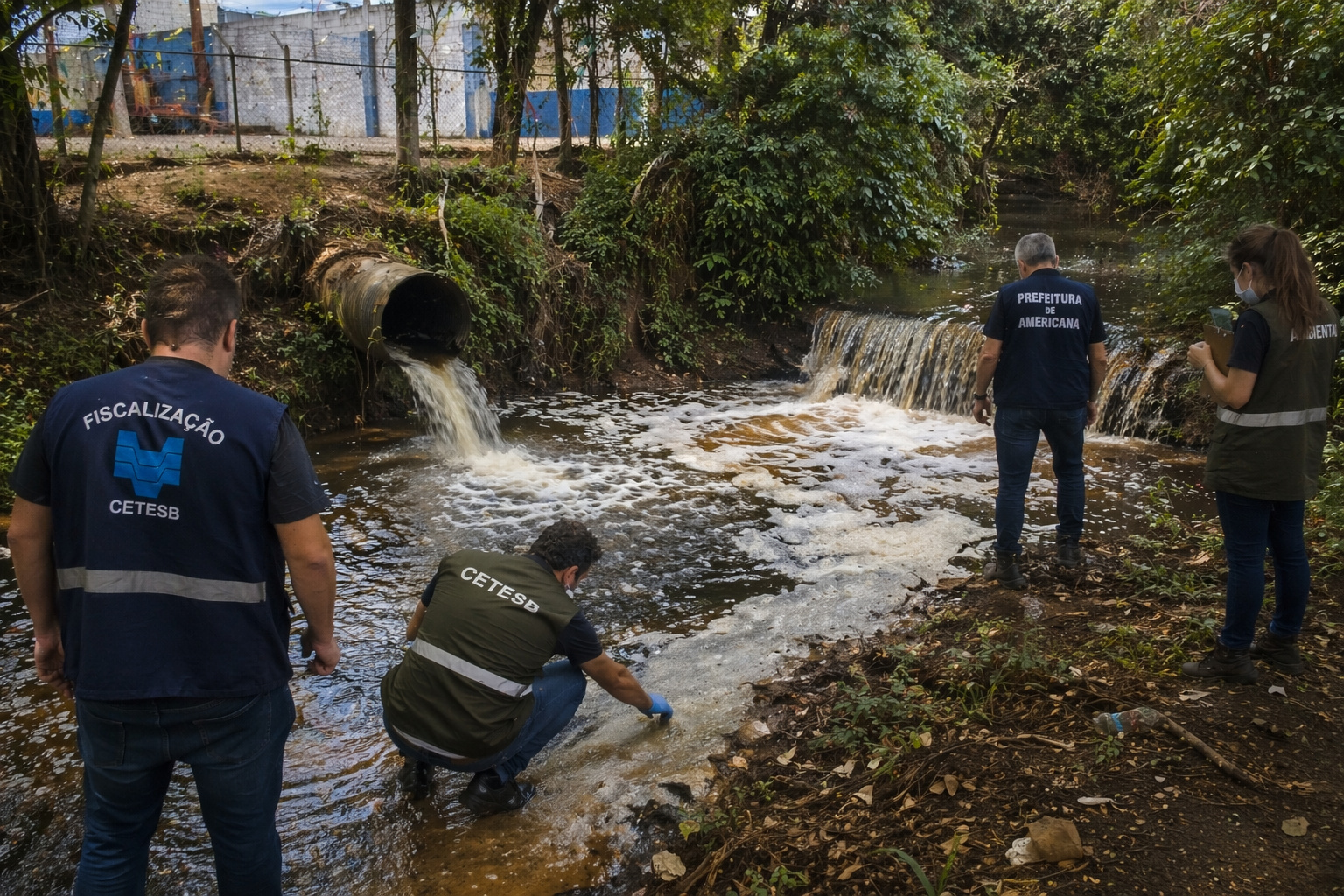
A fine of R$ 115 thousand places Goodyear at the center of an environmental case in Americana after oil and grease appeared in a stream and the company was required to act quickly.
-
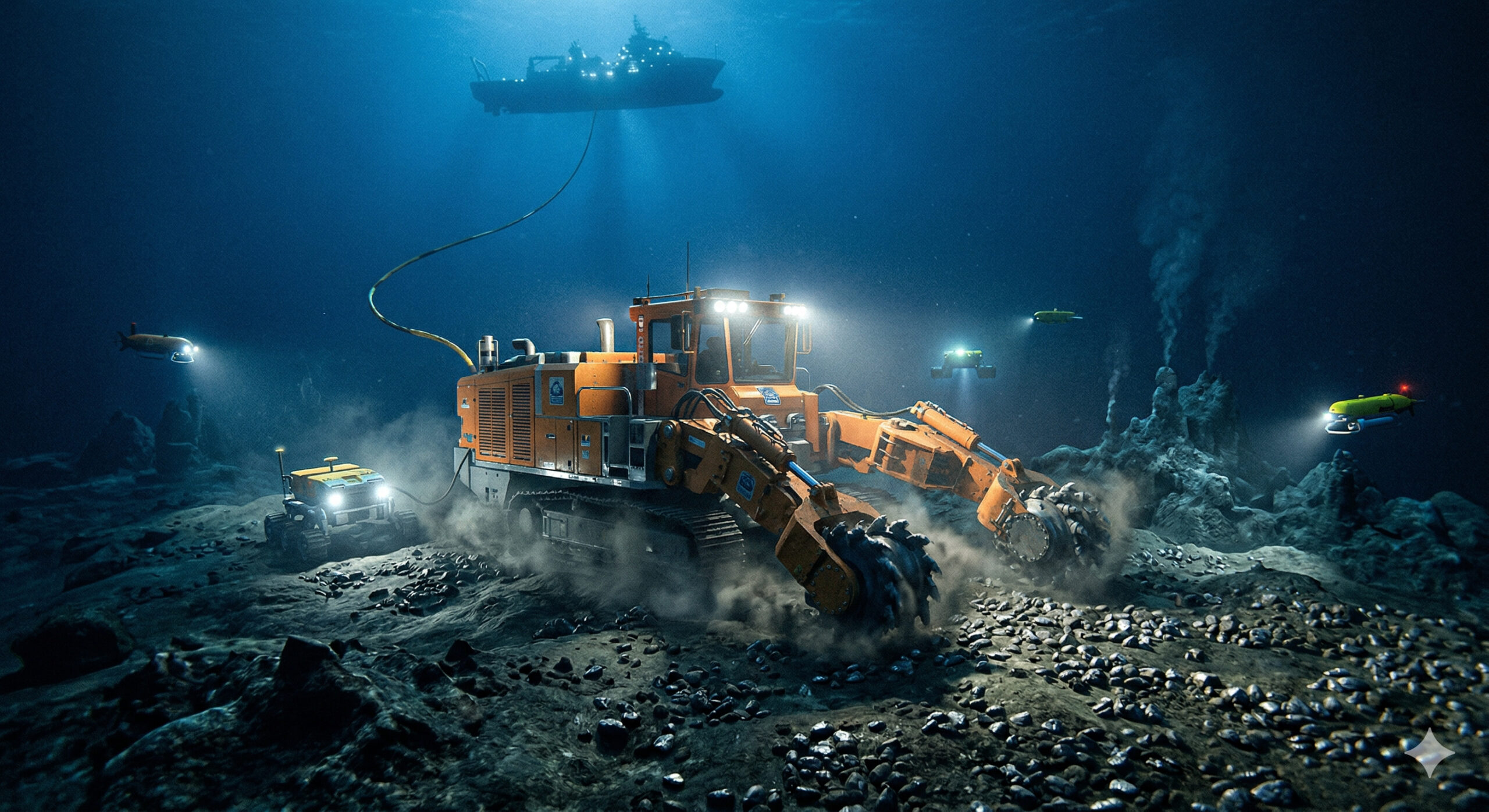
With nodules rich in nickel, copper, cobalt, and manganese scattered up to 6,000 meters deep, a $1 billion merger creates a giant in underwater mining and accelerates the global race for critical metals hidden on the ocean floor.
Vale Project Will Have an Annual Capacity of 25,000 Tons of Nickel Sulfate
In an important fact issued to the Securities and Exchange Commission (CVM), Vale – which recently launched a multimillion-dollar sustainability project – reports that based on the pre-feasibility studies, the nickel sulfate project in Canada would have an annual processing capacity of around 25,000 tons of nickel contained in nickel sulfate, which is the chemical compound used in the manufacture of precursors for nickel-based lithium-ion batteries.
The company also emphasizes that its final investment decision for the nickel sulfate study in Canada and the project timeline require certain factors, including battery supply chain integration and requirements, as well as approvals from the Board and regulatory bodies.
According to Vale’s Executive Vice President of Base Metals in Canada, Deshnee Naidoo, “This is an essential validation for a project that offers both sales diversification and an accelerated entry into the growing North American battery supply chain.”
“We hope to continue discussions with potential partners as well as with the government of Quebec and the government of Canada to realize this strategic project,” she concludes.
Vale Is Among the Top 10 Global Dividend Payers
Vale ranks as the 9th highest dividend payer to its shareholders globally in the first quarter of 2022. The ranking of corporations was published in the report by Janus Henderson, a British global asset management group based in London. This ranking has been done quarterly since 2009.
Below is the list of the 10 Best Dividend-Paying Companies in the World:
- BHP;
- Novartis;
- Maersk;
- Roche;
- Microsoft;
- Siemens;
- Exxon;
- AT&T;
- Vale;
- Apple.
As seen, the ranking is led by American companies, highlighting Vale’s relevance on this list, as it is not only the sole Brazilian company but also the only one chosen from emerging market countries.
And all of this happened in a not-so-benign scenario for Vale, as the mining company faced a challenging quarter in terms of results.
Prior to this, the company was impacted by seasonal issues due to summer storms in the first quarter, which halted its operations.
Alongside this, the company was also affected by macroeconomic factors. The extension of lockdowns in key steel-producing regions in China and the trend of economic slowdown in the Asian giant hampered the mining company’s performance.
As a result, the company experienced declines in key financial indicators, reporting a net income of US$ 4 billion between January and March 2022, representing a 19.6% decrease compared to the same period last year.
Net sales revenue also saw a downturn, falling to US$ 10.8 billion. Ebitda (earnings before interest, taxes, depreciation, and amortization) dropped 26.9%, going to US$ 6.2 billion, below the sector consensus, which aimed for around US$ 6.7 billion.




Seja o primeiro a reagir!