





 Portuguese
  English
  Spanish
  4 min of reading
  0 comments



The Condition Observed Mainly Among Frequent Cannabis Users Has Received a Specific Code in the International Classification of Diseases, Expanding Diagnostic, Monitoring, and Treatment Capacity in Hospitals Across Various Countries
Scientists from the University of Washington in the United States have issued a warning that is drawing the attention of the international medical community: the expansion of the so-called cannabinoid hyperemesis syndrome, a severe gastrointestinal disorder linked to the continuous consumption of cannabis. Although the topic has gained new discussions recently, the condition has been observed for years and has now been officially recognized by the World Health Organization (WHO), emphasizing the urgency of understanding its impacts.
As the recreational and medicinal use of cannabis grows worldwide, doctors are reporting more cases of patients arriving at emergency rooms with intense abdominal pain, extreme nausea, and persistent vomiting. Despite this, the phenomenon still intrigues specialists, as it affects only a portion of regular users. This information was reported by the website StatPearls, which compiles clinical studies and scientific reviews widely used by health professionals.
What Has Science Discovered About Cannabinoid Hyperemesis Syndrome?
According to researchers, the syndrome is directly linked to the frequent and prolonged use of cannabis, although the exact mechanisms are still not fully understood. The condition is marked by repeated episodes of intense vomiting, acute abdominal pain, and prolonged nausea that can last for several days. In many cases, symptoms return several times a year, creating a debilitating cycle for the patient.
-
Instead of buying new electric trucks, India is removing the diesel engines from old vehicles and installing electric propulsion for 40% of the price, and this simple idea could be the solution that polluted megacities around the world have been waiting for.

-
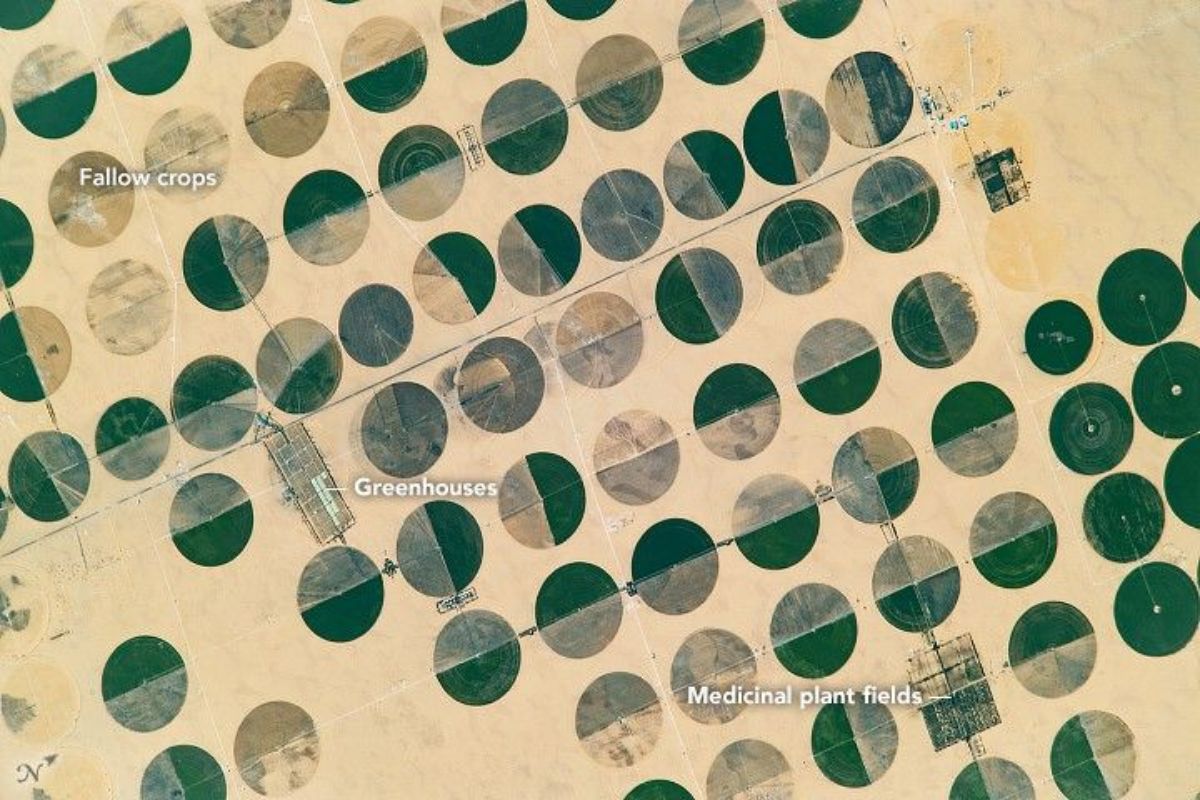
Circles in the Sahara plantations: ISS reveals Sharq El Owainat, in Egypt, irrigated by a center pivot with water from the Nubian Sandstone Aquifer, growing between 1998 and 2019, 290 km from the nearest city.
-
40% still call it a fraud: Soviets monitored Apollo, mirrors on the Moon still return lasers today and rocks confirm it; in 2026, 4 astronauts will return to lunar orbit and the race restarts against China.

-
New list shows over 50 cell phones compatible with Starlink without an antenna: direct connection to satellites in low orbit, coverage in areas without signal, initial support for SMS and emergencies, and forecast for global mobile internet.

One of the most curious signs, according to studies cited by StatPearls, is that many patients report temporary relief from taking very hot baths, suggesting a possible link between the nervous system and the cumulative effects of the substance in the body. Additionally, symptoms often emerge a few hours or even a day after the last use of the plant. However, despite appearing to follow a pattern, these signs are not sufficient to predict who will develop the syndrome, as most frequent users never exhibit the condition.
Another crucial point highlighted by scientists is that the only proven way to stop the episodes is to completely cease cannabis use. This reality complicates treatment, especially when it involves patients who use the substance for therapeutic purposes and believe it alleviates rather than exacerbates symptoms like nausea.
International Recognition Facilitates Tracking Cases and Understanding Disease Patterns
On October 1, 2025, cannabinoid hyperemesis syndrome received a specific code in the International Classification of Diseases (ICD), R11.16. This inclusion allows hospitals, clinics, and research centers to register cases in a standardized manner, something that was not possible before due to the lack of specific categorization.
Researchers from the University of Washington emphasize that records were scattered and made real monitoring of the condition difficult. However, with the new code, doctors will be able to map the incidence more accurately, identify geographic or social patterns, and better understand who is more vulnerable to the disorder. While the association between continuous cannabis use and the emergence of the syndrome is evident, there are still no clinical explanations for why some users develop severe crises while others never show symptoms.
Furthermore, the recognition of the condition by the WHO reinforces the importance of awareness campaigns, especially in countries where cannabis is used for medicinal or recreational purposes.
Repeated Crises and Treatment Limitations Increase Challenges for Doctors and Patients

Cannabinoid hyperemesis syndrome often evolves in cycles that can occur up to four times a year. This pattern causes significant physical and emotional strain, as the crises are extremely painful and often require emergency care. Ironically, while cannabis is used to treat nausea and vomiting in patients with cancer, HIV, and other conditions, the syndrome acts in the opposite direction, generating intense episodes that can lead to dehydration and prolonged hospitalizations.
Treatment also presents obstacles, as traditional anti-nausea medications do not always work. Therefore, doctors often turn to alternatives like Haldol, an antipsychotic known for reducing severe nausea, or capsaicin creams, which create a warming sensation on the skin and relieve some abdominal pain. However, these approaches provide only temporary control, without addressing the underlying cause of the problem.
Another challenge reported by specialists is the reluctance of many patients to accept the diagnosis, especially those who use cannabis therapeutically. Believing that the substance helps control symptoms like anxiety or chronic pain, many do not associate their severe vomiting episodes with cannabis consumption. This complicates the cessation of use — considered the only effective way to permanently stop the crises.
In the current scenario, doctors advocate that awareness is essential to reduce severe cases and emphasize that cannabis, despite being widely used, can trigger unexpected effects when consumed continuously and without professional supervision.
Source: Xataka








-

-

-

3 pessoas reagiram a isso.