





 Portuguese
  English
  Spanish
 3 min of reading
  0 comments


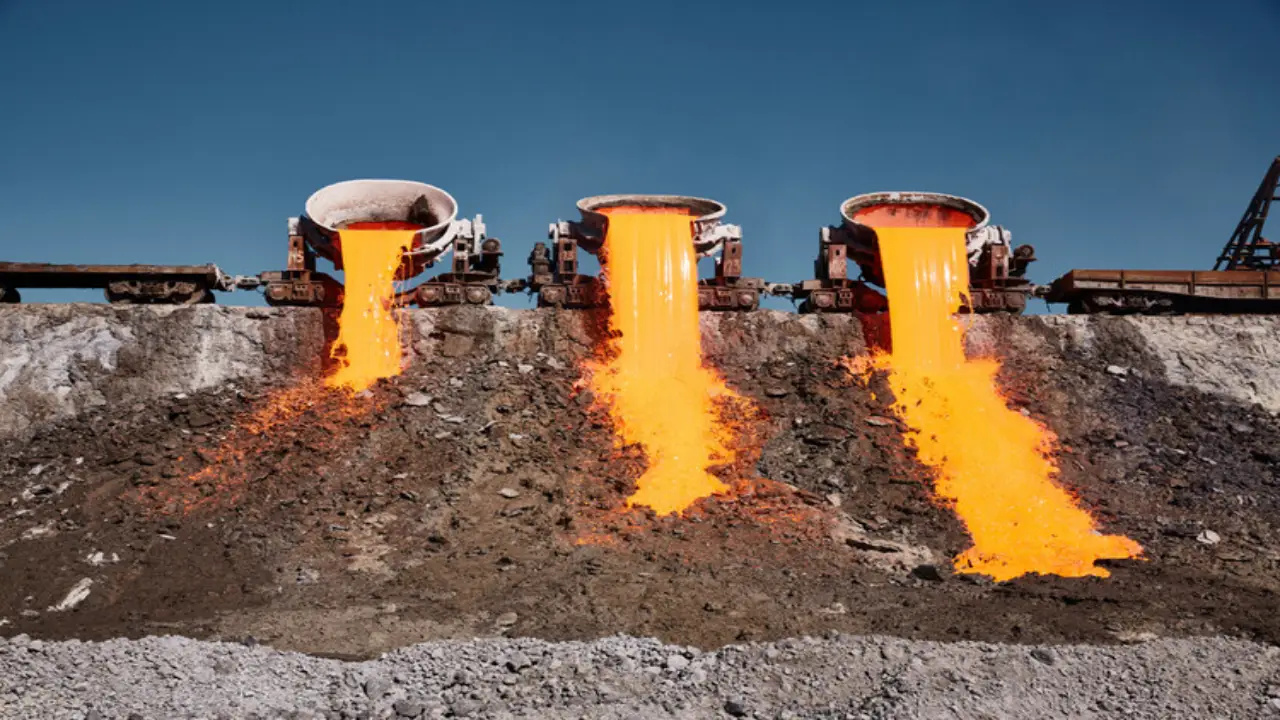
Discover How UFC Researchers Are Developing Alkali-Activated Cement from Steelmaking Waste, Driving the Sustainable Construction Revolution in Brazil!
In Ceará, researchers from the Federal University (UFC) have found a solution that combines sustainability, the environment, and innovation: transforming waste from the steel industry and thermoelectric plants into an eco-friendly cement. The production of the famous Portland cement accounts for about 5% to 8% of global CO₂ emissions, releasing approximately 0.89 tons of CO₂ for every ton produced and promises to revolutionize the construction industry in Brazil.
How a Researcher from Pecém Is Transforming Industrial Waste into Sustainable Cement
On the campus of the Pecém Complex, researcher Heloina Nogueira da Costa took advantage of BOF slag (steel industry waste) and ash from the thermoelectric plant to create alkali-activated cement, which can be as efficient as traditional cement but with carbon emissions reduced by up to 80%.
Under the guidance of professors Ricardo Emílio Nogueira and Eduardo Cabral, Heloina mixed BOF slag with ash (both fly and bottom), added solutions of silicate and sodium hydroxide. The result? A powerful binder, with behavior similar to Portland cement, but much greener and more functional. In addition to obtaining a patent for UFC (the 44th), it began to be applied in hollow blocks, cobogós, facade items, and even lightweight structures.
-
Historic bankruptcy of Centauro shocks the market, and the century-old company puts more than 500,000 products, machines, and complete infrastructure up for online auction.
-
New shoe factory in Ceará is expected to create 400 jobs and strengthen the local economy.
-
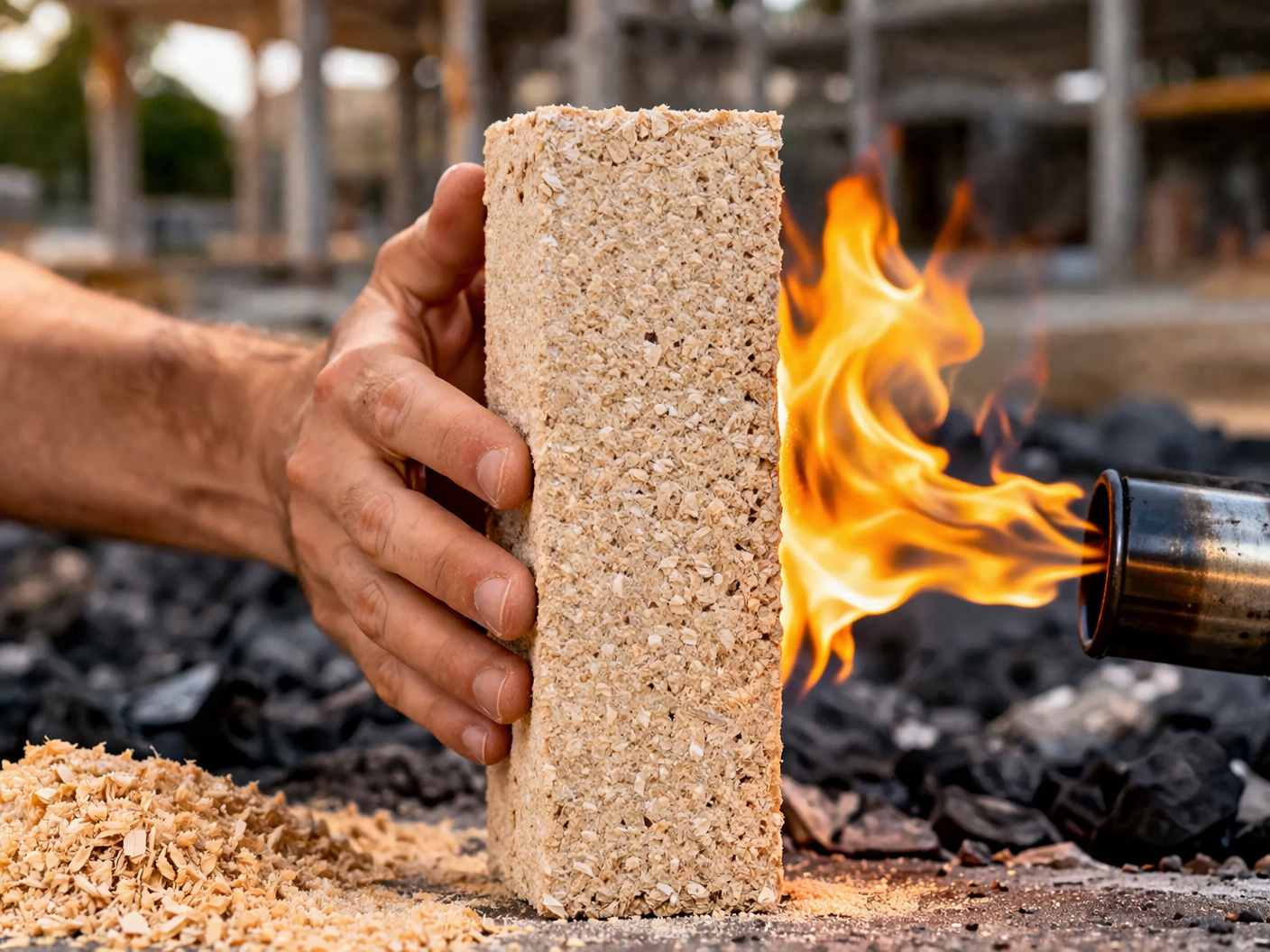
No one imagined it, but a mixture of sawdust with a mineral that fights fires surprises scientists with a result that changes the course of fire-resistant construction.
-
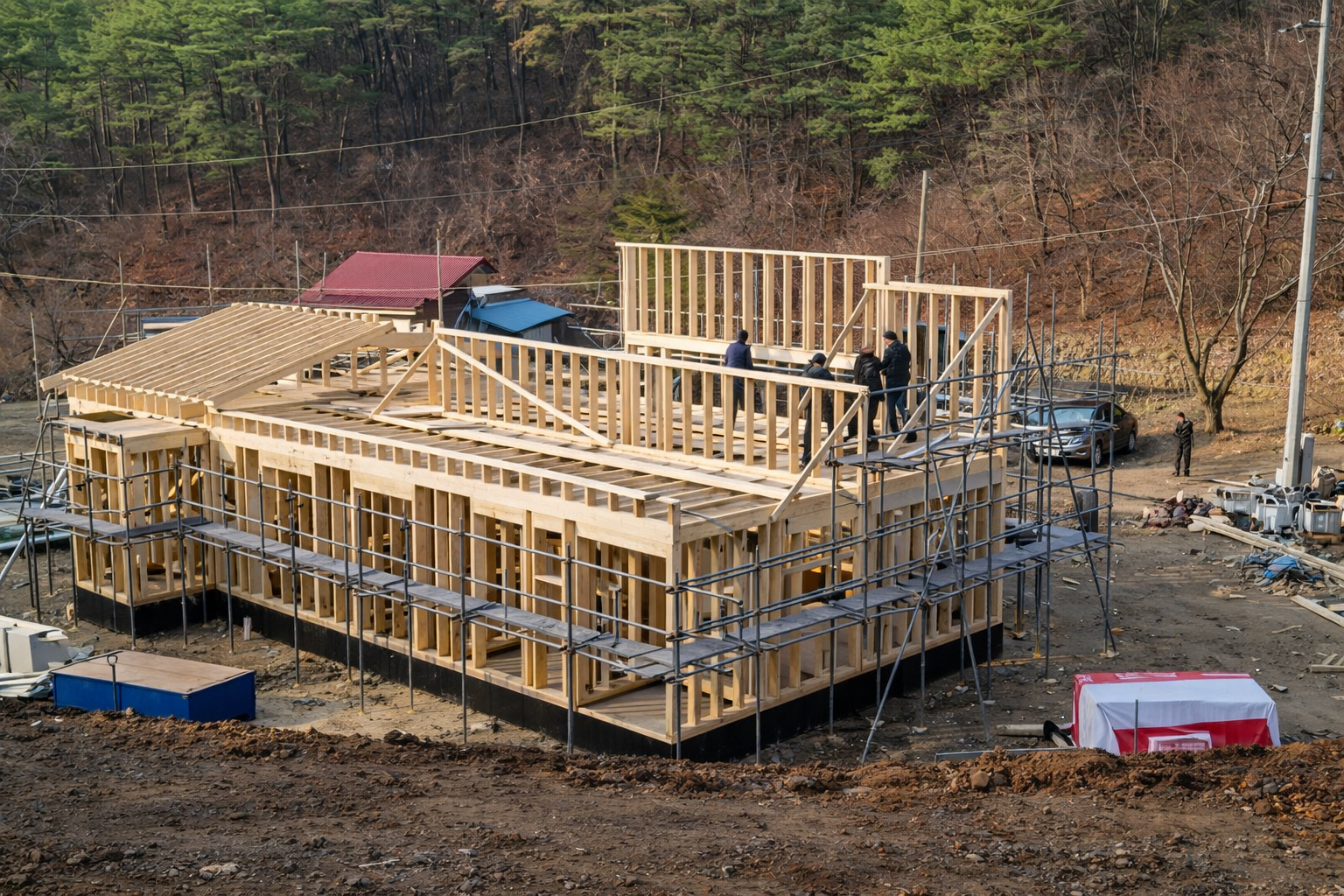
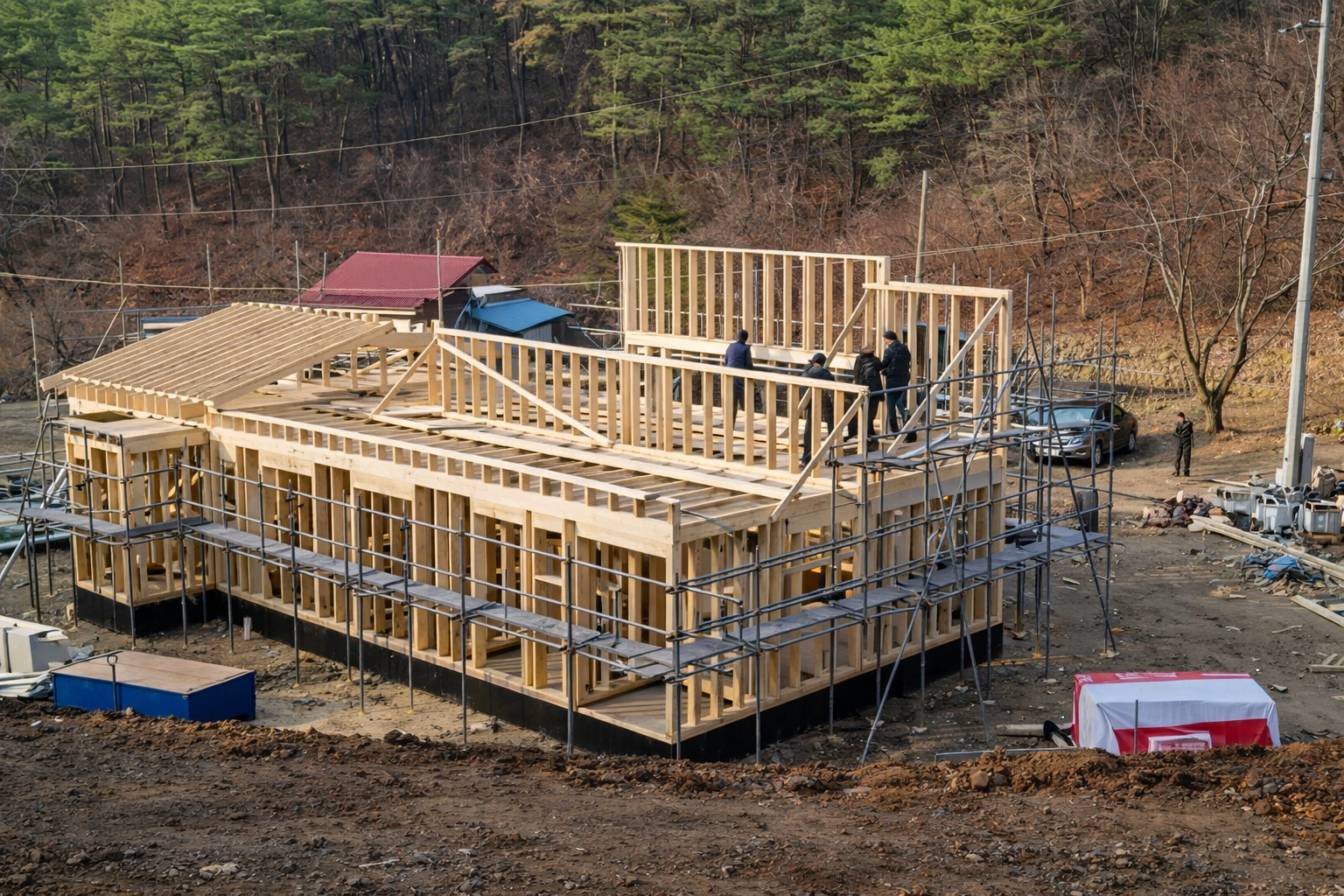
From empty land to a high-end house, wooden construction uses a lightweight system, metal structure for the foundation, ventilated ceramic cladding, and special windows to create an efficient and comfortable living space throughout the year.

Tests Impressing the Quality of Concrete
PhD data show that mixtures like 50% fly ash + 50% BOF slag achieve a compressive strength of 62.3 MPa in 28 days, a competitive index with conventional cement. In parallel, another study at UFC revealed that the produced concrete dries faster: in just three days, it reaches strength equivalent to the common version in seven days. Professor Eduardo Cabral highlights:
Transforming Industrial “Waste” into an Environmentally Friendly Cement
Besides recycling industrial waste, the technology avoids impacts caused by the extraction of sand and gravel, which destroy rivers and landscapes. The slag once considered “waste” can now occupy a prominent place: serving as a base material for sealing or structural blocks, replacing gravel produced through blasting and heavy transport.
Despite the performance, studies on lifespan, regulation, and pricing are still needed. Heloina reminds us: “Our difference is truly the sustainable and environmental appeal. We can add value to this material.” In practice, this means starting certifications, understanding costs at scale, and convincing the market that green cement is worth the investment, something that increasingly conscious companies are willing to do.
The Future of Construction in Ceará
UFC’s project reinforces the importance of investments in clean technologies, strengthening Ceará’s reputation as a hub for innovation in sustainability. The application in precast and sustainable blocks shows that construction and the environment can go hand in hand. With global carbon targets becoming ever stricter, solutions like this pave the way for a new era of cement, greener and more responsible.









-

Uma pessoa reagiu a isso.