





 Portuguese
  English
  Spanish
  2 min of reading
  0 comments


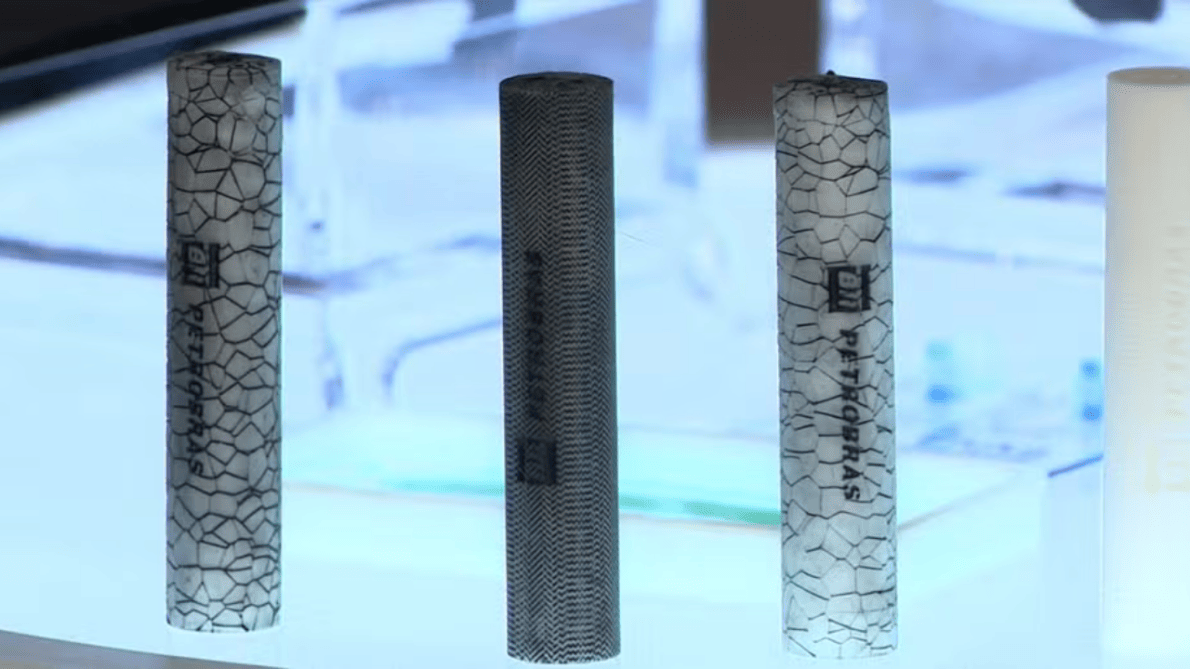
Innovative Technique by Unicamp Researchers Revolutionizes Oil Extraction in Brazil.
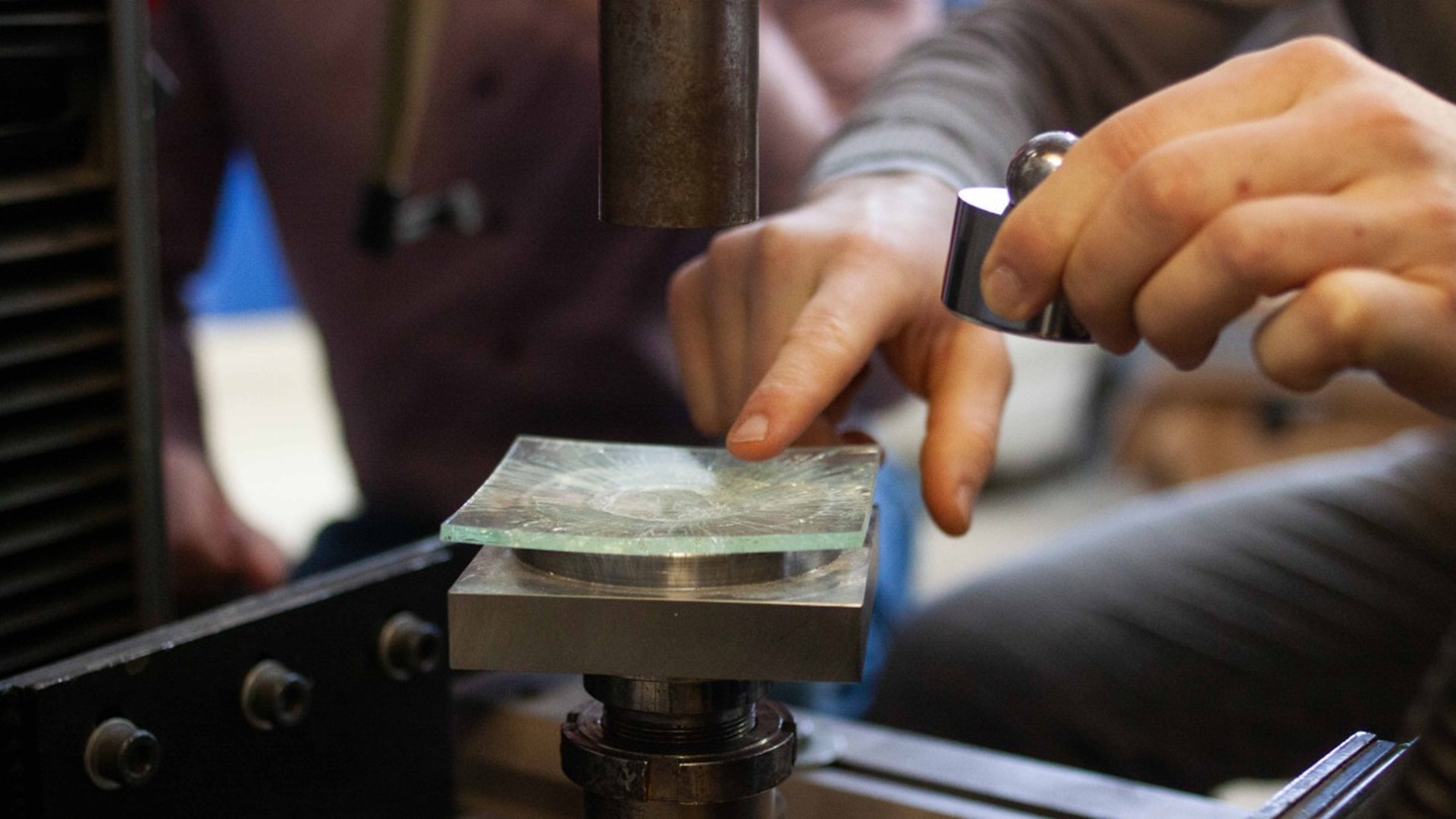
A research developed at Unicamp, in Campinas (SP), promises to transform the oil extraction processes in Brazil. Using 3D printers, scientists created a unique technique that simulates, on a reduced scale, the real conditions of underground oil reservoirs.
The project is funded by Petrobras and carried out at the Center for Energy and Petroleum Studies at the university.
3D Printing in Unicamp Research
The main difference of the new method lies in the miniaturization of the tests. Previously, large volumes of oil, water, and rock samples were necessary to simulate extraction.
-
The rise in oil prices could ensure an extra revenue of R$ 100 billion for the Federal Government, indicates a recent economic study.

-
Naturgy begins an investment of R$ 1.6 million to expand the gas network in Niterói and benefit thousands of new residences and businesses.
-
A major turn in the Justice system suspends tax increases and directly impacts oil and gas companies in Brazil by affecting costs, contracts, and financial planning, leaving uncertain what could happen to the sector if these costs had increased.

-
Brava Energia begins drilling in Papa-Terra and Atlanta and could change the game by reducing costs in oil while increasing production and strengthening competitiveness in the offshore market.

Now, with the help of 3D printing, the process is done on devices the size of a coin. This reduces the amount of material used by up to a thousand times.
According to the researchers, the printed rock structures are faithful to the physical and chemical characteristics of real reservoirs.
This allows for more precise testing, with enhanced monitoring and results available on the same day — a process that previously took weeks.
“It can produce with a very high quality standard these rock formations and introduce them into very small systems, perhaps closer to a one-real coin. This way, we can obtain the same expected information from equipment that would probably need to be operated in a warehouse. This improves the monitoring of processes and the quality of the products produced by the operators,” says Professor Leandro Wang from the Institute of Chemistry at Unicamp.
Lower Cost and Environmental Impact
In addition to speeding up the process, the technique also reduces operational costs. The lower demand for energy, materials, and physical space represents significant savings.
Another positive point is the reduction of environmental impacts, an increasingly relevant factor in the oil industry.
According to researcher Reverson Fernandes, “This is a milestone in the Brazilian industry. We can at least reach a global level of research being done with oil. We can faithfully reproduce characteristics and how this oil is distributed. It is possible to apply high pressure, high temperature, and try to reproduce the conventional way that extraction is done.”
A Milestone for the Oil Industry
The innovation from Unicamp represents a turning point in how oil extraction is studied and improved in the country. With the use of 3D printing and micro-scale testing, the technique opens doors to new possibilities for safer, more economical, and efficient exploration.







Seja o primeiro a reagir!