





 English
  Francês
  Alemão
  Italiano
  Japonês
  Norueguês
  Portuguese
  Spanish
  3 min of reading


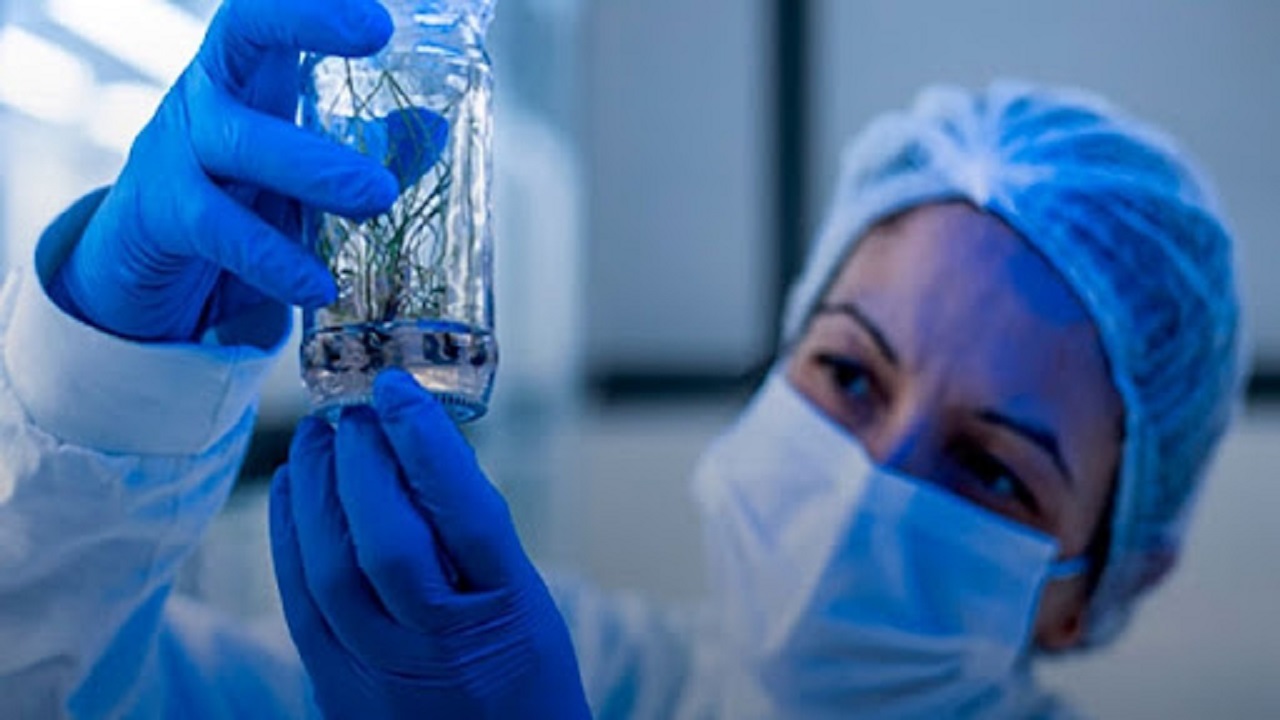
Unicamp Prepares Research Team to Perform Genetic Sequencing of Sugarcane, Aimed at Assisting in Increasing Ethanol Production
Researchers from the State University of Campinas/SP, Unicamp, who work in the biotechnological field and genetic development of sugarcane in São Paulo, are betting on the creation of a transgenic variety of sugarcane, endowed with drought-resistant characteristics and already ready for use or commercial sale. The new genetics will allow for an expansion in ethanol production. The forecast is that this variety will be available to consumers at gas stations in due time.
Also Read
- Global Wind Turbine Giants, Vestas and Siemens Gamesa, Become Victims of Their Own Success
- Graphene, the Powerful Flexible Material 200 Times Stronger Than Steel and Thinner Than a Hair, is Abundant in Brazil and Will Make the Country a Leader in the Global Technological Revolution
- CSN Invests in Singapore Startup for Graphene Production and Begins Research in Volta Redonda, Rio de Janeiro
- Ford Group’s Troller Factory in Ceará May Be Reinstated in Pecém for Production of Jeeps, Electric Cars, and Graphene, Which Will Reduce the Weight of Wind Turbine Blades, Desalinate Seawater, and Revolutionize the Ceará Industries
- Graphene Factory in Rio Grande do Sul Becomes Target of Chinese Investment Interest
ARTICLE CONTINUES BELOWSee also
-
Rio Grande do Sul accelerates energy transition: State invests in renewable technologies and consolidates decarbonization strategies and pathways to attract billions in new industrial investments.

-
With 160,000 m² of collectors, an area larger than 20 football fields, Silkeborg, in Denmark, hosts a solar thermal plant that heats 19,500 homes and could become the largest solar heating plant in the world.

-
A study reveals the expansion of renewable energy procurement in Brazil and shows how companies are taking advantage of opportunities to reduce expenses, ensure energy efficiency, and strengthen strategic environmental commitments.

-
Brazil accelerates decarbonization in the South: International forum in Foz do Iguaçu gathers leaders to discuss the advancement of biomethane in the energy matrix and the potential of “caipira pre-salt.”
-
- Learn About the History of Civil Construction
Initial Development of Sugarcane Genetic Improvement Research
The agricultural genetics specialist, researcher, and coordinator of the Functional Genome Laboratory at the Institute of Biology of Unicamp, Marcelo Menossi, said that his research team has been working in various segments of research that can assist in the search for genes that may identify certain plant characteristics that help in coping with water stress.
Menossi also mentioned that he already possesses licensed genes and that there are some companies negotiating with the Unicamp laboratory to take these transgenic varieties to other studies.

Unicamp Highlights Genetic Sequencing of Sugarcane to Help Increase Ethanol Production
The studies that Unicamp researchers have been developing on transgenics are advancing rapidly due to the use of bioinformatics tools. According to Menossi, the work of his team, together with advances in information technology, makes it completely feasible to create algorithms that can assist in the search for essential genes through triangulation of specific characteristics.
Menossi and his team discussed their journey in the laboratory, aiming for an improvement in consumers’ lives and providing quality ethanol at cost-effective prices to gas stations.
The research coordinator reported that it is challenging to extract specific genes from sugarcane, but the greater challenge is to sequence the genetics of sugarcane and create the synthetic gene. Additionally, it is also necessary to replace corn genes with genes from the sugarcane itself.
Advancements in Similar Research in Other Laboratories
Genetic sequencing research, which seeks varieties tolerant to drought, has also advanced at the Signal Transduction Laboratory of the USP Institute of Chemistry.
The researcher and full professor of the Department of Biochemistry at the University of São Paulo – USP, Glaucia Mendes Souza, also a specialist in molecular genetics and coordinator of BIOEN, reported that the raw material used (sugarcane) is entirely geared towards biomass production, which aids in generating electricity.
According to the researcher, the ‘energy cane’ achieves high levels of productivity, with about 250 tons per hectare. In the case of some very specific varieties, the sugar production index remains the same compared to the more modern species being used. Various genotypes of ‘energy cane’ have been evaluated in the field for many consecutive years.
The results obtained were extremely satisfactory. The biochemist believes that consumers will have access to a commercial species at gas stations. The next step is to conduct more experiments to better assess drought tolerance.
The material of this article was created based on the article from Petronoticias.







Seja o primeiro a reagir!