





 Portuguese
  English
  Spanish
  3 min of reading
  0 comments


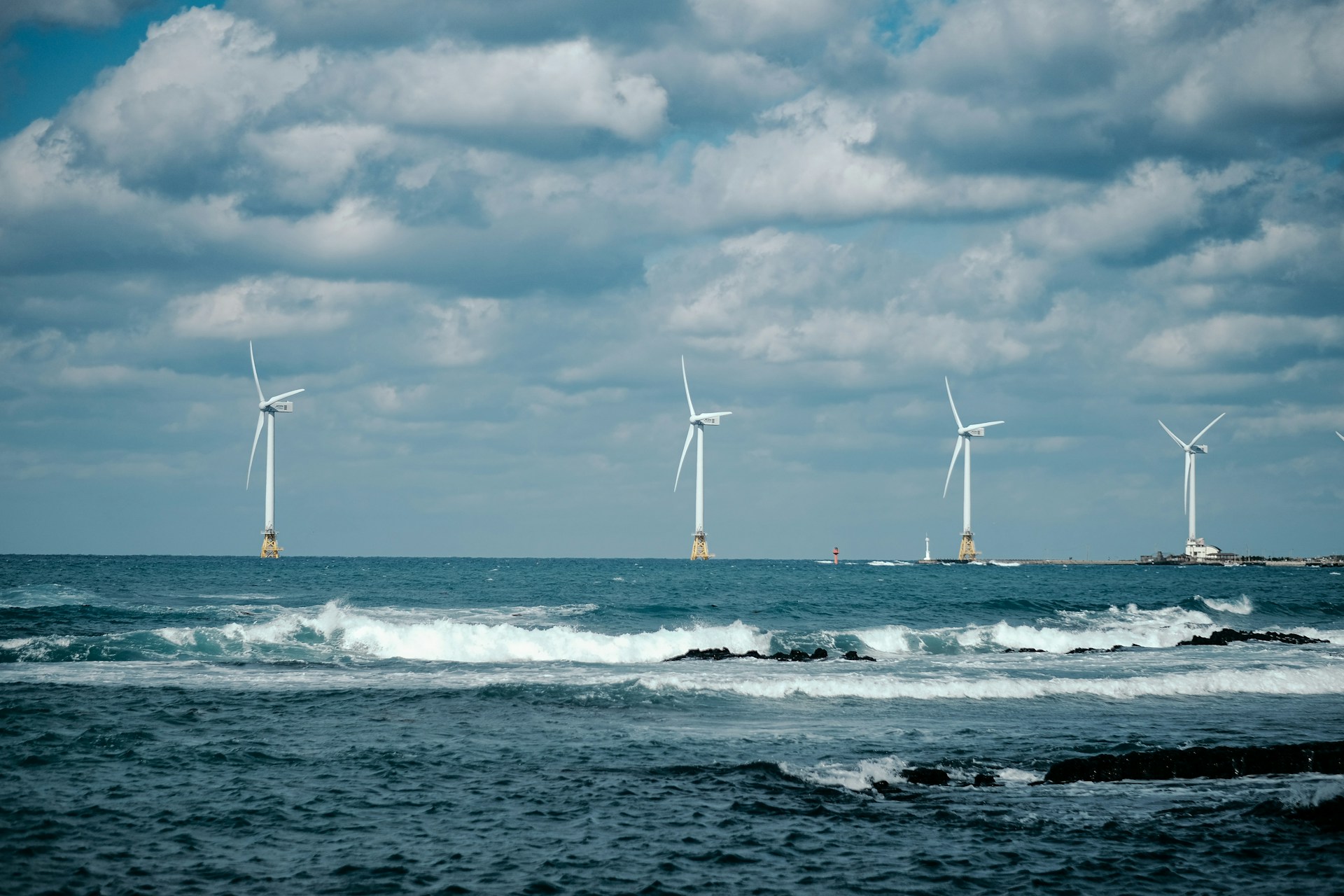
Researchers Identify That Offshore Wind Turbine Bases Are Serving as Artificial Reefs, Attracting Marine Life and Transforming Parks into Unexpected Ecological Refuges
Offshore wind energy has gained traction as a clean and promising alternative to reduce dependence on fossil fuels. But a new aspect of this technology is catching scientists’ attention.
Studies show that wind farms installed at sea may have an even greater ecological impact than previously thought.
Researchers analyzed the ecosystems around turbines in the North Sea and made a surprising discovery. The structures, in addition to generating energy, are also serving as attraction points for marine life.
-
Conflict in the Sertão: Rural communities in Rio Grande do Norte report issues with wind farms and the new challenges of clean energy in the semi-arid region.
-
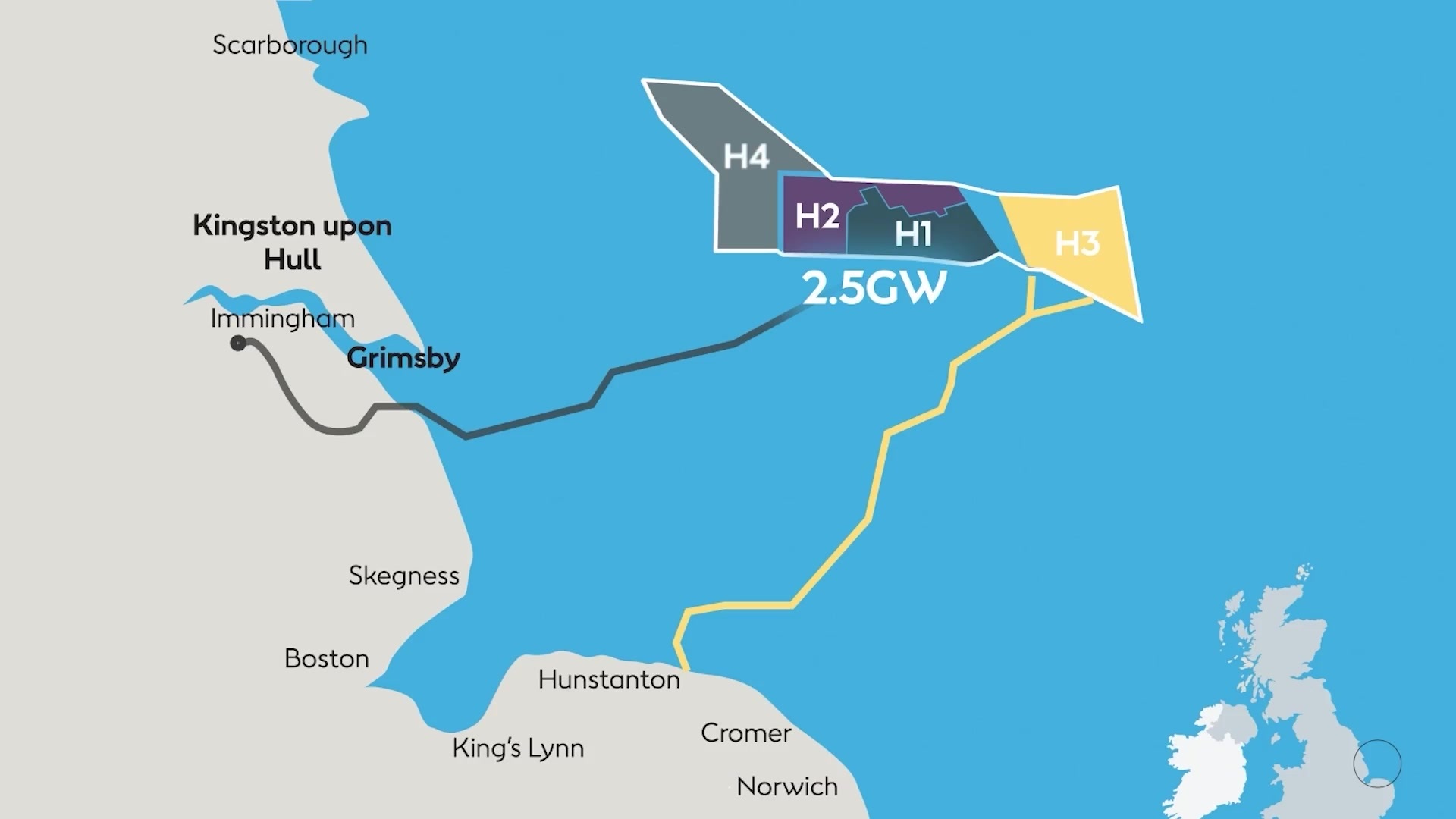
231 turbines of 260 meters at 160 km from the coast, monopiles weighing as much as nine blue whales embedded in the North Sea, and a crane ship taller than the Eiffel Tower: Hornsea 3 will be the largest offshore wind farm on the planet by 2027, and its first components have already arrived in England.
-
International Certification Puts Senai Norte on the Renewable Energy Map and Expands Access to Essential Training for Qualified Wind Power Professionals

-
The Winds of the Northeast Are in Foreign Hands: Nearly 70% of the Region’s Wind Farms Are Owned by International Companies, with France, China, and Italy Leading Investments in Wind Energy in Brazil
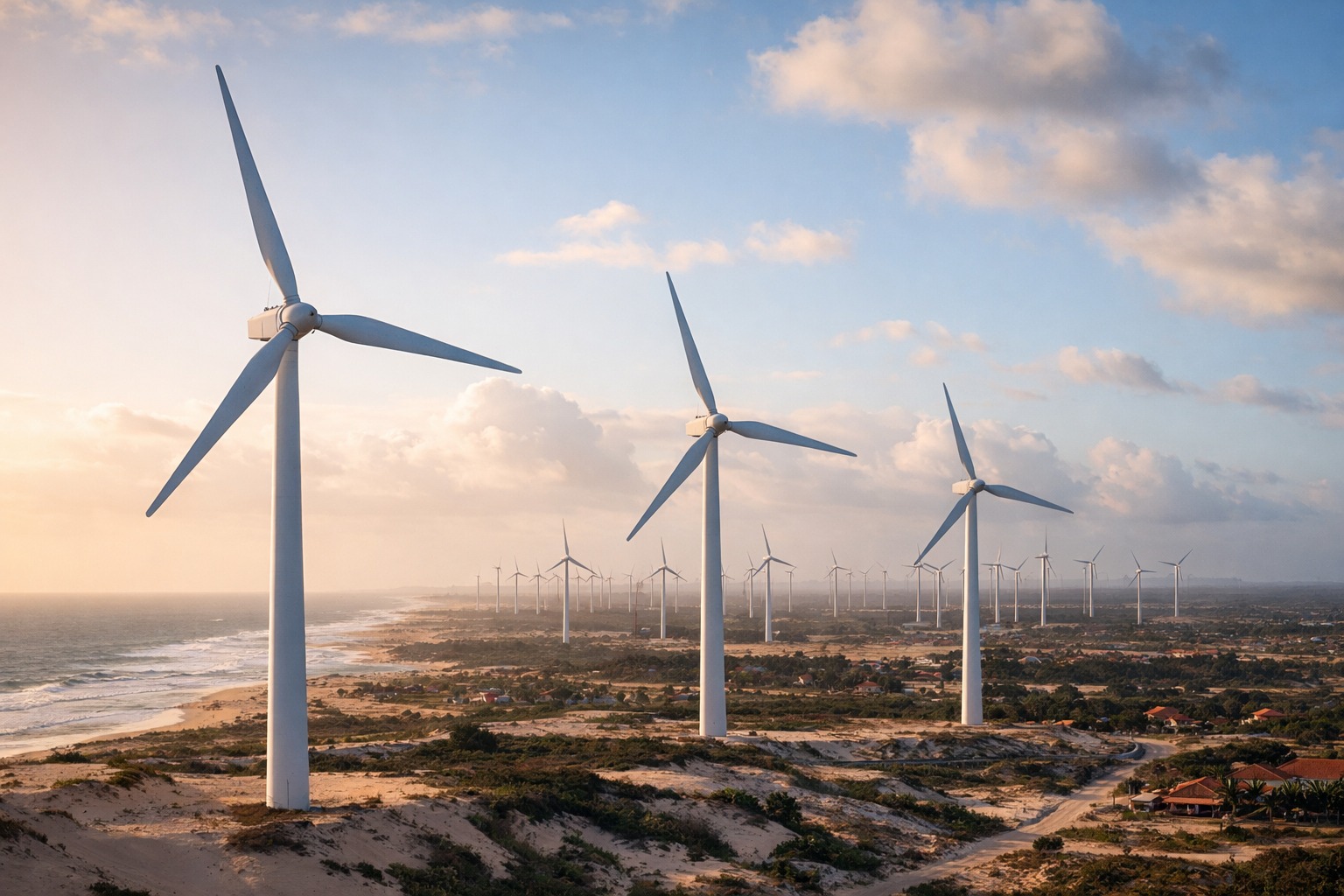

This unexpected interaction raises the possibility of the parks acting as artificial habitats in the open ocean.
Turbines Become Artificial Reefs
The bases of the turbines, made of concrete and steel, end up becoming refuges for various species. Over time, these materials are colonized by mussels, anemones, and fish. The structure begins to offer shelter and food, functioning as an artificial reef.
This positive side effect has sparked the interest of the scientific community. Instead of just a technological intervention, the parks are becoming important ecological elements. They show how certain human actions, when well conducted, can contribute to biodiversity.
Another relevant point is the reduction of fishing boat traffic in the areas near the turbines. This happens due to safety concerns and restricted access. As a result, the regions gain an effect of indirect protection, allowing marine populations to recover and maintain balance.
Animal Behaviors Change with Turbines
In addition to sheltering species, wind farms also influence the behavior of marine animals. Some species, such as seals and dolphins, have been observed using these areas as navigation landmarks or even as strategic hunting points.
The presence of the turbines affects the water circulation around them. This alters nutrient distribution and the movement of smaller organisms, such as fish and crustaceans. This new pattern could lead to changes in local food chains.
The adaptation of animals at the top of the food chain, such as marine mammals, indicates that the presence of the turbines is being assimilated by the ecosystem in a deeper way. This phenomenon demonstrates the potential of the parks to alter the environment in a complex but also positive manner.
New Ideas for Environmental Conservation
Based on these discoveries, there is a growing interest in using wind farms as tools for environmental conservation as well. There are already proposals for new projects to consider elements that further enhance ecological benefits.
This could transform these structures into platforms with dual functions: generating clean energy and protecting marine life. Some ideas involve adapting turbine designs to facilitate the attachment of organisms and attract even more biodiversity.
Creating marine protected areas around the parks is also a possibility. With proper planning, offshore wind farms could become models of balance between technology and nature.
The positive impact of wind turbines on marine ecosystems is still being studied, but early results show that innovation and preservation can go hand in hand.
With information from NSC Total.








Seja o primeiro a reagir!