





 Portuguese
  English
  Spanish
  2 min of reading


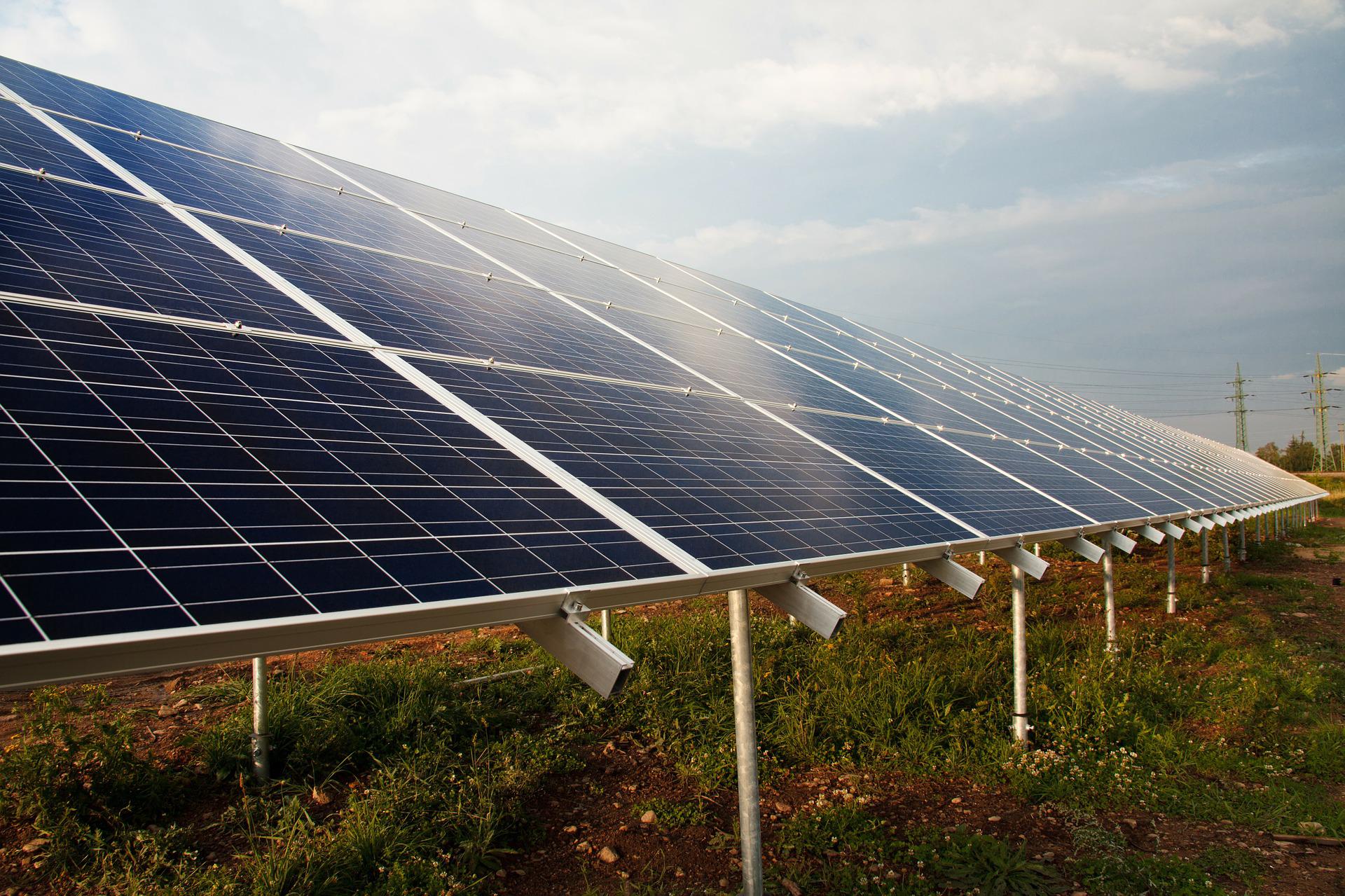
Researchers from Stanford University are working on a revolutionary solar energy project. The goal is to create a solar panel with the capacity to produce energy during the day and night
Solar panels are an affordable and reliable solution to produce energy during the day. However, everything changes when the sun goes down, as it is often necessary to spend a good amount of money investing in batteries to use electricity at night. Approximately 750 million people lack access to energy at night around the world.
To try to solve the problem, researchers from Stanford University are developing a photovoltaic cell that can produce energy during the day and night. This way, there is no need to invest in batteries.
How Is It Possible to Produce Energy at Night?
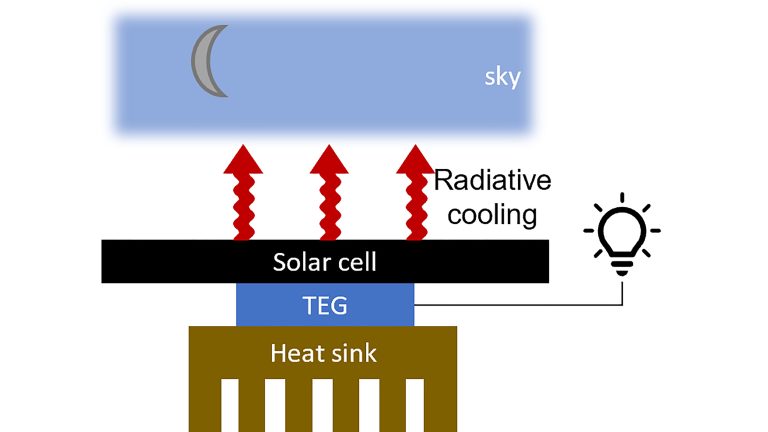
The device works like a conventional solar panel during the day. Simply put, the device can harness the heat that radiates from the solar panels into space at night. As the panel cools, it rests at a slightly lower temperature than the air temperature. The temperature differential can be utilized by a thermoelectric generator (TEG), which generates energy from the temperature difference.
-
Renewable energy advances over protected areas in Brazil, and a survey by the Energy Transition Observatory reveals silent impacts that challenge environmental conservation and pressure sensitive traditional territories.

-
Rio Grande do Sul accelerates energy transition: State invests in renewable technologies and consolidates decarbonization strategies and pathways to attract billions in new industrial investments.

-
With 160,000 m² of collectors, an area larger than 20 football fields, Silkeborg, in Denmark, hosts a solar thermal plant that heats 19,500 homes and could become the largest solar heating plant in the world.

-
A study reveals the expansion of renewable energy procurement in Brazil and shows how companies are taking advantage of opportunities to reduce expenses, ensure energy efficiency, and strengthen strategic environmental commitments.


“You want the thermoelectric to have very good contact with both the cold side, which is the solar cell, and the hot side, which is the environment,” said Sid Assawaworrarit, project author.
As the device is built with readily available and low-cost materials, developers hope it will be used in various hard-to-reach areas around the planet. Additionally, the equipment can be integrated with conventional photovoltaic cells.
“What we’ve managed to do here is build everything with off-the-shelf components, have very good thermal contact, and the most expensive part of the entire setup was the thermoelectric itself,” declared Zunaid Omair.
What Is the Secret of the Project?
The earth absorbs solar radiation during the day, which then radiates into space at night. On a clear night, the device can produce 50 mW/m2 of power, with an open-circuit voltage of 100 mV. Since nighttime lighting requires some watts, at least 20 square meters of photovoltaic area would be necessary.
Despite being very promising, the device that has the ability to generate energy at night will take a little longer to reach the market. Researchers are still working to refine the equipment, increasing its efficiency and decreasing production costs on a large scale.










Seja o primeiro a reagir!