Portuguese
  Spanish


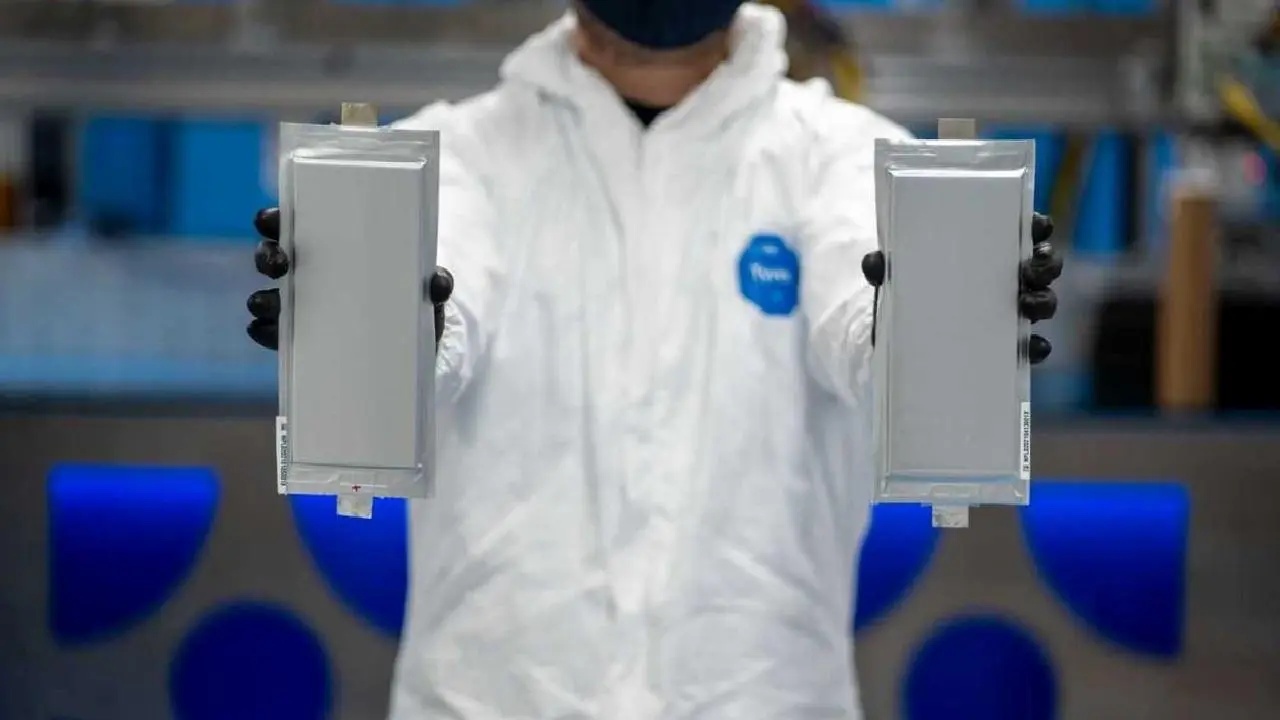

Nissan And NASA Need To Race Against Time, As Several Global Rivals Of The Japanese Automaker, Such As Toyota, Volkswagen, Ford And GM, Are Also Researching Solid-State Batteries
Nissan is working with NASA to revolutionize EV batteries around the world! The new type of solid-state battery promises to charge electric cars faster, be lighter, safer, and stable enough to be used in pacemakers, the Japanese automaker said on July 8.
Collaboration with the U.S. space program, as well as with the University of California in San Diego, involves testing various materials, corporate vice president Kazuhiro Doi told reporters. “Both NASA and Nissan need the same type of battery,” he said.
Watch The Video Below And Check Out The Ambitious Plan Of The Japanese Automaker And NASA To Revolutionize Electric Car Batteries Around The World


New Solid-State Battery Would Ignore The Use Of Rare And Expensive Materials That Power Lithium-Ion Batteries
The goal is to create a smaller, cheaper solid-state battery that replaces the lithium-ion batteries currently used in Nissan electric vehicles (and indeed, in most EVs.) Ideally, the resulting battery would ignore the use of rare and expensive materials that power lithium-ion batteries, including cobalt and lithium itself. Safety and stability of the batteries will also be a priority.
-
1983 Chevrolet Runs Over 100,000 km Without Gasoline, Powered by Wood Chips, Reaches 125 km/h in Airport Test

-
Workshop Converts Giant Tractor Tire Tricycle into a Three-Wheel Drive Hybrid with 36,000-Watt Electric Motor Capable of Climbing Hills

-
Chery Offers Lifetime Battery Warranty and Car Replacement for Major Failures Under New Chinese Regulations
-
Sales of Brazil’s Cheapest Electric Car Halted Before First Deliveries: E-Motors Suspends Emova Easy Due to Import Tax Increase and Rising Freight Costs




When finished, the battery will charge fully in just 15 minutes, instead of the several hours required by current technologies (though this wait time could be significantly reduced by using fast DC chargers). This potential speed could change the charging landscape, making the “refueling” experience more akin to that of a traditional gas station.
Solid-state batteries use solid electrodes and other components, instead of relying on the liquid or polymer components of lithium-ion batteries. Historically, they have had low energy density, but recent technological developments have renewed interest in exploring their use in EVs and other applications. With the need to get more people into EVs as quickly as possible to tackle the climate crisis, the more innovation on the battery front, the better.
To conduct its research, Nissan and NASA are using a computerized database called the “original material informatics platform” to test combinations of hundreds of thousands of materials, to evaluate what would work best. As already mentioned above, the University of California in San Diego is also involved in the research.
The Japanese automaker’s main EV offering so far has been the Leaf. The vehicle was really ahead of its time when it hit the market in 2010.
Several Rivals Of Nissan, Such As Toyota, Volkswagen, Ford And GM, Are Also Researching Solid-State Batteries
The Nissan-NASA partnership is scheduled to launch a pilot factory in 2024 and a product launch in 2028. If all goes as planned, the resulting battery could revolutionize EVs around the world.
Some of the main barriers to widespread EV adoption are the expense and the rarity of the materials needed for lithium-ion batteries, as well as the time required to charge them. Several Nissan rivals are also researching solid-state batteries, including Toyota, Volkswagen, Ford and GM.