





 Portuguese
  English
  Spanish
  3 min of reading
  0 comments


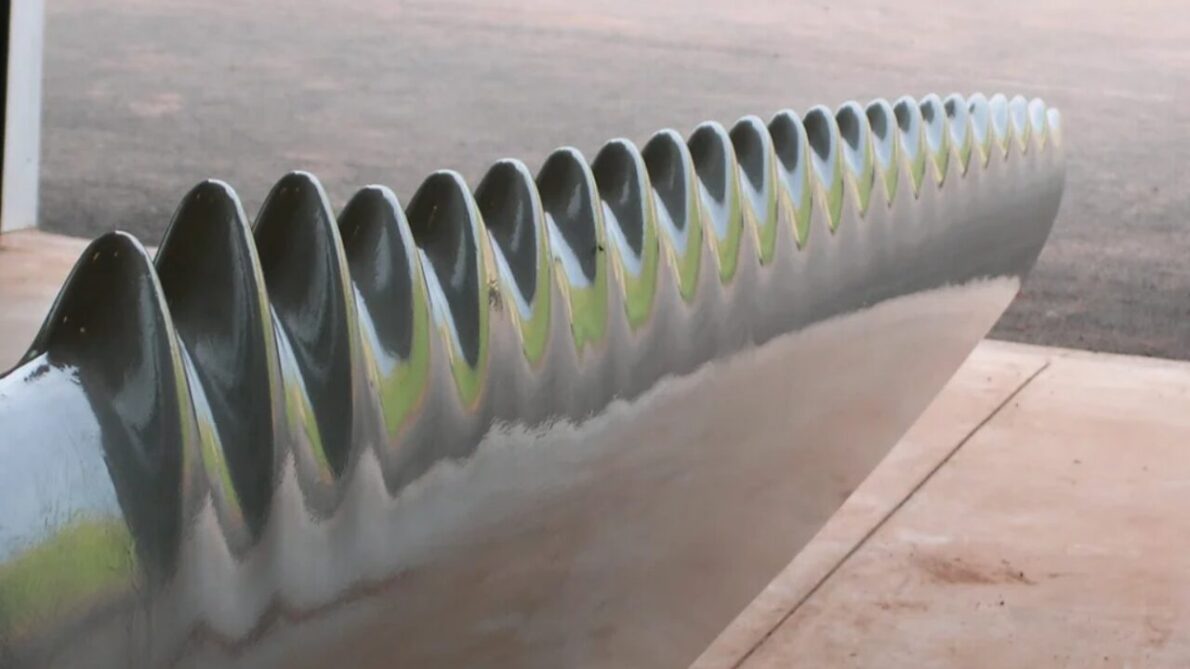
Harvard Scientists Create Wind Turbine Inspired by Humpback Whale Flippers, Promising 20% More Efficiency and Less Noise.
Researchers at Harvard University have brought an innovation to the wind energy sector, based on a unique feature of humpback whales. These marine creatures, with their long and impressive flippers, served as a model for an advanced design of wind turbines. The new technology, aimed at increasing turbine efficiency and reducing noise, promises to transform wind energy generation, especially in areas with weak winds. The innovative approach of the scientists could mark a significant advancement in harnessing renewable energy and reducing the environmental impacts of traditional turbines.
Inspired by Nature
The humpback whale, known for its imposing flippers, has small protrusions called tubercles.
These unique structures play a crucial role in the innovation of wind turbines.
-
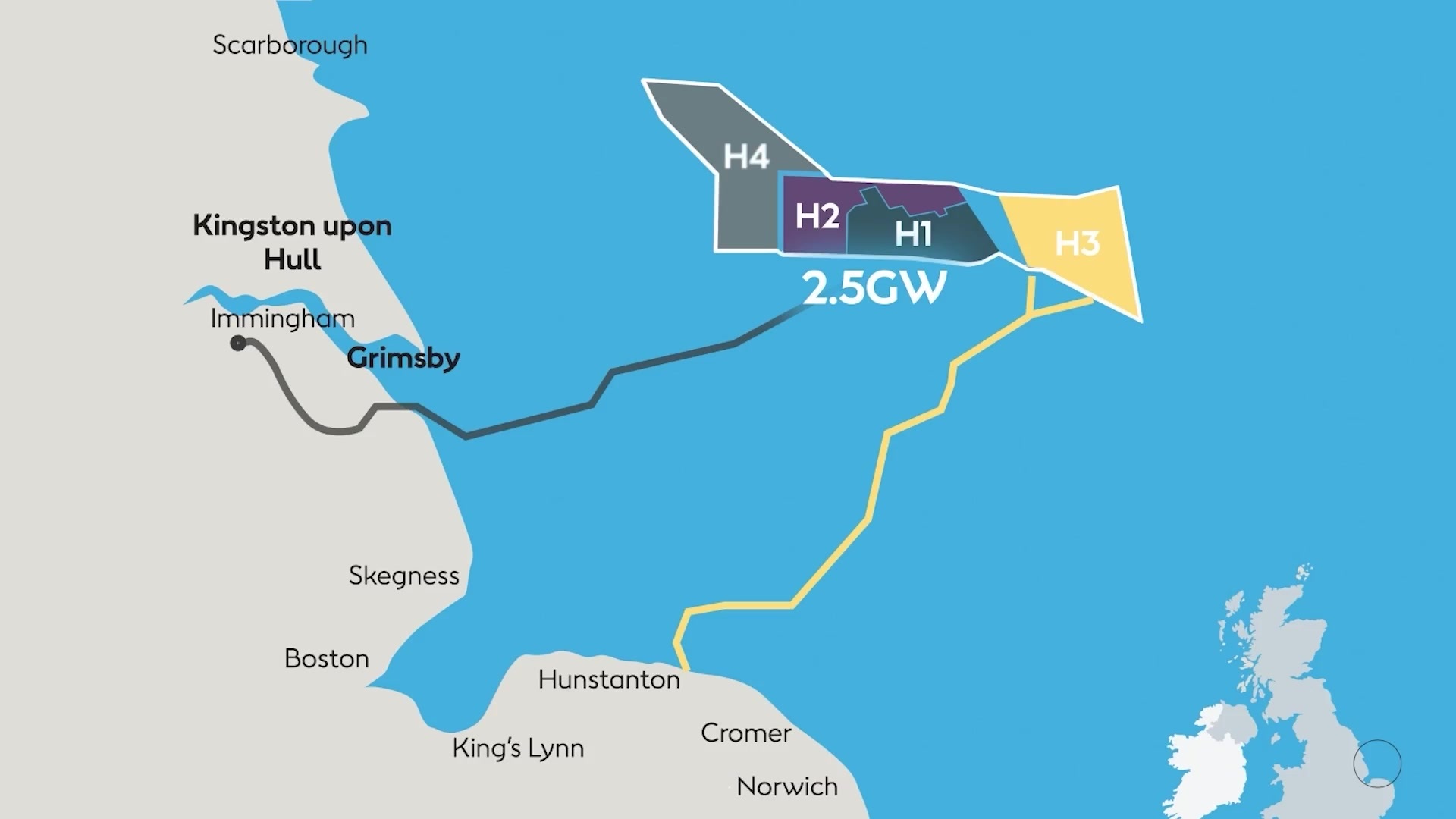
231 turbines of 260 meters at 160 km from the coast, monopiles weighing as much as nine blue whales embedded in the North Sea, and a crane ship taller than the Eiffel Tower: Hornsea 3 will be the largest offshore wind farm on the planet by 2027, and its first components have already arrived in England.
-
International Certification Puts Senai Norte on the Renewable Energy Map and Expands Access to Essential Training for Qualified Wind Power Professionals

-
The Winds of the Northeast Are in Foreign Hands: Nearly 70% of the Region’s Wind Farms Are Owned by International Companies, with France, China, and Italy Leading Investments in Wind Energy in Brazil
-
Echoenergia’s Wind Farms Receive Diamond and Platinum Seals and Boost Carbon Credits with Projects that Prevent Large Volumes of Annual Emissions

Frank Fish, an American biologist, Philip Watts, a Canadian engineer, and Stephen Dewar, a Canadian entrepreneur, observed these protrusions and developed a wind turbine design based on the shape of the whale’s flippers.
Challenges of Wind Energy
Wind energy has grown significantly worldwide, including in Brazil. However, the generation of this renewable energy faces challenges related to wind variability and the noise generated by turbines.
Strong winds are necessary for turbines to operate efficiently, but these winds are not constant.
Moreover, the noise generated by wind turbines is a known problem, both mechanical and aerodynamic.
To address these challenges, the Harvard team created a wind turbine that excels in its ability to operate more efficiently even with weak winds.
The innovative design aims to overcome the limitations of traditional wind turbines.
The new technology, known as Tubercle technology, utilizes the idea of small protrusions on the humpback whale’s flippers.
The researchers conducted experiments in wind tunnels, testing wings and blades of model aircraft equipped with these protuberances.
The results showed that the protrusions improve the aerodynamics of the blades and reduce the turbulence that causes noise.
With Tubercle technology, wind turbines can produce up to 20% more electricity in weak winds and with a significant reduction in noise.
This innovation addresses two critical problems faced by traditional turbines: performance in weak winds and reduction of noise.
Advancements and Recognitions
Since the creation of the company WhalePower, which was formed to develop and apply Tubercle technology, the team has received several recognitions.
Among them, the nomination for the 2018 European Inventor Award stands out.
The invention has not been limited to wind turbines; WhalePower has licensed the technology for other uses, such as industrial and computer fans.
Tubercle technology has been patented and licensed to various companies, expanding its reach to different applications, such as maritime propulsion, low-flow hydropower generation, pumps, and compressors.
WhalePower continues to explore new opportunities to utilize this innovative technology.


The Future of Wind Turbines
The innovation brought by Tubercle technology has the potential to transform wind energy generation.
By improving turbine efficiency and reducing the environmental impact of noise, this technology can contribute to a more sustainable future in energy generation.
The whale-inspired design represents a remarkable example of how observing nature can lead to significant technological advancements.









-

-

-

4 pessoas reagiram a isso.