





 Portuguese
  English
  Spanish
  3 min of reading
  0 comments


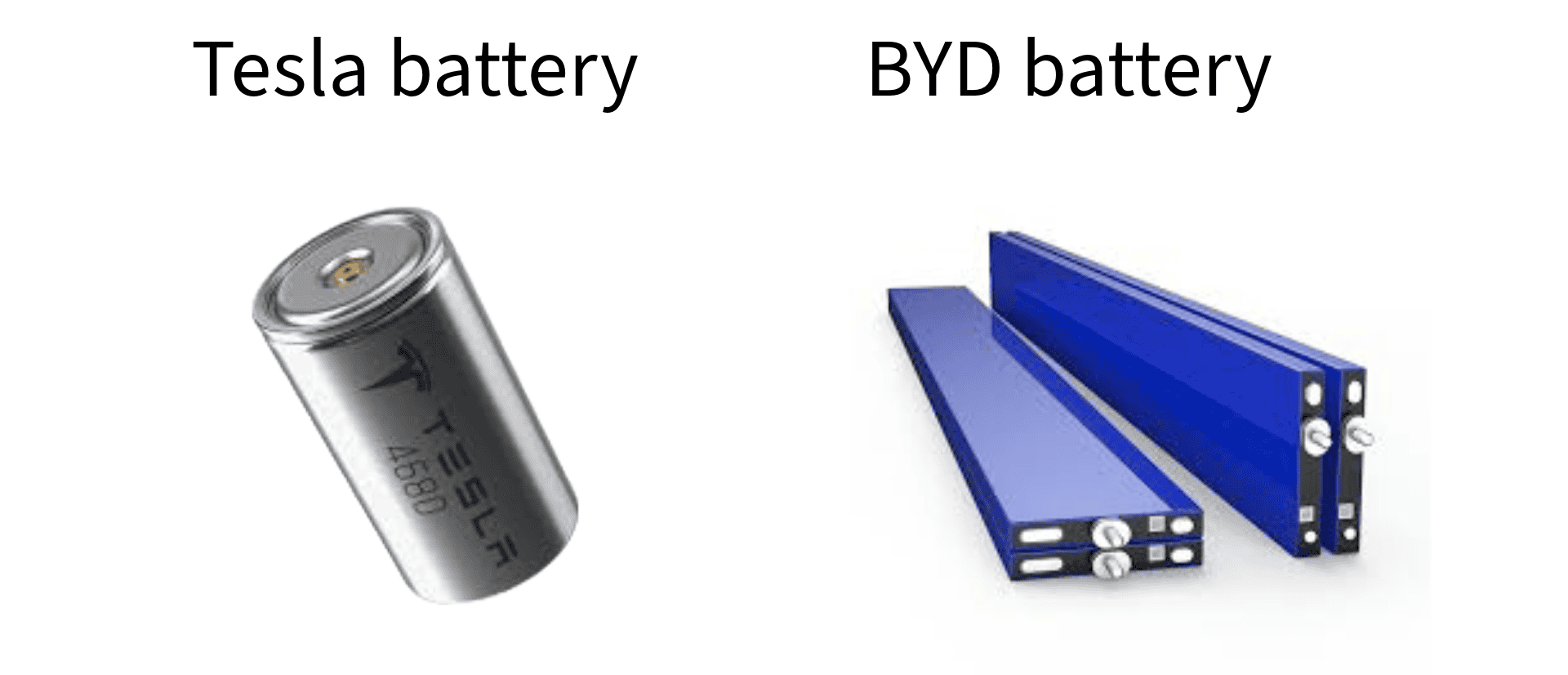
Comparison Between Tesla and BYD Batteries Reveals Details About Innovation, Energy Capacity, and Advantages of Each Model
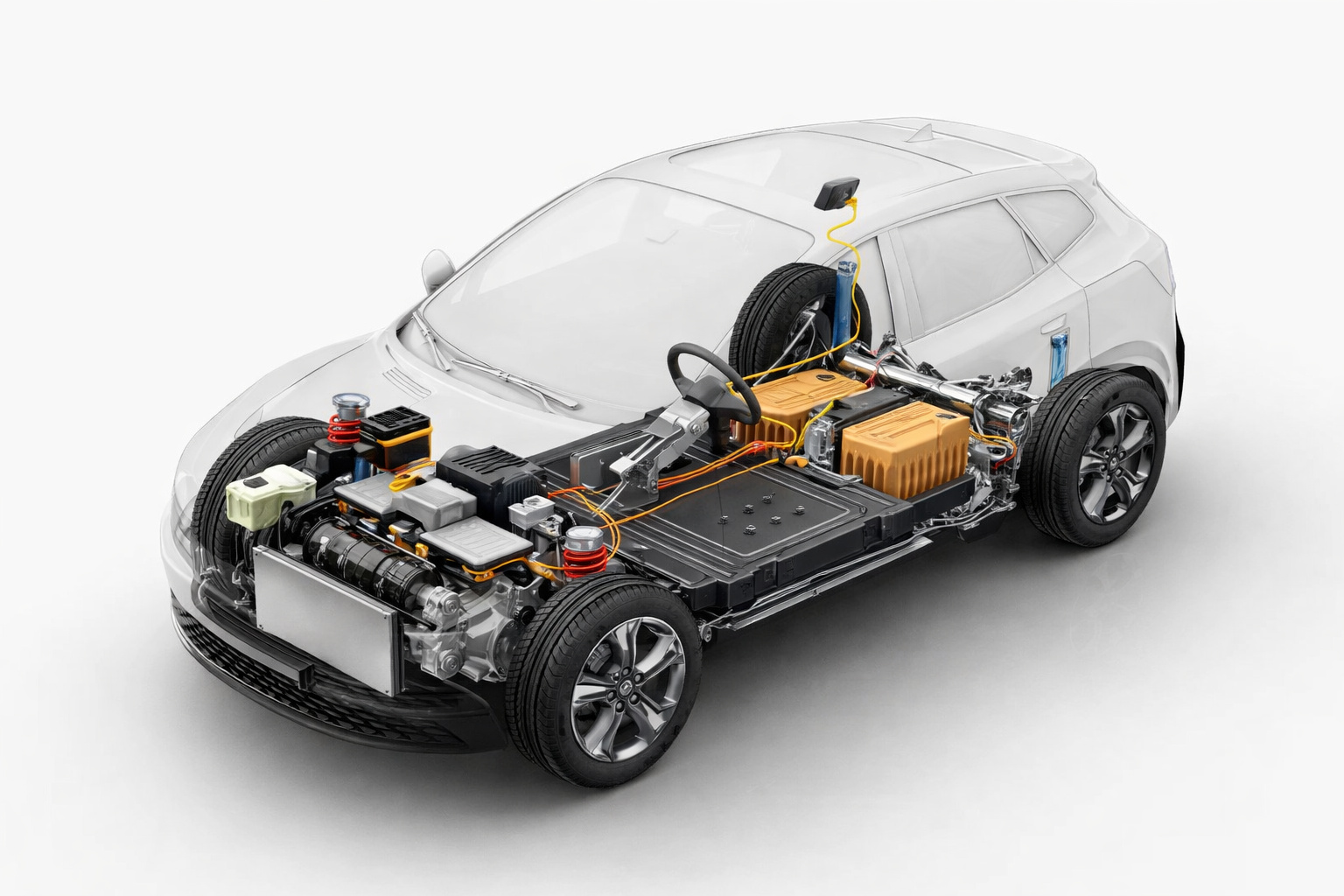
The batteries for electric vehicles have evolved rapidly, with modern models already competing in range with gasoline vehicles. But the industry is still seeking the balance between performance, cost, and safety. In this scenario, two giants lead with distinct solutions: Tesla and BYD.
Tesla bets on the 4680 cell, a cylindrical design with high energy density. BYD takes a different path with the Blade battery, a prismatic cell based on lithium iron phosphate (LFP). Both represent innovation, but they adopt different strategies.
To understand these differences, researchers disassembled and analyzed both batteries. The results help to outline the possible paths for the evolution of electric vehicles.
-
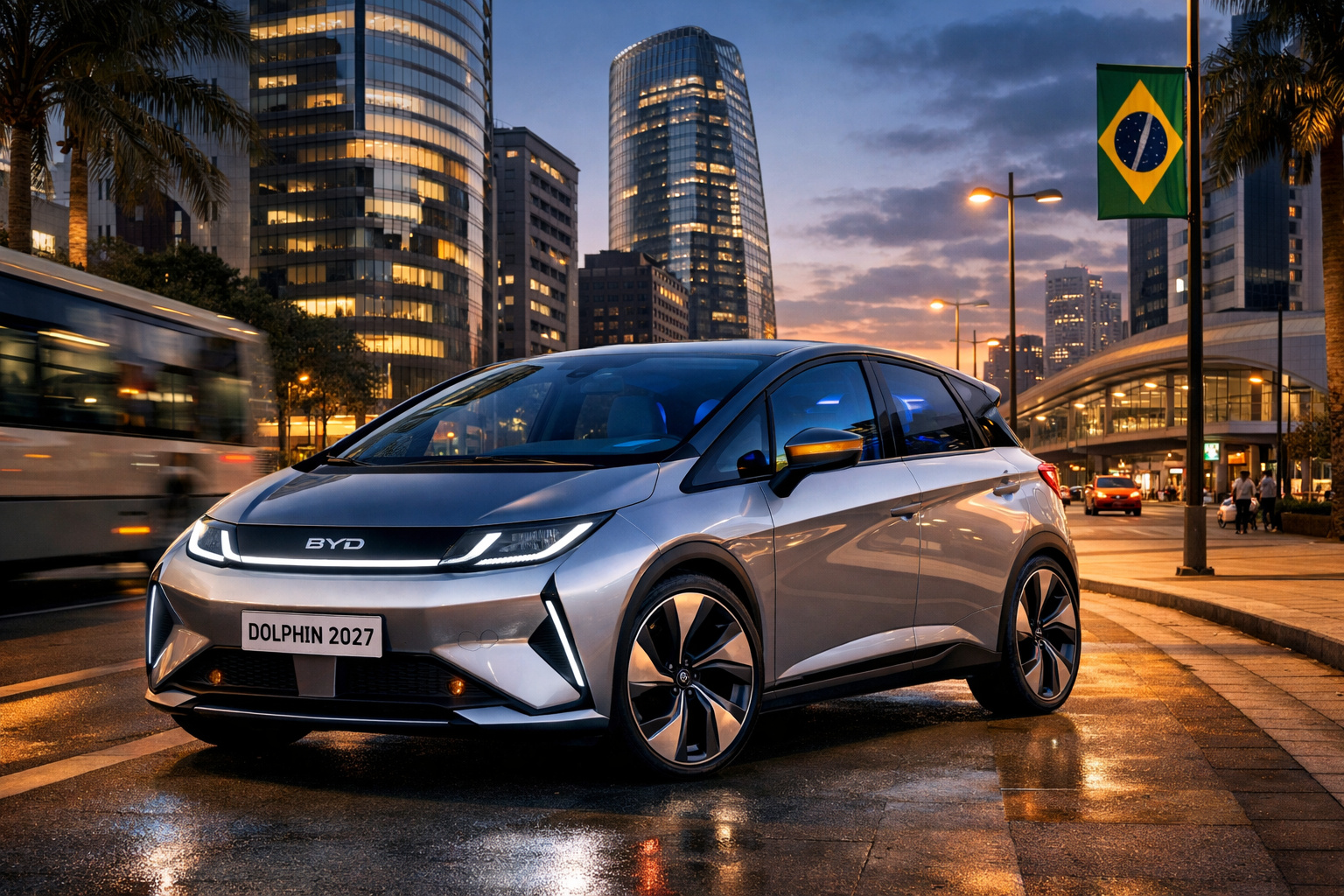
BYD Dolphin 2027 gains more power, increases in size, changes interior, and abandons controversial feature to face new competition in Brazil.
-
The German economist Wolf-Peter Schill has no doubts: “Electric cars are already far superior to cars with internal combustion engines.”

-
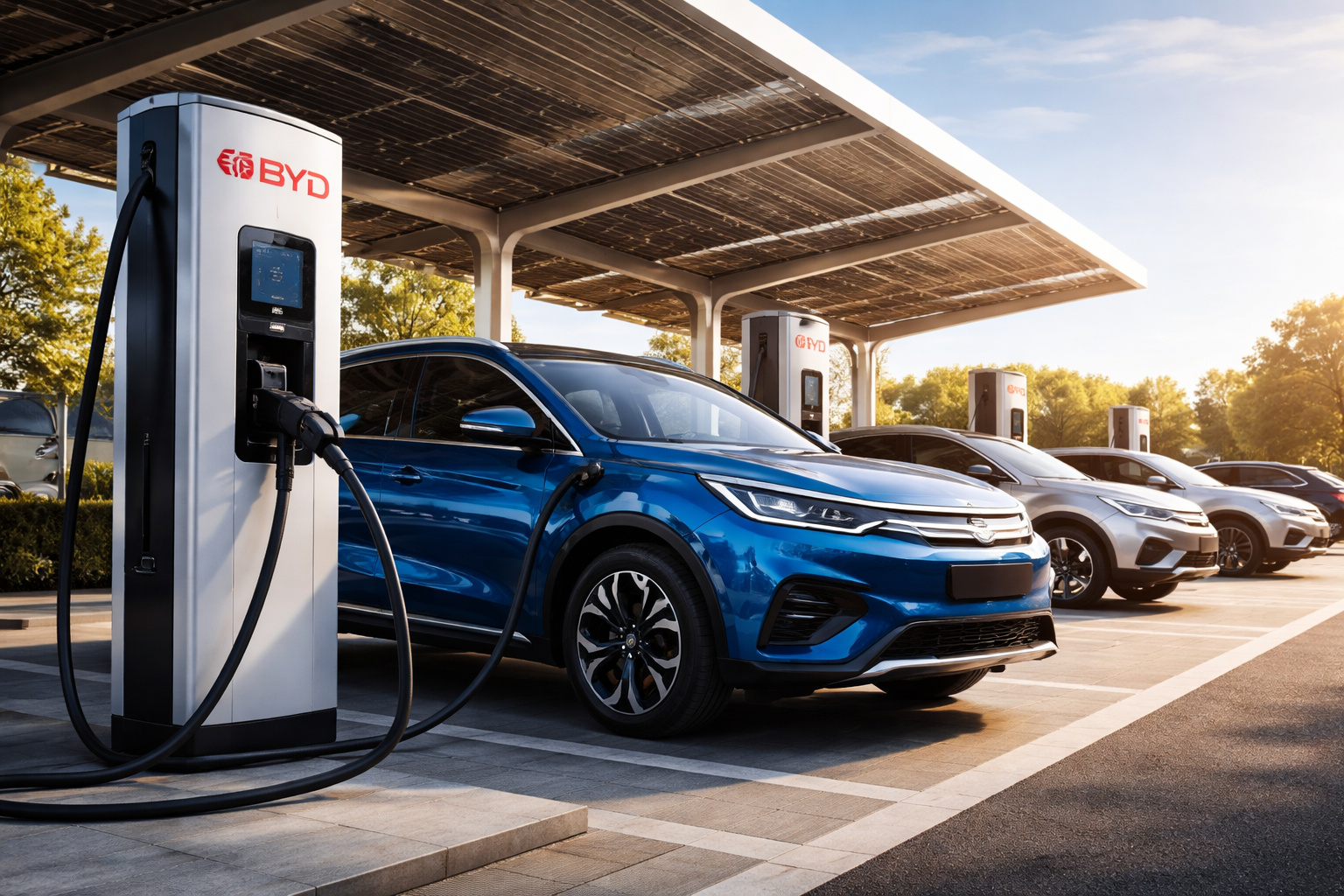
Largest public charging network in Brazil: BYD reaches 125 fast chargers and accelerates national expansion of electric mobility.
-
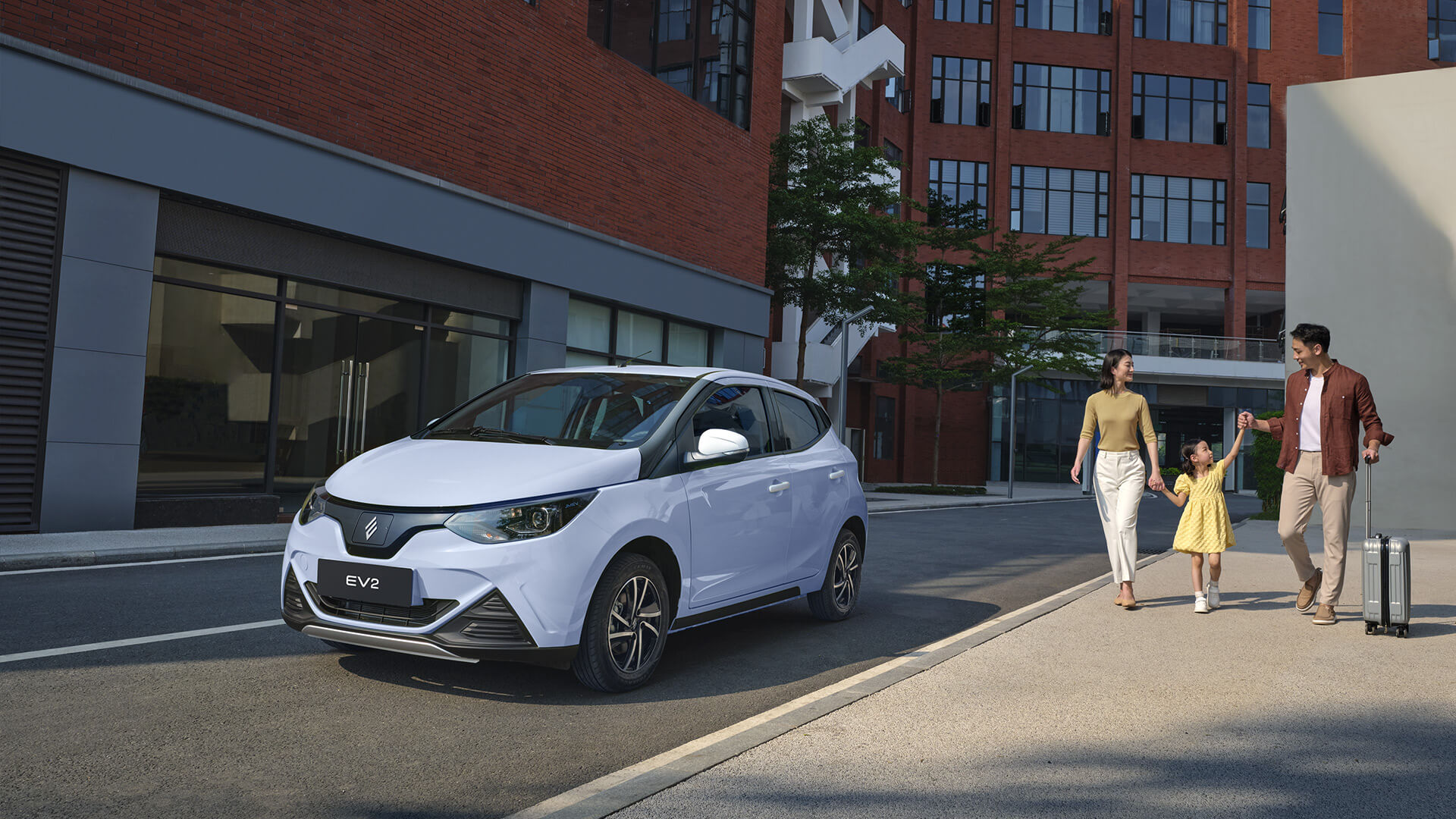
Goodbye expensive popular car: electric vehicle for less than R$ 70,000 starts being sold in Brazil with a range of 200 km and targets those looking to escape gasoline.

Tesla and BYD Batteries
The Tesla 4680 has a cylindrical design, with a diameter of 46 mm and a length of 80 mm. The BYD Blade, on the other hand, follows an elongated prismatic shape. It measures 90 mm in height, 965 mm in length, and 14 mm in thickness.
These structural differences reflect distinct approaches. Tesla seeks greater energy density, while BYD prioritizes safety and durability.
Performance Comparison
When it comes to energy storage, Tesla has the advantage. The 4680 cell has an energy density of 241 Wh/kg and 643 Wh/l. In comparison, BYD’s Blade reaches 160 Wh/kg and 355 Wh/l. This means that Tesla can manufacture smaller batteries and more levels to provide the same energy.
But this advantage comes at a cost. Tesla uses a nickel-rich cathode, which is expensive. BYD uses LFP, a more accessible and stable option. This chemistry also has thermal benefits. LFP cells are less prone to overheating or thermal runaway, making them safer.
Safety is a critical factor in battery development. Overheating events can compromise an entire vehicle. Therefore, manufacturers need to balance efficiency with thermal stability.
Manufacturing Structures and Processes
The battery design directly influences its production. The Tesla 4680 adopts a “jelly roll” configuration. This means its electrodes are rolled within the cylindrical cell. This method allows for automated and simplified production.
The BYD Blade, in turn, uses a “Z” stacked structure. This improves the mechanical strength of the battery. Additionally, the prismatic shape facilitates cooling and thermal management.
Tesla also innovated by removing traditional tabs in its battery. The connection of the electrodes is made by laser welding, reducing electrical losses. BYD combines ultrasonic and laser welding to optimize its production.
These choices impacted efficiency and cost. More advanced methods can enhance performance, but they also increase manufacturing expenses.
Surprises in the Battery Analysis
Researchers expected to find silicon in the Tesla 4680 anodes. Silicon is widely studied as a way to increase energy density. However, none of the cells studied contained this material. This suggests that both Tesla and BYD opted for more conservative strategies to ensure stability and reliability.
“We were surprised not to find any silicon content in the anodes of either cell, especially in Tesla’s cell, as silicon is widely considered in research to be an essential material for increasing energy density”, said Jonas Gorsch.
Another relevant finding was the internal resistance of the Tesla 4680. Due to its higher resistance, this cell tends to heat up more under high load. This can affect fast charging and long-term durability.
On the other hand, the BYD Blade showed superior thermal efficiency. The LFP chemistry naturally generates less heat and has better thermal control. This reinforces its safety advantage.
The Impact of Costs
The price of materials also weighs in the choice of technology. Tesla’s high-nickel cathode has increased production costs. Researchers estimate that the 4680 has an additional cost of about US$ 10/kWh compared to the Blade.
Nickel and cobalt prices are volatile. In contrast, the materials used in LFP – iron and phosphate – are more abundant in supply. This makes BYD’s technology a more affordable alternative for entry-level electric vehicles.
This factor can influence large-scale adoption. While Tesla focuses on premium and high-performance models, BYD caters to a broader segment. Its strategy aims to make electric vehicles accessible for the mass market.
With information from ZME Science.








-

4 pessoas reagiram a isso.