





 Portuguese
  English
  Spanish
  5 min of reading
  0 comments


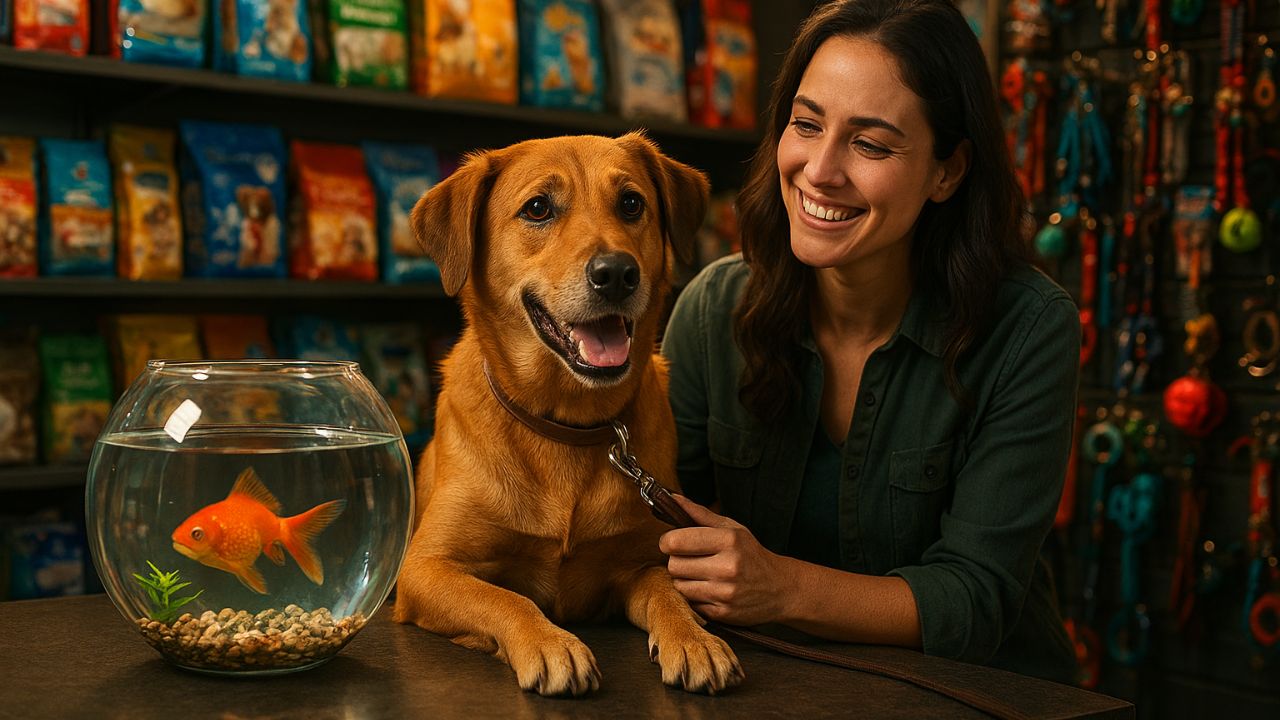
Understand How The New Gold Rush Of The Pet Market, Which Moves Billions, Uses The “Sale Of Health” To Create A Data Ecosystem And Forced Loyalty, Monetizing The Affection You Feel For Your Pet.
The presence of a pet shop on every corner has ceased to be an impression and has become a fact of the Brazilian urban landscape. This phenomenon is the visible face of the new gold rush in a sector that keeps growing, driven by a profound cultural shift: the humanization of pets. According to reports from ABINPET (Brazilian Association of the Pet Products Industry) and the Pet Brasil Institute, the national pet market is expected to generate revenue between R$ 75.4 billion and R$ 77.3 billion in 2024, solidifying Brazil as the third largest global power in the segment.
What seems to be merely a response to the growing love for “four-legged children” hides, however, a complex and powerful business architecture. Behind the sale of well-being thrives a sophisticated data industry, designed to capture detailed information about your pet and, from that, build closed consumption ecosystems. The ultimate goal is not just to sell a product, but to ensure customer loyalty through a “forced loyalty”, making the switch to a competitor logistically inconvenient and psychologically costly.
The Billion-Dollar Affection Market: Inside The Numbers
To understand the extent of this transformation, one must look at the data. The revenue projection that could reach R$ 77.3 billion in 2024, as indicated by ABINPET and the Pet Brasil Institute, represents robust growth over R$ 68.7 billion in 2023. This expansion demonstrates remarkable resilience, remaining strong even in scenarios of economic instability and consolidating itself as one of the most solid markets in the country.
-
The largest food company on the planet, JBS, has just opened a 4,000 square meter laboratory in Florianópolis to develop customized proteins that modulate muscle mass gain, immune response, and metabolic performance.

-
After nearly 30 bids and competition among industry giants, a Spanish company purchases one of the largest airports in Brazil for almost R$ 3 billion and takes over the management of Galeão in a concession that will last until 2039.

-
The Federal Revenue Service now automatically cross-references everything you declare with data from banks, credit cards, brokerage firms, and insurance companies, and any discrepancy between your income and your expenses triggers an alert in seconds.

-
Amid global tensions, Brazil blocks the United States’ proposal at the WTO and paves the way for a trade crisis and possible retaliations.

An analysis of revenue, detailed by the same reports, reveals a crucial change in consumer behavior. While the sale of pet food still constitutes the largest slice of the pie, accounting for about 55% of the total, the segments of services and health are the ones presenting the fastest growth. Veterinary services recorded a 16% increase, while veterinary products (Pet Vet) grew by 15% in 2024. This trend signals that the modern pet owner is increasingly willing to invest in preventive care and well-being, shifting the market focus from basic products to high-value-added services.
Humanization As A Driver: Selling Health, Not Just Food
The engine behind these billion-dollar figures is, above all, emotional. The so-called “humanization of pets” is the megatrend that has redefined the rules of the game. An analysis of the cultural impact, detailed by the Pet Society Blog, explains that pet owners, by considering their animals as family members, do not seek merely to meet basic needs but to replicate their own consumption and care patterns. The pursuit of “experience, quality, and well-being” has become the priority.
This psychological shift is the foundation for the “sale of health” strategy. Retailers transform what would be an optional expense into a perceived necessity. Premium food becomes more than just pet food; it turns into an investment in the longevity and disease prevention of the pet, drastically decreasing consumer price sensitivity. It is in this context that the traditional pet shop evolves into a “wellness center”, adding services such as special baths, spas, daycare, and integrated veterinary clinics, which not only diversify revenue but also multiply the points of data collection about the animal.
The Real Currency: How Your Pet Generates Valuable Data
Behind the shelves and grooming services, the true new gold rush is for information. Large pet shop chains have transformed into a powerful data industry. Each purchase, each grooming appointment, and especially each veterinary consultation generates a valuable digital asset. Companies systematically collect two types of information: owner data (name, address, purchase history) and the “crown jewel,” pet data (breed, age, weight, allergies, vaccination history, and chronic health conditions).
This combination is used to fuel predictive and highly personalized marketing. The system knows exactly when your dog’s flea medication is about to expire and sends a reminder with an offer. If a diagnosis of kidney problems is recorded at the chain’s clinic, offers for specific therapeutic foods arrive in your email the next day. This informational advantage creates a nearly insurmountable barrier to entry for small competitors, who do not have the same volume of data to anticipate their customers’ needs with such precision.
Loyalty or Entrapment? The Mechanics of The Closed Ecosystem
The data collected is the foundation for building what can be called “forced loyalty”. The goal is to create an ecosystem where leaving becomes more expensive and complex than staying. This begins with gamified loyalty programs and subscription models (“Scheduled Purchase”), which automate consumption and create a psychological cost for switching, the loss of points, or the inconvenience of canceling a recurring service.
The ultimate entrapment mechanism, however, is the pet health plans. The business model of Petlove, which integrates health plans and retail, is the clearest example of this strategy. By retaining the pet’s entire medical history and directing the client to an accredited network, the company creates a nearly insurmountable data barrier. To seal the ecosystem, Petlove offers aggressive discounts, up to 25% on products from its store, for plan subscribers, creating a closed loop that feeds on itself: the health plan drives retail sales, and retail strengthens the value of the plan, trapping the consumer in a long-term relationship.
The expansion of pet shops reflects our growing love for animals, but also the evolution of a market that has learned to transform affection into data and data into recurring revenue. The “health and wellness” ecosystem offers convenience and advanced care but also demands a consumer more aware of the invisible mechanisms that shape their choices.
Do you agree with this change? Do you think it impacts the market? Leave your opinion in the comments; we want to hear from those who live this in practice.







-

-

-

3 pessoas reagiram a isso.