





 English
  Francês
  Alemão
  Italiano
  Japonês
  Norueguês
  Portuguese
  Spanish
  2 min of reading



Petrobras Made It Clear to US Investors That the Import Parity Price (IPP), Which Affects the Adjustment of Fuel Prices for Gasoline and Diesel, May Change Due to “A New Management Team or Board of Directors”.
The Brazilian oil giant Petrobras announced yesterday (03/30), via the 20-F form, to the United States Securities and Exchange Commission (SEC), a note to international investors informing about possible changes in its diesel and gasoline pricing policy. The market alert came after the change in management of the state-owned company, with the appointment of economist Adriano Pires as the executive president of Petrobras, replacing General Joaquim Silva e Luna.
Petrobras made it clear to investors that the Import Parity Price (IPP) may change due to “a new management team or board of directors.”
The 349-page document, known as 20-F – required because the state-owned company has shares traded on the New York Stock Exchanges, is communicated annually by companies listed in the United States. The report provides a detailed overview of Petrobras’s operations, detailing financial, operational results, and potential business risks.
-
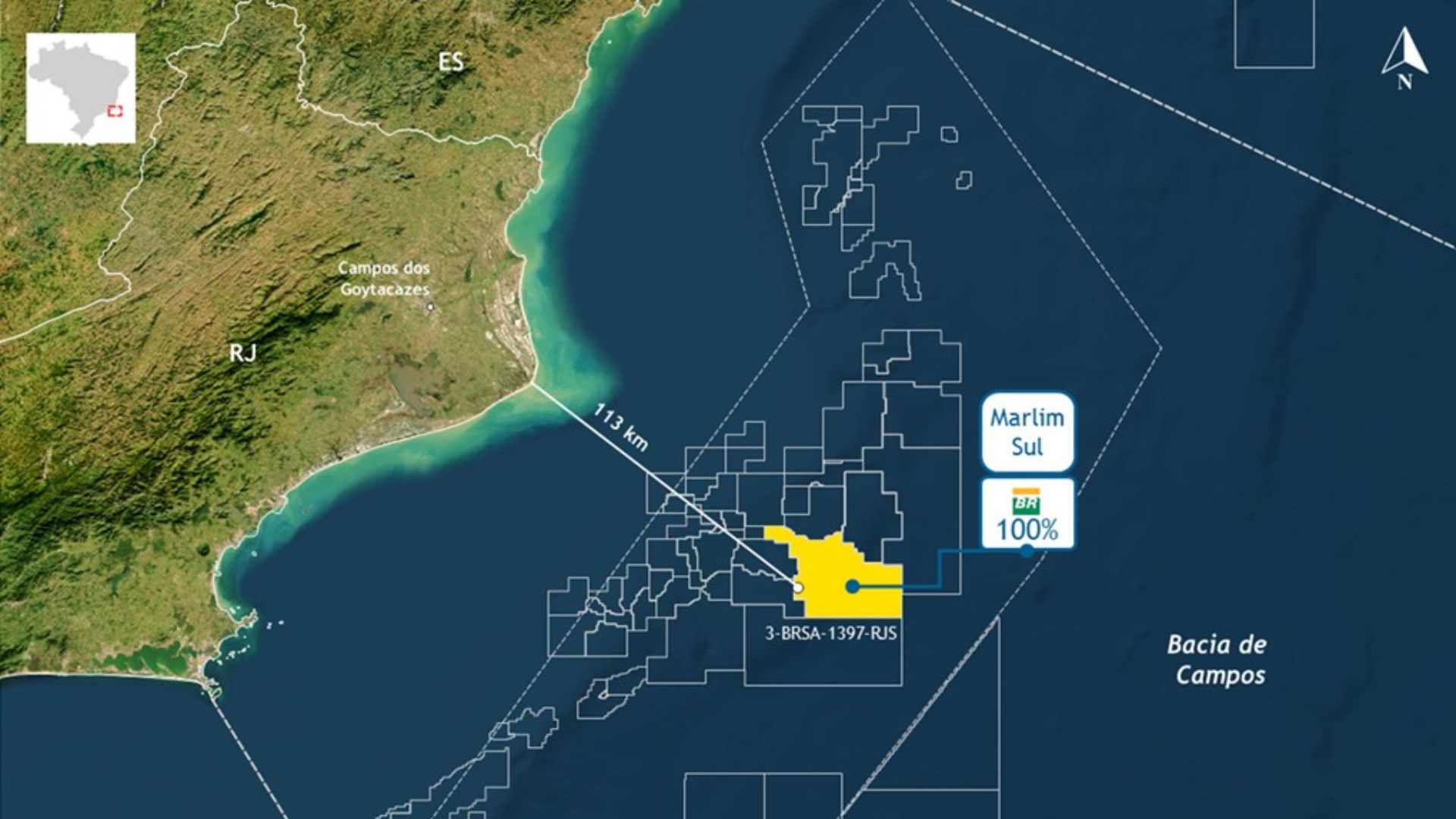
Petrobras finds high-quality oil in the pre-salt at 113 km from RJ and reignites expectations about strategic reserves in the Campos Basin.

-
Ocyan opens registrations for startups focused on innovation in the oil and gas sector and will select projects for Innovation Day with the support of Nexio.

-
Petrobras announces new oil discovery in the pre-salt of the Campos Basin and reinforces Brazil’s prominence with high-quality reserves that can increase production and energy revenues.
-
Alert in the fuel market: Analysts and a former director of ANP warn that oil prices may worsen in the coming months due to global instability.


Watch the Video Below About the Oil Company’s Alert to US Investors
Petrobras Reminded That President Jair Bolsonaro Has Occasionally Made Statements About the Need to Modify and “Adjust the Pricing Policy for Diesel and Gasoline to Domestic Conditions”.
“In light of the Brazilian president’s statements, a new management team or board of directors may propose changes to our pricing policies, including the decision that such policies do not seek alignment with international price parity,” he warned.
Subsequently, Petrobras explains that the Brazilian government may attempt to use the company to execute public policies. “The Brazilian government, as our controlling shareholder, may try to achieve certain macroeconomic and social objectives through us (the company), which may have a material adverse effect.”
“We cannot guarantee that our method of pricing will not change in the future,” said Petrobras. “Changes in our fuel pricing policy may have a material adverse impact on our business, results, financial condition, and the value of our securities.”
Petrobras reminded that in the past, the management adjusted oil, gas, and derivative prices from time to time, but stated that, “in the future, there may be periods during which the prices of our products will not be aligned with the international prices of the products.”










Seja o primeiro a reagir!